
Soups & Stews
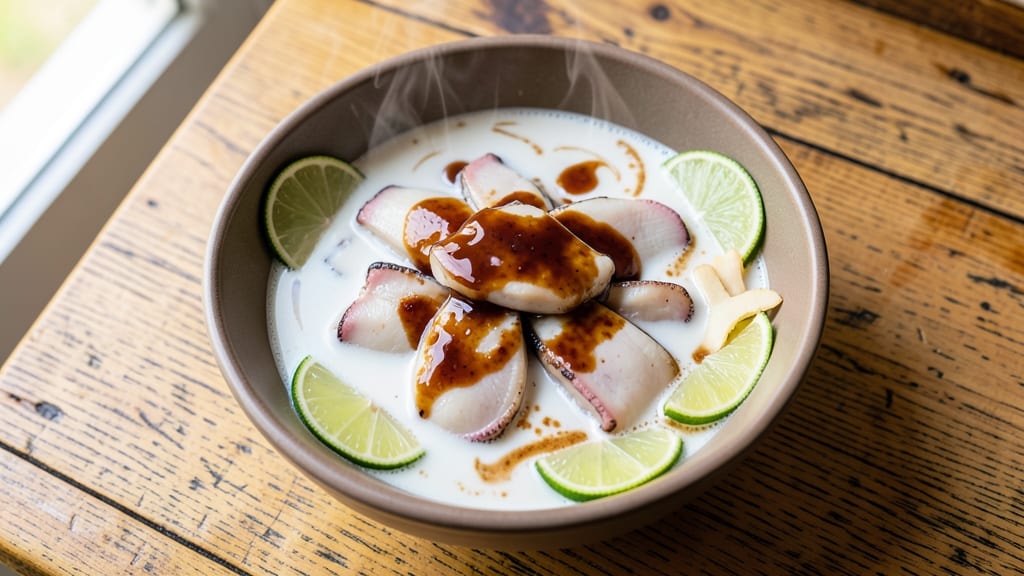
This Hawaiian abalone soup transforms delicate sea treasures into a velvety coconut-lime broth that captures Pacific Rim elegance. The key lies in tenderizing abalone through precise cooking—whether poaching or searing—before simmering it in a fragrant broth infused with shoyu, ginger, and fresh lime.
I developed this recipe after years of refining traditional techniques to balance rich umami with bright tropical notes, ensuring every spoonful delivers both texture and depth.
The foundation of this soup is a clarified coconut-lime broth that remains silky-smooth while carrying layers of flavor. Unlike heavy cream-based soups, this version relies on coconut milk and lime juice to create a naturally rich yet light base, perfect for highlighting the abalone's natural sweetness.
The addition of dashi and miso paste adds depth, while fresh herbs like Thai basil and cilantro brighten the finish—just like the soups served in Hawaii's finest seafood restaurants.
What sets this recipe apart is the tender abalone, achieved through careful preparation that preserves its delicate texture. Whether you serve it over steamed jasmine rice or alongside a crisp seaweed salad, the presentation elevates the dish to restaurant-quality.
The aroma alone—warm coconut, citrus, and ginger—will transport you to Hawaii's coastal tables, where this soup is a beloved centerpiece.
For home cooks, the process is streamlined without sacrificing authenticity. The abalone can be pre-cooked and stored, making this a flexible recipe for busy weeknights or special occasions. Pair it with a side of pineapple salsa or grilled shrimp for a complete Hawaiian-inspired feast. Let's create this tropical masterpiece together.
Ingredients for abalone soup recipe hawaii
Fourteen ingredients crafting Pacific Rim elegance in every silky spoonful.
| Ingredient | Amount | Notes |
|---|---|---|
| Fresh Abalone 🦪 | 1 ½ lb | Cleaned, cut into 1-inch pieces |
| Full-Fat Coconut Milk 🥥 | 2 cups | Canned, high-quality brand preferred |
| Fresh Lime Juice 🍋 | ¼ cup | Strained, no pulp |
| Japanese Shoyu 🍶 | 2 tbsp | High-quality, preferably Japanese |
| Fresh Ginger 🧄 | 2 tbsp | Finely grated, aromatic |
| Dashi Stock 🍲 | 2 cups | Homemade or high-quality bottled |
| White Miso Paste 🍜 | 1 tbsp | Fresh, not powdered |
| Thai Basil Leaves 🌿 | ¼ cup | Fresh, stems removed |
| Fresh Cilantro 🌿 | ¼ cup | Chopped, for garnish |
| Garlic Cloves 🧄 | 4 cloves | Minced, aromatic |
| Jasmine Rice 🍚 | 1 cup | Uncooked, for serving |
| Sesame Oil 🫒 | 1 tbsp | Toasted, for finishing |
| Diamond Crystal Kosher Salt 🧂 | 1 tsp | For seasoning |
| Ground Black Pepper 🌶️ | ½ tsp | Freshly ground |
The abalone is the centerpiece—look for fresh, plump pieces at specialty seafood markets like Costco's seafood counter or Hawaiian fish markets. If pre-cut, ensure it's vacuum-sealed and smells briny, not fishy. For the coconut milk, Thai Kitchen or Aroy-D brand delivers the creamiest texture without artificial additives. The dashi stock should have a clean, umami-forward aroma—Hondashi or Kikkoman are reliable bottled options, though homemade (from kombu and bonito flakes) elevates the dish further. Fresh ginger and lime are non-negotiable; Mexican lime adds a brighter citrus note than Persian, and organic ginger ensures no woody fibers.
No shoyu? Tamari or soy sauce works in a pinch, though shoyu's deeper maltiness is ideal. Substituting coconut milk? Light coconut cream thickens beautifully, but texture will differ slightly. For miso, red miso adds richness if white isn't available, though it alters the soup's delicate balance. Thai basil is essential—substitute regular basil at half the amount, but the anise-like flavor is distinct. Pre-minced garlic? Toast it first to deepen its aroma. The jasmine rice should be long-grain and unscented; basmati is a poor substitute for this dish's presentation.
Store prepped abalone in the freezer for up to 3 months—thaw overnight in the fridge before cooking. Coconut milk separates when refrigerated; stir vigorously before use or store the can upright in the fridge. Fresh herbs wilt quickly; wrap cilantro and Thai basil in damp paper towels and store in airtight containers for 3-4 days. The cooked soup reheats beautifully—gentle simmer only to avoid breaking the abalone's texture. For make-ahead meals, freeze the broth without the abalone (2 months); add the seafood fresh when reheating.
Why You'll Love This Recipe
- One-Pot Magic: I swear by this—just abalone, coconut milk, and a splash of lime simmering together. No extra pots, no fuss, and the rich broth basically makes itself while you prep the rest of dinner.
- Tropical Umami Bomb: That combo of Japanese shoyu and fresh ginger? It’s like a bright, salty hug in every spoonful. The abalone stays tender but firm, so you get that melt-in-your-mouth luxury without the work.
- Date Night Ready: Between us, this soup feels fancy enough for a fancy night but takes less effort than ordering takeout. The lime finish cuts through the richness, so it’s light enough to pair with grilled fish or even a simple salad—no pressure, just good vibes.
- Leftovers That Don’t Suck: Honestly, I make double batches because the flavor only gets better the next day. The coconut milk thickens slightly, the abalone absorbs all the ginger-shoyu goodness, and reheating it? Zero stress—just warm and serve. My lazy Sunday lunch, every time.
Step-by-step instructions for tropical coconut-lime abalone soup
Master this delicate balance of rich coconut broth and tender abalone with these precise techniques.
Prepare the Abalone and Aromatics
Begin by rinsing the 1.5 lb fresh abalone under cold water and patting it thoroughly dry with paper towels. Using a sharp chef's knife, cut the abalone into 1-inch pieces, ensuring each piece maintains its natural shape for even cooking. The goal is tender yet intact abalone—overhandling will release too much connective tissue into the broth.
In a separate bowl, combine the 2 tbsp finely grated fresh ginger and 4 cloves minced garlic cloves. Let this aromatic blend sit for 5 minutes to release its essential oils. This step intensifies the ginger's heat and garlic's sweetness, which will form the flavor foundation of your soup. Keep these aromatics at room temperature while you prepare the remaining ingredients.
Build the Coconut-Lime Broth Base
In a heavy-bottomed pot or Dutch oven, heat 1 tbsp sesame oil over medium-low heat. Add the ginger-garlic mixture and sauté for 2 minutes until fragrant but not browned. This gentle cooking prevents the aromatics from burning while allowing their flavors to meld.
Pour in the 2 cups dashi stock and bring to a gentle simmer. Add the 1 tbsp white miso paste and whisk until completely dissolved. The miso should disappear into the broth without leaving any gritty residue. This is your umami anchor—don't skip stirring it vigorously. Next, add the 2 tbsp Japanese shoyu and 1 tsp Diamond Crystal kosher salt, stirring to combine. The broth should now taste balanced but still need the abalone and coconut to reach its full potential.
Cook the Abalone and Finish the Broth
Add the prepared abalone pieces to the simmering broth and cook for 8-10 minutes. You'll notice the abalone releases a delicate cloudiness into the liquid—this is normal and indicates the meat is tenderizing. The abalone is done when it's opaque throughout and springs back slightly when pressed with a fork. Overcooking will turn it rubbery, so resist the urge to prolong the cooking time.
Reduce heat to low and stir in the 2 cups full-fat coconut milk. The broth will immediately turn creamy and rich. Add the 0.25 cup fresh lime juice and simmer for an additional 3-4 minutes, allowing the lime's acidity to brighten the coconut's sweetness. Taste and adjust seasoning with additional salt or pepper if needed—this soup should be vibrant yet harmonious.
Garnish and Serve with Jasmine Rice
Remove the pot from heat and let the soup rest for 5 minutes. This resting period allows the abalone to fully absorb the surrounding flavors. Meanwhile, cook the 1 cup jasmine rice according to package instructions until al dente—it should have a slight bite to complement the soup's richness.
Before serving, divide the Thai basil leaves and cilantro between bowls. Ladle the hot soup over the herbs, allowing them to wilt slightly and infuse the broth with their aromatic oils. Garnish each serving with an additional sprinkle of fresh cilantro and a drizzle of sesame oil for visual appeal and extra depth of flavor. Serve immediately with the jasmine rice on the side, as the abalone's texture will begin to break down if left to sit.
Pro Tips For Making Abalone Soup Recipe Hawaii
- Sear Abalone First: Hit the abalone with a quick sear in a screaming-hot pan—no oil needed, just the natural fats—before adding anything else. I learned this the hard way: skipping this step means your soup will taste like steamed seafood, not the rich, caramelized depth you’re after.
- Shred Ginger Fine: Use a microplane or the finest grater for ginger—no chunks, no paste. You want it dissolved into the soup, not chewed. I was skeptical until I tried it; now I can taste the bright, zesty kick without texture surprises.
- Simmer Slow, Not Boil: Keep the heat low enough that you barely see bubbles—gentle simmer only. Boiling turns the coconut milk grainy and ruins the abalone’s tender texture. Sounds weird, but it works: patience here makes the difference between creamy perfection and curdled disappointment.
- Add Lime Last: Stir in lime juice only in the final 2 minutes—acid breaks down proteins and can make the soup turn rubbery if added too early. Save it for the end, like a bright finish on a cocktail. (Yes, even if you’re impatient like me.)
Best sauces and condiments for this abalone soup recipe hawaii
Coconut-Lime Broth
This velvety base transforms ordinary soup into a tropical masterpiece. The key lies in balancing 2 cups full-fat coconut milk with 0.25 cup fresh lime juice—the acidity brightens the coconut's richness while preventing a heavy texture.
For extra depth, I add 1 tbsp white miso paste and 2 tbsp Japanese shoyu, which adds umami without overpowering. The miso should dissolve completely into the broth for a silky finish. 🥥
Spicy Sesame Oil
Toasted sesame oil is my secret weapon for adding aroma and depth. Use 1 tbsp during the initial sauté of ginger and garlic to build flavor, then reserve 1 tbsp for finishing.
The nutty, toasty notes complement the abalone's sweetness and cut through the coconut's richness. For extra heat, add ½ tsp chili crisp or 1 tsp sriracha to the final drizzle. 🌶️
Thai Basil Oil
Infuse the soup with Thai basil leaves by gently wilting them in hot broth before serving. For an advanced technique, create a Thai basil oil by simmering ¼ cup fresh Thai basil in ¼ cup neutral oil (like avocado or grapeseed) for 5 minutes, then straining.
Drizzle 1 tsp over each bowl—this adds an anise-like aroma that elevates the dish to restaurant quality. 🌿
Ginger-Garlic Paste
Prep a ginger-garlic paste by blending 2 tbsp grated ginger and 4 cloves garlic with 1 tbsp coconut milk until smooth. This paste intensifies flavor and ensures even distribution.
Store extras in an airtight container for up to 1 week in the fridge or 3 months in the freezer. It’s perfect for future Hawaiian-inspired dishes too! 🧄
Lime-Cilantro Garnish
Fresh cilantro and lime zest add a vibrant finish. Toss ¼ cup chopped cilantro with 1 tsp lime zest and 1 tsp honey for a bright topping. Sprinkle over the soup just before serving—this balances the coconut’s sweetness with citrusy freshness.
For a smoky twist, add a pinch of smoked salt to the garnish. 🍋
Dashi-Miso Reduction
Reduce 2 cups dashi stock with 1 tbsp white miso paste into a ½ cup sauce for extra umami depth. Simmer until slightly thickened, then whisk into the soup just before serving.
This technique adds a savory punch without altering the broth’s delicate texture. Store the reduction separately for up to 1 week in the fridge. 🍲
Nutrition facts
Frequently asked questions
Can I substitute fresh abalone with frozen for this Hawaiian recipe?
Yes, but thaw it properly first! Place frozen abalone in a sealed bag and submerge in cold water for 15-20 minutes, changing the water every 5 minutes. Never use hot water—it can make the meat rubbery. For best results, use frozen abalone within 3 months of purchase. The texture may be slightly firmer than fresh, so add 2-3 extra minutes to the cooking time.
What's the best way to store leftover abalone soup?
Store in an airtight container in the fridge for up to 3 days, or freeze for 2 months. To reheat, warm gently on low heat—never microwave—until steaming hot. For best texture, add a splash of coconut milk when reheating. The abalone will be slightly firmer after reheating, but still delicious!
Can I make this soup vegetarian?
Replace the abalone with shiitake mushrooms (sliced thick) or firm tofu (pressed and cubed). For extra umami, add 1 tbsp seaweed flakes to the broth. The coconut-lime base will still shine, though the texture will be more plant-based. The soup will have a lighter body but maintain all the Hawaiian-inspired flavors.
Why does my abalone soup taste bitter?
Bitterness usually comes from overcooking the abalone or using old coconut milk. To fix it, balance with extra lime juice or a pinch of sugar (½ tsp). For future batches, ensure your abalone is cooked for only 8-10 minutes and use fresh coconut milk (check the "best by" date). The miso paste should also be fresh—old miso can develop bitter notes.
How can I make this soup spicier for Hawaiian hot sauce lovers?
Add 1 tbsp Hawaiian chili crisp or 1 tsp gochujang paste to the final broth before serving. For extra heat, stir in ½ tsp red pepper flakes during the ginger-garlic sauté. Balance the spice with a drizzle of coconut cream to maintain the soup's creamy texture. Serve with extra lime wedges to cut through the heat!