
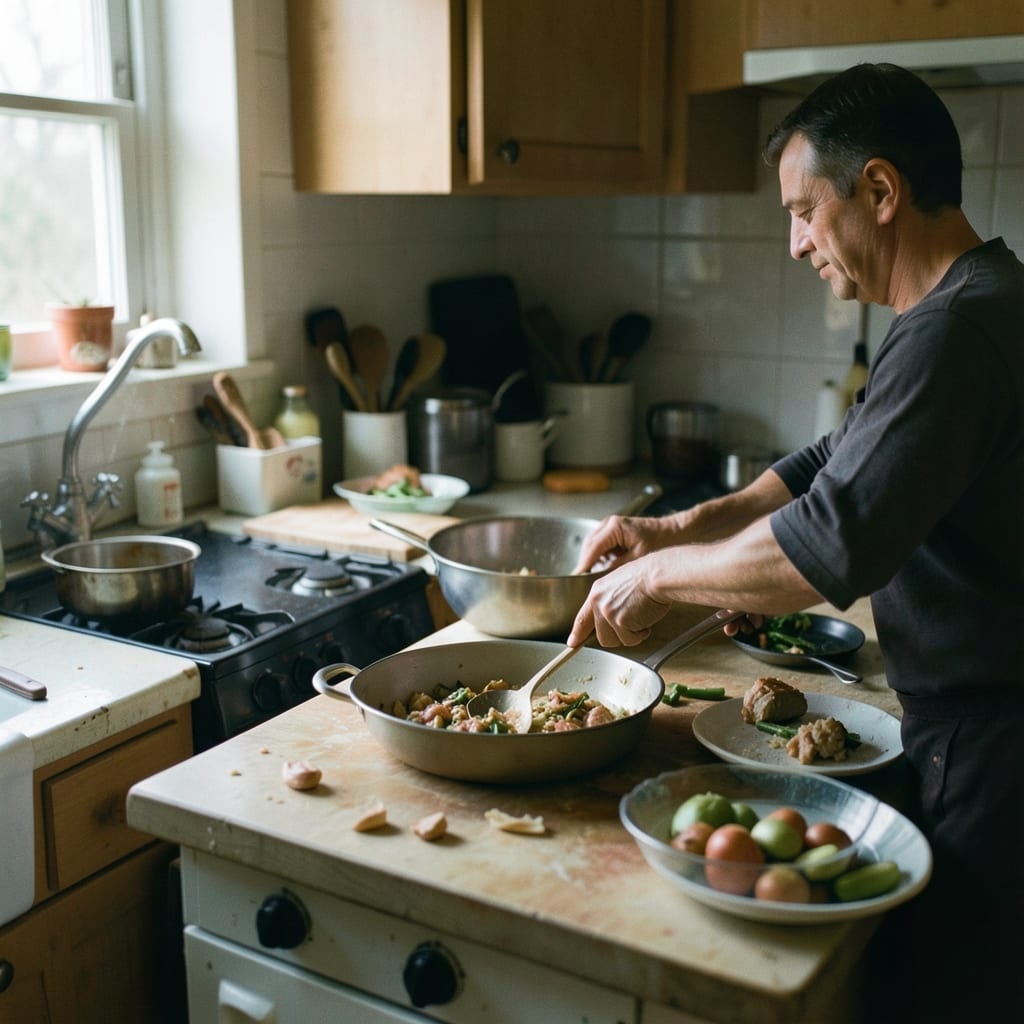
What this work is made with
This page is a list of things, not a story. A recipe site lives in the objects that shape it—the tools that hold heat, the hands that stir, the wear that tells the truth of what’s been made.
Here, we name what *Soup Recipes Hearth* depends on, one at a time.
*Soup Recipes Hearth* is for the recipes that feel like a second home: the ones that warm a room before they warm a bowl. It collects both the classics that have been passed down and the twists that make them new again.
But the real work happens where the heat meets the dough, the broth meets the spoon, and the first bite meets the memory of how it got there.
The things that do the work
These are the four things that shape every recipe here. They’ve been here from the start, and they’ve changed how the work gets done—sometimes by breaking, sometimes by holding just enough.
The cast-iron pot
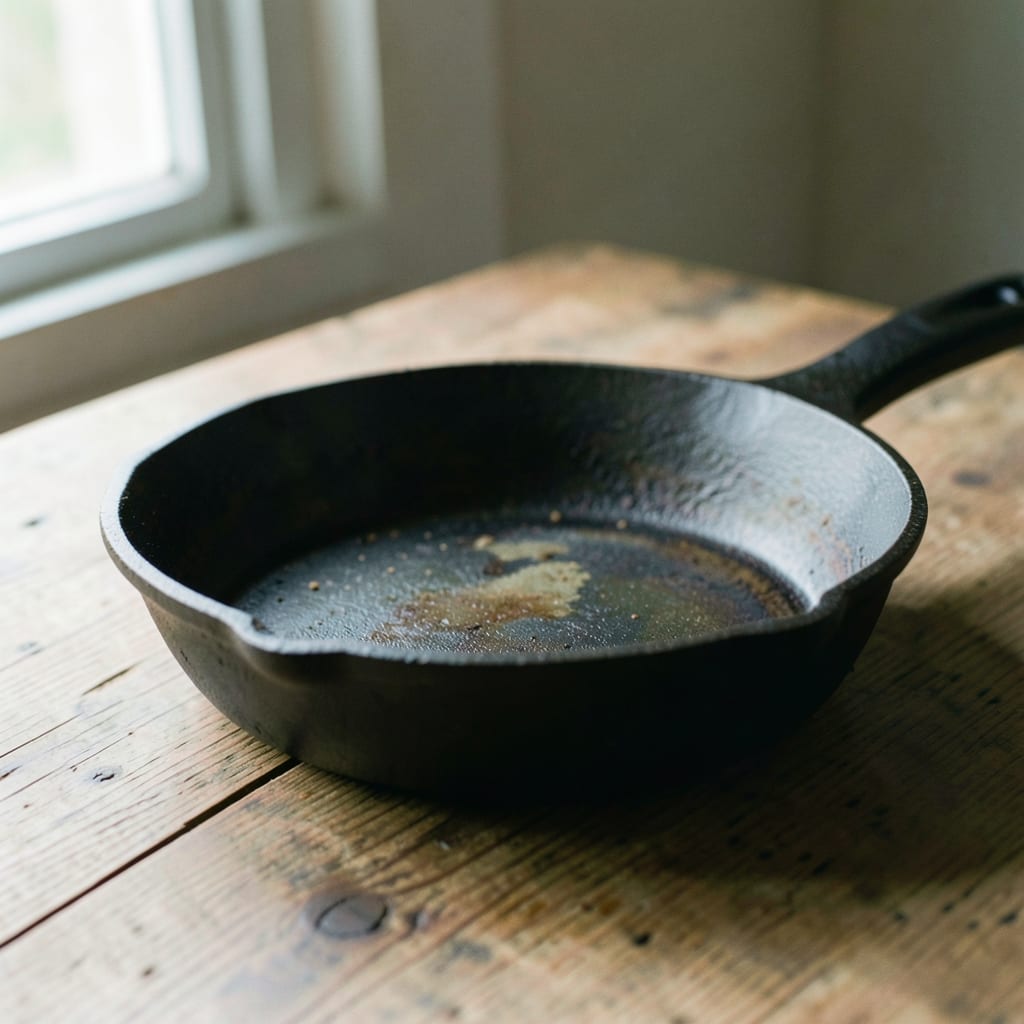
It’s dented along the rim from years of scraping, and the handle is wrapped in frayed cloth held together with wire. The pot has been here since before the site had a name, when it was just a notebook of recipes scribbled in the margins of a library book.
It taught us that some things can’t be rushed. A soup left too long on the stove burns at the edges before it ever simmers right. Now, every recipe here has a note on the lowest heat setting that won’t ruin it—and a warning about how long to walk away.
The wooden spoon
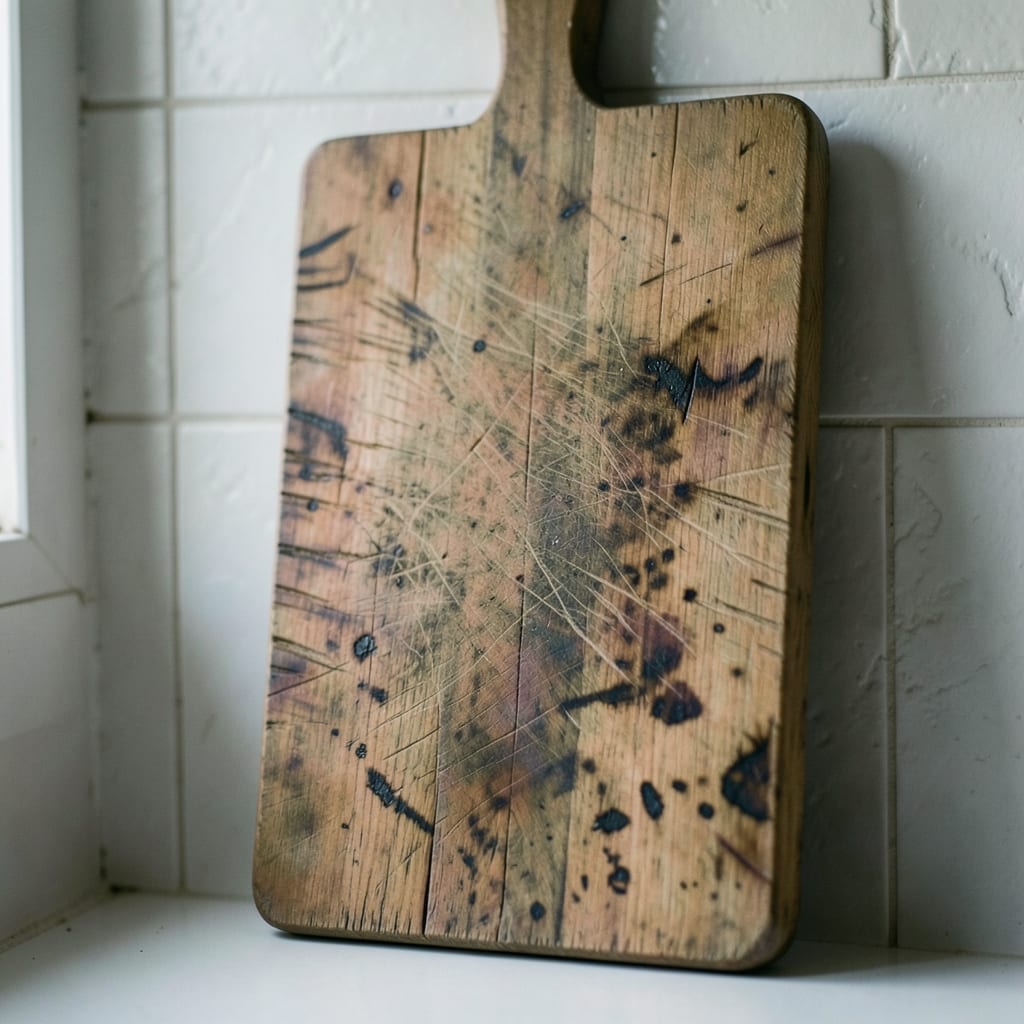
The handle is split down the middle, glued and sanded smooth, but the bowl is still deep enough to stir a whole pot of gumbo without splashing. It’s the only tool that’s never been replaced, even after the glue gave out and the crack widened.
It proved that the right tool doesn’t have to be perfect—just steady. Now, every stirring instruction in the site’s recipes says *wooden spoon* instead of *any utensil*, because some things need the patience of a spoon that’s outlasted three kitchens.
The enamel tray
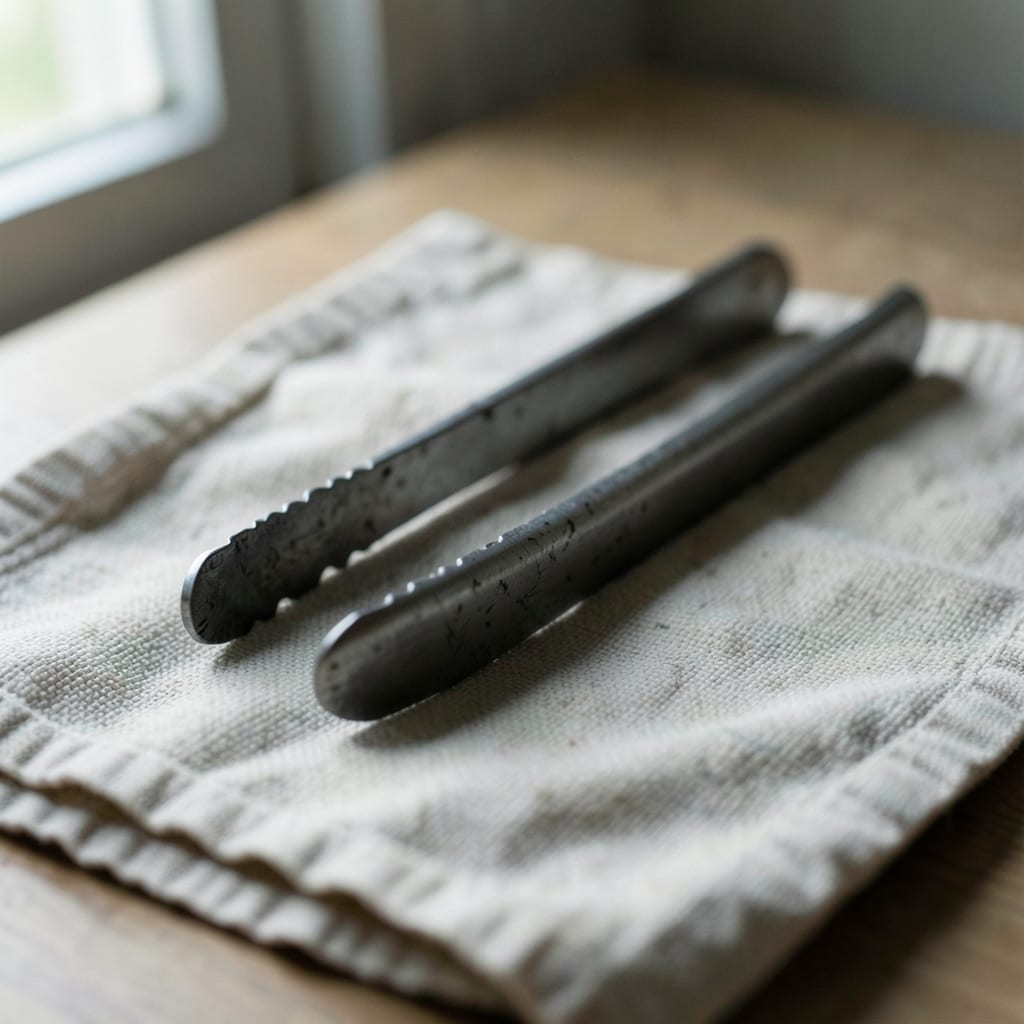
The paint is chipped in three places, and the legs are bent from being dragged across uneven floors. It’s the only tray that’s ever made it through a move without breaking, which says something about how little it’s actually used.
It showed us that sometimes the most unglamorous thing holds the most. Every batch of dumplings or dumpling dough here is tested on this tray first—because if it doesn’t hold its shape when it’s cold, it won’t hold when it’s hot.
The linen towel
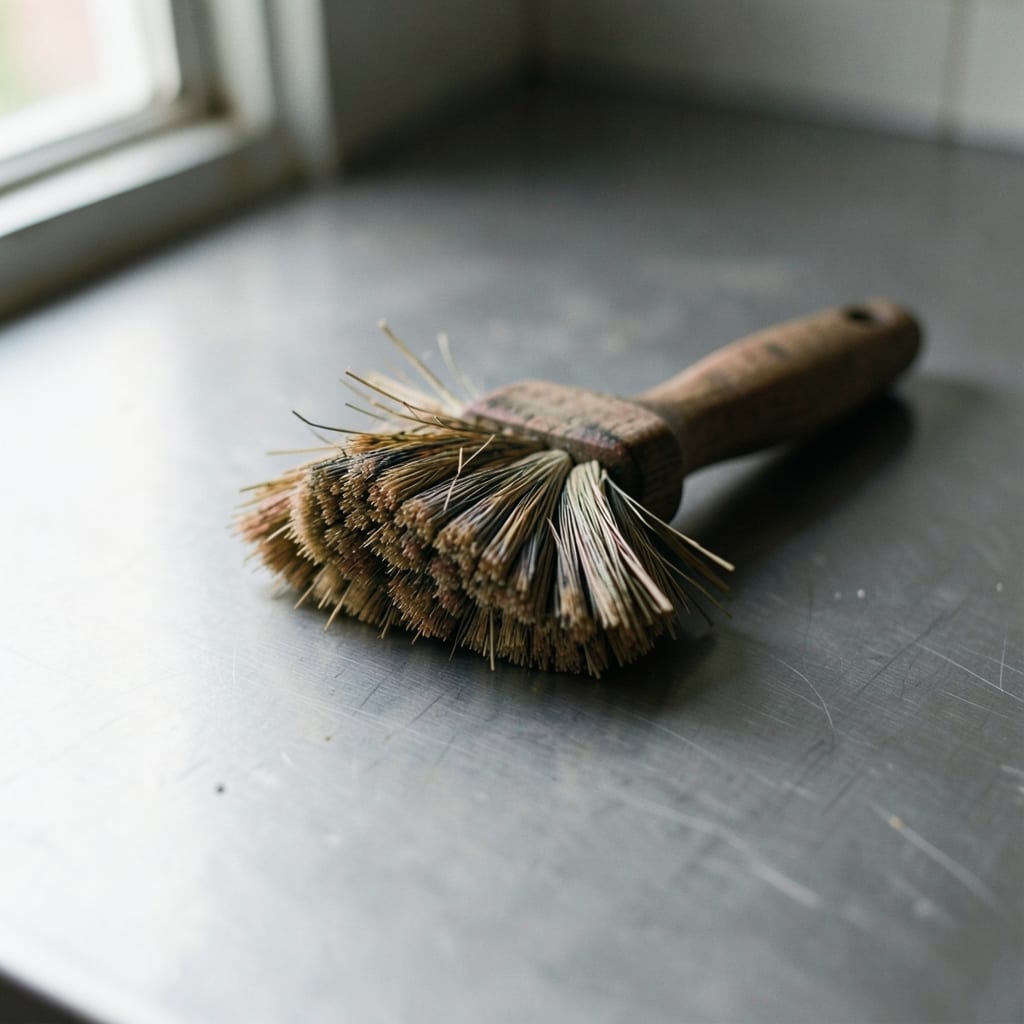
It’s threadbare in the corners and stained with what might be tomato or might be wine. No one remembers where it came from, only that it’s always been here, folded the same way on the counter, ready to wipe down a pot or dry a spoon.
It taught us that some things are too useful to track. Now, every recipe that mentions a towel says *any clean cloth*—because the towel itself doesn’t matter, only that it’s there when it’s needed.
What is not in the drawer
This work doesn’t depend on things that measure or count. No scales, no timers, no thermometers with digital displays—just the things that can’t be faked. No recipe here assumes you’ll follow a photo step by step, either.
The focus is on what you can see, smell, and taste, not what a screen tells you.
Deliberately absent
- A kitchen scale—every recipe uses cups or spoons, tested for real home kitchens.
- A timer—most recipes rely on visual cues instead.
- A thermometer—temperature is judged by touch and experience.
- Step-by-step photos—every instruction is written for the way you actually cook.
Behind the scenes

I am Warren Tremblay, the founder and editor of *Soup Recipes Hearth*. My job here is to make sure every recipe feels like it was written for your kitchen, not just a photo shoot.
I came to this from a family where meals were never just food—they were stories, arguments, and the only time everyone was in the same room. My grandmother handed me this cast-iron pot when I was twelve, after I burned the first batch of her tomato soup.
She said, *‘Now you cook it low and slow, or you’ll be scrubbing pots at midnight.’* I’ve been following that rule ever since.
This work has given me a habit of noticing heat—how a spoon left in a pot tells you if it’s ready, how a window steams up when the oven’s too hot.
I can’t walk past a kitchen without checking the stove, and I’ve developed a permanent scorch mark on my thumb from testing dumpling dough.
I’m here to make sure every recipe on this site tastes like it belongs in your life, not just on a page. That means no shortcuts, no assumptions, and definitely no recipes that sound easier than they are.
Why any of this matters to you
These things—the pot, the spoon, the tray, the towel—are why the recipes here don’t just work. They’re why they feel like yours. The cast-iron pot means no recipe will ever ask you to guess the heat. The wooden spoon means every stir is intentional.
The enamel tray means you’ll know if the dough is ready before it even hits the pan.
When you read a recipe here, you’re not just following steps. You’re using the same tools, the same patience, and the same lessons that shaped every dish. That’s the difference between a recipe and a memory waiting to happen.
Every recipe here is built around things you can see, not things you can’t. That means no confusing measurements, no rushed timings, and no steps that assume you’re a chef. Just the tools, the heat, and the taste—like a hug in a bowl.
The recipes are grouped by category: Appetizers, Beverages, Breakfast & Brunch, Desserts, Main Courses and Reviews.