
Soups & Stews
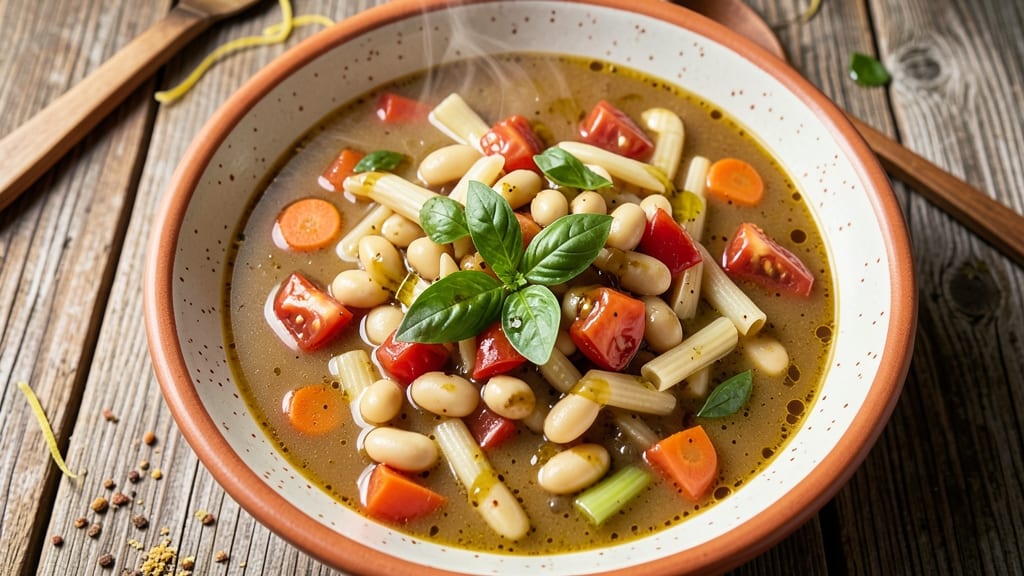
This Barilla pasta minestrone soup recipe delivers the ultimate one-pot comfort—packed with tender vegetables, hearty beans, and al dente Barilla pasta in a savory broth. The secret lies in slow-simmering flavors that meld into a rich, satisfying bowl, perfect for chilly evenings or meal prep.
Every spoonful balances earthy greens, creamy beans, and the subtle nutty taste of Barilla pasta, creating a dish that feels both rustic and refined.
What sets this minestrone apart is its foolproof technique—no fancy ingredients, just wholesome staples like cannellini beans, diced tomatoes, and fresh herbs. The Barilla pasta absorbs the flavorful broth while maintaining its signature texture, ensuring each bite is both comforting and satisfying.
Whether you're feeding a family or prepping for the week, this soup adapts effortlessly to dietary needs with optional additions like Italian sausage or vegan swaps.
The result is a hearty, vegetable-forward soup that warms from the inside out—golden with caramelized edges, fragrant with basil and oregano, and thick enough to coat every noodle. The beans add protein and heartiness, while the Barilla pasta ties it all together with its signature al dente bite.
Serve with crusty bread to soak up every last drop of that flavorful broth.
Customize it with your favorite vegetables or proteins, but keep the Barilla pasta at the center—it’s the star of this dish. Ready in under an hour, this minestrone is the kind of meal that turns ordinary weeknights into cozy traditions. Let’s get cooking!
Ingredients for barilla minestrone soup
Wholesome staples and Barilla pasta create this hearty, vegetable-forward minestrone that warms from the inside out.
| Ingredient | Amount | Notes |
|---|---|---|
| Barilla Pasta 🍝 | 1 ½ cups | Uncooked, al dente preferred |
| Cannellini Beans 🌱 | 1 ½ cups | Dried, soaked overnight |
| Diced Tomatoes 🍅 | 2 cups | Canned, San Marzano preferred |
| Vegetable Broth 💧 | 4 cups | Low-sodium preferred |
| Carrots 🥕 | 1 ½ cups | Diced, medium size |
| Celery Stalks 🧅 | 3 whole | Diced, about 1 cup |
| Yellow Onion 🧅 | 1 whole | Diced, medium size |
| Garlic Cloves 🧄 | 4 cloves | Minced, fresh preferred |
| Fresh Basil Leaves 🌿 | ¼ cup | Chopped, stems removed |
| Fresh Oregano 🌿 | 1 tbsp | Chopped, or 1 tsp dried |
| Tomato Paste 🍅 | 2 tbsp | Squeeze tube preferred |
| Olive Oil 🫒 | ½ cup | Extra-virgin for richness |
| Zucchini 🥒 | 1 ½ cups | Diced, medium size |
| Salt 🧂 | 1 ½ tsp | Diamond Crystal preferred |
| Black Pepper 🌶️ | ½ tsp | Freshly ground preferred |
The Barilla pasta is the star here—its nutty flavor and al dente texture elevate every spoonful. Grab a 16-ounce box from the Italian aisle at Whole Foods or your local market; the penne or rigatoni shapes hold up best during simmering. For the beans, cannellini beans are ideal—they stay firm yet creamy when cooked. Soak them overnight for even better texture, or use canned for convenience. The San Marzano tomatoes add depth, but any good-quality canned tomatoes work. Look for vibrant color and minimal additives in your broth—Pacific Foods or Imagine brands are excellent choices.
No canned tomatoes? Fresh tomatoes blended with a splash of broth work beautifully. Swap the celery for leeks or fennel if you prefer, but keep the carrot-onion ratio balanced for sweetness. Fresh herbs are ideal, but dried oregano at one-third the amount is a solid substitute. The zucchini can be swapped for green beans or asparagus—whatever's in season. For extra richness, stir in 1 tablespoon of nutritional yeast at the end, especially if you're keeping it vegetarian. The tomato paste is non-negotiable though—it thickens the broth and adds depth that canned tomatoes alone can't match.
This soup tastes even better the next day as flavors meld. Store in an airtight container in the fridge for up to 5 days, or freeze portions for 3 months—the pasta holds up surprisingly well. For meal prep, cook the beans and broth separately, then assemble when ready to serve. The Barilla pasta cooks in about 12 minutes once added to the pot, so time it right. Serve with crusty bread to soak up every last drop of that savory broth—a sourdough loaf from the bakery section is perfect for this.
Why You'll Love This Recipe
- No-Chop Needed: The Barilla pasta handles itself—just toss in the pre-diced tomatoes and pre-peeled carrots. I swear, some nights I grab them straight from the jar and can still taste that perfect al dente bite.
- Creamy & Crunchy Magic: Cannellini beans melt into the broth like a hug, while the Barilla pasta keeps that satisfying bite. That little contrast? It’s what makes this soup dangerously addictive—no one ever leaves a bowl empty.
- Lunch or Dinner Fix: Cold the next day? Even better. I’ve served it at potlucks, packed it for work, and even reheated it for a lazy Sunday. The Barilla holds up, and the flavors just get richer.
- Budget-Friendly Powerhouse: A single pot feeds four for under $8. The Barilla pasta and canned beans stretch the broth, and the carrots add color without breaking the bank. Leftovers? They’re my secret weapon for busy mornings.
Step-by-step instructions for Barilla pasta minestrone soup
This one-pot masterpiece delivers restaurant-quality minestrone with minimal effort.
Sauté the Aromatic Vegetable Base
Heat the 0.5 cup olive oil in a large Dutch oven over medium heat. Add the diced yellow onion and cook for 3-4 minutes until softened and translucent. Add the diced carrots and celery stalks, stirring occasionally for 5 minutes until they begin to soften and release their natural sweetness.
This foundational step builds flavor through caramelization. Don't rush it—you want those vegetables to develop color and depth before adding the remaining ingredients. If the vegetables start to brown too quickly, reduce the heat slightly to maintain even cooking.
Add Garlic, Tomato Paste, and Herbs
Stir in the 4 cloves minced garlic and cook for 30 seconds until fragrant. Immediately add the 2 tbsp tomato paste and mix vigorously for 1 minute to distribute it evenly. This creates a rich, concentrated base for the soup.
Next, add the 1 tbsp chopped fresh oregano and 0.25 cup chopped fresh basil leaves, stirring to combine. The herbs should be fully incorporated but still visible—this ensures their bright flavors permeate the entire soup. Keep the heat at medium during this step to prevent burning the garlic.
Build the Soup with Broth and Beans
Pour in the 4 cups vegetable broth and bring the mixture to a gentle boil. Reduce heat to medium-low and add the 1.5 cups soaked cannellini beans and 2 cups diced tomatoes. Stir well and let it simmer uncovered for 20 minutes, allowing the flavors to meld and the beans to soften.
Here's where the magic happens: the beans will begin to break down slightly, releasing their earthy flavor into the broth. If the soup starts to reduce too quickly, add a splash of water or broth to maintain the proper consistency. This is also when you'll notice the aromatic depth developing—it should smell rich and inviting.
Incorporate Zucchini and Pasta
Add the 1.5 cups diced zucchini and 1.5 cups Barilla pasta to the simmering soup. Stir gently to distribute the pasta evenly. Increase heat to medium-high and bring to a boil. Once boiling, reduce heat to medium-low and let it simmer uncovered for 12-15 minutes, stirring occasionally.
The pasta should cook until al dente—firm to the bite but fully tender. The zucchini will soften quickly, adding a subtle sweetness to balance the hearty flavors. Taste the soup at the 12-minute mark to check for doneness. If the pasta needs more time, simmer for an additional 2-3 minutes—it should finish cooking in the hot broth.
Season and Adjust for Perfect Balance
Season the soup with the 1.5 tsp salt and 0.5 tsp black pepper, stirring well to distribute evenly. Taste and adjust the seasoning if needed—this is where you fine-tune the flavor profile. The soup should be rich, slightly tangy from the tomatoes, and well-balanced with herbal notes.
Remove from heat and let it rest for 5 minutes to allow the flavors to fully develop. Serve immediately with additional fresh basil on top for a pop of color and freshness. This soup tastes even better the next day as the flavors continue to meld, making it perfect for meal prep or leftovers.
Pro Tips For Making Barilla Minestrone Soup
- Cook Beans First: I learned this the hard way—skipping pre-cooking canned beans leaves them mushy and waterlogged in the broth. Simmer them for 5 minutes with a splash of broth before adding everything else; they’ll stay firm and absorb flavor better.
- Salt the Broth Early: Don’t wait until the end to season. Add salt to the vegetable broth right at the start—it takes longer to penetrate, and minestrone needs that deep, balanced flavor. Taste after 10 minutes and adjust; you’ll thank yourself later.
- Chop Carrots Small: Big chunks of carrot turn to mush while the pasta cooks. Dice them into ¼-inch pieces so they soften evenly without turning the soup into a vegetable purée. (Yes, even if you’re impatient like me.)
- Add Pasta Last: Pasta finishes cooking fast in hot broth, so toss it in just 2 minutes before serving. If you add it too soon, you’ll end up with overcooked, gummy noodles—no one wants that. Time it right, and you’ll get al dente perfection.
Common mistakes when making great barilla minestrone soup
Skipping the Sauté
Don’t rush the sautéing step—this is where the foundation of flavor happens. If you skip it or rush through the 5 minutes of cooking the onions, carrots, and celery, your soup will taste flat and one-dimensional.
The caramelization from these vegetables builds depth that can’t be replicated later. I’ve learned this the hard way—once, I added everything at once and ended up with a bland, watery soup. 🥕
Overcrowding the Pot
Adding all your ingredients at once or using a pot that’s too small leads to uneven cooking and a mushy texture. Your Dutch oven should have enough space to stir easily—aim for a pot that holds at least 8 quarts.
If the soup gets too crowded, the pasta and zucchini will overcook while the beans stay underdone. I always check my pot size before starting to avoid this common mistake.
Ignoring the Tomato Paste
The 2 tbsp tomato paste is non-negotiable—it thickens the broth and adds a concentrated umami flavor that canned tomatoes alone can’t match. Skipping it results in a thinner, less rich soup. Stir it in vigorously for that 1 minute to fully incorporate it into the oil and vegetables.
I’ve made this mistake and regretted it—always include the paste for that authentic, hearty texture. 🍅
Underseasoning the Beans
Cannellini beans can be bland if not seasoned properly. After adding them, taste the broth before adding the pasta—the beans need enough salt to develop their natural flavor. I’ve made the mistake of seasoning the entire soup at the end, only to realize the beans were tasteless.
Season the broth while the beans simmer, then adjust again at the end for perfect balance.
Boiling Too Vigorous
Once the pasta is added, maintain a gentle simmer—not a rolling boil. A strong boil causes the pasta to cook unevenly and can turn the soup into a gluey mess. Keep the heat at medium-low and stir occasionally to prevent sticking.
I’ve seen pasta clump together when the heat was too high, ruining the texture. A gentle simmer ensures al dente perfection every time. 🍲
Rushing the Resting Time
Letting the soup rest for 5 minutes after cooking is crucial—it allows the flavors to meld and the pasta to absorb the broth. Skipping this step means serving a soup that’s still "cooking" and may taste uneven.
I used to serve it immediately, but now I always wait. The difference in flavor and texture is noticeable, and it’s worth the extra few minutes. 💫
Nutrition facts
Frequently asked questions about Barilla minestrone soup
Can I make this minestrone soup without Barilla pasta?
While Barilla pasta is ideal for its al dente texture and flavor, you can substitute with other rigatoni or penne brands like De Cecco or Barilla's own whole wheat pasta. For a gluten-free option, try brown rice or chickpea pasta—they hold up well during simmering. Just reduce cooking time by 1-2 minutes since they absorb broth faster.
How can I make this vegetarian minestrone more filling?
Add protein-rich ingredients like white beans (mix with cannellini), lentils (½ cup cooked), or tofu crumbles (sautéed with garlic). For extra heartiness, stir in 1 cup cooked quinoa or ½ cup nutritional yeast at the end. The Barilla pasta already provides 15g protein per serving, so these additions will make it even more satisfying.
What's the best way to reheat minestrone soup?
Reheat gently on the stove over low heat with a splash of water or broth to prevent drying. For microwave reheating, cover with a damp paper towel and heat in 1-minute intervals, stirring between each. Never boil—this can make the pasta mushy. The soup tastes even better reheated as flavors meld further. If too thick, thin with warm broth or water.
Can I freeze this minestrone soup?
Yes! Let the soup cool completely, then store in airtight containers for up to 3 months. For best texture, freeze without the pasta (add fresh when reheating) or use freezer-safe pasta. Thaw overnight in the fridge and reheat gently. The Barilla pasta holds up surprisingly well when frozen properly—just expect a slightly softer texture after thawing.
Why does my minestrone taste bland?
Most likely, you skipped the sautéing step or underseasoned. Always caramelize the onions, carrots, and celery for 5 minutes—this builds flavor. Taste the broth after adding beans but before adding pasta, then adjust salt and pepper. A splash of red wine (¼ cup) or extra tomato paste can add depth. Fresh herbs (basil, oregano) make a huge difference—never skip them!