
Soups & Stews
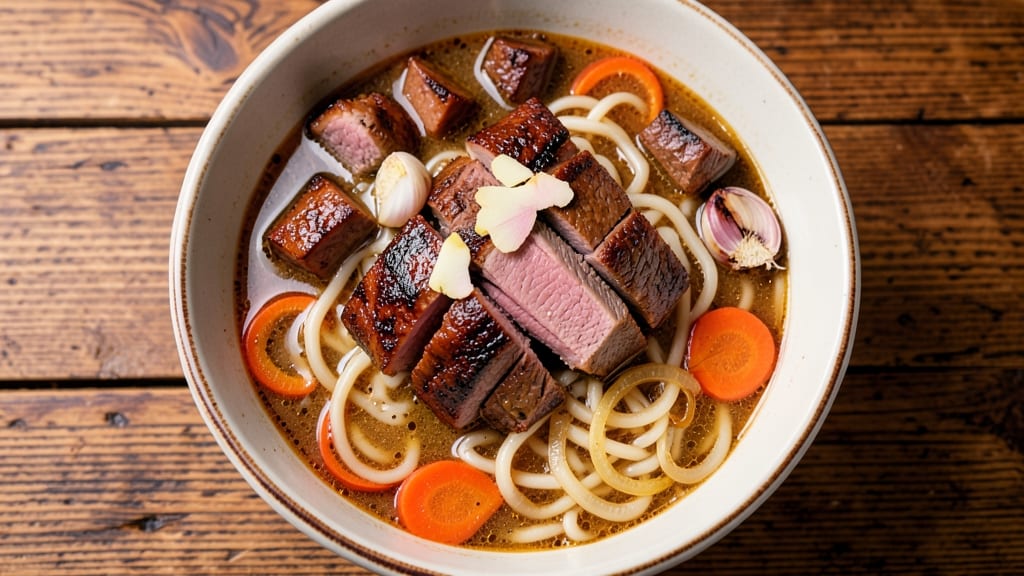
A beef noodle bowl soup recipe transforms a simple weeknight into a comforting feast with just one pot. This recipe delivers restaurant-quality depth—tender beef, aromatic broth, and chewy noodles—all simmered together for maximum flavor.
The secret lies in slow-cooking the beef until fork-tender while building layers of savory, umami-rich broth that clings to every noodle.
What sets this dish apart is the balance of technique and simplicity. You'll start with a rich, caramelized beef base, then layer in fragrant spices and vegetables for depth.
The noodles cook directly in the broth, absorbing its flavors while maintaining that perfect chewy texture. No chopping, no fuss—just a hearty, satisfying meal ready in under an hour.
The result is a bowl that’s warm, aromatic, and packed with texture—tender beef slices, silky noodles, and a broth so flavorful it tastes like it’s been simmering all day.
Garnish with fresh herbs and a squeeze of lime for brightness, and you’ve got a dish that’s equally at home on a busy Tuesday or a special weekend gathering.
This recipe adapts beautifully to regional preferences—add chili oil for a spicy kick, fresh cilantro for brightness, or a drizzle of sesame oil for nutty depth. The one-pot method means minimal cleanup, and the flavors only get better the next day. Let’s get cooking!
Ingredients for beef noodle bowl soup
Restaurant-quality beef noodle bowl ingredients that deliver depth with minimal effort.
| Ingredient | Amount | Notes |
|---|---|---|
| Chuck Roast 🥩 | 1 ½ lb | Cut into 1-inch cubes for even cooking |
| Egg Noodles 🍜 | 8 oz | Fresh or dried, wide egg noodles preferred |
| Yellow Onion 🧅 | 1 whole | Thinly sliced for quick caramelization |
| Garlic Cloves 🧄 | 4 cloves | Minced for aromatic depth |
| Carrots 🥕 | 2 medium | Thinly sliced for quick cooking |
| Fresh Ginger 🌿 | 1 inch | Peeled and sliced for zesty kick |
| Beef Broth 💧 | 4 cups | Low-sodium preferred for flavor control |
| Soy Sauce 🍶 | 3 tbsp | Light soy for delicate umami |
| Sesame Oil 🫒 | 1 tbsp | Toasted for nutty aroma |
| Honey 🍯 | 1 tbsp | For subtle sweetness balance |
| Vegetable Oil 🫒 | 2 tbsp | High smoke point for searing |
| Dried Shiitake Mushrooms 🍄 | 2 whole | Rehydrated for umami depth |
| Green Onions 🧅 | 3 whole | Thinly sliced for garnish |
| Fresh Cilantro 🌿 | ¼ cup | Chopped for bright finish |
| Lime Wedges 🍋 | 2 whole | For serving, optional |
The chuck roast is the foundation—look for well-marbled cuts at Whole Foods or your local butcher for maximum tenderness. Pre-cubed beef at Costco saves time, but a whole roast gives better flavor control. Shiitake mushrooms are non-negotiable for umami; dried versions at Asian markets offer the most concentrated flavor. Fresh ginger should be vibrant yellow inside—none of that fibrous, dry stuff. The egg noodles? Barilla brand holds up best to long cooking, but any fresh or dried will work. For the broth, Kitchen Basics or Pacific Foods low-sodium versions keep the flavor balanced without overpowering.
No fresh shiitake? Dried mushrooms from a jar work perfectly—just rehydrate in hot water. Running low on soy sauce? Coconut aminos in a pinch, though the flavor will differ slightly. The sesame oil can be swapped for toasted peanut oil if you're avoiding sesame. For a quicker prep, pre-chopped onion and carrot mixes from the grocery store save time without sacrificing quality. The honey is optional but essential for balancing the savory depth—substitute with maple syrup if needed. And if you're feeling adventurous, add a dash of fish sauce for extra umami, though this keeps it vegetarian-friendly.
Store prepped ingredients in airtight containers—beef and veggies last 3 days in the fridge, while dried noodles keep 6-12 months in a cool pantry. The broth can be made ahead and reheated—flavors intensify overnight. For meal prep, cook the noodles separately and assemble bowls fresh to maintain texture. Portion garnishes separately to keep them vibrant. Freeze cooked portions for up to 3 months, though the noodles may soften slightly upon reheating.
Why You'll Love This Recipe
- One-Pot Simplicity: I swear by this recipe because it’s the kind of meal where you chop once, then forget about it. The chuck roast goes in raw—no pre-cooking, no fuss—and the onions, garlic, and carrots all soften together in the same pot. Honestly, I’ve made it while scrolling through emails; that’s how hands-off it is.
- Deep Umami Magic: That slow-cooked chuck roast? It’s the star. The onions caramelize just enough to sweeten the broth, while the garlic cloves turn it into something rich and savory—like a hug in a bowl. (Yes, even on a Tuesday night.)
- Lunchbox Reinvented: Between us, this is my go-to for meal prep because it reheats like a dream. Pack the noodles and beef separately, and by lunchtime, it’s still hearty and warm. My kids actually eat their veggies when they’re hidden in this—no complaints.
- Budget Stretch: A single chuck roast feeds my family for days, and the egg noodles cost pennies. I’ll be real: this recipe saved me from takeout when my wallet was thin. Plus, leftovers taste even better the next day—proof it’s worth making extra.
Step-by-step instructions for beef noodle bowl soup
Transform simple ingredients into a deeply flavorful one-pot meal with rich beef broth and chewy noodles.
Sear the Chuck Roast for Deep Flavor
Heat the 2 tablespoons vegetable oil in a large Dutch oven over medium-high heat until shimmering. Pat the 1.5 lb chuck roast dry with paper towels and cut into 1-inch cubes for even cooking. Working in batches, sear the beef for 3-4 minutes per side until deeply browned—this develops the Maillard reaction that forms the soup's foundation. Don't crowd the pan, or the temperature will drop and prevent proper browning.
As the beef sears, you'll notice golden crusts forming on each piece. Transfer the browned beef to a plate and set aside, leaving all the browned bits in the pot—they'll dissolve into the broth later. This step is critical for building complex, savory depth in the final soup.
Build the Aromatic Base
In the same Dutch oven, add the 1 whole yellow onion (thinly sliced) and cook for 4-5 minutes until softened and starting to caramelize. Add the 2 medium carrots (thinly sliced), 1 inch fresh ginger (sliced), and 4 cloves garlic (minced), cooking for another 2 minutes until fragrant. The vegetables should release their natural juices and meld together into a cohesive base.
Stir in the 2 whole dried shiitake mushrooms (rehydrated in hot water for 20 minutes and drained) and cook for 1 minute to absorb the vegetable flavors. This step creates the aromatic backbone of your soup, where sweet onions, earthy mushrooms, and zesty ginger combine to form the flavor foundation.
Simmer the Beef and Broth
Pour in the 4 cups beef broth and bring to a gentle boil. Return the seared beef to the pot, reduce heat to low, and simmer uncovered for 1 hour 15 minutes until the beef is fork-tender. The broth should reduce slightly, concentrating the flavors. Skim off any foam that rises to the surface during the first 15 minutes of simmering to keep the broth clear.
After 45 minutes, add the 3 tablespoons soy sauce and 1 tablespoon honey to balance the savory and sweet notes. The broth should smell rich and aromatic—like a symphony of umami, sweetness, and earthy depth. This is where the magic happens: the beef absorbs the broth's flavors while tenderizing.
Finish with Umami and Texture
Heat 1 tablespoon sesame oil in a small pan over low heat until fragrant (about 30 seconds). Remove from heat and stir in 1 tablespoon honey to create a glossy finish. Pour this mixture into the soup along with the 8 oz egg noodles. Simmer for 4-5 minutes until the noodles are al dente and the broth has thickened slightly to coat the noodles.
The noodles should be chewy but not mushy, with the broth clinging to each strand. Taste and adjust seasoning with additional soy sauce or honey if needed. The soup is now ready for serving—each spoonful should deliver layers of beefy richness, umami from the mushrooms, and a subtle sweetness from the honey.
Garnish and Serve
Ladle the soup into bowls and garnish with 0.25 cup chopped fresh cilantro and 3 whole green onions (thinly sliced). Serve with the 2 whole lime wedges on the side for a bright, acidic contrast. The garnishes not only add visual appeal but also freshness to cut through the soup's richness.
This beef noodle bowl soup delivers a harmonious balance of textures and flavors—tender beef, chewy noodles, and a deeply aromatic broth. The one-pot method ensures simplicity without sacrificing depth, making it a satisfying meal for any occasion.
Pro Tips For Making Beef Noodle Bowl Soup
- Sear the Chuck Roast First: I learned this the hard way—skipping the sear means flavorless broth. Heat your pot until it’s smoking hot, then brown the chuck roast in batches (yes, it’ll be crowded) for 3-4 minutes per side. That crust locks in juices and builds depth that simmering alone can’t match.
- Slice Onions Thinly: Thick onion slices turn mushy and watery. Grab a sharp knife, hold the onion steady, and cut it into ⅛-inch slices—like you’re shaving it. They’ll soften perfectly without turning to mush in the broth, and you’ll actually taste them instead of just texture.
- Don’t Overcrowd the Pot: I used to dump everything in at once, and the broth would turn cloudy. Start with the chuck roast, onions, and carrots in the broth, then add garlic only in the last 5 minutes. If you’re worried about boiling over, lower the heat—this isn’t a race.
- Use Cold Noodles: Sounds weird, but it works: add your egg noodles straight from the fridge to the hot broth. The temperature shock keeps them from sticking together and turning to mush. Toss them in, then let the broth return to a simmer for 2-3 minutes—no more, or they’ll get gummy.
Health benefits of these flavors
Protein Powerhouse
This beef noodle bowl packs a whopping 30-35 grams of protein per serving, thanks to the chuck roast and egg noodles. Protein is essential for muscle repair and keeps you feeling full for hours—perfect for a satisfying lunch or dinner.
The slow-cooked beef provides complete protein, meaning all nine essential amino acids your body needs. 💪
Rich in Iron
Beef is one of the best sources of heme iron, which your body absorbs efficiently. A single serving delivers about 30% of your daily iron needs, crucial for energy levels and oxygen transport. Pair this with vitamin C from lime wedges to boost absorption even further.
Fiber for Digestion
The egg noodles and vegetables provide 4-5 grams of fiber per serving, supporting healthy digestion and gut health. Fiber also helps stabilize blood sugar levels, making this a balanced choice for sustained energy. Opt for whole wheat noodles to boost fiber content further.
Umami Umbrella
The combination of shiitake mushrooms, soy sauce, and sesame oil creates a powerful umami flavor profile that enhances nutrient absorption. Umami-rich foods like these stimulate digestion and can even help reduce cravings for salty snacks. The broth itself becomes a nutrient delivery system for all these benefits. ✨
Bone-Strengthening Nutrients
This dish delivers calcium (from broth), magnesium (from ginger), and phosphorus (from beef)—all essential for strong bones. The ginger also contains gingerol, a compound that may help reduce inflammation in the body. It's a comforting bowl that works hard for your health too.
Low-Calorie Comfort
At around 450-500 calories per serving, this beef noodle bowl offers substantial nutrition without excessive calories. The broth-based nature keeps it lighter than creamy soups while delivering maximum flavor. It's the perfect balance of hearty satisfaction and mindful eating. 💛
Nutrition facts
Frequently asked questions
Can I use ground beef instead of chuck roast for this recipe?
Ground beef works in a pinch, but chuck roast delivers superior texture and flavor. For best results, use 80/20 ground beef (20% fat) and brown it thoroughly to develop depth. However, the meat will be more finely textured than the tender cubes in the original recipe. If you prefer a heartier bite, try sirloin tips instead.
How do I make this soup vegetarian?
Swap the beef for extra-firm tofu (pressed and cubed) or mushroom stems for texture. Use vegetable broth instead of beef broth and add 1 tablespoon miso paste for umami depth. The shiitake mushrooms will still provide that rich, savory base—just increase them to 4-5 dried mushrooms for maximum flavor.
Why did my broth turn cloudy during cooking?
Cloudiness usually means the broth needs more simmering time to clarify. Skim off any foam during the first 15 minutes of cooking, then add a 1-inch piece of kombu seaweed (optional) or a bay leaf to help clear it. If the cloudiness persists, strain the broth through a fine-mesh sieve before adding noodles for a cleaner finish.
Can I prepare this soup ahead of time?
The broth and beef can be made 2 days ahead and stored in the fridge. Reheat gently on the stove, then add fresh noodles and garnishes just before serving. For freezer prep, cook the beef and broth completely, then freeze in portions. Thaw overnight in the fridge and reheat with fresh noodles—this preserves texture better than freezing fully assembled bowls.
What's the best way to adjust the spice level?
For heat, add 1 teaspoon chili crisp or ½ teaspoon red pepper flakes when simmering the broth. For a smoky kick, stir in ½ teaspoon smoked paprika with the soy sauce. If you prefer mild, omit the sesame oil's toasted version (use regular) and skip any spicy garnishes. The honey already balances any heat naturally.