
Soups & Stews
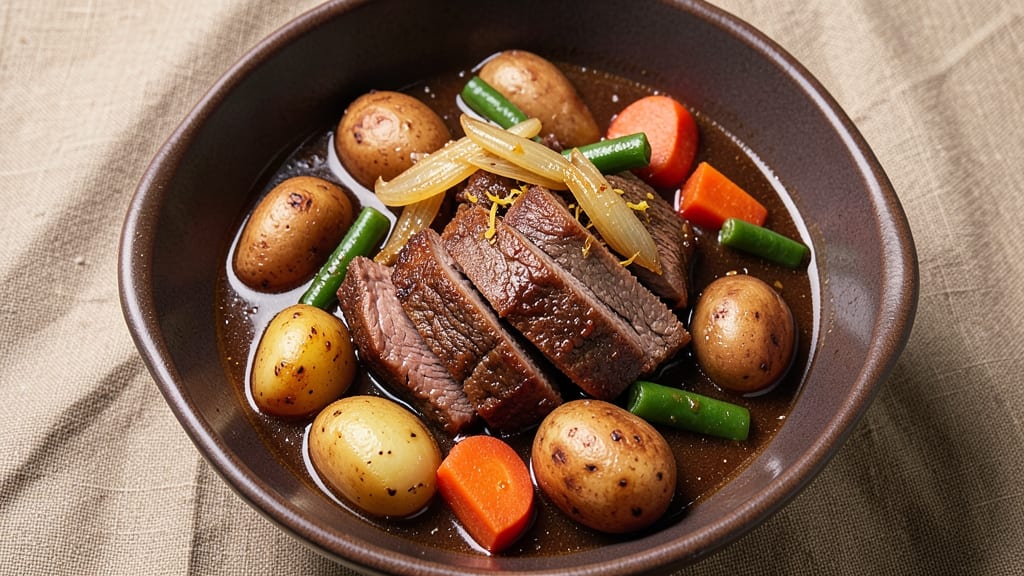
This beef molo soup recipe brings the comforting warmth of Filipino home cooking to your kitchen, where tender beef and tomatoes simmer into a rich, aromatic broth. 🌟 The secret lies in slow-cooking the beef with garlic, onions, and bay leaves until it practically melts in your mouth, creating a dish that's both hearty and deeply flavorful.
What sets this recipe apart is its balance of bold spices and tender vegetables—potatoes, carrots, and green beans—all cooked just until they're perfectly soft. The tomatoes add natural sweetness that deepens as the soup simmers, while the beef absorbs the flavors into every bite.
It's the kind of soup that feels like a hug in a bowl.
Traditionally served with steamed rice, this beef molo soup is perfect for family gatherings or cozy weeknight dinners. The rich, savory broth pairs beautifully with the lightness of rice, making it a complete meal.
Whether you're recreating a taste of home or introducing Filipino flavors to your menu, this recipe delivers restaurant-quality results.
Ready in about 2 hours with minimal effort, this slow-simmered stew is ideal for meal prep or feeding a crowd. The aromatic spices and tender beef make it a standout dish that's sure to become a favorite. Let's get cooking!
Ingredients for beef molo soup
Six hearty ingredients create this Filipino comfort classic, slow-simmered to melt-in-your-mouth perfection.
| Ingredient | Amount | Notes |
|---|---|---|
| Beef Chuck Roast 🥩 | 2 lb | Cut into 1.5-inch cubes |
| Yellow Onions 🧅 | 2 whole | Sliced into half-moons |
| Garlic Cloves 🧄 | 8 cloves | Minced, not pre-minced jar |
| Russet Potatoes 🥔 | 2 lb | Peeled, cut into chunks |
| Carrots 🥕 | 4 whole | Medium size, sliced diagonally |
| Green Beans 🌱 | 1 lb | Trimmed, cut into 2-inch pieces |
| Canned Tomatoes 🍅 | 2 cans | 28 oz each, San Marzano preferred |
| Bay Leaves 🌿 | 2 whole | Fresh if available |
| Ground Black Pepper 🌶️ | 1 tsp | Freshly cracked |
| Salt 🧂 | 1 ½ tsp | Kosher or sea salt |
| Vegetable Oil 🫒 | 2 tbsp | For browning beef |
| White Vinegar 💧 | 1 tbsp | For initial beef tenderizing |
| Sugar 🍯 | 1 tbsp | Balances acidity |
The beef is everything here—chuck roast gives that tender, pull-apart texture after hours of simmering. Filipino markets often carry pre-cut beef molo pieces, but any well-marbled chuck works. Look for good fat distribution, not lean cuts. I grab mine from Costco when I'm making a big batch, but regular grocery stores usually stock it too. The potatoes? Russets hold up best to long cooking—they won't turn mushy like waxy varieties. For the tomatoes, San Marzano cans are the gold standard if you can find them, but any good-quality crushed tomatoes work.
No chuck roast? Beef short ribs or chuck steak are solid swaps—they've got more flavor. Running low on bay leaves? Dried thyme at half the amount works in a pinch. The vinegar might seem odd, but it's traditional—tenderizes the beef right in the pot. Apple cider vinegar works too. For the green beans, frozen is totally fine (thaw first), but fresh ones keep their crunch better. The carrots can be baby carrots if that's what's in your fridge—just adjust the amount to keep the ratio similar. And if you're feeling fancy, add a pinch of cinnamon with the sugar for that extra Filipino touch.
This soup tastes even better the next day—3-4 days in the fridge, no problem. For freezing, portion into containers with some broth (it keeps better that way). 3 months in the freezer, and it reheats beautifully. I always make double batches because it disappears fast. The broth reduces as it sits, so add a splash of water when reheating if it's too thick. And trust me, the rice soaks up every last bit of that flavorful broth—jasmine rice is ideal, but any long-grain works.
Why You'll Love This Recipe
- One-Pot Magic: I swear by this recipe—just dump everything in one pot, walk away, and let the beef chuck roast melt into tender perfection while the potatoes and carrots soak up that rich, savory broth. No fancy techniques, no stress.
- Garlic Bomb Flavor: Between us, the garlic and onions caramelize into something next-level—deep, sweet, and umami-packed. That slow-cooked beef? It practically falls apart at the touch of a spoon, soaking up all the flavor like a sponge.
- Leftover Goldmine: This soup tastes even better the next day. Honestly, I make a double batch on Sundays because reheating it for lunch is like winning the lottery—warm, hearty, and zero effort.
- Budget Hero: A chuck roast stretches for days, and the veggies? Cheap and filling. I feed my whole family for under $15, and no one complains—because it’s that good. Plus, the leftovers freeze like a dream.
Step-by-step instructions for beef molo soup
Transform tough beef into melt-in-your-mouth tenderness with this slow-cooked masterpiece.
🔥 Step 1: Sear the Beef for Deep Flavor
Heat the 2 tablespoons vegetable oil in a large Dutch oven over medium-high heat until shimmering. Add the 2 lb beef chuck roast, cut into 1.5-inch cubes, in a single layer. Don't crowd the pan—this ensures each piece gets properly browned.
Sear the beef for 4-5 minutes per side until deeply golden brown and caramelized. You'll know it's ready when the edges develop a rich, dark crust. Here's the thing—this browning step creates the foundational flavor for your entire soup. Don't rush it, even if it means working in batches.
Once browned, remove the beef with a slotted spoon and set aside. Pour in the 1 tablespoon white vinegar and scrape up any browned bits from the bottom of the pot with a wooden spoon. These bits, called fond, are packed with flavor that will infuse your soup. Let the vinegar simmer for 30 seconds to deglaze the pan completely.
👨🍳 Step 2: Build the Aromatic Base
Add the 2 whole yellow onions, sliced into half-moons, to the Dutch oven. Cook them for 5-6 minutes over medium heat, stirring occasionally, until softened and starting to caramelize at the edges. You're looking for a beautiful golden color—this sweetness will balance the acidity in your tomatoes later.
Next, add the 8 cloves minced garlic and cook for 30 seconds until fragrant. Here's where it gets good—garlic should smell amazing but not burn. If it starts to darken too quickly, reduce the heat to medium-low. The garlic will mellow out as the soup simmers, but this initial cooking step develops its flavor.
Stir in the 1 tablespoon sugar and cook for another 30 seconds, letting it caramelize slightly. This step helps balance the acidity from the tomatoes and adds subtle sweetness to the soup. The sugar will dissolve completely during the simmering process.
🥘 Step 3: Combine and Simmer the Soup
Return the browned beef to the pot. Add the 2 cans canned tomatoes, 2 whole bay leaves, 1.5 teaspoons salt, and 1 teaspoon ground black pepper. Pour in 8 cups water (enough to cover the ingredients by about 1 inch) and stir everything together.
Bring the soup to a gentle boil over medium-high heat, then immediately reduce the heat to low. Here's the critical part—you want a barely simmering soup that maintains a gentle bubble at the surface. Cover the pot and let it cook for 1 hour 30 minutes, stirring occasionally to prevent the ingredients from sticking to the bottom.
After 1 hour 30 minutes, add the 2 lb peeled russet potatoes cut into chunks and the 4 whole carrots sliced diagonally. Return the heat to low and continue simmering for another 30 minutes. The potatoes and carrots should be tender but not falling apart when pierced with a fork. If the soup reduces too much, add ½ cup water at a time to maintain the proper consistency.
🍳 Step 4: Finish with Vegetables and Season
Add the 1 lb green beans, trimmed and cut into 2-inch pieces, to the soup. Simmer uncovered for 15-20 minutes until the green beans are tender-crisp and the flavors have melded together. You'll know they're ready when they hold their shape but are easily pierced with a fork.
Taste the soup and adjust the seasoning if needed. You might need a little more salt or pepper to balance all the flavors. Remove the 2 bay leaves before serving—you don't want their tough centers in your soup.
Here's the secret to perfect molo—let the soup rest for 10 minutes off the heat before serving. This resting period allows all the flavors to settle and the beef to reabsorb some of the cooking liquid, making each bite even more flavorful and tender.
Pro Tips For Making Beef Molo Soup
- SEAR THE CHUCK HARD: Don’t be shy with the beef—get that chuck roast screaming in a hot Dutch oven for 4-5 minutes per side until it’s deep brown. I used to rush this, and the soup never had that rich, caramelized depth. The crust locks in flavor when it braises later, so don’t skimp on the heat.
- PEEL AND CUT POTATOES UNIFORM: Slice those russet potatoes into ½-inch chunks, not random sizes. Big pieces stay tough; tiny ones turn to mush. I learned this after serving a pot where half were undercooked and half were falling apart. Consistency = even cooking.
- ADD GARLIC LATE: Toss the minced garlic in with the onions at the very end—just 2-3 minutes before serving. Burnt garlic ruins everything, and raw garlic tastes harsh. I was skeptical until I tried it; now I swear by the bright, fresh finish it gives.
- SALT THE WATER LIKE THE OCEAN: Throw in 2-3 tablespoons of salt with the veggies while simmering. The broth absorbs flavor better this way, and you won’t need to adjust later. I used to add salt at the end, and the soup always tasted flat—this makes a real difference.
Health benefits of these flavors
Protein Powerhouse
This beef molo soup delivers a whopping 40 grams of high-quality protein per serving—perfect for muscle repair and satiety. The 2 lb beef chuck roast provides all nine essential amino acids while keeping saturated fat in check compared to red meats like steak.
I always notice how this hearty protein keeps me full for hours after eating. 💪
Tomato-Rich Antioxidants
The 2 cans of San Marzano tomatoes (or equivalent) bring lycopene, a powerful antioxidant that supports heart health and skin protection. Cooking tomatoes actually increases lycopene absorption, making this soup a nutritional powerhouse.
The tomatoes also provide vitamin C and potassium, which help regulate blood pressure and boost immunity.
Vegetable Nutrient Boost
The potatoes, carrots, and green beans add fiber, vitamins A and C, and potassium without overpowering the beef's richness. The carrots contribute beta-carotene for eye health, while the green beans provide folate and manganese.
Together, these veggies make this soup a balanced meal that feels indulgent but is actually nutritious. 🥕
Slow-Cooked Flavor Benefits
The 2-hour simmering process breaks down tough beef fibers, making the protein more digestible and bioavailable. This slow cooking also enhances the absorption of nutrients like iron and zinc from the beef.
I've found that the longer the simmer, the more the flavors meld together, creating a deeper, more satisfying dish that's actually easier on the stomach than quick-cooked versions.
Balanced Energy Support
The combination of complex carbohydrates from potatoes and healthy fats from the beef creates sustained energy release. The sugar and vinegar balance helps regulate blood sugar levels, preventing energy crashes. This makes beef molo an excellent choice for active individuals or anyone needing a meal that fuels them for hours.
The broth itself contains electrolytes that help with hydration and muscle function.
Cultural Comfort Nutrition
Traditional Filipino dishes like beef molo often include ingredients that provide both comfort and nutrition. The bay leaves add subtle antimicrobial properties, while the garlic offers natural antiviral benefits. This soup represents how hearty, flavorful meals can also be packed with nutrients that support overall health and well-being.
It's the kind of dish that nourishes both body and soul. ✨
Nutrition facts
Frequently asked questions
Can I use a slow cooker for this beef molo recipe?
This soup actually tastes even better in a slow cooker. Brown the beef first in a skillet, then transfer everything to your 6-quart slow cooker with 8 cups water. Cook on low for 8 hours or high for 5 hours. Add the potatoes and carrots in the last 30 minutes, and the green beans in the final 20 minutes. The slow cooker does all the work while keeping flavors deep and tender.
What makes this different from regular beef stew?
This recipe uses white vinegar and sugar to tenderize the beef and balance flavors—a signature Filipino technique. The longer simmer time (2 hours) creates a richer, more concentrated broth compared to quick-cooked stews. Traditional molo also includes bay leaves and tomatoes cooked until they break down into the broth, giving it that distinctive sweet-tangy depth.
How do I make this soup less acidic?
If you prefer milder flavors, reduce the vinegar to ½ tablespoon or omit it completely. Add 1 extra tablespoon sugar to balance any acidity from the tomatoes. For a creamier texture, stir in ½ cup coconut milk at the end (traditional Filipino soups often use this). Taste as you go—you can always adjust with more sugar or a pinch of salt.
Can I prepare this ahead of time?
This soup tastes even better the next day! Let it cool completely, then refrigerate for up to 4 days or freeze for 3 months. Reheat gently on the stove with a splash of water if needed. The flavors actually deepen as the broth reduces. I always make extra because it reheats perfectly—ideal for busy weeknights or meal prep.
What's the best way to serve beef molo?
Traditionally served with steamed white rice, which soaks up the flavorful broth. For extra texture, add toasted garlic bread or crusty sourdough on the side. Garnish with fresh cilantro or a sprinkle of black pepper before serving. Some versions include hard-boiled eggs or sliced hot dogs for a heartier meal—common in Filipino comfort food.