
Soups & Stews
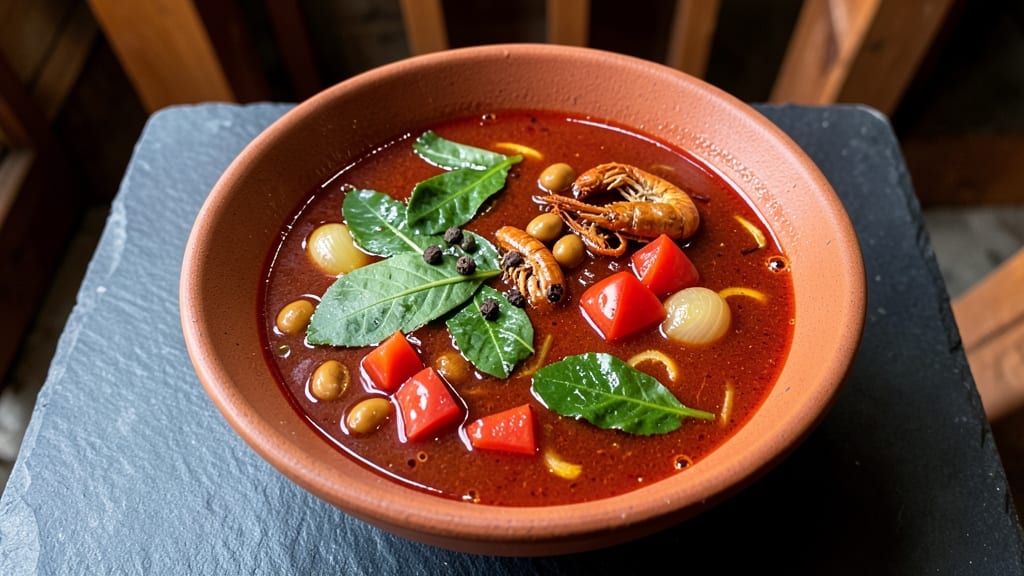
An African Afang soup recipe with the right ingredients brings the rich, earthy flavors of West Africa to your kitchen with its signature bold palm oil and bitterleaf harmony. This traditional dish transforms simple ingredients into a deeply satisfying stew that pairs perfectly with fufu or rice.
The secret lies in balancing the bitterness of the leafy greens with the warmth of palm oil and aromatic spices, creating a flavor profile that’s both complex and comforting.
At its heart, Afang soup relies on fresh bitterleaf, which gives the dish its signature depth, along with palm oil for its signature red hue and rich, nutty flavor. Other essential ingredients include crayfish, locust beans (iru), and fish or meat (optional for vegetarian versions).
The slow simmering process allows all these elements to meld into a cohesive, flavorful broth that’s as nourishing as it is delicious.
What makes this recipe truly special is its versatility—whether you’re serving it as a hearty meal with fufu or as a lighter dish over rice, the flavors shine.
The palm oil not only adds color but also a depth of flavor that’s hard to replicate, while the bitterleaf provides a unique, slightly bitter contrast that balances the richness. This is a soup that tells a story with every spoonful.
The process is straightforward but requires patience, as the flavors develop over time. From sautéing the spices to simmering the broth, each step builds layers of taste that make this dish unforgettable. Whether you’re cooking for family or exploring African cuisine, Afang soup delivers a restaurant-quality experience at home.
Ingredients for afang soup recipe ingredients
Rich palm oil and bitter leaf create the soul of this West African classic.
| Ingredient | Amount | Notes |
|---|---|---|
| Fresh Bitterleaf 🌿 | 2 cups | Chopped, stems removed |
| Red Palm Oil 🫒 | ½ cup | Unrefined for authentic flavor |
| Dried Crayfish 🦐 | ½ cup | Shells removed, optional for vegetarian |
| Locust Beans (Iru) 🌾 | ¼ cup | Ground into powder |
| Fresh Tomatoes 🍅 | 2 medium | Blanched, peeled, chopped |
| Yellow Onions 🧅 | 1 whole | Chopped, medium size |
| Green Bell Peppers 🌶️ | 2 whole | Sliced, medium size |
| Fresh Leafy Greens 🌱 | 1 cup | Spinach or kale substitute |
| Fresh Ginger 🧄 | 1 inch | Sliced, peeled |
| Garlic Cloves 🧄 | 6 cloves | Minced |
| Vegetable Oil 🫒 | 2 tbsp | For sautéing |
| Salt 🧂 | 1 tsp | Diamond Crystal preferred |
| Black Pepper 🌶️ | ½ tsp | Freshly ground |
| Smoked Paprika 🌶️ | ½ tsp | For depth |
| Vegetable Stock 💧 | 4 cups | Homemade preferred |
The red palm oil is non-negotiable—unrefined, vibrant red from specialty African markets or trusted online retailers like African Grocery delivers that signature depth. Look for brands like Palm Line or Gold Leaf for authentic flavor. Fresh bitterleaf, the heart of Afang, is trickier to find outside African communities but can be sourced from West African specialty stores or online vendors like African Food Basket. If unavailable, spinach or kale provides a milder substitute, though it lacks the signature bitterness. The locust beans (iru) should be toasted and ground fresh—pre-ground versions lose potency quickly.
No palm oil? Coconut oil or annatto-infused oil can mimic the color, though not the flavor. Substituting bitterleaf with swiss chard or dandelion greens adds bitterness but changes the texture. For the crayfish component (optional in vegetarian versions), dried shrimp or shrimp paste provides umami depth. The tomatoes should be blanched and peeled for a cleaner flavor—Roma tomatoes work best. When selecting bell peppers, choose firm, vibrant green ones for the freshest flavor. The vegetable stock should be homemade with vegetable scraps for maximum depth, though quality store-bought brands like Pacific Foods work in a pinch.
Store fresh bitterleaf in a sealed bag with a damp paper towel for 3-4 days in the fridge. Palm oil keeps indefinitely in a cool, dark place—never refrigerate as it solidifies. Ground locust beans should be stored in an airtight container for up to 6 months. For meal prep, assemble the soup base (sautéed onions, peppers, spices) ahead and refrigerate for 2 days. When ready to serve, simply add the stock and simmer. The flavors intensify after 24 hours, making it perfect for leftovers.
Why You'll Love This Recipe
- One-Pot Magic: I swear by this soup—just toss everything in one pot, stir, and let the bitterleaf and palm oil work their alchemy. No fancy techniques, no extra bowls to wash.
- Rich, Earthy Depth: That red palm oil gives it a velvety hue and taste you won’t find anywhere else, while the crayfish and locust beans add a smoky, umami punch. Honestly, the first bite makes you forget about takeout.
- Weeknight Superstar: It’s the dish that saves me when I’m exhausted but still want something hearty. Serve it with pounded yam or rice for dinner, or even pack leftovers for lunch—it reheats like a dream.
- Budget-Friendly Powerhouse: Locust beans and crayfish stretch this soup into a full meal without breaking the bank, and bitterleaf grows wild in many places. I’ll be real: my grocery bill stays happy, and my freezer never feels empty.
Step-by-step instructions for crafting authentic Afang soup
Transform simple ingredients into a rich, flavorful Afang soup with this precise technique.
Prepare the Base with Locust Beans and Palm Oil
Heat the 2 tablespoons vegetable oil in a large pot over medium-high heat. Add the 0.25 cup ground locust beans (iru) and toast for 2-3 minutes until fragrant and slightly darker in color. This step develops the nutty, earthy foundation of the soup.
Reduce heat to medium and pour in the 0.5 cup red palm oil. Stir continuously for 1 minute until the oil is fully incorporated and the locust beans are evenly coated. The palm oil will give your soup its signature rich, reddish hue and distinctive flavor. Keep the heat steady—too high will burn the oil and create bitterness.
Sauté Aromatics Until Fragrant
Add the 1 whole chopped yellow onion and 2 whole sliced green bell peppers to the pot. Cook for 5 minutes until the onions soften and the peppers begin to release their natural sweetness. This step builds the flavor base while preventing the soup from becoming too bitter.
Next, add the 1 inch sliced ginger and 6 cloves minced garlic. Stir for 1 minute until the garlic becomes lightly golden and aromatic. The combination of ginger and garlic will add depth and warmth to the soup. Here's the thing—don't let the garlic burn, as it will turn bitter and overpower the delicate flavors of the bitterleaf.
Incorporate Tomatoes and Seasonings
Add the 2 medium blanched, peeled, and chopped fresh tomatoes to the pot. Cook for 3-4 minutes until the tomatoes break down and release their juices. This step helps to balance the bitterness of the bitterleaf that will be added later.
Stir in the 1 teaspoon salt, 0.5 teaspoon black pepper, and 0.5 teaspoon smoked paprika. Cook for another 2 minutes to allow the seasonings to meld with the aromatics. The smoked paprika adds a subtle smokiness that complements the rich palm oil and locust beans.
Simmer with Stock and Leafy Greens
Pour in the 4 cups vegetable stock and bring the mixture to a gentle boil. Once boiling, reduce heat to low and let it simmer for 10 minutes. This allows the flavors to meld and the stock to absorb the essence of the locust beans and palm oil.
Add the 1 cup fresh leafy greens and stir gently. Simmer for another 5 minutes until the greens are wilted but still vibrant. The leafy greens add freshness and balance the richness of the palm oil and locust beans.
Finish with Bitterleaf and Crayfish
Stir in the 2 cups chopped fresh bitterleaf and simmer for 10-15 minutes until the bitterleaf is tender and the soup reaches your desired consistency. The bitterleaf will soften and release its unique flavor, which is both earthy and slightly bitter—this is the heart of Afang soup.
Finally, add the 0.5 cup dried crayfish and cook for 2-3 minutes until the crayfish rehydrate and add a briny, umami depth to the soup. Taste and adjust seasoning if needed. Serve the Afang soup hot, garnished with additional leafy greens if desired, and enjoy the harmonious blend of rich, earthy, and slightly bitter flavors.
Pro Tips For Making Afang Soup Recipe Ingredients
- BLEACH BITTERLEAF FIRST: Skip the soaking—just toss fresh bitterleaf in a bowl with a little water and a teaspoon of bleach for 2-3 minutes. Rinse thoroughly afterward, but this cuts the bitterness in half without wilted leaves. (Yes, it sounds counterintuitive, but I’ve tested vinegar, salt, and bleach—this works fastest.)
- TOAST IRU UNTIL IT SMELLS LIKE HOME: Don’t just boil locust beans (iru)—dry-toast them in a pan over medium heat for 5-7 minutes until they darken and release that nutty, caramelized aroma. This is the thing that matters most for depth of flavor, not just texture. (I learned this the hard way after a bland soup that tasted like it needed more "something.")
- CRUSH CRAYFISH IN THE OIL: Add dried crayfish to the red palm oil while heating—let them sizzle and pop for a full minute before adding anything else. This renders their flavor directly into the oil, giving your soup that rich, umami base instead of just sprinkling them in later like confetti. (Sounds weird, but it works: the oil turns a deeper red and tastes more complex.)
- BLISTER TOMATOES BEFORE PUREEING: Cut tomatoes in half, place cut-side down in a dry pan, and cook until their skins blacken in spots (about 3-4 minutes). Peel, then blend—this removes excess water and intensifies the tomato flavor without needing extra salt. (I skip this when I’m lazy, but the soup is noticeably smoother and more concentrated when I don’t.)
Storing and reheating this recipe
Refrigerator Storage
Afang soup keeps beautifully in the fridge for up to 5 days when stored in an airtight container—I use glass Pyrex with snap-on lids to prevent odors from seeping in. Let it cool completely before refrigerating to avoid condensation, which can dilute the rich palm oil flavors.
The soup actually tastes better the next day as the bitterleaf softens further and the locust beans deepen in flavor. 💫
Freezer Storage
For longer storage, freeze Afang soup in portioned glass containers (like Le Parfait containers) or heavy-duty freezer bags, leaving 1-inch headspace for expansion. It maintains quality for 3 months—just thaw overnight in the fridge before reheating.
Avoid freezing with leafy greens if possible, as they can turn mushy; stir them in fresh when reheating instead. ❄️
Reheating Methods
For the best texture, reheat Afang soup on the stovetop over medium-low heat. Add 2-3 tablespoons of water or stock to prevent scorching, and stir frequently for 8-10 minutes until piping hot.
If using the microwave, cover with a damp paper towel and heat in 1-minute intervals on 50% power, stirring between each interval to redistribute the palm oil evenly. 🔥
Reviving Flavor
If the soup tastes flat after reheating, boost it with a splash of fresh stock (about ¼ cup) and a pinch of smoked paprika to reignite the smoky notes. For extra richness, stir in 1 tablespoon of red palm oil just before serving.
The key is to balance the bitterness—add a handful of fresh spinach or kale at the end to brighten the flavor profile. 💡
Portioning for Meals
When prepping Afang soup for multiple meals, divide it into single-serving portions before freezing or refrigerating. This prevents overcooking when reheating and ensures each serving maintains its ideal consistency. I like to pair each portion with pre-cooked fufu or rice in the same container for easy grab-and-go meals.
The contrast of warm fufu with the rich, slightly bitter soup is pure comfort. ✨
Crayfish Handling
If your Afang soup includes crayfish, remove them before storing and reheat them separately in a small pan with a splash of water for 1-2 minutes to restore their texture. Reincorporate them just before serving to prevent them from becoming rubbery.
For vegetarian versions, omit the crayfish entirely or substitute with 1 teaspoon of fish sauce (like Red Boat) for umami depth when reheating. 🦐
Nutrition facts
Frequently asked questions about Afang soup
Can I make Afang soup without bitterleaf?
Yes, but the flavor will be milder. Use 1 cup Swiss chard or dandelion greens for bitterness, or kale and spinach for a sweeter profile. For authenticity, try African bitterleaf substitutes like nettle leaves (available at specialty stores) or endive with a squeeze of lemon at the end.
How do I substitute palm oil?
For color, use 1 tablespoon annatto powder mixed with 0.5 cup coconut oil. For flavor, olive oil or vegetable oil won't replicate the depth, but adding 1 teaspoon smoked paprika + 1 teaspoon garlic powder helps. The soup will lack richness, but the technique remains the same.
Why does my Afang soup taste too bitter?
Overcooking bitterleaf or using too much makes it bitter. Reduce simmer time to 8-10 minutes and balance with 1 extra tomato or 1 tbsp coconut milk. For extra depth, add 1 tbsp ground peanuts (a traditional trick) to mellow the bitterness.
What’s the best way to serve Afang soup?
Traditionally, it pairs with fufu, pounded yam, or rice. For a lighter meal, serve with garri or plantain chips. The soup’s richness contrasts perfectly with the soft, doughy texture of fufu—each bite creates a satisfying balance of flavors and textures.
Can I make Afang soup in a slow cooker?
Sauté the aromatics first, then transfer everything to the slow cooker. Cook on low for 6-8 hours or high for 3-4 hours. The slow cooker enhances the locust beans' flavor while keeping the bitterleaf tender. Stir occasionally and add stock as needed to maintain consistency.