
Soups & Stews
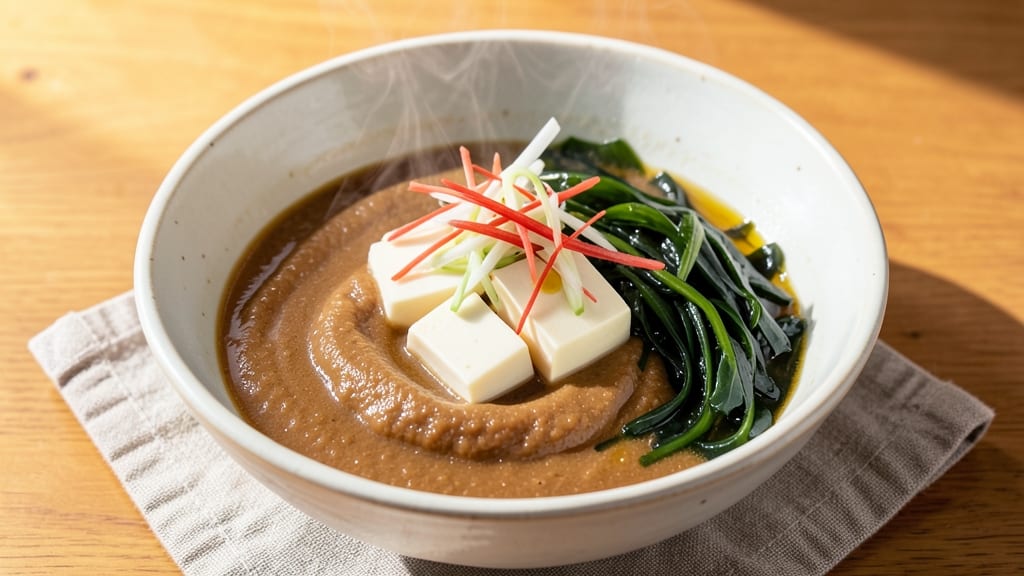
This vegan miso soup recipe aka miso soup recipe delivers the comforting, umami-rich warmth that makes it a Japanese breakfast staple—ready in just 15 minutes. The secret lies in balancing fermented miso paste with a light kombu broth, creating a silky, savory base that’s both simple and deeply satisfying.
Unlike instant versions, this recipe builds flavor layer by layer, starting with properly hydrated kombu and a touch of seaweed for depth.
What sets this apart is the attention to texture and balance—soft tofu, delicate scallions, and optional wakame seaweed add dimension without overpowering the miso’s natural richness. White miso yields a milder, sweeter profile, while red miso brings bold, earthy notes.
The broth simmers just long enough to extract umami without bitterness, ensuring every spoonful is perfectly harmonized.
The result is a bowl that’s light yet deeply flavorful, with a velvety broth that clings to every ingredient. Garnish with a drizzle of sesame oil and a sprinkle of toasted sesame seeds for an extra layer of nuttiness that elevates the dish.
This is the kind of soup that warms you from the inside out—ideal for chilly mornings or as a comforting side.
Whether you’re preparing it for a traditional Japanese breakfast or a quick weeknight meal, this recipe adapts effortlessly. The key is patience in the broth-building phase, which pays off in a depth of flavor you won’t find in store-bought versions. Let’s get started!
Ingredients for aka miso soup
Japanese pantry staples transform into a velvety, umami-rich miso soup in minutes.
| Ingredient | Amount | Notes |
|---|---|---|
| White Miso Paste 🧂 | 2 tbsp | High-quality, fermented white miso |
| Dried Kombu Seaweed 🍃 | 1 piece | 4x6-inch sheet, rinsed |
| Silken Tofu 🥬 | 8 oz | Soft, unpressed block |
| Scallions 🧅 | 3 whole | Thinly sliced, white and green parts |
| Wakame Seaweed 🍄 | ½ oz | Dried, rehydrated per package |
| Sesame Oil 🫒 | 1 tbsp | Toasted, for garnish |
| Toasted Sesame Seeds 🌾 | 1 tsp | For garnish |
| Red Miso Paste 🧂 | 1 tbsp | Optional, for deeper flavor |
| Fresh Ginger 🧅 | 1 tsp | Finely grated |
| Diamond Crystal Kosher Salt 🧂 | ¼ tsp | For seasoning |
| Filtered Water 💧 | 4 cups | For broth |
| Rice Vinegar 🍶 | 1 tsp | Balances flavors |
The miso paste is non-negotiable here—Honten or San-Ichi brands deliver the most authentic, complex flavor. Look for white miso (shiro miso) for a milder profile, or red miso (aka miso) for deeper, earthier notes. Kombu is your umami powerhouse: buy it dried from Asian markets or well-stocked grocery stores like Whole Foods. Rinse it well before using to remove any grit. For the tofu, silken is essential—it dissolves into the broth for a creamy texture. If you can't find it fresh, aseptic-packed silken tofu works perfectly.
No kombu? Dulse flakes at half the amount add a similar depth, though the texture won't be identical. Substituting miso? Soy sauce at 1 tbsp per 1 tbsp miso mimics saltiness, but you'll lose that fermented complexity. Wakame is optional but recommended—if unavailable, nori flakes (from the back of sushi packets) provide a similar oceanic note. The sesame oil should be toasted, not refined—Kadoya or La Tourangelle are reliable brands. For a quicker version, skip the ginger and use 1/4 tsp ground ginger, but fresh is always better.
Kombu and miso paste keep for 1 year in a cool, dark place—once opened, refrigerate miso in an airtight container. Silken tofu lasts 5 days refrigerated, but use it within 3 days for best texture. Prep the wakame ahead by rehydrating it in cold water for 5 minutes—drain well before adding. Store sesame oil in the fridge after opening to preserve its flavor. This soup tastes even better the next day as flavors meld, so double the batch if possible—it reheats beautifully.
Why You'll Love This Recipe
- Five-Ingredient Magic: I swear, this is the kind of recipe where you glance at the pantry and think, "I can do this blindfolded." Just miso, kombu, tofu, scallions, and wakame—no measuring cups, no fancy techniques, just simmer and savor.
- Umami Bomb: That first sip? Chef’s kiss. The white miso paste melts into a rich, salty-sweet broth while the kombu and wakame infuse it with deep, oceanic flavor—like a hug in a bowl. (Yes, even my picky husband asks for seconds.)
- Meal Prep MVP: Between us, this is my secret weapon for lazy Sundays and chaotic weeknights. Make a big batch—it reheats perfectly, keeps for days, and turns into a full meal when I toss in leftover rice or noodles. (Pro tip: The tofu gets even creamier the next day.)
- Budget Bright Spot: Wakame and kombu might sound fancy, but they stretch a single bag into dozens of servings. A spoonful of miso goes a long way, and silken tofu is cheaper than you’d think. Honestly, it’s one of those recipes where the ingredient list looks short but feeds a crowd without breaking the bank.
Step-by-step instructions for aka miso soup
Aka miso soup delivers deep umami flavor with minimal effort—this method ensures perfect balance every time.
Prepare the Kombu Broth
Place the rinsed 1 piece dried kombu seaweed in a medium saucepan and add the 4 cups filtered water. Bring to a gentle simmer over medium-low heat—never a rolling boil, as this can make the broth bitter. You'll see delicate bubbles forming at the surface and hear a faint sizzling sound.
Simmer uncovered for 5 minutes until you notice a subtle oceanic aroma rising from the kombu. This indicates the seaweed has infused its mineral-rich essence into the water. Remove the kombu immediately after—it's done contributing once the water reaches this point. Discard the seaweed or save it for compost.
Add Tofu and Aromatics
Return the heat to medium and add the 8 oz silken tofu (cut into ½-inch cubes) and 1 tsp finely grated fresh ginger. Gently stir once to distribute the tofu evenly—silken tofu is delicate and should never be broken up. Let the mixture simmer for 2 minutes until the ginger releases its bright, citrusy aroma.
Add the 3 whole scallions (thinly sliced) and 0.5 oz rehydrated wakame seaweed (squeezed to remove excess water). The wakame will rehydrate almost instantly, adding a tender, slightly sweet texture. Keep the heat at medium-low—you're not trying to cook these ingredients, just infuse their flavors into the broth.
Incorporate Miso and Season
Reduce heat to low and stir in the 2 tbsp white miso paste using a wooden spoon. I always dissolve miso in a small amount of the hot broth first to prevent clumping—this ensures a smooth, velvety texture. For deeper flavor, add the 1 tbsp red miso paste at this stage and stir until fully incorporated.
Season with 0.25 tsp Diamond Crystal kosher salt and 1 tsp rice vinegar. The vinegar brightens the soup's profile, cutting through the richness of the miso. Taste and adjust—you want the flavors to be balanced but still vibrant. The soup should taste complex, not flat or overly salty.
Finish and Garnish
Remove from heat and let the soup sit for 2 minutes—this resting period allows the flavors to meld completely. The tofu will absorb some of the broth, creating a more cohesive texture. Skim off any foam that rises to the surface with a spoon.
Ladle into bowls and drizzle each serving with 1 tbsp toasted sesame oil and sprinkle with 1 tsp toasted sesame seeds. The sesame oil adds a nutty depth, while the seeds provide both visual appeal and a satisfying crunch. Serve immediately while the broth is still steaming hot.
Pro Tips For Making Aka Miso Soup
- SOAK THE KOMBU FIRST: Dried kombu releases its umami punch when steeped in cold water for 10–15 minutes before boiling—skip this, and your broth will taste flat. I used to toss it in hot water and wonder why the soup lacked depth.
- STIR THE MISO LAST: Add white miso paste only after the kombu and wakame have simmered for 5 minutes—heat kills its probiotics and makes it bitter. A quick whisk in at the end keeps it vibrant and alive.
- CUT TOFU AT THE END: Silken tofu turns to mush if you slice it too early. Keep it whole until the very last minute, then add it to warm (not boiling) soup so it stays creamy and holds its shape.
- USE FRESH SCALLIONS, NOT DRY: Chop scallions just before serving—wilting them in the hot broth dulls their sharpness. A handful of raw, bright green tops at the end adds the real zing this soup needs.
Best sauces and condiments for this recipe
Sesame Oil Magic
Drizzle toasted sesame oil just before serving to unlock a nutty depth that transforms your miso soup. I recommend Kadoya or La Tourangelle brands—their rich, toasted profiles elevate the dish instantly.
Use 1 tablespoon per bowl, letting it pool slightly on the surface. The oil’s aroma will waft through the steam, adding complexity. 🌟
Umami Boosters
For an extra layer of savory richness, stir in 1 teaspoon soy sauce (like Kikkoman) when adding the miso paste. This works especially well with red miso for a deeper, more complex flavor.
Alternatively, add ½ teaspoon fish sauce (if not strictly vegan) for a traditional Japanese touch—just a drop enhances the broth’s depth.
Brightening Acids
Balance the soup’s earthiness with 1 teaspoon rice vinegar or ½ teaspoon lemon juice. The acidity brightens the miso’s natural sweetness and cuts through any heaviness.
I prefer rice vinegar for authenticity, but apple cider vinegar works in a pinch. Add it just before serving to preserve its freshness. ✨
Herbaceous Garnishes
Fresh herbs add vibrant contrast to the creamy broth. Try 1 tablespoon chopped cilantro or 1 teaspoon minced chives for a fresh, slightly peppery note. For a more traditional touch, use 1 teaspoon finely chopped shiso leaves (if available)—they add a delicate minty flavor that pairs beautifully with miso. 💚
Spicy Kick
Add heat with ½ teaspoon chili crisp (like Lao Gan Ma) or ¼ teaspoon red pepper flakes stirred into the broth. For a smoother heat, blend ½ teaspoon gochujang (Korean chili paste) with 1 teaspoon water and swirl it into the soup.
This adds a subtle sweetness alongside the spice, balancing the flavors perfectly.
Crunchy Textures
For added texture, top each bowl with 1 teaspoon toasted black sesame seeds or ½ teaspoon crushed peanuts. The contrast between the creamy broth and crunchy garnish makes every spoonful exciting. I love using peanuts for a slightly sweet, nutty crunch that complements the miso’s depth. 🥜
Nutrition facts
Frequently asked questions
What's the difference between white and red miso in this soup?
White miso creates a milder, sweeter broth perfect for beginners, while red miso delivers bold, earthy depth. For this recipe, we use both (2 tbsp white + 1 tbsp red) to balance complexity. Red miso has a longer fermentation time, giving it that intense umami punch that pairs beautifully with tofu and seaweed.
Can I make this soup without kombu?
Yes, but the flavor will be less authentic. Use ½ tsp dulse flakes or ¼ tsp nori flakes instead—both add oceanic notes. For a vegetarian option, ½ cup shiitake mushroom broth works well, though kombu's mineral-rich essence is irreplaceable for that signature umami. The broth will taste more like mushrooms than seaweed.
Why does my miso soup taste bitter?
Over-simmering kombu or boiling miso paste releases bitterness. Always remove kombu immediately after 5 minutes of simmering, and dissolve miso in a small amount of hot broth first. For extra balance, add ½ tsp sugar or 1 tsp rice vinegar—both counteract bitterness while enhancing sweetness.
How long can I store leftovers?
Store in an airtight container in the fridge for 3-4 days. The flavors actually improve overnight as ingredients meld! Reheat gently on low heat, stirring occasionally. For best texture, add a splash of water if the broth thickens too much. The tofu may firm up slightly but remains delicious.
Can I use instant miso soup packets as a shortcut?
While convenient, packets lack the depth of homemade miso. For a quick version, use 1 packet (like Honten) as a base, then add 1 tbsp extra miso paste and simmer with kombu for 3 minutes. This boosts umami significantly. The texture will be closer to homemade, though still not identical to the layered flavors in this recipe.