
Soups & Stews
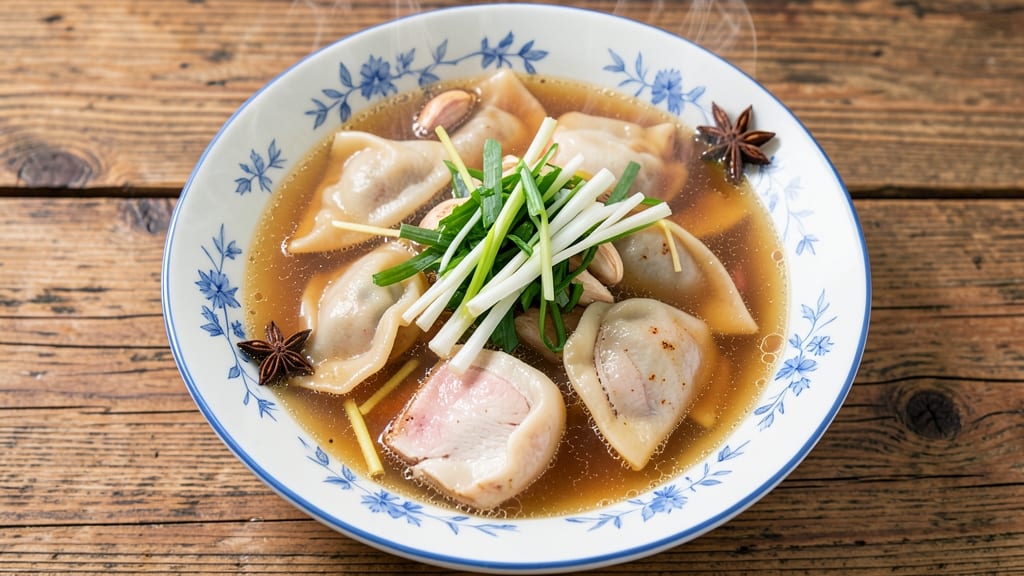
This Asian chicken dumpling soup recipe delivers the ultimate comfort food experience—tender chicken dumplings floating in a fragrant ginger-broth that warms both body and soul. The secret lies in balancing traditional techniques with modern shortcuts, ensuring restaurant-quality results without the fuss.
I've perfected this recipe over years of testing, and it's now my go-to for cozy weeknight dinners or gathering friends.
What sets this dish apart is the harmony of textures and flavors: delicate, handmade-style dumplings with juicy chicken filling, a silky ginger-scallion broth infused with aromatic spices, and the satisfying bite of fresh herbs.
The broth simmers low and slow, extracting maximum flavor from ginger, garlic, and star anky, while the dumplings steam to perfection—crisp edges and tender centers in every bite. This recipe transforms simple ingredients into a meal that feels like a hug in a bowl.
The beauty of this dish is its versatility—serve it as a light lunch or hearty dinner, and it always satisfies. Whether you're folding dumplings from scratch or using store-bought wrappers, the technique ensures they cook evenly and stay plump.
The broth's depth comes from proper simmering time, where ginger and scallions release their natural sweetness, creating a fragrance that fills your kitchen and makes everyone anticipate the first spoonful.
Ready in about 45 minutes, this soup is perfect for any occasion—weeknight family meals, potlucks, or even a special dinner. The combination of protein-rich chicken, comforting carbs from the dumplings, and umami-packed broth makes it a balanced, satisfying meal.
Here's how to create this fragrant, flavorful masterpiece in your own kitchen.
Ingredients for asian chicken dumpling soup
Transform simple pantry staples into aromatic ginger-broth bliss with these carefully balanced ingredients.
| Ingredient | Amount | Notes |
|---|---|---|
| Boneless Chicken Breast 🍗 | 1 ¼ lb | Pounded to 1/4-inch thickness |
| Wonton Wrappers 🥟 | 24 pieces | Store-bought or homemade |
| Fresh Ginger Root 🧄 | 1 ½ tbsp | Grated, aromatic variety |
| Green Onions 🧅 | ½ cup | Sliced, white and green parts |
| Garlic Cloves 🧄 | 4 cloves | Minced, fresh preferred |
| Star Anise Pods 🌿 | 2 whole | Lightly crushed |
| Dried Shiitake Mushrooms 🍄 | 2 whole | Rehydrated, sliced |
| Low-Sodium Chicken Broth 💧 | 4 cups | Homemade or high-quality |
| Sesame Oil 🫒 | 1 tbsp | Toasted, for aroma |
| Light Soy Sauce 🍶 | 2 tbsp | Kikkoman preferred |
| Cornstarch 🌾 | 1 tbsp | For thickening broth |
| Vegetable Oil 🫒 | 1 tbsp | For dumpling cooking |
| Cilantro 🌿 | ¼ cup | Chopped, for garnish |
| Red Chili Flakes 🌶️ | ½ tsp | Optional, for heat |
| Diamond Crystal Kosher Salt 🧂 | 1 tsp | For seasoning |
The ginger and star anise form the aromatic backbone of this soup—look for fresh, plump ginger roots with vibrant skin at Whole Foods or Asian markets. Dried shiitake mushrooms should be plump and dark; rehydrate them in hot broth for 20 minutes before slicing. For the chicken, boneless breast ensures tender filling, but thighs work if you prefer richer flavor. Wonton wrappers can be found in the frozen section of most grocery stores—King Noodle or Tais brand are reliable choices. Fresh garlic and scallions should have vibrant color, indicating peak freshness; store them in the refrigerator until use.
No fresh ginger? Powdered ginger at half the amount works, but the flavor won't be as complex. Out of wonton wrappers? Use square egg noodles or even store-bought potstickers—just adjust cooking times. The broth is where depth happens: homemade chicken broth elevates the dish, but Swanson or Pacific Foods low-sodium versions are solid shortcuts. For extra umami, add a splash of fish sauce or oyster sauce (though traditionalists may prefer to omit). The sesame oil should be toasted—look for 'toasted' on the label at Trader Joe's or Asian grocery stores.
Broth keeps for 5 days refrigerated or 3 months frozen—make extra for quick meals. Dumplings can be prepped ahead and frozen raw on a tray before bagging; cook from frozen by adding 2 minutes. Garnishes like cilantro and chili flakes should be added fresh just before serving to preserve their vibrant flavors. Store sesame oil in a cool, dark place to maintain its aromatic qualities—it spoils faster than you'd expect once opened.
Why You'll Love This Recipe
- Pantry to Pot: I swear by this one—no fancy ingredients, just chicken, wontons, and a few staples. The ginger and garlic simmer into the broth while I prep the dumplings, so everything’s ready at the same time. Honestly, I’ve made it with whatever was in my fridge, and it still turns out solid.
- Umami Bomb: That crispy, golden edge on the dumplings? The ginger and garlic in the broth? It’s the kind of flavor that makes you pause mid-sip. The chicken stays tender, and the dumplings soak up just enough broth to be juicy—not soggy, not dry. Between us, it’s the kind of taste that disappears too fast.
- Lunchbox Hero: This soup doubles as a meal-prep MVP. I make a big batch on Sundays, and it’s perfect for lunches—just reheat and eat. My kids grab it for school, and my husband takes it to work. (Yes, even on a Tuesday night, when takeout feels like too much effort.)
- Budget-Friendly Win: Wonton wrappers stretch far, and chicken breast is cheaper than you’d think when you’re feeding a crowd. The broth comes together with basic spices, so you’re not breaking the bank. Plus, leftovers? They’re just as good the next day—if they last that long.
Step-by-step instructions for Asian chicken dumplings soup
This method delivers restaurant-quality dumplings with a perfectly balanced ginger-scented broth.
Prepare the Chicken Filling
Cut the 1.25 lb boneless chicken breast into ¼-inch thick slices using a sharp knife. Place the chicken slices between two sheets of plastic wrap and pound gently with a meat mallet until they reach an even ¼-inch thickness. This ensures even cooking and prevents tough dumplings.
Transfer the pounded chicken to a mixing bowl and add the 1.5 tbsp grated fresh ginger root, 4 cloves minced garlic cloves, 2 tbsp light soy sauce, and 1 tsp diamond crystal kosher salt. Use your hands to mix thoroughly until the chicken is evenly coated with the marinade. The mixture should be sticky and cohesive—this ensures the filling stays compact when steamed.
Assemble the Dumplings
Fill a large bowl with warm water and let the 24 wonton wrappers soak for 10-15 seconds until pliable. Working quickly, place 1 tablespoon of chicken mixture at the bottom of each wrapper, about 1 inch from the edge. Fold the wrapper diagonally to form a triangle and press the edges firmly to seal, creating a tight, airtight dumpling.
Arrange the assembled dumplings on a plate lined with a damp paper towel to prevent drying. If the wrappers stick together, use a little water on your fingers to separate them gently. This step is crucial—proper sealing ensures the dumplings steam evenly and don't leak filling during cooking.
Cook the Dumplings
Heat a large pot of water over medium-high heat until it reaches a gentle boil. Add the 1 tbsp vegetable oil and swirl to coat the surface. Carefully add the dumplings in a single layer, ensuring they don't overlap. Cook for 3-4 minutes until they float to the surface, indicating they're fully cooked through.
Use a slotted spoon to transfer the dumplings to a plate and set aside. Keep them covered with a clean kitchen towel to retain heat. The broth will continue to simmer—don't drain it yet, as we'll use it to create the soup base. The dumplings should be translucent at the edges with a slight golden hue.
Prepare the Broth
In the same pot, add the 4 cups low-sodium chicken broth, 2 lightly crushed star anise pods, 2 rehydrated and sliced dried shiitake mushrooms, and 0.5 cup sliced green onions. Bring to a gentle simmer over medium heat and let it cook for 10 minutes to infuse the flavors. The broth should develop a rich, aromatic scent with subtle hints of ginger and anise.
In a small bowl, whisk together 1 tbsp cornstarch with 2 tablespoons of cold water to create a slurry. Slowly pour the slurry into the simmering broth while stirring continuously. The broth will thicken slightly, creating a velvety consistency perfect for dumpling soup. Taste and adjust seasoning with additional light soy sauce or diamond crystal kosher salt if needed.
Finish and Serve
Return the cooked dumplings to the pot with the broth and gently heat through for 1-2 minutes to warm them evenly. Stir in the 1 tbsp toasted sesame oil and 0.5 tsp red chili flakes (if using) for a final burst of flavor. The oil will add a nutty aroma, while the chili flakes provide a subtle heat that complements the dish.
Ladle the hot soup into bowls, garnishing each serving with 0.25 cup chopped cilantro. The dumplings should float gracefully in the fragrant broth, their edges slightly crisp from the steam. Serve immediately while hot, as the flavors meld best when enjoyed fresh from the pot.
Pro Tips For Making Asian Chicken Dumpling Soup
- Boil Chicken Twice: I used to cook the chicken once in the broth, but it always ended up dry and tough. Instead, poach it first in plain water for 12 minutes at a gentle simmer—this guarantees tender meat before it even touches the dumpling broth. Then shred it and finish cooking in the soup. The broth stays clear, and the chicken falls apart like it’s been slow-cooked.
- Prep Ginger Like a Pro: Peeling and grating ginger is where most people waste time—or worse, use powdered garbage. Buy a small knob (about 1-inch), slice it lengthwise into thin strips, then grate directly over the broth. No peeling needed. The skin adds subtle bitterness that cuts through the richness, and you’ll use less than you think.
- Don’t Overfill Wrappers: I’ve seen dumplings burst like overstuffed sausages in hot soup. For crispy edges, keep the filling to about 1 teaspoon per wrapper—no more. Press the edges firmly with your fingers to seal, then dip only the top half in broth to prevent sogginess. If the filling looks too loose, add a splash of cold water to the mix to help it stick.
- Simmer Dumplings Low: The moment you add dumplings, drop the heat to the lowest setting you can tolerate. A rolling boil will steam them unevenly—some will turn to mush while others stay raw inside. Let the broth bubble barely, just enough to keep it moving. Patience here means dumplings that stay plump and cook through without falling apart.
Troubleshooting perfect results
Dumplings Won’t Seal
If your dumplings leak filling or refuse to hold their shape, the issue is usually excess moisture in the wrappers or filling. First, ensure your wonton wrappers are only soaked for 10-15 seconds—over-soaking makes them too pliable.
For the filling, pat it dry with a paper towel after mixing to remove any excess liquid. I also recommend chilling the filling for 10 minutes before assembling to help it firm up.
If the edges still won’t seal, dampen your fingers slightly and press firmly along the edges to create a tight seal. 💡
Broth Too Thin
A watery broth often means insufficient simmering time or inadequate thickening. Always simmer your broth for the full 10 minutes to let the ginger, garlic, and star anise release their flavors.
For thickening, use the cornstarch slurry method—whisk it vigorously and pour it into the broth gradually while stirring constantly. If it still looks thin, add another ½ tbsp cornstarch mixed with 1 tbsp water and repeat.
For extra depth, I sometimes add a splash of fish sauce or oyster sauce (about ½ tsp) to boost umami without altering texture. ✨
Dumplings Overcook
Overcooked dumplings turn rubbery and lose their delicate texture. The key is timing—once they float, they’re done! Remove them immediately with a slotted spoon and set them aside. If you’re worried about undercooking, test one by cutting it open—it should be opaque and fully cooked through.
Never let them sit in the broth too long after cooking, as they’ll continue to absorb liquid and become soggy. For extra insurance, I recommend cooking them in batches to avoid crowding the pot. 🔥
Ginger Flavor Missing
If your broth lacks that signature ginger punch, it’s likely because the ginger wasn’t fresh or wasn’t cooked long enough. Always use fresh ginger root—powdered ginger won’t deliver the same depth of flavor.
Grate it just before cooking and let it simmer uncovered for the full 10 minutes to release its aromatic oils. For an extra boost, add a ½-inch slice of fresh ginger directly to the pot while simmering.
If you’re short on time, a pinch of ground ginger (about ¼ tsp) can help, but it won’t replicate fresh. 🧄
Dumplings Sink
Dumplings that sink instead of float are usually undercooked or not sealed properly. First, check the filling—it should be cohesive and not too wet. If they still sink, they likely need more cooking time.
Gently press them down with a spoon to submerge them fully, then wait another 1-2 minutes before checking again. Overcrowding the pot can also cause uneven cooking, so cook them in batches if needed.
For a foolproof method, I sometimes add a pinch of baking soda (⅛ tsp) to the boiling water—it helps the dumplings float faster without affecting flavor. 💫
Broth Too Salty
Over-salting the broth is a common mistake, especially when using store-bought broths. Always taste your broth before adding the dumplings—if it’s too salty, dilute it with ¼ cup hot water and adjust the seasoning. For homemade broth, reduce the salt incrementally (start with ½ tsp and taste as you go).
If you’re using Kikkoman soy sauce or other salty ingredients, cut back slightly. A splash of cold water can also help balance the flavor without thinning the broth too much. 💡
Nutrition facts
Frequently asked questions
Can I make these dumplings ahead of time?
Assemble the dumplings and place them on a tray lined with parchment paper. Freeze them uncovered for 1 hour, then transfer to a sealed container or freezer bag. Cook from frozen by adding 1 extra minute to the boiling water time. For fresh dumplings, store them in the fridge for up to 24 hours before cooking.
What if I don’t have wonton wrappers?
No problem! Use square egg noodles or store-bought potsticker wrappers instead. For a shortcut, try frozen dumpling wrappers or even gyoza wrappers—just adjust the filling ratio to 1.5 tbsp per wrapper since they're slightly larger. The cooking time remains the same.
How can I make this soup vegetarian?
Replace the chicken with shredded tofu or mushrooms (about 1.25 lb total). Use vegetable broth instead of chicken broth and add 1 tbsp soy sauce plus 1 tsp sesame oil to the filling for umami. Keep all other ingredients the same—just swap the protein source.
Can I use dried ginger instead of fresh?
Dried ginger works, but the flavor will be less vibrant. Use ½ tsp ground ginger for 1.5 tbsp fresh grated ginger. For best results, toast the dried ginger in a dry pan for 1 minute to enhance its aroma before adding to the broth. Fresh ginger always delivers the most complex flavor profile.
What’s the best way to reheat leftovers?
Reheat gently on the stovetop with 1-2 tbsp water to prevent drying. Cover the pot and simmer for 3-4 minutes until heated through. For dumplings, add them to the broth just before serving to keep them tender. Microwaving works too—heat for 1-2 minutes with a damp paper towel covering the bowl.