
Soups & Stews
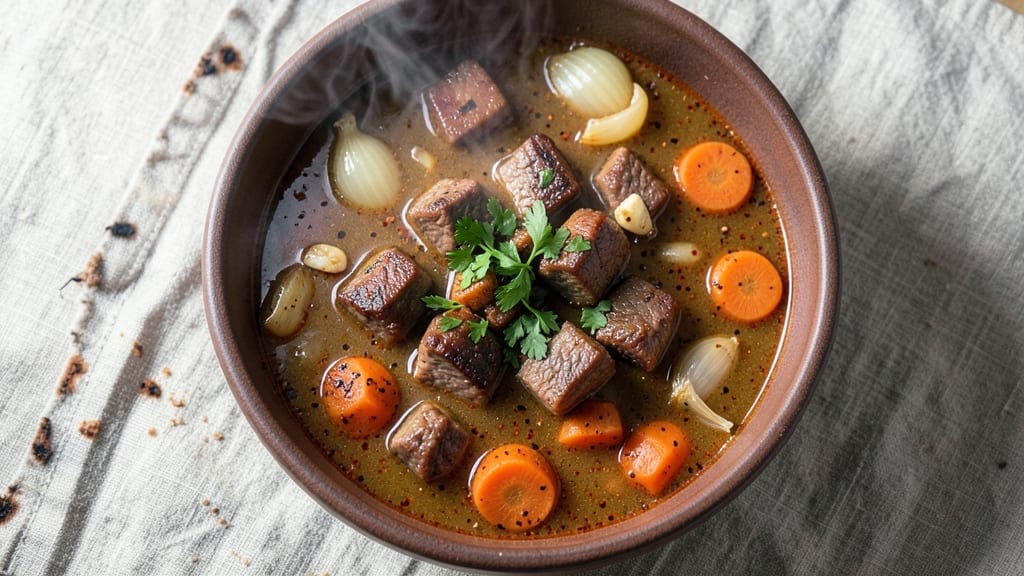
Austrian goulash soup delivers the kind of hearty, aromatic comfort that turns chilly evenings into cozy traditions. This recipe stays true to its roots while adapting for modern kitchens, where paprika-kissed meat and tender vegetables create a rich broth that simmers for hours.
The secret lies in proper browning and slow cooking—techniques that transform tough cuts into melt-in-your-mouth tenderness.
What makes this goulash special is its balance of earthy spices and deep, savory flavors. You’ll start with beef chuck, caramelized onions, and a blend of sweet and hot paprika that builds complexity as it simmers.
The vegetables—carrots, potatoes, and bell peppers—absorb the rich broth, creating a dish that’s both nourishing and deeply satisfying.
By the time you serve it, you’ll have a steaming bowl of perfectly seasoned goulash with a velvety texture and layers of flavor that linger. The aroma alone will have everyone gathering at the table, while the first spoonful delivers the warmth and comfort of a classic Austrian meal.
This is the kind of soup that transforms simple ingredients into something extraordinary.
Serve it with crusty bread to soak up every last drop of that flavorful broth. The recipe scales easily for gatherings, and leftovers taste even better the next day. Let’s get cooking—this goulash is worth the wait.
Ingredients for austrian goulash soup
Paprika, beef chuck, and caramelized onions form the aromatic soul of this classic goulash.
| Ingredient | Amount | Notes |
|---|---|---|
| Beef Chuck Roast 🥩 | 2 lb | Cut into 1-inch cubes |
| Yellow Onions 🧅 | 3 whole | Thinly sliced, about 3 cups |
| Sweet Paprika 🌶️ | 2 tbsp | For initial browning |
| Hot Paprika 🌶️ | 1 tbsp | For depth of flavor |
| Garlic Cloves 🧄 | 4 cloves | Minced, for aromatic base |
| Carrots 🥕 | 2 cups | Sliced into 1/4-inch rounds |
| Russet Potatoes 🥔 | 2 lb | Peeled, cut into 1-inch cubes |
| Red Bell Peppers 🌶️ | 2 whole | Diced, about 1 cup |
| Tomato Paste 🍅 | ½ cup | For rich, concentrated flavor |
| Beef Broth 💧 | 4 cups | Low-sodium preferred |
| Bay Leaves 🍃 | 2 whole | For subtle herbal note |
| Allspice Berries 🌿 | ½ tsp | Crushed, optional but traditional |
| Salt 🧂 | 1 ½ tsp | Kosher or sea salt |
| Black Pepper 🌶️ | ½ tsp | Freshly ground preferred |
| Extra-Virgin Olive Oil 🫒 | 2 tbsp | For searing meat |
The beef chuck is non-negotiable—look for well-marbled cuts at Costco or your local butcher. If pre-cubed isn't available, grab a whole roast and ask them to cut it for you. Sweet and hot paprika are both essential: Penzeys or Hungarian brands have the best blends. The onions? Yellow, not red—they caramelize better. I always double-check the beef broth label for sodium—low-sodium versions let you control the seasoning better. For the allspice, spice markets or bulk bins have the freshest berries, but pre-ground works in a pinch.
No sweet paprika? Smoked paprika plus a pinch of sugar mimics the sweetness. Hot paprika missing? Cayenne at half the amount adds heat. The tomato paste can be the squeeze-tube kind from Trader Joe's—it's perfect for this. Bell peppers get tricky if you're short on time: jarred roasted peppers (drained) work in a bind, but fresh is always better. The carrots? Baby carrots are fine, but whole carrots sliced evenly break down more predictably. And if you're feeling fancy, add a splash of red wine when deglazing—it adds depth without overpowering.
This soup tastes even better the next day—make extra. Store in airtight containers for 4-5 days in the fridge or freeze portions for up to 3 months. I like to portion it into individual containers so I can grab a bowl straight from the freezer. The broth reduces as it sits, so add a splash of water or broth when reheating if it gets too thick. And trust me, the first bowl is always the best—save the last one for when you're craving comfort.
Why You'll Love This Recipe
- One-Pot Magic: I swear by this recipe because it’s literally one pot—chop onions, brown beef, add spices, simmer. No extra pans, no stress. That beef chuck roast? It practically melts into tender, rich chunks while you sip your coffee.
- Paprika Powerhouse: The combo of sweet and hot paprika is where this soup gets its soul—smoky, slightly sweet, with just enough kick. Honestly, I’ll often double the hot paprika if I’m feeling bold, and it never disappoints. The garlic? Crushed fresh, not minced—because nothing beats that punchy aroma.
- Leftover Love: This soup tastes better the next day, which is perfect because it’s cheap to make and stretches across lunches. I’ll freeze half of it too—just reheat with a splash of water, and it’s like you made it fresh. My kids (and wallet) thank me every time.
- Weeknight Win: Between us, this is my go-to when I’m exhausted but still need a hearty meal. Toss in some egg noodles or crusty bread, and suddenly you’ve got dinner. Not the prettiest, but the taste makes up for it—and that’s what matters.
Step-by-step instructions for Austrian goulash soup
Here's the method that delivers deep, smoky flavors and tender meat every time.
Sear the Beef Chuck Roast for Rich Flavor
Heat the 2 tablespoons extra-virgin olive oil in a large Dutch oven or heavy pot over medium-high heat. Once shimmering, add the 2 lb beef chuck roast cut into 1-inch cubes, working in batches if needed. This prevents overcrowding, which steams instead of sears the meat.
Let the beef brown undisturbed for 3-4 minutes per side until deeply golden. You'll see those beautiful crusty edges form—that's where all the flavor lives. If the pan gets too crowded, transfer some pieces to a plate and finish the rest. Once all the beef is browned, remove it from the pot and set aside.
Build the Aromatic Base with Onions and Paprika
In the same pot, add the 3 whole yellow onions sliced thinly. Cook them over medium heat for 5-6 minutes, stirring occasionally, until softened and just beginning to caramelize at the edges. This step develops the sweetness that balances the paprika's heat.
Next, add the 2 tablespoons sweet paprika and 1 tablespoon hot paprika, stirring constantly for 1 minute until the spices bloom and release their aromatic oils. You'll see the mixture darken slightly—that's exactly what you want. Here's where the magic happens: the paprika infuses into the onions, creating that signature goulash depth.
Add Garlic, Vegetables, and Tomato Paste
Reduce the heat to medium-low and add the 4 cloves minced garlic, stirring for 30 seconds until fragrant. Then add the 2 cups sliced carrots, 2 lb cubed russet potatoes, 2 whole diced red bell peppers, and 0.5 cup tomato paste. Stir everything together, letting the tomato paste caramelize slightly for 2 minutes—this builds even more flavor.
Pour in the 4 cups beef broth, add the 2 whole bay leaves, and bring to a gentle simmer. Sprinkle in the 0.5 teaspoon crushed allspice berries, 1.5 teaspoons salt, and 0.5 teaspoon black pepper. The allspice adds a warm, slightly peppery note that's traditional in Austrian goulash.
Simmer Until Meat is Fork-Tender
Return the browned beef to the pot and stir gently to combine. Bring the mixture to a gentle boil, then reduce heat to low and cover partially. Let it simmer for 2 to 2.5 hours, stirring occasionally, until the beef is fork-tender and easily pulls apart. You'll know it's done when the meat separates with minimal resistance and the vegetables are completely tender.
Here's the thing—don't rush this step. The longer the beef simmers, the more flavorful it becomes. If the soup gets too thick, add a splash of water or broth to maintain the right consistency. The potatoes should be soft enough to mash slightly with a fork when pierced.
Adjust Seasoning and Serve Warm
Once the beef is tender, taste the soup and adjust seasoning if needed. You might need a bit more salt or pepper, depending on your broth. Remove the bay leaves before serving, as they can be bitter if eaten.
Ladle the goulash into bowls and serve immediately with crusty bread or over egg noodles. The soup should be rich, hearty, and packed with tender beef and vegetables. Each bite delivers layers of paprika warmth, meaty depth, and comforting vegetable sweetness—exactly what makes this Austrian classic so satisfying.
Pro Tips For Making Austrian Goulash Soup
- SEAR THE CHUCK ROAST: After browning the onions and garlic, pull the pot off heat for 2 minutes—just long enough to pat the beef chuck dry with paper towels. Then sear it in batches over medium-high heat until deep brown on all sides. I learned this the hard way: skipping the dry step means uneven browning, and that dulls the paprika’s rich flavor later. Trust me, the crust makes the difference.
- SWEAT ONIONS LOW AND SLOW: Don’t rush the onions—cook them on medium-low for 10-12 minutes until they’re translucent and just starting to caramelize. If you crank the heat, they’ll burn before the sweetness develops, and your goulash will taste flat. Add a splash of water or broth if they stick; it’s not a failure, it’s part of the process.
- BLOOM THE PAPRIKA: When you add the paprika (both sweet and hot), cook it with the onions for 30 seconds before adding anything else. This blooms the flavors and prevents the soup from tasting like dust. I was skeptical until I tried it—now it’s non-negotiable.
- SKIP THE CROWDED POT: If your pot is overflowing with liquid, let the soup simmer uncovered for the first 20 minutes. Crowding traps steam and turns the beef tough. After that, you can cover it, but start with space—your chuck roast deserves room to tenderize properly. (Yes, even if you’re impatient like me.)
Regional styles of this austrian goulash soup
Hungarian-Inspired Paprika Depth
The Hungarian influence on Austrian goulash is undeniable, and the paprika is where the magic starts. Hungarians traditionally use a blend of sweet and hot paprika—like Penzeys Hungarian Sweet Paprika and Penzeys Hungarian Hot Paprika—to create that signature smoky-sweet aroma.
I like to toast the paprika in the onions for 1 full minute to let the flavors bloom before adding liquids. This step is crucial; it’s what turns a simple stew into a flavor bomb. 🔥
Transylvanian Twist
In Transylvania, where the Hungarian and Austrian borders blend, you’ll find a version with sour cream swirls and a touch of crumbled bacon on top. I add 4 oz crumbled thick-cut bacon during the last 15 minutes of simmering for that salty crunch.
For the sour cream, I hold it back until serving—2 tablespoons per bowl—to keep it velvety and not curdle in the hot soup.
Carpathian Mountain Style
High-altitude cooking in the Carpathians means slower cooking and more wood-smoked flavors. If you’re using a smoker or cast-iron Dutch oven, add 1 smoked paprika and a wooden spoonful of apple cider vinegar during the simmer.
This mimics the smoky notes of traditional mountain cooking. The vinegar brightens the richness, balancing the deep beef and paprika flavors. ⚡
Viennese Classic
Austrian goulash in Vienna often includes egg noodles or dumplings as a side or even mixed into the soup. I serve it with 1 cup of egg noodles per bowl, cooked al dente and tossed with a little butter.
For extra richness, I top it with a dollop of crème fraîche instead of sour cream—it’s tangier and creamier, perfect for cutting through the paprika’s heat.
Bavarian Heartiness
In Bavaria, where hearty stews are a staple, goulash gets a beer twist. I substitute 2 cups of dark lager (like Paulaner Dark) for half the beef broth. The beer adds depth and helps tenderize the meat even faster.
For a final touch, I garnish with fresh parsley and a sprinkle of caraway seeds—a nod to Bavarian flavors that pairs surprisingly well with the paprika.
Nutrition facts
Frequently asked questions
What makes Austrian goulash different from Hungarian goulash?
Austrian goulash tends to be soupier with more vegetables and a lighter broth compared to Hungary's thicker, stew-like version. The Austrian recipe often includes potatoes and bell peppers for heartiness, while Hungarian goulash sometimes uses more paprika and less liquid. Both rely on beef chuck and slow cooking, but the Austrian version has a more comforting, broth-based texture.
Can I use ground beef instead of chuck roast?
While you can substitute, chuck roast is ideal because its fat content and connective tissue create rich, tender meat when slow-cooked. Ground beef will work in a pinch but won't develop the same depth of flavor. If using ground beef, brown it thoroughly and add 1 tablespoon tomato paste to compensate for the lack of natural juices.
How do I fix goulash that's too thick or too thin?
For thick goulash, stir in 1/2 cup beef broth or water while simmering. If it's too thin, remove the lid and simmer uncovered for 10-15 minutes to reduce the liquid. For extra richness, mash some potatoes against the pot sides to thicken naturally. Always taste as you go—seasoning may need adjustment after adding liquid.
Can I make this soup in an Instant Pot?
Yes! Sear the beef first, then add all ingredients except broth. Cook on high pressure for 30 minutes, then release pressure naturally. Add broth and simmer for 10 minutes on sauté mode. The Instant Pot cuts cooking time but may need extra seasoning since flavors develop differently. For best results, use 1/2 cup less broth than the recipe calls for.
What's the best way to reheat leftovers?
Reheat gently on the stove over low heat with 1/4 cup water or broth to prevent drying. Never microwave directly from the fridge—this can make the potatoes mushy. For extra flavor, stir in a pinch of paprika and a splash of vinegar while reheating. Leftovers taste even better the next day as flavors meld further.