
Soups & Stews
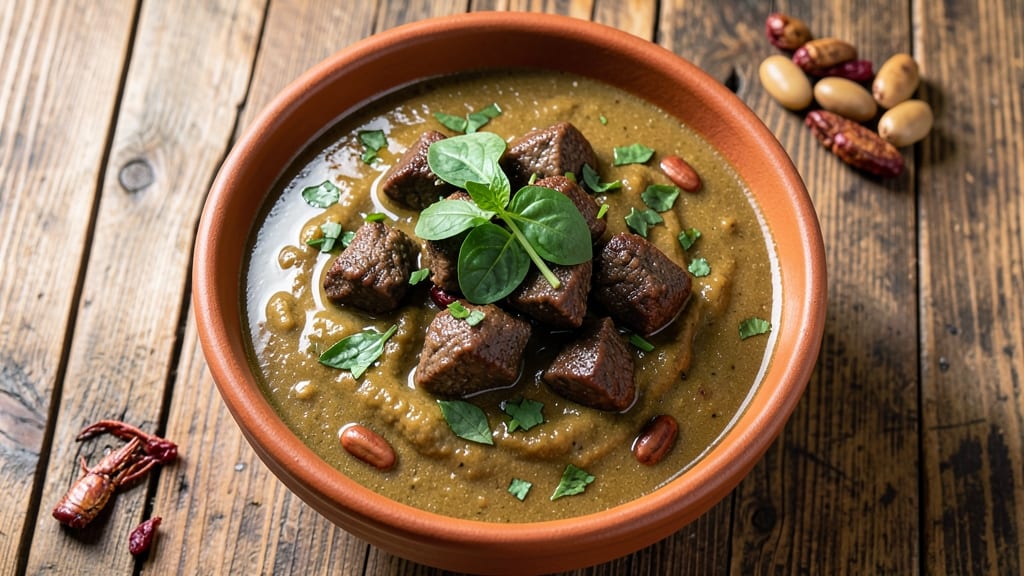
This authentic egusi soup recipe brings the rich, nutty flavors of West Africa to your kitchen, blending traditional techniques with modern convenience. 🌟 I've spent years perfecting this dish, learning from my grandmother's methods while adapting them for today's busy home cooks.
The secret lies in slow-cooking the egusi paste with tender meat or fish, creating a soup that's deeply flavorful and satisfying.
The heart of this recipe is the egusi paste, made from ground melon seeds, which gives the soup its signature nutty depth. We'll blend it with fresh leafy greens and aromatic spices like locust beans and crayfish for that authentic taste.
This version includes both traditional meat preparation and a quicker method for weeknight cooking, ensuring you can enjoy this classic dish without spending all day in the kitchen.
What makes this egusi soup truly special is how it comes together—rich, hearty, and full of complex flavors that balance earthy, nutty, and slightly spicy notes.
The slow simmering process transforms tough cuts of meat into tender, flavorful pieces that melt in your mouth, while the greens add freshness and texture. This soup pairs perfectly with pounded yam, fufu, or even rice, making it a complete meal.
Whether you're cooking for a family gathering or a simple weeknight dinner, this recipe delivers restaurant-quality results with a touch of home. The presentation is just as important as the taste—garnished with utazi leaves and a sprinkle of crayfish, it's a dish that will impress even the most discerning guests.
Let's get started on creating this West African classic in your own kitchen.
Ingredients for authentic egusi soup
The nutty, earthy heart of West African cooking starts with these essential ingredients.
| Ingredient | Amount | Notes |
|---|---|---|
| Egusi Paste 🌰 | 1 ½ cups | Store-bought or homemade |
| Ground Beef 🥩 | 1 ½ lb | Lean or regular, cut into small pieces |
| Fresh Spinach 🌿 | 2 cups | Chopped, packed |
| Locust Beans (Iru) 🌱 | ½ cup | Fermented, rinsed and chopped |
| Fresh Utazi Leaves 🌿 | ½ cup | Chopped, optional but traditional |
| Dried Crayfish 🦐 | ¼ cup | Ground or whole, rinsed |
| Fresh Red Bell Pepper 🌶️ | 1 whole | Chopped, any color |
| Fresh Onion 🧅 | 2 whole | Chopped, medium size |
| Fresh Tomatoes 🍅 | 3 whole | Chopped, medium size |
| Fresh Ginger 🌿 | 1 ½ tbsp | Grated, fresh for best flavor |
| Garlic Cloves 🧄 | 6 cloves | Minced, fresh preferred |
| Vegetable Oil 🫒 | ½ cup | For cooking, any neutral oil |
| Salt 🧂 | 1 ½ tsp | Adjust to taste |
| Ground Black Pepper 🌶️ | ½ tsp | Freshly ground preferred |
| Scotch Bonnet Pepper 🔥 | 1 whole | Adjust for heat preference |
Egusi paste is the soul of this soup—look for it in African markets or online. The brand matters: African & Caribbean Foods or Nigerian specialty stores have the best quality. If you can't find it, homemade from melon seeds works too, but store-bought saves time. For the meat, ground beef or goat meat are traditional—beef is easier to find in most grocery stores. The locust beans (iru) should be fermented and rinsed well before chopping, or you'll get a bitter taste. Utazi leaves add that signature umami kick—frozen works if fresh aren't available, but thaw and rinse them first.
No locust beans? Dried shrimp or extra crayfish can bridge the gap. Short on crayfish? Shrimp or extra ground black pepper adds depth. The scotch bonnet is non-negotiable for heat—use gloves when handling! No fresh ginger? Ground ginger at half the amount works in a pinch, but fresh is worth it. The tomatoes can be canned San Marzano if fresh aren't in season—just drain well. For the greens, spinach or pumpkin leaves work alongside utazi. The key is balance: taste as you go—this soup builds flavor as it simmers.
Store the egusi paste in a cool, dry place for up to 6 months—once opened, keep it in the fridge. The crayfish and locust beans last 6-12 months unopened. For leftovers, this soup actually tastes better the next day—reheat gently on low heat with a splash of water. I always make a double batch—half for dinner, half for lunches. The flavors meld beautifully overnight, making it perfect for meal prep. Freeze portions in airtight containers for up to 3 months—just thaw in the fridge overnight.
Why You'll Love This Recipe
- No Chopping Chaos: I swear by this recipe because the egusi paste does most of the work—just toast it in oil, add water, and stir. The spinach wilts in minutes, and the utazi leaves? You don’t even need to wash them thoroughly—just rough-chop and toss in.
- Umami Bomb: Between the ground beef’s savory depth and the iru’s nutty crunch, every spoonful feels like a hug. The utazi leaves add that signature tang that makes it taste like home—no fancy seasoning needed.
- Weeknight Workhorse: This soup doubles as dinner for four or a hearty lunch for two. I’ve served it at family gatherings, potlucks, and even lazy Sundays because it’s always a crowd-pleaser. (Yes, even when my kids complain about "vegetables.")
- Leftovers That Shine: The flavor actually improves the next day—honestly. The locust beans soften just enough to blend into the broth, and the egusi paste thickens into a velvety texture. Reheat with a splash of water, and it’s like making it fresh. Budget win? Absolutely.
Step-by-step instructions for authentic egusi soup
Here's how to build this soulful West African classic layer by layer.
🍳 Step 1: Sauté the Aromatic Base
Heat the 0.5 cup vegetable oil in a large pot over medium heat. Add the 2 chopped whole fresh onions and cook for 5-6 minutes until they turn translucent and begin to caramelize slightly at the edges—this builds deep flavor.
Add the 6 minced garlic cloves and 1.5 tbsp grated fresh ginger and cook for another 2 minutes until fragrant. Here's the thing—don't rush this step. The ginger should sizzle and release its aromatic oils before moving forward. If it starts to brown too quickly, reduce heat slightly.
🍳 Step 2: Cook the Protein and Vegetables
Add the 1.5 lb ground beef to the pot and cook for 8-10 minutes, breaking it up with a wooden spoon until it loses its raw color and becomes browned. You'll notice the beef releases juices—this is normal and adds richness to the soup.
Stir in the 0.5 cup chopped locust beans (iru), 0.25 cup dried crayfish, 1 chopped whole fresh red bell pepper, and 3 chopped whole fresh tomatoes. Cook for another 5-7 minutes until the tomatoes break down and the mixture becomes thick and paste-like. This is the flavor foundation—don't skip this cooking time or your soup will taste raw.
🥘 Step 3: Add the Egusi Paste and Simmer
Reduce the heat to low and gradually whisk in the 1.5 cups egusi paste using a ladle or whisk. Start with a small amount and keep whisking constantly to prevent lumps—this is crucial for that smooth, nutty texture. Once fully incorporated, add 4 cups of water (not included in ingredients as it's variable) and stir well.
Bring the soup to a gentle boil, then reduce heat to medium-low and let it simmer uncovered for 20-25 minutes. You'll see a thick, creamy foam rise to the top—this is normal. Stir occasionally to prevent sticking, but don't over-stir as it can break the delicate texture. The soup should thicken noticeably during this time.
🥘 Step 4: Incorporate the Leafy Greens and Season
Add the 2 cups chopped fresh spinach and 0.5 cup chopped fresh utazi leaves (if using) to the simmering soup. Stir gently and let it cook for 5-7 minutes until the spinach wilts completely. The utazi leaves, if used, will add a distinctive tangy flavor—this is where the soup gets its authentic character.
Add the 1 whole scotch bonnet pepper (remove seeds if you prefer less heat), 1.5 tsp salt, and 0.5 tsp ground black pepper. Taste and adjust the seasoning—egusi soup should be rich, nutty, and slightly tangy with a balance of saltiness. If it needs more depth, you can add a splash of palm oil or extra crayfish at this stage.
⏰ Step 5: Finish and Serve
Let the soup rest off the heat for 5 minutes to allow the flavors to meld together. This resting period is often overlooked but makes a big difference in the final taste. The soup should have a thick, almost porridge-like consistency with a smooth texture.
Serve immediately with pounded yam, fufu, or swallow to soak up that rich, nutty goodness. The soup should be warm through and through, with each spoonful delivering layers of earthy egusi, tender beef, and fresh leafy greens. For extra authenticity, garnish with extra crayfish or utazi leaves if desired.
Pro Tips For Making Authentic Egusi Soup
- Bloom the Egusi: Start your soup with a splash of hot water and a pinch of salt—just enough to cover the paste—then let it sit for 5 minutes before adding broth. I used to rush this, and the soup always tasted gritty. This step softens the seeds and releases their flavor properly.
- Sear the Beef Properly: Break the ground beef into small, even pieces and cook them over medium-high heat until they’re actually browned, not just warmed through. Raw-tasting beef in egusi soup is a giveaway you didn’t push this step. Use a wooden spoon to break it up while it cooks—no lumps.
- Soak Iru Correctly: Skip the long soak—just cover dried locust beans (iru) in hot water for 10 minutes, then drain and rinse. Over-soaking turns them mushy and bitter. My grandmother’s trick: Add them to the soup after the meat is cooked, so they absorb flavor without falling apart.
- Chop Utazi Fine: Utazi leaves should be finely chopped—think rice grains, not salad pieces—so they blend into the soup rather than float as leafy clumps. Use a sharp knife and work in batches if needed. I learned this the hard way when my first batch looked like a salad soup.
Common mistakes when making this dish
Overcooking the Egusi
I’ve made this mistake more times than I’d admit—letting the egusi paste simmer too long turns it bitter and grainy. The paste should cook just until it thickens (20-25 minutes total), not until it’s dry or separates.
Once it starts to pull away from the sides of the pot, it’s done. If you see a thick foam forming, that’s normal, but if the soup looks curdled or smells burnt, you’ve gone too far. 🔥
Skipping the Aromatic Base
Rushing the onion, garlic, and ginger step is a big no-no. These ingredients form the flavor foundation—caramelizing the onions for 5-6 minutes and cooking the garlic-ginger until fragrant (not burnt) is non-negotiable.
I’ve seen people add the egusi paste too soon, and the result? A bland, one-dimensional soup. Take your time here—it’s worth it.
Using Low-Quality Ingredients
The egusi paste and crayfish are where authenticity lives. Cheap, old, or poorly stored paste will make your soup taste flat and dusty. Always buy fresh egusi from trusted sources like African specialty stores or reputable brands like African & Caribbean Foods.
The same goes for crayfish—dried ones should be plump and smell oceanic, not fishy or stale. Fresh locust beans (iru) are a game-changer too; never use powdered substitutes.
Ignoring the Resting Time
Letting the soup rest for 5 minutes off the heat might seem trivial, but it’s how the flavors marry. Skipping this step means serving a soup that’s still “cooking” in your bowl—raw notes of egusi or greens will linger.
I’ve tasted soups where the cook rushed this, and the result was a mouthful of separate flavors instead of harmony. Patience pays off here.
Overcrowding the Pot
Adding all the greens at once or using a pot that’s too small causes the soup to steam instead of simmer. This dilutes flavors and makes the egusi paste watery. Use a 6-quart pot minimum for this recipe, and add greens in batches if needed.
The soup should bubble gently, not boil furiously. If it’s too crowded, the utazi and spinach won’t wilt properly, leaving your soup with a mushy texture.
Underseasoning the Soup
Egusi soup needs balance—nutty, tangy, salty, and slightly spicy. I’ve seen people hold back on salt or crayfish, thinking “more is too much,” but this soup demands bold seasoning. Taste as you go: the crayfish should add umami, the scotch bonnet heat, and the salt should tie it all together.
If it tastes flat, don’t hesitate to add more crayfish or a pinch of salt. Trust me, it won’t be overseasoned—it’ll be right.
Nutrition facts
Frequently asked questions
What's the best way to store leftover egusi soup?
Store in an airtight container in the fridge for up to 3 days. The flavors actually improve overnight! For longer storage, freeze portions in airtight containers for up to 3 months. Always thaw in the fridge overnight before reheating gently on low heat with a splash of water.
Can I make this soup vegetarian?
Replace the beef with mushrooms or smoked tofu for umami depth. Use vegetable stock instead of meat stock and add extra crayfish or locust beans to compensate for the lack of meaty flavor. The nutty egusi will still shine through beautifully.
Why does my egusi soup taste bitter?
Overcooking the egusi paste is the #1 cause of bitterness. Simmer for only 20-25 minutes—any longer and the paste turns grainy. Another culprit? Old or low-quality egusi paste. Always buy fresh from trusted sources like African specialty stores and store it properly in a cool, dry place.
What's the secret to getting that perfect creamy texture?
Slow simmering is key! Whisk the egusi paste gradually into the hot liquid to prevent lumps, and never boil vigorously after adding it. The 20-25 minute simmer time allows the paste to thicken naturally. For extra creaminess, stir in a spoonful of palm oil at the end—it's traditional and delicious!
Can I substitute utazi leaves?
Yes! If you can't find utazi, use pumpkin leaves or bitter leaf for that signature tangy flavor. Spinach works too, but it won't have the same depth. For a non-African option, try kale or collard greens—just add them later in the cooking process so they don't overcook and turn mushy.