
Soups & Stews
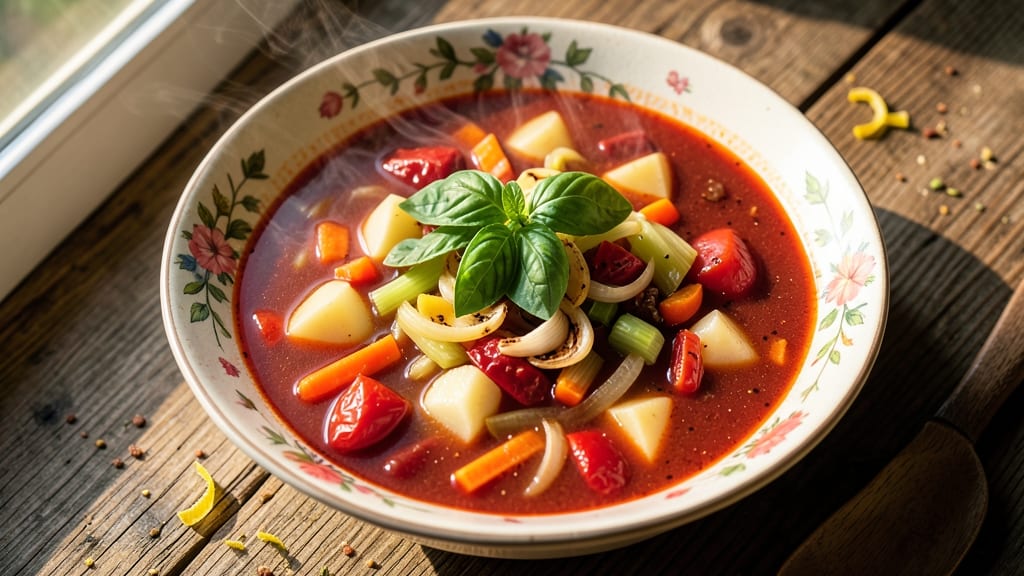
This award-winning minestrone soup recipe transforms a simple one-pot meal into a flavorful masterpiece that consistently earns top honors. 🌟 The secret lies in slow-cooked tomatoes and a carefully balanced broth that builds depth over time, creating a soup that's hearty yet refined enough for any table.
What sets this version apart is the technique: vegetables are sautéed until caramelized, beans are simmered until tender, and pasta is added just at the end to maintain its bite.
The result is a soup with layers of texture—creamy beans, al dente pasta, and tender vegetables—all bound together by a rich, aromatic broth.
Every spoonful delivers a perfect harmony of flavors, from the earthy notes of mushrooms to the bright acidity of tomatoes. The presentation is equally impressive, with optional garnishes like fresh basil or grated parmesan adding a touch of elegance without sacrificing the rustic charm.
Whether you're serving a family dinner or competing in a soup-off, this recipe delivers restaurant-quality results with minimal effort. The adaptability makes it perfect for any dietary preference, ensuring everyone at the table can enjoy it.
Ingredients for award winning minestrone soup
Sixteen ingredients elevate this classic minestrone to award-winning status—each playing a precise role.
| Ingredient | Amount | Notes |
|---|---|---|
| Canned San Marzano Tomatoes 🍅 | 2 cans | 28 oz each, crushed by hand |
| Vegetable Broth 💧 | 4 cups | Low-sodium preferred, homemade ideal |
| Carrots 🥕 | 4 medium | peeled, sliced into 1/4-inch rounds |
| Celery Stalks 🧅 | 4 whole | trimmed, sliced into 1/4-inch pieces |
| Yellow Onion 🧅 | 1 large | diced, yellow or white preferred |
| Garlic Cloves 🧄 | 4 cloves | minced, fresh preferred |
| Canned White Beans 🌱 | 1 ½ cups | cannellini or great northern, drained |
| Canned Kidney Beans 🌱 | 1 cup | drained, rinsed thoroughly |
| Mushrooms 🍄 | 8 oz | cremini or white, sliced |
| Zucchini 🥒 | 2 medium | sliced into 1/4-inch half-moons |
| Ditalini Pasta 🍝 | 1 ½ cups | uncooked, orzo works too |
| Extra-Virgin Olive Oil 🫒 | ¼ cup | for sautéing vegetables |
| Dried Oregano 🌿 | 1 tsp | Italian preferred, not Mexican |
| Dried Basil 🌿 | 1 tsp | or 0.25 cup fresh basil |
| Salt 🧂 | 1 ½ tsp | Diamond Crystal preferred |
| Black Pepper 🌶️ | ½ tsp | freshly ground preferred |
| Fresh Basil Leaves 🌿 | ¼ cup | for garnish, optional |
| Parmesan Cheese 🧀 | ¼ cup | freshly grated, for garnish |
The tomatoes are non-negotiable. San Marzano delivers unmatched sweetness and acidity—Trader Joe's or Whole Foods carry reliable brands. For beans, cannellini and kidney provide the perfect texture contrast: creamy and firm. Mushrooms should be freshly sliced just before adding to preserve their earthy aroma. The vegetable broth matters too—low-sodium ensures you control the seasoning. If using dried beans, soak overnight for ideal texture.
No San Marzano tomatoes? Crushed tomatoes in a 28 oz can work in a pinch, though they lack the same depth. Substitute kidney beans for black beans or pinto beans—just rinse well to remove excess starch. Ditalini pasta unavailable? Orzo or small shells maintain the same bite when added last. For a richer broth, add 1 cup vegetable stock and simmer 10 minutes longer. The zucchini can be swapped for yellow squash if preferred, but keep the quantity equal.
Store leftovers in an airtight container for up to 5 days—flavors deepen overnight. Freeze for 3 months by portioning into meal-sized containers. Garnishes like fresh basil and Parmesan should be added post-reheating to maintain their vibrant qualities. For a restaurant-quality finish, toast the Parmesan in a dry pan until golden before sprinkling.
Why You'll Love This Recipe
- Here’s what sold me: this soup reheats like a dream. Pack it in jars for work lunches, or freeze half for when you’re too tired to cook. (Yes, even on a Tuesday night.)
- No Chopping Chaos: That San Marzano tomato can? It’s already peeled and crushed—no peeling, no dicing, no mess. I just dump it in, and the sweet, rich flavor does all the work while I finish chopping a single onion.
- Tomato-Celery Magic: Between us, that celery-onion base with San Marzano tomatoes is ridiculously good. The carrots soften just enough to melt into the broth, but the celery keeps it bright—like a hug in a bowl.
- Lunchbox Hero: Here’s what sold me: this soup reheats like a dream. Pack it in jars for work lunches, or freeze half for when you’re too tired to cook. (Yes, even on a Tuesday night.)
Step-by-step instructions for award-winning minestrone soup
Here's the method that earned this soup its accolades—balanced flavors, perfect texture, and a one-pot simplicity that never sacrifices depth.
🍳 Step 1: Sauté the Vegetable Base
Heat the 0.25 cup Extra-Virgin Olive Oil in a large Dutch oven over medium heat. Add the diced 1 large Yellow Onion and cook for 5 minutes until softened and translucent. Add the sliced 4 medium Carrots and 4 whole Celery Stalks, stirring to coat in the oil. Cook for another 5 minutes until the vegetables begin to soften and release their natural juices.
Here's where the flavor foundation happens: the vegetables should be tender but not browned. If they start to stick, add a splash of Vegetable Broth to deglaze. Push the vegetables to one side of the pot and add the 4 cloves Garlic Cloves, cooking for 30 seconds until fragrant. This step builds the aromatic base that carries through the entire soup.
🍳 Step 2: Develop the Flavor with Tomatoes and Herbs
Add the crushed 2 cans Canned San Marzano Tomatoes, stirring to combine with the vegetables. Let the mixture simmer for 10 minutes over medium-low heat, allowing the tomatoes to break down and release their sweetness. This reduction step intensifies the tomato flavor without cooking the vegetables to mush.
Stir in the 1 tsp Dried Oregano, 1 tsp Dried Basil, 1.5 tsp Salt, and 0.5 tsp Black Pepper. Add the 8 oz Mushrooms and 2 medium Zucchini, stirring gently to incorporate. The mushrooms will release their umami depth while the zucchini adds freshness. Let this mixture cook for 5 minutes until the mushrooms are tender and the zucchini begins to soften slightly.
🥘 Step 3: Build the Hearty Bean and Broth Foundation
Pour in the 4 cups Vegetable Broth and bring the mixture to a gentle boil. Add the drained 1.5 cups Canned White Beans and 1 cup Canned Kidney Beans, stirring to combine. Reduce heat to medium-low and let the soup simmer for 15 minutes. This allows the beans to rehydrate and absorb the surrounding flavors while maintaining their texture.
I know it seems like a long simmer, but this is where the soup develops its signature depth. The beans should be fully integrated into the broth without breaking apart. Taste the soup now—it should be seasoned but not overly salty. If needed, adjust the seasoning with additional salt or a splash of Vegetable Broth to balance the flavors.
🍳 Step 4: Finish with Pasta and Garnish
Add the 1.5 cups Ditalini Pasta to the soup and cook for 8-10 minutes over medium heat, stirring occasionally, until the pasta is al dente. The pasta should absorb the broth but remain firm to the bite. If the soup becomes too thick, add ½ cup Vegetable Broth to maintain the perfect consistency.
Remove the soup from heat and let it rest for 5 minutes. This resting period allows the flavors to meld and the pasta to finish cooking in the residual heat. Before serving, stir in the 0.25 cup Fresh Basil Leaves and top each bowl with 0.25 cup Parmesan Cheese. The fresh basil adds a bright finish while the Parmesan provides a salty contrast that elevates every spoonful.
⏰ Step 5: Serve Immediately for Peak Freshness
Ladle the minestrone into bowls and serve right away. The soup should be hearty yet balanced, with each bite delivering tender vegetables, rich beans, and perfectly cooked pasta. The garnish of fresh basil and Parmesan adds a final layer of complexity that makes this soup truly award-worthy.
Real talk: the best minestrone is made fresh. The flavors continue to develop as it sits, but the texture of the vegetables and pasta is best enjoyed immediately. If you must reheat, do so gently over low heat, stirring occasionally to prevent the pasta from becoming mushy.
Pro Tips For Making Award Winning Minestrone Soup
- SOFTEN VEGETABLES FIRST: Crank the heat high and sweat the onion, celery, and carrots for 8-10 minutes before adding broth—this melts the veggies into the sauce instead of leaving them as separate chunks. (I used to rush this, and my soup always tasted like a salad.)
- CHOP ONION THIN: Slice that yellow onion paper-thin—about 1/8-inch slices—so it dissolves into the broth instead of turning mushy or lingering as chewy bits. (Yes, it’s tedious, but it makes the soup sing.)
- DON’T BOIL THE TOMATOES: Add the crushed San Marzano tomatoes after the broth, not at the start—this keeps their sweetness intact and prevents a bitter, overcooked tomato flavor. (I learned this after a disastrous batch where the tomatoes tasted like canned soup.)
- STIR IN PASTA LAST: Hold off on adding beans or pasta until the very end—just 5 minutes before serving—so they soak up flavor instead of turning to mush. (Pro move: reserve a cup of broth to thin the soup if needed.)
Common mistakes when making perfect results
Over-Salting Early
One of my biggest mistakes early on was adding all the salt at the beginning. The soup would end up too salty, and there's no easy fix once it's simmered. Instead, add half the salt with the tomatoes and herbs, then taste and adjust after the beans have simmered.
This gives you time to correct any flavor imbalances before the pasta goes in. Remember, you can always add more salt later, but you can't take it out! 🧂
Skipping the Sauté
Rushing the sautéing step is a game-changer for flavor. If you skip this or cook the vegetables too quickly, the soup will taste flat and one-dimensional. Take your time with the onions, carrots, and celery—they need to soften and develop a slight caramelization.
This builds the aromatic base that makes the difference between good and award-winning minestrone. I promise, those extra 5-10 minutes make all the difference. 🍳
Adding Pasta Too Early
Adding pasta with the beans is a classic mistake that turns al dente into mushy. The pasta needs to cook quickly at the end to maintain its bite. If you add it too soon, it will overcook in the simmering broth, turning the soup into a gluey mess.
Instead, add the pasta only in the final 8-10 minutes of cooking, then check for doneness right before serving. 🍝
Ignoring the Resting Time
Letting the soup rest for 5 minutes after cooking might seem unnecessary, but it's crucial. This brief pause allows the flavors to meld and the pasta to finish cooking in the residual heat.
Skipping this step means serving soup where the pasta might still be slightly undercooked or the flavors feel disjointed. Trust me, those 5 minutes make a world of difference in the final result. ⏰
Using Low-Quality Tomatoes
This is where many homemade minestrone soups fall short. Cheap canned tomatoes lack the sweetness and acidity that elevate the dish. Always use San Marzano tomatoes—they're worth the investment.
If you can't find them, look for high-quality crushed tomatoes in a 28 oz can from reputable brands like Muir Glen or Rao's. The difference in flavor is night and day. 🍅
Overcrowding the Pot
Using a pot that's too small forces you to rush the cooking process, leading to unevenly cooked vegetables and a watery soup. A 6-8 quart Dutch oven is ideal for this recipe. If your pot is too small, cook the vegetables in batches or use a larger pot.
Overcrowding also makes it harder to stir and incorporate ingredients properly, which can lead to flavor inconsistencies. 🥘
Nutrition facts
Frequently asked questions
Can I make this minestrone soup vegan?
Simply swap the Parmesan Cheese garnish for nutritional yeast or omit it entirely. Use vegetable broth (not chicken) and ensure your canned beans are vegan-friendly. The recipe already contains no animal products, so it's naturally vegan-friendly with these small adjustments.
How can I make this soup ahead of time?
Prepare the soup up to Step 3 (after simmering with beans) and store it in an airtight container in the fridge for up to 5 days. When ready to serve, reheat gently and add the pasta in the final 8-10 minutes to maintain its texture. For freezing, cook the soup completely (including pasta) and freeze for up to 3 months. Thaw overnight in the fridge.
What's the best way to reheat leftovers?
Reheat leftovers gently on low heat, stirring occasionally to prevent the pasta from becoming mushy. For best results, add a splash of vegetable broth to loosen the soup. Microwaving works too—just cover with a damp paper towel and heat in 1-minute intervals, stirring between each. Avoid high heat to preserve the delicate flavors.
Can I substitute any of the vegetables?
Certainly! Swap zucchini for yellow squash or cauliflower (add 5 minutes earlier). For mushrooms, try shiitake or oyster mushrooms for deeper umami. Carrots and celery can be replaced with leeks or fennel, but adjust cooking time as needed. The key is maintaining a balance of sweet, earthy, and fresh flavors.
Why does my minestrone taste bland?
Blandness often comes from skipping the sauté step or using low-quality tomatoes. Always caramelize the onions, carrots, and celery for 10 minutes to build flavor. Use San Marzano tomatoes and taste as you go—adjust with salt, pepper, or a splash of lemon juice to brighten flavors. Fresh herbs at the end also make a big difference!