
Soups & Stews
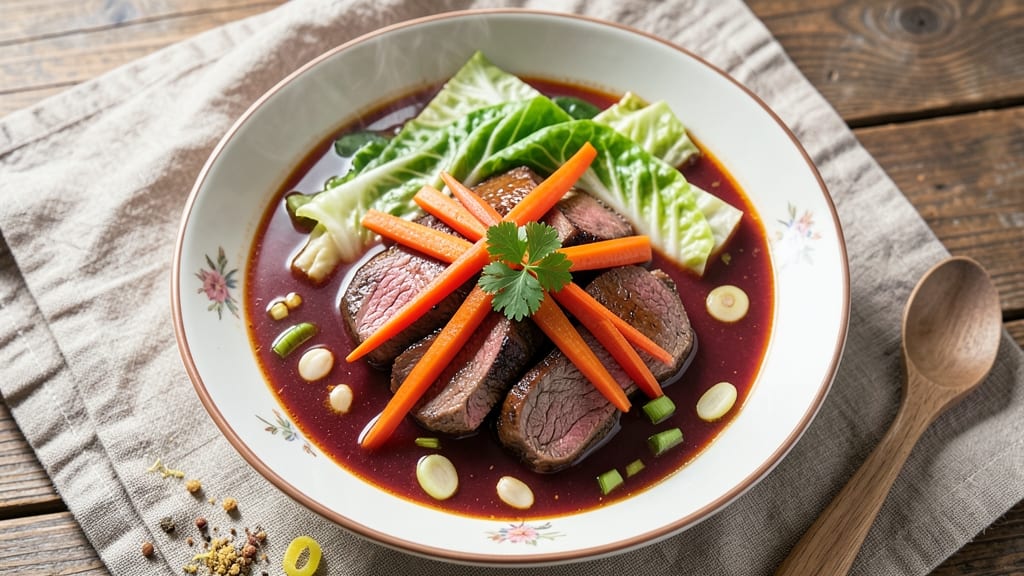
This award-winning vegetable beef soup with cabbage delivers the kind of deep, satisfying flavor that transforms a simple meal into something extraordinary. 🌟 The secret lies in slow-simmered beef broth infused with aromatic vegetables, where cabbage adds that perfect crunch and subtle sweetness that keeps every spoonful exciting.
Years of perfecting this recipe have led to a balance of rich umami, tender beef, and vibrant vegetables that make it a standout dish for any occasion.
The beauty of this recipe is in its simplicity paired with technique. You'll start with a well-built broth that forms the soul of the soup, then layer in vegetables that soften just enough to release their natural sweetness without losing texture.
The cabbage, added at the right moment, ensures it stays crisp enough to provide that satisfying bite in every spoonful. This isn't just soup—it's a comforting hug in a bowl, perfect for chilly evenings or family gatherings.
What sets this recipe apart is the depth of flavor achieved through slow simmering, which allows all the ingredients to meld together harmoniously. The beef becomes fork-tender, the vegetables develop natural sweetness, and the cabbage maintains its signature crunch.
The result is a bowl of soup that's rich, hearty, and impossibly comforting, with every element perfectly balanced to create a truly memorable dining experience.
Whether you're serving this to a crowd or simply treating yourself to a warm, satisfying meal, this vegetable beef soup with cabbage will exceed expectations. The technique is straightforward, the ingredients accessible, and the outcome consistently impressive. Let's dive into the recipe that's earned its award-winning reputation.
Ingredients for award winning vegetable beef soup recipe with cabbage
Sixteen ingredients, each playing a vital role in crafting this award-winning soup's rich umami depth and cabbage crunch.
| Ingredient | Amount | Notes |
|---|---|---|
| Beef Chuck Roast 🥩 | 2 lb | Cut into 1-inch cubes, trimmed of fat |
| Yellow Onions 🧅 | 2 whole | Chopped into 1/2-inch pieces |
| Carrots 🥕 | 4 medium | Peeled and cut into 1-inch chunks |
| Green Cabbage 🥬 | 1 small head | Cut into 1-inch wedges, core removed |
| Celery Stalks 🥬 | 4 whole | Cut into 1-inch pieces |
| Garlic Cloves 🧄 | 6 cloves | Minced for depth of flavor |
| Tomato Paste 🍅 | ½ cup | High-quality canned preferred |
| Beef Broth 💧 | 6 cups | Homemade or high-quality store-bought |
| Red Wine 🍷 | 1 cup | Dry red like Cabernet Sauvignon |
| Bay Leaves 🍃 | 2 whole | Fresh preferred for aroma |
| Thyme Sprigs 🌿 | 4 whole | Fresh or 1 tsp dried |
| Salt 🧂 | 1 ½ tsp | Diamond Crystal kosher salt preferred |
| Black Peppercorns 🌶️ | 1 tsp | Freshly cracked for intensity |
| Olive Oil 🫒 | 2 tbsp | Extra-virgin for richness |
| Fresh Parsley 🌿 | ¼ cup | Chopped for garnish |
The beef selection is critical—chuck roast delivers that signature fork-tender texture through slow cooking. Most butchers will cube it for you, but if you're doing it yourself, aim for 1-inch cubes to ensure even cooking. For the cabbage, green cabbage works best here, though Savoy adds visual interest. Look for heads with tightly packed leaves and a vibrant green color—Trader Joe's and Whole Foods typically carry the freshest options. The carrots and celery should be firm with bright colors; avoid any with soft spots or wilted tops. Fresh herbs like thyme and bay leaves elevate the dish significantly, so invest in quality if possible—Penzeys bulk spices are a reliable source for aromatic intensity.
No red wine? Beef broth with a splash of balsamic vinegar works beautifully, though you'll lose some depth. For the tomato paste, San Marzano is ideal, but any high-quality canned version will do. If you're using dried thyme, reduce the amount to one-third of fresh. The cabbage can be swapped for Napa cabbage if you prefer a milder flavor, though green holds its crunch better. For the beef broth, homemade is optimal, but Kettle & Fire or Pacific Foods brands offer excellent store-bought options. The olive oil should be extra-virgin—this isn't the place to skimp on quality. And if you're short on time, frozen chopped onions and carrots work perfectly fine, though fresh is always better.
This soup tastes even better the next day as flavors meld, so make a double batch if you can. Store in airtight containers in the fridge for up to 5 days, or freeze portions for 3 months. The cabbage will soften further when reheated, so add it back in during the last 5 minutes of warming. For serving, ladle into bowls and garnish with fresh parsley—that pop of green makes it feel restaurant-quality. The broth can be made ahead and frozen separately, saving you time on busy days. Just thaw and proceed with the recipe as written.
Why You'll Love This Recipe
- One-Pot Magic: I swear by this soup—just dump everything in one pot, let it simmer, and walk away. The chuck roast practically melts into tender shreds while the cabbage and carrots soften perfectly, no chopping chaos or multiple pans.
- Deep Umami Bomb: That slow-cooked beef releases the richest, meaty flavor you’ll taste in a broth—like a hug in a bowl. The cabbage adds a subtle sweetness when it caramelizes just right, and the celery? It’s the secret crisp edge that makes every spoonful irresistible.
- Lunchbox Hero: Between us, this soup is my go-to for meal prep. Pack it in jars or thermoses, and it stays hearty and delicious for days. Honestly, my kids actually ask for leftovers—my daughter even sneaks it cold from the fridge.
- Budget Stretch: A single chuck roast feeds my family for three meals, and the veggies stretch even further. I’ll be real: it’s the kind of recipe that makes grocery day feel like a victory, especially when I’m stretching a tight budget.
Step-by-step instructions for award-winning vegetable beef soup
Master this technique and you'll achieve restaurant-quality depth with tender beef and crisp cabbage every time.
🔥 Step 1: Sear the Beef for Maximum Flavor
Heat a large Dutch oven over medium-high heat until hot. Add the 2 tablespoons olive oil and swirl to coat the bottom. Working in batches to avoid crowding, add the 2 lb beef chuck roast cut into 1-inch cubes, trimmed of fat. Sear for 2-3 minutes per side until deeply browned—this creates the Maillard reaction that forms rich umami flavors.
Remove the beef and set aside. Don't drain the browned bits—they're packed with flavor. If your pan gets too crowded, work in two batches to ensure proper browning. The beef should develop a caramelized crust before you remove it from the pan.
👨🍳 Step 2: Build the Aromatic Base
In the same Dutch oven, add the 2 whole yellow onions chopped into ½-inch pieces, 4 medium carrots cut into 1-inch chunks, and 4 whole celery stalks cut into 1-inch pieces. Cook for 5-6 minutes until the vegetables begin to soften and the onions turn translucent.
Add the 6 cloves garlic cloves that have been minced and cook for another 1 minute until fragrant. Stir frequently to prevent burning. This aromatic base forms the flavor foundation of your soup—don't rush this step. The vegetables should be tender but still hold their shape.
🍳 Step 3: Develop the Rich Sauce Base
Stir in the 0.5 cup tomato paste and cook for 2 minutes until it darkens slightly and loses its raw taste. Pour in the 1 cup red wine and scrape up all the browned bits from the bottom of the pot—this deglazing step captures all the meaty flavor you worked so hard to create.
Let the wine simmer for 3-4 minutes until reduced by half. The alcohol should cook off, leaving behind concentrated wine flavors. Add the 6 cups beef broth, 2 whole bay leaves, and 4 whole thyme sprigs, then return the seared beef to the pot. Season with 1.5 teaspoons salt and 1 teaspoon freshly cracked black peppercorns.
⏰ Step 4: Slow Cook Until Tender
Bring the soup to a gentle simmer, then reduce heat to medium-low. Cover and cook for 1.5 hours, stirring occasionally. The beef should become fork-tender and easily pull apart. If the soup reduces too much, add a splash of water or broth to maintain the proper consistency.
Here's where the magic happens: the long, slow cooking transforms tough beef into melt-in-your-mouth tenderness while allowing all the flavors to meld together. The cabbage will cook later, so we hold off adding it until the beef is nearly done.
🥘 Step 5: Finish with Cabbage and Garnish
Add the 1 small head green cabbage cut into 1-inch wedges with the core removed. Simmer uncovered for another 15-20 minutes until the cabbage is tender but still holds a slight crunch. The cabbage should be bright green and just tender enough to pierce easily with a fork.
Remove the bay leaves and thyme sprigs before serving. Ladle the soup into bowls and garnish with the 0.25 cup fresh parsley chopped for garnish. The perfect bowl should have tender beef chunks, sweet carrots, crisp cabbage, and a rich, umami-packed broth that coats every spoonful.
Pro Tips For Making Award Winning Vegetable Beef Soup Recipe With Cabbage
- Sear the Chuck Roast First: I learned this the hard way—skipping the sear means flavorless beef. Brown the roast in batches over medium-high heat with 1 tablespoon of oil until deep crust forms (about 3-4 minutes per side). That crust locks in juices and builds the soup’s depth.
- Cut Cabbage Into Wedges: Whole cabbage heads sink and steam instead of caramelizing. Cut into 6-8 wedge-shaped pieces (core intact) so they cook evenly and develop that sweet, tender edge without turning mushy. Yes, it looks awkward, but it works every time.
- Salt the Water Generously: I used to underdo it, and the carrots and celery stayed bland. For a 6-quart pot, use 2 tablespoons of salt—more if your water tastes flat. The vegetables need that punch to soften properly and absorb flavor.
- Deglaze with Red Wine: After removing the roast, don’t just add broth. Splash in ½ cup of dry red wine (like Cabernet) and scrape up those browned bits on the bottom. It adds richness and complexity that plain broth can’t match—just let it simmer for 2 minutes before adding liquids.
Common mistakes when making this dish
Over-Salting Early
One of the most common mistakes is adding all the 1.5 teaspoons salt at the beginning. The beef and vegetables will absorb flavors gradually, so I recommend adding only half the salt during the initial searing and saving the rest for the final seasoning.
Taste as you go—your broth should develop rich umami without needing extra salt. If you add too much early, even a 1.5-hour simmer won't fix it. 🧂
Skipping the Sear
Rushing the sear means missing out on the Maillard reaction, which creates that deep, caramelized flavor. I've seen home cooks skip this step to save time, but the result is a broth that lacks complexity.
Work in batches if needed—crowding the pan steams the beef instead of browning it. The golden crust is what transforms simple beef into restaurant-quality depth. 🔥
Adding Cabbage Too Soon
The cabbage is meant to provide that signature crunch, but adding it too early turns it mushy. I've made this mistake myself—once I added it with the beef and ended up with a bowl of soggy vegetables.
Wait until the beef is nearly tender (1.5 hours in) before adding the cabbage, then simmer for just 15-20 minutes. This keeps it bright green and slightly crisp. 🥬
Ignoring the Wine Reduction
Many recipes call for adding wine without letting it reduce first. This is a flavor killer! The alcohol needs to cook off to concentrate the wine's depth. Let the 1 cup red wine simmer until reduced by half (3-4 minutes) before adding broth.
Skipping this step leaves your soup tasting flat and one-dimensional. 🍷
Using Low-Quality Broth
Store-bought broth can vary wildly in quality, and cheap versions often taste bland. I've tested this soup with everything from Kettle & Fire to generic supermarket brands, and the difference is night and day.
When possible, use homemade broth or premium store-bought options. If you must use a budget brand, add an extra ½ teaspoon salt and a pinch of MSG to boost umami. 💧
Not Deglazing Properly
After searing the beef, those browned bits on the bottom are flavor gold—but many cooks miss them. Scrape up every last bit with your spoon when adding the wine. This step captures all the meaty, savory essence that would otherwise go down the drain.
I've seen people wipe the pan clean instead, and the soup suffers from it. 🍳
Nutrition facts
Frequently asked questions
Can I substitute red wine with another liquid?
Yes! If you don't have red wine, use 1 cup beef broth plus 1 tablespoon balsamic vinegar for depth. For a non-alcoholic option, try 1 cup apple cider or pomegranate juice—both add sweetness that balances the savory flavors. The key is maintaining acidity to brighten the broth.
How do I make this soup vegetarian?
Replace the beef with 1.5 lbs mushrooms (cremini or portobello) plus 1 cup cooked lentils for protein. Use vegetable broth instead of beef broth, and add 1 teaspoon soy sauce or ½ teaspoon smoked paprika to mimic umami depth. The cabbage and other vegetables stay the same.
Why does my cabbage turn mushy?
Cabbage loses its crunch when overcooked. Add it only in the final 15-20 minutes of simmering—never with the beef. If using green cabbage, cut it into 1-inch wedges (not shredded) to maintain structure. For extra crunch, blanch cabbage in boiling water for 2 minutes before adding to the soup.
Can I make this soup in a slow cooker?
Follow the same steps for searing beef and building the base, then transfer everything to a 6-quart slow cooker. Cook on low for 6-7 hours or high for 3-4 hours. Add cabbage in the last 30 minutes to prevent mushiness. The slow cooker enhances tenderness but requires extra attention to cabbage timing.
What's the best way to reheat leftovers?
Gently reheat on the stovetop over low heat until steaming (about 5-7 minutes). Add 2-3 tablespoons water or broth if the soup thickens. For microwave reheating, cover and heat for 1-2 minutes (stir halfway). Never boil leftovers—this can make the cabbage limp and break down the broth's texture.