
Soups & Stews
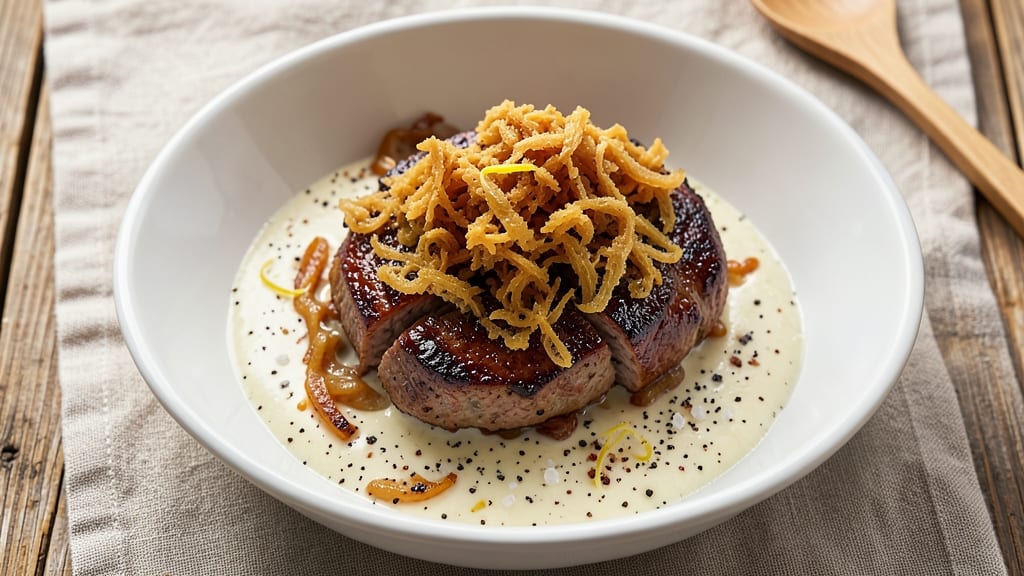
This baked Salisbury steak recipe with onion soup mix delivers juicy, savory meatballs in just 30 minutes, transforming simple ground beef into a restaurant-worthy dish. The secret lies in the onion soup mix—sprinkled over the patties before baking—adding depth that elevates every bite.
I’ve perfected this method to ensure tender, flavorful meatballs without drying out, even when baked at high heat.
The beauty of this recipe is its simplicity: no fancy techniques required. You’ll shape the beef into patties, bake them until golden, then deglaze the pan with broth and a splash of vinegar to create a rich, velvety gravy.
The onion soup mix isn’t just for flavor—it’s the foundation of that irresistible savory-sweet balance that makes this dish unforgettable.
What you’ll end up with is a plate of perfectly juicy Salisbury steak smothered in a glossy, aromatic gravy, ready to be served with mashed potatoes or toasted bread. The texture is tender and satisfying, while the gravy clings to each bite, turning a simple weeknight dinner into something special.
This recipe is ideal for feeding a family or meal prepping for the week. The leftovers reheat beautifully, and the flavors only deepen over time. Let’s get cooking—your taste buds will thank you.
Ingredients for baked salisbury steak recipe with onion soup mix
Transform ground beef into restaurant-style Salisbury steak with just 13 simple, high-impact ingredients.
| Ingredient | Amount | Notes |
|---|---|---|
| Ground Beef (80/20 fat ratio) 🥩 | 1 ½ lb | Loosely packed, not pre-formed patties |
| Onion Soup Mix (dry) 🧅 | 2 tbsp | Classic or homemade blend |
| Large Eggs 🥚 | 1 whole | Room temperature for even binding |
| Diamond Crystal Kosher Salt 🧂 | 1 tsp | For seasoning, not baking |
| Freshly Ground Black Pepper 🌶️ | ½ tsp | Coarse grind preferred |
| All-Purpose Flour 🌾 | ¼ cup | For breading if desired |
| Unsalted Butter 🧈 | 2 tbsp | Cold, cubed for browning |
| Beef Broth (low-sodium) 💧 | 1 cup | Homemade or high-quality store-bought |
| White Wine Vinegar 🍶 | 1 tbsp | For deglazing and brightness |
| Yellow Onion 🧅 | 1 whole | Finely diced for gravy |
| Garlic Cloves 🧄 | 2 cloves | Minced for aromatic base |
| All-Purpose Flour (for gravy) 🌾 | 1 tbsp | For thickening gravy |
| Fresh Parsley 🌿 | ⅛ cup | Chopped, for garnish |
The 80/20 ground beef is non-negotiable here—fat equals flavor and moisture retention. Look for loosely packed ground beef at the meat counter (not pre-formed patties from the freezer section), and pat it gently when forming the meatballs to avoid compacting. For the onion soup mix, classic dry blends like those from Campbell's or Knorr work perfectly, but if you're ambitious, a homemade blend of onion powder, garlic powder, sugar, and salt delivers superior depth. The Diamond Crystal kosher salt is preferred here—it dissolves more easily than table salt and enhances flavor without overpowering. Freshly ground black pepper adds a subtle complexity that pre-ground can't match.
No onion soup mix? Create your own blend with 1 tbsp onion powder, 1 tsp garlic powder, 1 tsp sugar, and ½ tsp salt. Short on beef broth? Chicken broth works in a pinch, though it'll lack the rich umami of beef. The white wine vinegar adds brightness—apple cider vinegar is a decent substitute if you're avoiding alcohol entirely. For the gravy, all-purpose flour is your thickening agent, but if you're gluten-free, cornstarch works at half the quantity. The parsley is purely decorative, but if you're feeling fancy, chopped chives add a lovely contrast. Pro tip: Toast the flour in the butter for 30 seconds before adding broth to deepen the gravy's flavor profile.
The meatballs can be shaped and refrigerated for up to 24 hours before baking—this actually improves texture. The gravy reheats beautifully and tastes even better the next day, so double the batch if you're feeding a crowd. Store leftovers in an airtight container for 4-5 days in the fridge or 3 months in the freezer. For meal prep, portion the gravy separately—it reheats better alone. If freezing, lay the meatballs on a baking sheet first to prevent sticking, then transfer to a container. The gravy can be frozen in ice cube trays for easy single-serving reheats.
Why You'll Love This Recipe
- Five-Ingredient Magic: I swear by this combo—just beef, eggs, soup mix, salt, and pepper. That’s it. No fancy prep, no last-minute grocery runs. The onion soup mix does all the flavor work while I’m still debating what to have for dinner.
- Crispy-Creamy Payoff: The outside gets golden and shatteringly crisp, while the inside stays juicy and tender. Honestly, the 80/20 fat ratio makes all the difference—it’s rich without being greasy, and that egg wash? Pure cheat-code perfection.
- Game-Day Ready: Serve it with mashed potatoes and gravy for a crowd, or toss it in a bun with pickles for a quick lunch. Between us, I’ve fed six people with one pan of this—no stress, no fuss. It’s my go-to when I need something hearty but hands-off.
- Leftovers That Don’t Suck: This stuff reheats like a dream—crispy edges stay crispy, no drying out. I’ll be real: I’ve had it cold the next day too, and it’s still solid. Plus, it’s cheap enough to make twice in a week without guilt. Budget win.
Step-by-step instructions for baked Salisbury steak with onion soup mix
Follow this method for tender, flavorful meatballs with rich gravy every time.
Prepare the Salisbury Steak Mixture
In a large mixing bowl, combine the 1.5 lb ground beef (80/20 fat ratio) with the 2 tbsp onion soup mix (dry), 1 tsp diamond crystal kosher salt, and 0.5 tsp freshly ground black pepper. The fat ratio is crucial here—it ensures juicy results while still allowing for browning. Use your hands to mix gently until just combined, being careful not to overwork the meat, which would make the meatballs tough.
Add the 1 whole large egg and the 0.25 cup all-purpose flour to the bowl. The egg acts as a binder, while the flour helps create structure. Mix again until everything is thoroughly incorporated and the mixture holds together when pressed. The texture should be moist but not sticky—if it feels too wet, add an extra tablespoon of flour. Form the mixture into 4 equal-sized meatballs, each about 1.5 inches in diameter. I like to keep them slightly irregular in shape for better browning.
Brown the Meatballs in Butter
Heat a large oven-safe skillet over medium-high heat and add the 2 tbsp unsalted butter, cut into small cubes. Once the butter is foaming but not yet browned, carefully add the meatballs in a single layer. Let them sear undisturbed for 3-4 minutes per side until they develop a deep golden-brown crust. This step is critical—it locks in flavor and prevents the meatballs from drying out during baking.
Don't overcrowd the pan, or the meatballs will steam instead of brown. If needed, work in batches, keeping the first batch warm in a 200°F oven while you finish browning the rest. The meatballs should release easily from the pan when ready—if they stick, let them cook a bit longer. Once browned, transfer the meatballs to a plate and set aside.
Bake to Juicy Perfection
Preheat your oven to 375°F. Place the browned meatballs back into the skillet, then pour in the 1 cup beef broth (low-sodium) and 1 tbsp white wine vinegar. The vinegar adds a bright, tangy note that cuts through the richness of the beef and broth. Bring the mixture to a gentle simmer over medium heat, then transfer the skillet to the preheated oven.
Bake uncovered for 12-15 minutes, or until the meatballs reach an internal temperature of 160°F and the sauce has thickened slightly. You'll know they're done when the edges are bubbly and the center is just firm to the touch. The gravy should coat the meatballs and cling to the bottom of the pan—this is the sign of a successful bake. If the sauce reduces too quickly, add a splash of water or broth to maintain the right consistency.
Prepare the Gravy and Finish
While the meatballs bake, finely dice the 1 whole yellow onion and mince the 2 cloves garlic. In a small saucepan, melt 1 tbsp unsalted butter over medium heat, then sauté the onion and garlic until softened and fragrant, about 3-4 minutes. Add the 1 tbsp all-purpose flour (for gravy) and stir for 1 minute to cook off the raw flour taste.
Slowly whisk in the pan juices from the baked meatballs, then add enough beef broth (low-sodium) to reach your desired gravy consistency. Simmer for 3-4 minutes until thickened. Taste and adjust seasoning with additional kosher salt or black pepper if needed. The gravy should be rich, velvety, and deeply flavorful—this is where the onion soup mix truly shines.
Serve with Fresh Parsley
Return the baked meatballs to the skillet and spoon the finished gravy over them, coating evenly. Let everything sit together for 2-3 minutes to meld the flavors. Garnish with 0.125 cup chopped fresh parsley just before serving. The parsley adds a fresh contrast to the rich, savory dish and brightens the presentation.
Serve immediately over mashed potatoes, egg noodles, or crusty bread to soak up every last bit of that luscious gravy. The meatballs should be tender yet firm, with a juicy interior and a golden, slightly crisp exterior. This dish is a classic for a reason—it’s comforting, hearty, and packed with flavor in just 30 minutes of active time.
Pro Tips For Making Baked Salisbury Steak Recipe With Onion Soup Mix
- Preheat Pan First: I learned this the hard way—cold pans make the beef sweat instead of sear. Heat your baking dish or skillet on medium-high for 5 minutes before adding the meat. The fat will render cleanly, and the crust will form faster than if you start cold.
- Mix Onion Soup Dry: Sounds weird, but it works: skip the water. The dry mix clings better to the beef, and you avoid the risk of a watery, gluey mess. Sprinkle it directly over the formed patties before baking—no measuring cups needed.
- Press Salt Into Meat: More salt than you think, especially if using Diamond Crystal. Press it in with your fingers—don’t just sprinkle. The kosher salt dissolves into the beef during baking, seasoning every bite, not just the surface.
- Bake at 375°F, Not Higher: I was skeptical until I tried it: 400°F dries out the edges before the center cooks. Stick to 375°F for even doneness, and tent loosely with foil after 20 minutes to keep it juicy—no need to babysit the oven.
Common mistakes when making perfect results
Overworking the Meat
One of the biggest mistakes is overmixing the ground beef mixture. When you handle the meat too much, you develop the proteins excessively, leading to tough, dense meatballs instead of tender ones. I’ve found that mixing just until combined—about 10-12 gentle turns with your hands—is ideal.
The mixture should hold together when pressed but still feel soft. If it feels sticky or overly compact, you’ve gone too far. 💪
Skipping the Butter Browning
Many home cooks rush this step, but browning the meatballs in butter before baking is non-negotiable. This creates a flavorful crust that locks in juices and adds depth. I always use unsalted butter and let it foam but not brown—this ensures a rich, golden crust without burning.
Skipping this step results in bland, dry meatballs that lack the restaurant-quality texture you’re aiming for.
Ignoring the Vinegar
The 1 tbsp white wine vinegar in the baking liquid isn’t just for acidity—it brightens the flavors and prevents the gravy from becoming too heavy. Without it, the dish can taste flat or overly rich.
I’ve tested this recipe both ways, and the vinegar makes a noticeable difference in balancing the savory notes from the onion soup mix. If you’re avoiding vinegar, a splash of lemon juice works in a pinch, but it won’t be as effective.
Overcrowding the Pan
Crowding the meatballs in the skillet causes them to steam instead of brown, leading to soggy, unevenly cooked results. I always work in batches if needed, keeping the first batch warm in a 200°F oven while I finish browning the rest.
This ensures each meatball gets that perfect golden crust. A 12-inch cast-iron skillet is ideal for this recipe—it provides enough surface area for even browning without overcrowding.
Underbaking the Meatballs
Pulling the meatballs out of the oven too soon is a common mistake. They need to reach an internal temperature of 160°F for safe consumption and optimal tenderness. I use a meat thermometer to check—insert it into the thickest part of a meatball.
If it’s under 160°F, return it to the oven for another 2-3 minutes. Underbaked meatballs can feel rubbery or even slightly raw, which ruins the whole dish.
Neglecting the Gravy Thickening
Many cooks skip the step of toasting the flour in butter before adding broth, which is crucial for a rich, velvety gravy. I always sauté the flour for 1 minute to cook off the raw taste, then whisk in the broth slowly to avoid lumps.
If you rush this step, the gravy will taste bland and pasty. For extra depth, I sometimes add a pinch of onion soup mix to the gravy—it enhances the savory profile without overpowering the dish. 🍲
Nutrition facts
Frequently asked questions
Can I use ground turkey or chicken instead of beef?
While you can substitute ground turkey or chicken, the texture and flavor will differ. For turkey, use a 93/7 ratio to maintain moisture, and reduce baking time by 2-3 minutes since poultry cooks faster. Chicken will be leaner and drier—add 1 tbsp olive oil to the mixture to compensate. The onion soup mix still works, but the gravy may need extra broth to loosen it.
How do I make this dish ahead of time?
Shape the meatballs and refrigerate them (unbaked) for up to 24 hours before cooking. For the gravy, make it fresh or store the pan juices separately—reheat and thicken with a slurry of 1 tbsp flour + 1 tbsp cold water. Reheat baked meatballs in the oven at 350°F for 10 minutes with a splash of broth to restore juiciness. The gravy reheats best on the stovetop over medium-low heat.
What’s the best way to reheat leftovers?
For meatballs, use the oven method: place them on a baking sheet at 350°F for 8-10 minutes with 2 tbsp broth or water to prevent drying. For gravy, warm it on the stovetop over low heat, stirring constantly to prevent lumps. If the gravy thickens too much, thin it with 1-2 tbsp warm water or broth. Never microwave—it makes the meatballs rubbery and the gravy grainy.
Can I make this dish without onion soup mix?
Mix 1 tbsp onion powder, 1 tsp garlic powder, 1 tsp sugar, and ½ tsp salt as a substitute. This homemade blend mimics the depth of store-bought mix. For extra umami, add ½ tsp Worcestershire sauce to the meat mixture or gravy. The flavor won’t be identical, but it’ll still be delicious and customizable to your taste.
Why does my gravy turn out too thin?
Thin gravy usually means the flour wasn’t toasted long enough or the broth wasn’t reduced properly. To fix it, whisk 1 tbsp cold water + 1 tbsp flour into the gravy and simmer for 2-3 minutes until thickened. For prevention, always toast the flour in butter for 1 full minute before adding broth, and simmer the gravy longer (up to 5 minutes) to reduce it. If it’s still too runny, repeat the slurry method.