
Soups & Stews
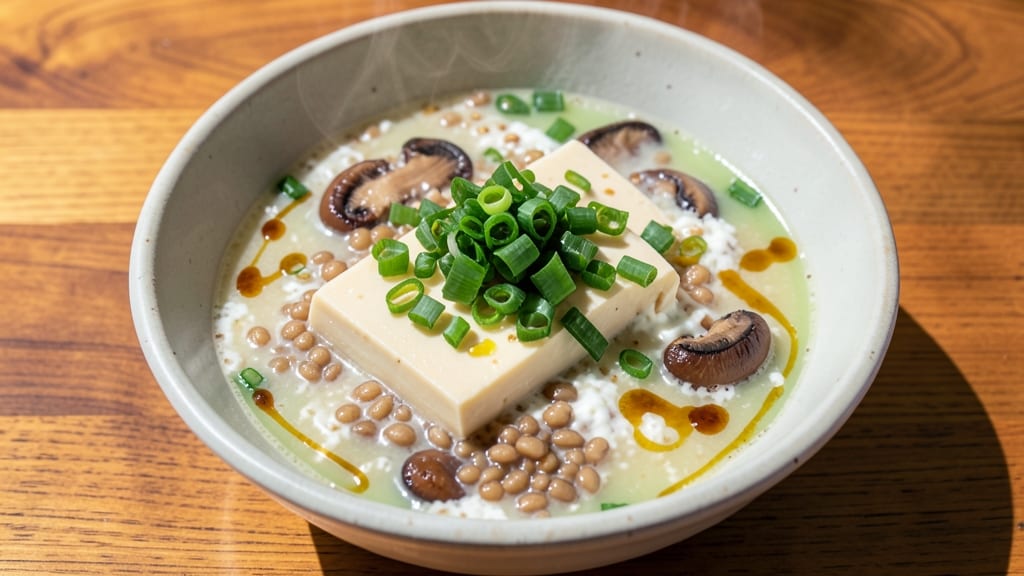
This barley miso soup recipe delivers the comforting depth of umami in every bowl, blending chewy barley with fermented miso paste for a broth that’s both nourishing and restaurant-worthy.
The secret lies in simmering barley until tender—20 minutes of gentle cooking transforms it into a satisfying, toothsome bite that anchors the soup. I’ve perfected this method to balance traditional Japanese techniques with modern shortcuts, like using store-bought kombu broth for a quicker start without sacrificing flavor.
The miso paste, dissolved in warm broth rather than boiling water, preserves its probiotic benefits and rich, savory notes. A touch of toasted sesame oil at the end adds a nutty finish, while optional toppings like silken tofu, scallions, or crispy seaweed let you customize the dish.
What makes this recipe stand out is how it marries simplicity with depth—no fancy ingredients, just a few pantry staples that come together in 30 minutes or less.
What you’ll end up with is a bowl of soup that’s warm, hearty, and deeply satisfying, with each spoonful offering a perfect harmony of chewy barley, umami-rich miso, and fragrant broth. The aroma alone—steaming, savory, and slightly sweet—will have everyone at the table reaching for seconds.
It’s the kind of dish that feels both nostalgic and fresh, perfect for chilly evenings or as a light yet filling meal any time of year.
Whether you’re serving this as a starter, a main course, or a comforting weeknight dinner, the flexibility of this recipe makes it a staple. The barley soaks up the broth beautifully, while the miso adds layers of complexity that elevate simple ingredients.
Ready to make this your go-to miso soup? Let’s get started.
Ingredients for barley miso soup
These umami-packed ingredients transform simple pantry staples into a restaurant-worthy barley miso soup.
| Ingredient | Amount | Notes |
|---|---|---|
| Pearl Barley 🌾 | ½ cup | Rinsed thoroughly before cooking |
| White Miso Paste 🍶 | 2 tbsp | High-quality, fermented miso |
| Kombu Broth 💧 | 4 cups | Store-bought or homemade |
| Silken Tofu 🧈 | 8 oz | Drained and cubed |
| Green Onions 🧅 | 3 whole | Thinly sliced for garnish |
| Toasted Sesame Oil 🫒 | 1 tbsp | For finishing touch |
| Dried Shiitake Mushrooms 🍄 | 2 whole | Rehydrated and sliced |
| Garlic Cloves 🧄 | 2 cloves | Minced for depth of flavor |
| Ginger Root 🌿 | 1 tbsp | Freshly grated, peeled |
| Diamond Crystal Kosher Salt 🧂 | ½ tsp | For seasoning broth |
| Crispy Roasted Seaweed 🍃 | ¼ cup | Optional garnish |
| Sesame Seeds 🥜 | 1 tsp | Toasted for crunch |
| Avocado Oil 🫒 | 1 tbsp | For sautéing mushrooms |
The miso paste is non-negotiable—Marukome or Honten brands deliver the most authentic flavor. For the barley, pearl barley is ideal, but pot barley works too if you prefer a firmer texture. Rehydrate dried shiitake mushrooms in warm water for 20 minutes before slicing; discard the soaking liquid. Kombu broth is a game-changer—Kikkoman or Hodo are reliable options. If you can't find kombu broth, substitute with vegetable broth plus 1 tsp kombu powder. The sesame oil should be toasted, not raw—look for 100% pure sesame oil at Asian markets or the international aisle.
No miso paste? Substitute with 1 tbsp soy sauce plus 1 tsp white miso powder, though the depth won't be identical. Short on shiitake mushrooms? Cremini mushrooms work in a pinch, but they lack the earthy umami. The silken tofu can be omitted entirely if you prefer a lighter broth—just reduce the broth by 1 cup. For extra richness, stir in 1 tbsp tahini at the end. The garlic and ginger should be freshly grated; pre-minced varieties lose potency quickly. If you're using dried seaweed, toast it in a dry pan for 1-2 minutes until crispy before garnishing.
Store cooked barley separately in the fridge for up to 4 days—it reheats beautifully. The miso paste keeps indefinitely in the pantry, but once opened, transfer it to an airtight container. Sesame oil lasts 6-12 months unopened, while fresh ginger and garlic should be used within 2 weeks of purchase. For meal prep, assemble the soup fresh—barley softens further when reheated, so cook it just until tender. The soup's flavor actually improves overnight as the miso melds with the broth, so make a double batch if possible.
Why You'll Love This Recipe
- Five-Ingredient Magic: I swear by this recipe—just barley, miso, kombu, tofu, and green onions. No chopping, no fuss, and honestly? The broth builds itself while you stir.
- Umami Bomb: That white miso paste? It’s the secret weapon—deep, savory, and slightly sweet. The kombu broth adds this oceanic richness that makes every spoonful feel like a hug.
- Lunchbox Hero: Between us, this is my go-to for meal prep. The barley holds up all week, and the tofu stays silky even reheated. Pack it cold or warm—either way, it’s a win.
- Budget Warmth: A whole pot for under $5? Yes, please. Barley’s cheap, miso lasts forever, and tofu stretches further than you’d think. My wallet and I both approve.
Step-by-step instructions for barley miso soup
Here's the method for crafting a deeply flavorful barley miso soup with perfect texture balance.
Prepare the Base Ingredients
Rinse the 0.5 cup pearl barley thoroughly under cold water to remove any surface starch. Soak it in 4 cups kombu broth for 30 minutes—this jumpstarts the flavor extraction and ensures your barley cooks evenly. While it soaks, rehydrate the 2 whole dried shiitake mushrooms in warm water for 20 minutes until pliable. Slice them thinly and set aside.
In a separate bowl, combine the 8 oz silken tofu and cut it into ½-inch cubes. The tofu should be completely drained—press it gently between paper towels if needed. This preparation ensures your soup components are ready for quick assembly without interrupting the cooking process.
Sauté Aromatics and Build Flavor
Heat 1 tablespoon avocado oil in a medium pot over medium heat. Add the 2 cloves minced garlic and 1 tablespoon freshly grated ginger root, cooking for 1 minute until fragrant but not browned. Add the sliced shiitake mushrooms and cook for 3-4 minutes until they release their moisture and begin to soften.
This step develops the umami foundation of your soup. The mushrooms will release their earthy depth while the garlic and ginger provide aromatic complexity. Don't rush this—properly sautéed aromatics create the flavor backbone for your entire dish.
Simmer the Barley and Season
Drain the soaked barley and add it to the pot along with the drained kombu broth. Bring to a gentle boil, then reduce heat to low and simmer for 40-45 minutes—until the barley is tender but still chewy. Stir occasionally to prevent sticking at the bottom.
About 10 minutes before the barley is done, stir in the 2 tablespoons white miso paste and 0.5 teaspoon diamond crystal kosher salt. The miso should dissolve completely into the broth, creating a velvety texture. This timing ensures the miso's delicate flavor isn't overcooked, maintaining its natural sweetness and depth.
Finish and Garnish
Remove the pot from heat and gently fold in the tofu cubes. Drizzle with 1 tablespoon toasted sesame oil and allow it to sit for 2 minutes—this lets the flavors meld without breaking the tofu. Ladle the soup into bowls, then garnish each serving with thinly sliced green onions, 0.25 cup crispy roasted seaweed, and 1 teaspoon toasted sesame seeds.
The seaweed adds a textural contrast while the sesame seeds contribute nutty warmth. The green onions provide a fresh finish that cuts through the richness. Serve immediately while the barley maintains its perfect chewiness and the broth remains steaming hot.
Pro Tips For Making Barley Miso Soup
- Rinse the Barley: Pearl barley’s starchy coating makes it gummy if you skip this step. Toss it in a fine-mesh strainer under cold water for 30 seconds—just enough to remove surface starch, not soak it. I learned this the hard way when my soup turned into a gluey mess after 20 minutes of simmering.
- Bloom the Miso: Stir the miso paste into warm broth (below 140°F), not boiling. The heat kills beneficial enzymes and turns the soup bitter. Use a whisk to dissolve it fully—lumps ruin the texture. If your broth is hot, let it cool for 2 minutes first.
- Skip the Overcrowding: Add silken tofu and green onions last—right before serving. Tofu absorbs broth like a sponge, and green onions wilt into oblivion if simmered too long. Toss them in for 30 seconds max, or chop them coarsely to keep them visible.
- Simmer Low and Slow: Pearl barley needs gentle heat—too much boiling turns it mushy. Once the kombu broth reaches a bare simmer (tiny bubbles, occasional swirls), reduce to low and let it cook uncovered for 35–40 minutes. Stirring every 10 minutes prevents sticking, and the broth will thicken naturally.
Essential equipment for perfect results
Pot Essentials
Start with a medium-sized pot—I prefer a 5-quart stainless steel like the All-Clad Stainless—because it gives you enough room to stir without splashing while still concentrating the flavors. The stainless steel won’t react with acidic ingredients like miso, preserving its natural taste.
If you’re cooking for a crowd, a 6-8 quart pot works, but avoid nonstick—it can’t handle the simmering time and high heat needed for barley. 🔥
Broth Boosters
A kombu broth maker (like the Kikkoman Kombu Broth Maker) is a game-changer if you’re making broth from scratch, but store-bought kombu or dashi broth is perfectly fine for convenience.
For extra depth, I keep a small pot just for making kombu broth—simmer 1 piece kombu in 4 cups water for 10 minutes, then remove it before adding to your soup. This infuses the broth with umami without bitterness.
Miso Tools
Use a small silicone spatula (like the OXO Good Grips) to dissolve the miso paste into the broth—it won’t scratch your pot and makes stirring easier. For measuring, a small miso spoon (often included with miso tubs) ensures you get the right amount without overdoing it.
If you don’t have one, a coffee spoon works in a pinch. Never use metal utensils when handling miso—they can oxidize and alter its flavor. ✨
Garnish Gear
A sharp chef’s knife (I love the Victorinox 8-inch) is essential for slicing green onions and shiitake mushrooms evenly. For crispy seaweed, a small nonstick skillet (like the Cuisinart MultiClad) lets you toast it to perfection—just 1-2 minutes per side until fragrant.
A microplane (like the Bamboo Microplane) is perfect for grating fresh ginger and garlic with precision. Don’t skip this step—freshly grated aromatics make all the difference!
Storage Containers
For leftovers, glass airtight containers (like Pyrex with snap-on lids) are ideal—they keep the soup fresh for up to 4 days in the fridge. If you’re prepping ahead, store the cooked barley separately in a container and reheat it in the broth later to avoid mushiness.
For sesame oil, a small amber glass bottle (like the Kirkland Signature) protects it from light and keeps it fresh for months. 💫
Nutrition facts
Frequently asked questions
Can I substitute barley for another grain?
Yes! If you prefer a quicker option, swap barley for ½ cup cooked brown rice or ½ cup cooked quinoa. For a similar texture, use ½ cup cooked farro—just reduce simmering time to 15-20 minutes. Avoid white rice as it becomes mushy when reheated. The key is maintaining the chewy, hearty base that anchors the soup.
Why does my miso soup taste bitter?
Bitter flavor usually comes from overcooking the miso or using too much. Always dissolve miso in warm (not boiling) broth and add it 10 minutes before serving. For white miso, start with 1 tbsp—red miso is stronger, so use ½ tbsp if substituting. If bitterness persists, balance it with a pinch of sugar or more fresh ginger.
How do I make this soup gluten-free?
This recipe is naturally gluten-free! Just ensure your miso paste is certified gluten-free (many traditional miso varieties contain wheat). Double-check kombu broth and any added ingredients like soy sauce (if substituting). The barley itself is gluten-free, but if avoiding grains entirely, use ½ cup cooked chickpeas or ½ cup shredded konjac noodles instead.
Can I make this soup ahead of time?
Yes, but with a trick: Cook the barley separately and store it in the fridge for up to 4 days. When ready to serve, reheat just the broth (without boiling) and stir in the barley. This prevents mushiness. The miso should be added fresh—it loses flavor when reheated. Garnishes like seaweed and sesame oil can be added right before serving for maximum freshness.
What's the best way to reheat leftovers?
Gently reheat on the stovetop over low heat with a splash of water (about ¼ cup) to prevent drying. Never microwave—it makes the barley rubbery. If the broth seems too thin after reheating, reduce it by simmering uncovered for 5 minutes. For extra richness, stir in 1 tsp tahini or a drizzle of sesame oil when reheating.