
Soups & Stews
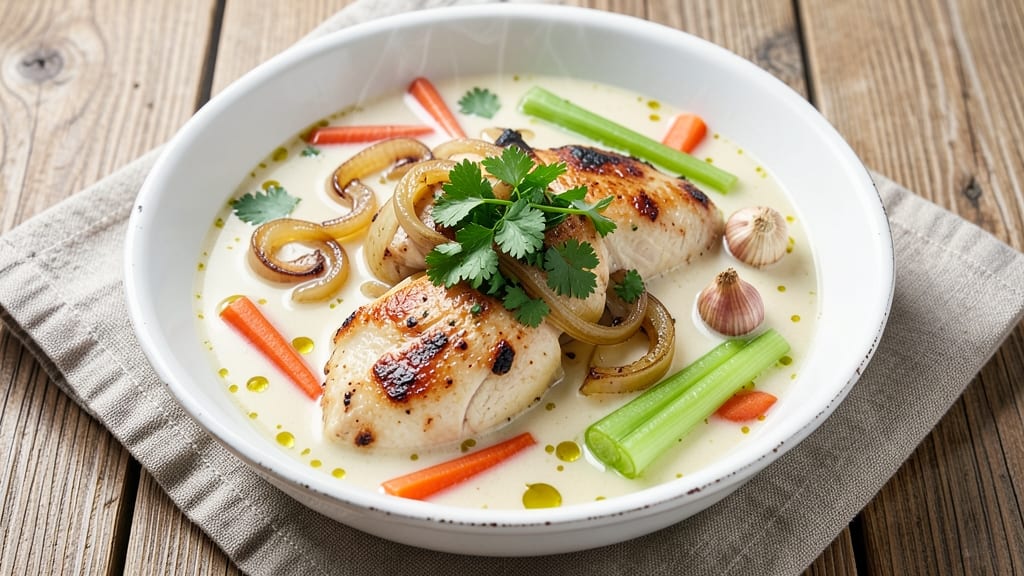
This basic chicken soup recipe from scratch delivers the comforting, nourishing qualities of homemade broth with perfectly tender chicken pieces—no shortcuts, just real flavor built from the ground up. The secret lies in slow-simmered stock that extracts every ounce of savory depth from the bones, while aromatics like carrots, celery, and onions develop complex sweetness over time. I've perfected this method to ensure the chicken stays fork-tender while the broth remains rich and clear, not cloudy or greasy.
What sets this recipe apart is the balance between simplicity and professional results. You'll start with a whole chicken (or chicken pieces) that poaches gently in water with aromatics, creating a flavorful base without requiring specialized equipment.
The key is patience—letting everything simmer for at least 1.5 hours transforms simple ingredients into something deeply comforting. This isn't just soup; it's a meal that warms both body and soul, perfect for chilly days or when you need a nourishing pick-me-up.
The final result is a bowl of soup where each spoonful delivers tender, shreddable chicken, vegetables cooked just until tender-crisp, and a broth so flavorful it tastes like it's been simmering all day.
The beauty of this recipe is its adaptability—you can make it as light or hearty as you like, adding noodles, rice, or extra vegetables to suit your preferences. It's the kind of soup that tastes even better the next day, making it ideal for meal prep or feeding a crowd.
Ready in about 2 hours (mostly hands-off simmering time), this recipe proves that homemade chicken soup doesn't require complicated techniques—just time and a few simple ingredients. The process is straightforward, and the reward is a bowl of soup that rivals anything you'd find in a restaurant.
Let's get started on creating something truly nourishing from scratch.
Ingredients for basic chicken soup recipe from scratch
Sixteen ingredients transform into a deeply comforting homemade chicken soup with rich, clear broth and tender chicken pieces.
| Ingredient | Amount | Notes |
|---|---|---|
| Whole Chicken 🍗 | 4 lb | Cut into pieces (backbone removed) |
| Yellow Onions 🧅 | 2 whole | Peeled, cut into chunks |
| Carrots 🥕 | 4 medium | Peeled, cut into 1-inch pieces |
| Celery Stalks 🧄 | 4 whole | Trimmed, cut into 1-inch pieces |
| Garlic Cloves 🧄 | 6 cloves | Peeled, lightly crushed |
| Fresh Parsley 🌿 | ¼ cup | Chopped, stems removed |
| Fresh Thyme 🌿 | 2 sprigs | Or 1 tsp dried thyme |
| Bay Leaves 🌿 | 2 whole | Dried, standard size |
| Salt 🧂 | 1 ½ tsp | Diamond Crystal preferred |
| Black Peppercorns 🌶️ | 1 tsp | Freshly cracked |
| Water 💧 | 8 cups | Cold, filtered preferred |
| Extra-Virgin Olive Oil 🫒 | 2 tbsp | For initial searing |
| Lemon Juice 🍋 | 1 tbsp | Freshly squeezed |
| Salted Butter 🧈 | 2 tbsp | For finishing broth |
The chicken is the foundation—look for a 4-pound whole chicken with good marbling for maximum flavor. Local butchers or high-end grocery stores often carry better quality than standard supermarket brands. If using chicken pieces instead, opt for bone-in thighs and drumsticks—they stay tender longer and infuse more flavor into the broth. The aromatics (onions, carrots, celery) should be fresh, with vibrant colors and no soft spots. Trader Joe's and Whole Foods consistently carry high-quality produce for this purpose. Don't skip the thyme and bay leaves—they're essential for developing that classic soup depth, though dried thyme works at one-third the amount if fresh isn't available.
No fresh thyme? Dried thyme at one-third the amount delivers similar results. Substituting chicken? Turkey or duck works beautifully—just adjust cooking time accordingly. For a vegetarian version, swap chicken for mushrooms and extra vegetables, but the broth will have a different character. The olive oil should be extra-virgin for best flavor, though regular virgin works in a pinch. If you're sensitive to acidity, reduce the lemon juice to 1 teaspoon—it brightens the broth but shouldn't overpower. The butter at the end is non-negotiable; it adds a luxurious finish that separates this from basic recipes.
This soup improves with time—24 hours in the fridge lets flavors meld perfectly. Store in airtight containers with a layer of butter on top to preserve freshness. Freezes beautifully for up to 3 months—portion into individual containers for easy reheating. For meal prep, double the recipe and freeze half; the broth will only get more flavorful over time. The chicken can be shredded and frozen separately if you prefer to cook it fresh when serving. Always reheat gently on low heat to maintain that clear, rich broth quality.
Why You'll Love This Recipe
- No Chopping Chaos: I swear by this recipe because it only asks for a whole chicken, a few onions, carrots, and celery—none of which need to be diced into perfect cubes. Roughly chop the veggies, toss them in, and let the pot do the work. (Yes, even on a Tuesday night.)
- Golden Broth Magic: That first sip of broth—rich from the chicken, sweetened by caramelized onions and garlic—is the real star. The carrots and celery soften just enough to melt into the liquid, but the flavor? Ridiculously good. It’s the kind of soup that makes you forget it’s "basic."
- Leftovers That Don’t Lie: This recipe actually tastes better the next day. Honestly, I make a double batch on Sundays because the broth thickens, the chicken gets even more tender, and it’s still my go-to when I’m sick or just craving something warm. No sad, watery seconds here.
- Budget-Friendly Pantry Staples: A whole chicken and a handful of veggies—this is cooking on a shoestring without sacrificing taste. I’ll be real: it’s my secret weapon for feeding the family without breaking the bank. Plus, the leftovers stretch for days. Win.
Step-by-step instructions for homemade chicken soup
This method delivers rich, flavorful broth and perfectly tender chicken every time.
Prepare and Sear the Chicken
Remove the backbone from the 4 lb whole chicken and cut into 6-8 pieces. Pat the pieces dry with paper towels—this ensures maximum browning. In a large Dutch oven, heat the 2 tbsp extra-virgin olive oil over medium-high heat until shimmering.
Working in batches, sear the chicken pieces for 4-5 minutes per side until golden brown. This step develops deep flavor through the Maillard reaction. Transfer the browned chicken to a plate and set aside. Real talk: Don't overcrowd the pan or the chicken will steam instead of sear.
Build the Flavor Base
In the same Dutch oven, add the 2 whole yellow onions, 4 medium carrots, and 4 whole celery stalks, all cut into 1-inch pieces. Cook for 5-6 minutes, stirring occasionally, until the vegetables begin to soften and release their aromas. Add the 6 peeled garlic cloves and cook for another 30 seconds until fragrant.
Stir in the 2 sprigs fresh thyme, 2 whole bay leaves, 1.5 tsp salt, and 1 tsp freshly cracked black peppercorns. The vegetables should be lightly caramelized by now—this builds the foundation of your soup's flavor. If any pieces stick, add a splash of water to deglaze and scrape up those flavorful browned bits.
Simmer the Broth
Pour in the 8 cups cold water and bring to a boil. Once boiling, return all the chicken pieces to the pot. Reduce heat to low, cover partially, and simmer gently for 45-50 minutes. The broth should bubble softly—if it boils vigorously, the chicken will become tough.
After 30 minutes, check the chicken for tenderness. It should pull away from the bone easily with a fork. If not, continue simmering for another 10-15 minutes. The broth should develop a rich, golden color and deep aroma. This is where patience pays off—never rush this step.
Finish and Season
Remove the chicken pieces and set them aside. Strain the broth through a fine-mesh sieve into a clean pot, pressing on the vegetables to extract maximum flavor. Return the broth to the heat and add the 2 tbsp salted butter, stirring until melted. Remove from heat and stir in the 1 tbsp freshly squeezed lemon juice.
Taste and adjust seasoning—you may need to add more salt, especially if you used low-sodium butter. Return the chicken pieces to the broth and let everything warm through together for 5 minutes. The lemon juice brightens the flavors and balances the richness of the butter.
Serve with Fresh Herbs
Ladle the soup into bowls, dividing the 0.25 cup chopped fresh parsley among the servings. The parsley adds freshness and color to each bowl. Serve immediately with crusty bread or over rice. Each spoonful should deliver tender chicken, rich broth, and perfectly balanced flavors.
This soup makes 6 generous servings—perfect for meal prep. Store leftovers in the refrigerator for up to 4 days or freeze for 3 months. The flavors actually improve as the broth sits, allowing all the components to meld together beautifully.
Pro Tips For Making Basic Chicken Soup Recipe From Scratch
- Brown the Chicken First: Skip the raw chicken straight into boiling water—it’ll stay bland. Instead, sear the whole bird (skin-side down) in a hot pot for 8–10 minutes until golden. The Maillard reaction kicks in, giving your soup depth. (Yes, even if you’re using a whole chicken, focus on the skinny parts first—they crisp fastest.)
- Cut Celery and Carrots Uniformly: I used to eyeball it, and half my veggies stayed rock-hard. For even cooking, slice carrots into ¼-inch rounds and celery into ½-inch pieces—same size as your diced onions. No one wants soup with a crunchy surprise after 45 minutes.
- Simmer, Don’t Boil: Once the chicken is in, keep the heat low enough that bubbles gently rise, not a violent rolling boil. High heat = tough meat and scattered veggies. A steady simmer (about 15–20 minutes after boiling starts) keeps everything tender and the broth clear.
- Save the Garlic for Later: Tossing garlic in at the start? It’ll turn bitter. Instead, add minced garlic (and any herbs) in the last 10 minutes of cooking. This preserves its sweetness and lets you adjust flavor right before serving—no more guessing if it’s overpowering.
Creative variations of this dish
Global Comfort Variations
This classic recipe adapts beautifully to global flavors. For a Japanese-inspired miso version, add 2 tbsp white miso paste to the broth after simmering, along with 1 tbsp grated ginger and 1 tbsp soy sauce. The umami depth transforms it into a comforting ramen-style soup. 🌏
In Italy, turn it into a rustic zuppa di pollo by adding ½ cup ditalini pasta during the final 10 minutes of simmering, plus 1 tsp dried oregano. Finish with a drizzle of extra-virgin olive oil and grated Pecorino Romano. The pasta absorbs the rich broth beautifully.
Spice-Forward Twists
For heat lovers, add 1 tbsp smoked paprika and ½ tsp cayenne pepper when building the flavor base. Finish with 2 slices of jalapeño (seeds removed) and a squeeze of lime. The smoky heat elevates the broth to new levels. 🌶️
Creamy versions work wonders too—stir in ½ cup coconut milk during the final 5 minutes of simmering for a Thai-inspired take. Add 1 tsp fish sauce and ½ tsp turmeric for depth. Garnish with fresh cilantro and lime wedges for brightness.
Vegetarian Adaptations
Swap the chicken for 1 lb mushrooms (shiitake or cremini) and 1 lb extra-firm tofu, pressed and cubed. Simmer the mushrooms first to develop their umami, then add the tofu and vegetables. Boost flavor with 1 tbsp soy sauce and 1 tsp nutritional yeast for a cheesy note.
For a heartier base, add 1 cup cooked lentils or ½ cup quinoa during the final 15 minutes. The lentils add protein while the quinoa gives a nutty texture. Both work beautifully with the aromatic vegetables and herbs.
Seasonal Ingredient Swaps
Summer calls for lighter touches—add ½ cup diced zucchini and ½ cup corn kernels during the final 10 minutes of cooking. Finish with fresh basil and a splash of white wine instead of lemon juice. The fresh ingredients keep the soup bright and refreshing. ☀️
Winter versions shine with root vegetables: swap carrots for sweet potatoes and add ½ cup diced butternut squash. A sprinkle of fresh sage and a dash of nutmeg warm the broth perfectly for chilly evenings.
Nutrition facts
Frequently asked questions
Can I use chicken thighs instead of breast meat?
Chicken thighs are actually better for soup—they stay tender and flavorful even after long simmering. Use bone-in, skin-on thighs for maximum richness. The skin adds fat that renders into the broth, creating a more velvety texture. Just increase simmering time by 10-15 minutes since thighs cook slightly slower than breasts.
How do I know when the chicken is done?
The chicken is ready when it reaches an internal temperature of 165°F and the meat pulls away from the bone easily with a fork. After 30 minutes of simmering, test a piece—if it's still slightly firm, continue cooking for another 10 minutes. Overcooking will make it dry, so check frequently during the final 15 minutes of simmering.
Can I make this soup in a slow cooker? Yes! Use the same ingredients but adjust the method: Sear the chicken first, then add everything to the slow cooker. Cook on low for 6-8 hours or high for 3-4 hours. The slow cooker's gentle heat prevents the chicken from becoming tough. Just
Why did my broth turn cloudy?
Cloudy broth usually means the soup boiled too vigorously, stirring up starches from the vegetables. To prevent this, maintain a gentle simmer (small bubbles) rather than a rolling boil. If it happens, skim off the foam that rises to the surface during cooking. For extra clarity, strain the broth through a fine-mesh sieve or cheesecloth after simmering.
Can I add noodles or rice to this recipe?
For noodles, add ½ cup uncooked pasta during the final 10 minutes of simmering. For rice, cook it separately and serve on the side or stir in ½ cup cooked rice during the last 5 minutes. The broth will absorb into the grains beautifully, making each bite heartier. Just adjust the cooking time based on your preferred texture.