
Soups & Stews
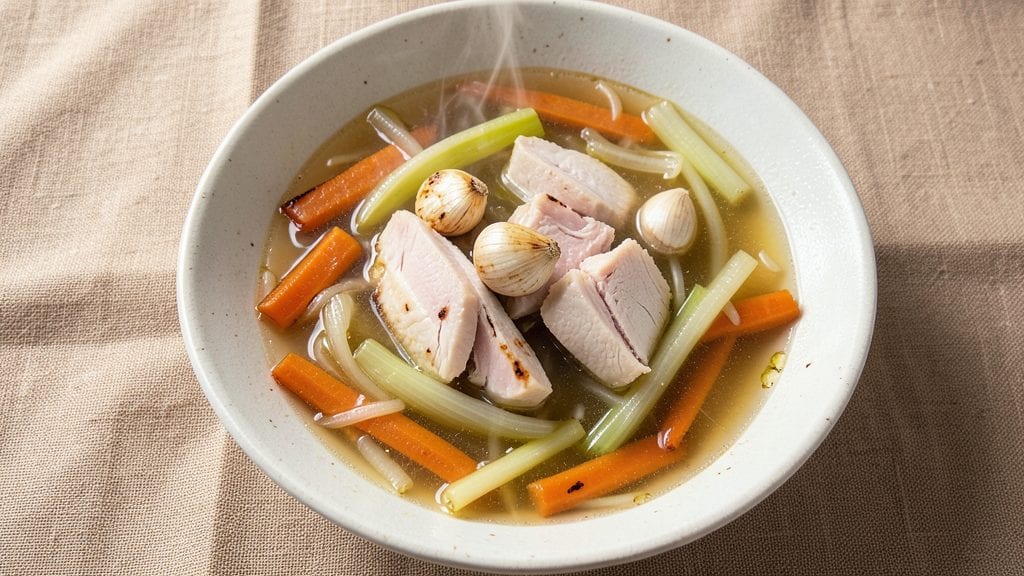
Mastering a basic soup recipe transforms pantry staples into comforting bowls that warm any meal. This versatile foundation uses simple ingredients to create a flavorful broth, adaptable to vegetables, chicken, or beans—perfect for weeknight dinners or meal prep.
The key lies in balancing seasoning and technique to build depth without complexity.
With just 15 minutes of prep and 30 minutes of simmering, you’ll achieve restaurant-quality results using ingredients you likely already have. Whether you’re working with chicken, vegetable, or bean broth, the process remains consistent, ensuring a foolproof method for beginners and shortcuts for experienced cooks.
The beauty of this recipe is its flexibility—swap proteins or vegetables to match what’s fresh or on hand.
What you’ll end up with is a hearty, aromatic soup that’s rich in flavor and texture—crisp vegetables, tender proteins, or creamy beans, all swimming in a well-seasoned broth. The slow simmer develops layers of taste, turning simple ingredients into something deeply satisfying.
Garnishes like fresh herbs or a drizzle of olive oil elevate it further, making every bowl feel special.
This recipe is the backbone of countless variations, from classic chicken noodle to hearty minestrone. Once you’ve perfected the basics, you can experiment with spices, textures, and ingredients to create soups tailored to your tastes. Let’s get started with this timeless foundation!
Ingredients for basic soup
Pantry staples and fresh aromatics transform into a restaurant-quality soup foundation.
| Ingredient | Amount | Notes |
|---|---|---|
| Yellow Onion 🧅 | 1 whole | Diced into small pieces |
| Carrots 🥕 | 3 medium | Peeled and chopped into chunks |
| Celery Stalks 🥬 | 3 whole | Diced, including leafy tops |
| Garlic Cloves 🧄 | 4 cloves | Minced for aromatic depth |
| Chicken Breast 🍗 | 1 ½ lb | Boneless, skinless, cut into cubes |
| Chicken Broth 💧 | 4 cups | Low-sodium preferred |
| Canned Diced Tomatoes 🍅 | 1 can | 14.5 oz, San Marzano preferred |
| Extra-Virgin Olive Oil 🫒 | 2 tbsp | For sautéing vegetables |
| Fresh Thyme Leaves 🌿 | ¼ cup | Chopped, stems removed |
| Bay Leaves 🍃 | 2 whole | Dried, for simmering |
| Diamond Crystal Kosher Salt 🧂 | 1 ½ tsp | Adjust to taste |
| Freshly Ground Black Pepper 🌶️ | ½ tsp | For finishing |
| Egg Noodles 🍝 | 8 oz | Uncooked, for serving |
| Parmesan Cheese 🧀 | ¼ cup | Freshly grated, for garnish |
| Fresh Parsley 🌿 | ⅛ cup | Chopped, for garnish |
The vegetable trio—onion, carrot, and celery—forms the aromatic base known as mirepoix, essential for building flavor. Freshness matters here: look for crisp celery stalks, vibrant orange carrots, and onions with dry skins. Whole Foods or local farmers markets offer the best quality, but grocery store produce works fine if firm and unblemished. For the chicken, boneless, skinless breasts ensure even cooking—cut into uniform cubes for consistent doneness. The broth should be low-sodium to control seasoning; homemade is ideal but quality store-bought works in a pinch.
No fresh thyme? Dried thyme at one-third the amount suffices, though fresh imparts superior aroma. Substituting chicken with white beans or mushrooms creates vegetarian versions—simply reduce broth by 1 cup. For a creamier texture, stir in 1/4 cup heavy cream or coconut milk at the end. The diced tomatoes add acidity; if using canned, San Marzano provides superior flavor. Preferring a different vegetable? Swap in potatoes, zucchini, or corn—just adjust cooking time accordingly. The olive oil should be extra-virgin for optimal flavor development during sautéing.
This soup reheats beautifully—simmer gently for 5-7 minutes to restore texture. Store in airtight containers for 4-5 days in the fridge or 3 months frozen. For meal prep, cook the broth base first, then refrigerate separately from noodles and proteins. Reassemble when ready to serve. Garnishes like fresh parsley and grated Parmesan elevate presentation and add brightness. Portion into individual containers for grab-and-go lunches—simply reheat with a splash of broth.
Why You'll Love This Recipe
- Sofa-to-Stove Simple: I swear by this one—no fancy techniques, just chop an onion, dice some carrots and celery, throw them in a pot with garlic and chicken, and let it simmer. The kind of recipe that makes me feel like a chef even when I’m half-asleep.
- Umami Bomb: That carrot-onion base? It builds flavor like magic. The garlic hits just right—sharp but not overpowering—and the chicken shreds into tender, juicy strands that make every spoonful worth it. (Yes, even on a Tuesday night.)
- Meal Prep MVP: Make a double batch on Sunday, and you’ve got lunch for the week. The flavors only get better after a day in the fridge, and it reheats like a dream—no soggy veggies, no sad chicken. My go-to for busy mornings.
- Budget-Friendly Powerhouse: Chicken breast stretches further than you’d think, and the veggies? They’re the kind you can buy in bulk without breaking the bank. Honestly, I’ve fed four people for under $10 with this—leftovers included.
Step-by-step instructions for crafting a classic chicken vegetable soup
Transform simple pantry staples into a rich, comforting soup with this methodical approach.
Develop the Vegetable Base
Heat the 2 tablespoons extra-virgin olive oil in a large pot over medium heat. Add the 1 whole yellow onion, 3 medium carrots, and 3 whole celery stalks, stirring occasionally for 8-10 minutes until the vegetables soften and the onion becomes translucent. This foundational step builds flavor through caramelization.
Add the 4 cloves minced garlic and cook for 30 seconds until fragrant—this prevents the garlic from burning, which would create bitterness. The vegetables should release their moisture and begin to develop a golden hue at the edges. This is your signal to proceed to the next phase of development.
Build Depth with Protein and Tomatoes
Increase the heat to medium-high and add the 1.5 lb chicken breast cubes, searing them for 5-6 minutes until they develop a light golden crust. Remove the chicken and set it aside temporarily. In the same pot, add the 1 can canned diced tomatoes and their juices, stirring to combine with the vegetable mixture.
Return the chicken to the pot and pour in the 4 cups chicken broth. Add the 2 whole bay leaves and 0.25 cup fresh thyme leaves, then bring to a boil. Reduce heat to low and let it simmer uncovered for 25 minutes, allowing the flavors to meld and the chicken to become tender. This simmering time is critical for extracting maximum flavor from the ingredients.
Season and Finish the Broth
Remove the 2 whole bay leaves and discard them. Stir in the 1.5 teaspoons diamond crystal kosher salt and 0.5 teaspoon freshly ground black pepper, adjusting to taste. The soup should now have a rich, aromatic base with tender chicken and vegetables. This is where the magic happens—proper seasoning elevates the entire dish.
Return the soup to a gentle simmer and cook for an additional 10 minutes to allow the flavors to fully develop. The chicken should be fork-tender, and the vegetables should be completely softened. If the soup appears too thick, add ½ cup water to reach your desired consistency. This adjustment ensures the soup is ladle-friendly and perfect for serving.
Prepare and Serve with Noodles
While the soup simmers, cook the 8 oz egg noodles according to package instructions until al dente. Drain and set aside. When ready to serve, ladle the hot soup into bowls and top each serving with ¼ cup parmesan cheese and 1 tablespoon chopped fresh parsley. The noodles can be added directly to the bowl or served on the side for a lighter option.
The finished soup should have a vibrant color, with the chicken falling apart easily and the vegetables retaining their shape but being tender. The parmesan and parsley add a bright finish, balancing the richness of the broth. Serve immediately to enjoy the soup at its peak flavor and temperature.
Pro Tips For Making Basic Soup
- SWIM THE CHICKEN FIRST: Toss the raw chicken breast into the pot before dumping in all the veggies—it’ll poach gently while you prep the onions and carrots. I used to add it last, and it’d either overcook into rubber or stay underdone. This way, it’s perfectly tender by the time the soup’s ready, and you’re not staring at a clock.
- CHOP THE ONIONS SMALL: No need for fancy dice—just rough ¼-inch pieces. They’ll dissolve into flavor without leaving chunks, and you’ll save 10 minutes of knife work. (Yes, even if you’re impatient like me.) The celery and carrots can stay a little larger; they’re just there to build depth, not texture.
- SWEAT THE AROMATICS LOW: After adding garlic, drop the heat to actual low—think "just above simmer" where the onions aren’t dancing but aren’t sitting in oil. I learned this the hard way: burning garlic makes the whole soup taste bitter. Let it mellow for 3–4 minutes until the raw smell fades.
- SALT THE WATER LIBERALLY: Use about 1½ teaspoons of salt per 4 cups of water—more than you’d think. The chicken needs it to plump up, and the veggies absorb flavor better in seasoned broth. (Your future self will thank you when the soup doesn’t taste bland.) Taste the broth midway; if it’s weak, add another pinch.
Wine and beer pairings for basic soup
Light White Wine
A crisp Sauvignon Blanc from New Zealand or Loire Valley is my go-to pairing for this classic chicken vegetable soup. The bright acidity and citrus notes cut through the richness of the broth, while its herbal undertones complement the thyme and parsley.
Look for a wine with 12-13% ABV—this range balances body without overwhelming the delicate soup flavors. I recommend Cloudy Bay Sauvignon Blanc for its signature zesty finish. 🍷
Crisp Lager Beer
For beer lovers, a German Pilsner or Belgian Witbier enhances the soup’s clean, herbal profile. The Pilsner’s subtle malt sweetness pairs beautifully with the carrots and onions, while Witbier’s citrusy notes mirror the lemony brightness of fresh parsley.
Try Stella Artois for a widely available option or Hoegaarden for a more complex Belgian twist. Serve slightly chilled at 45-50°F for optimal refreshment. 🍺
Red Wine for Heartier Versions
If you’re adding heartier ingredients like mushrooms or white beans, a light Pinot Noir from Oregon or Burgundy adds depth. The wine’s earthy notes harmonize with mushrooms, while its low tannins prevent overpowering the soup.
I love La Crema Pinot Noir for its silky texture and bright acidity. Avoid bold reds like Cabernet—they’ll clash with the soup’s delicate flavors. 🍷
Herbal Infusions
For a non-alcoholic option, try hibiscus or chamomile tea—both enhance the soup’s herbal notes. Steep 1 tbsp dried hibiscus in 1 cup boiling water for 5 minutes to create a tart, floral drink that mirrors the soup’s brightness.
Chamomile tea, with its apricot-like sweetness, pairs wonderfully with the thyme and carrots. Serve warm for a cozy touch. 🌿
Seasonal Adjustments
Summer soups with zucchini or corn benefit from a sparkling rosé or wheat beer, while winter versions with root vegetables shine with a Malbec or amber ale.
The key is matching the wine’s or beer’s profile to the soup’s dominant flavors—acidity for brightness, body for richness, and herbs for harmony. Experiment to find your perfect match! ✨
Nutrition facts
Frequently asked questions
Can I make this soup vegetarian?
Swap the chicken for 1 can white beans or 8 oz mushrooms and use vegetable broth instead. Reduce the broth by 1 cup to maintain balance. Add 1 cup spinach at the end for extra nutrition. The flavor will still be rich and satisfying, just plant-based.
How do I prevent my soup from being too salty?
Use low-sodium broth and season gradually. Taste before adding all the salt, and remember that bay leaves and tomatoes contribute flavor without sodium. If it's too salty, stir in ½ cup milk or cream to dilute, or add 1 extra potato to absorb excess salt during cooking.
Can I make this soup ahead of time?
Yes! Cook the broth and vegetables first, then refrigerate in an airtight container for 4-5 days. Store the noodles and garnishes separately. Reheat gently on the stove with a splash of broth. For freezing, portion into containers and freeze for up to 3 months. Thaw overnight in the fridge before reheating.
What if I don't have fresh herbs?
No problem! Use 1 teaspoon dried thyme (one-third the amount) and add it with the bay leaves. For parsley, try 1 teaspoon dried parsley flakes or omit it entirely. The soup will still taste delicious—fresh herbs just add that extra brightness.
How can I make this soup creamier?
Stir in ¼ cup heavy cream or ½ cup coconut milk at the end for richness. For a dairy-free option, blend ½ cup cooked soup with ¼ cup water until smooth, then stir it back in. This creates a velvety texture without overpowering the broth.