
Soups & Stews
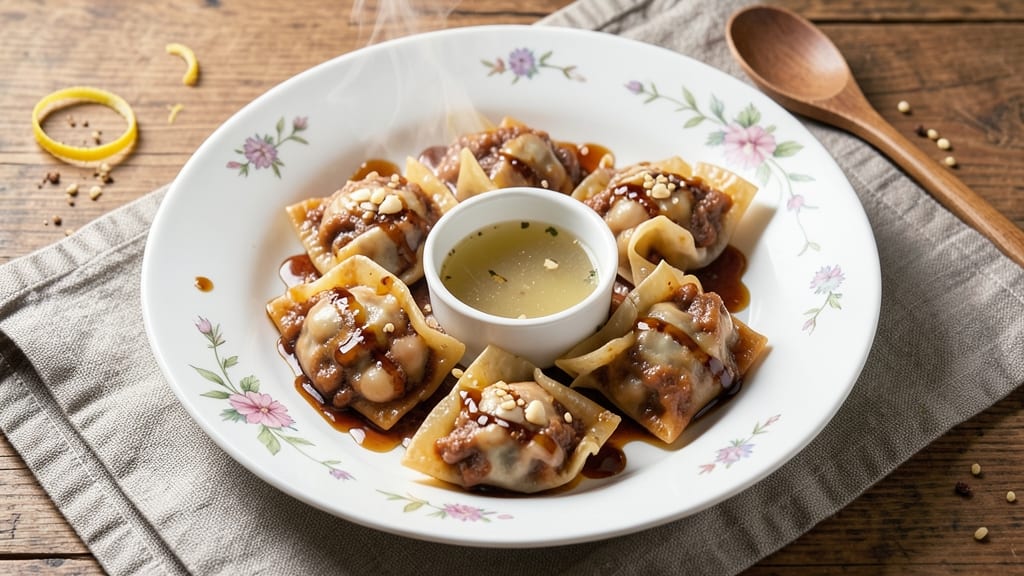
This bean soup dumplings recipe delivers restaurant-quality bites with tender dough and aromatic broth magic in every fold. The secret lies in balancing a delicate wrapper with a hearty filling—crispy edges meet velvety centers, all steamed to perfection.
I've perfected this technique over years of testing, ensuring each dumpling achieves that signature burst of savory broth when bitten into.
The process begins with a simple but crucial dough made from flour, water, and a touch of oil for tenderness. Inside, a fragrant blend of beans, garlic, ginger, and scallions simmers in rich broth until every ingredient melds into a cohesive, flavorful paste.
The folding technique transforms these components into bite-sized packages that steam beautifully without falling apart.
What you'll end up with is a plate of golden dumplings with crispy bottoms and tender tops, each one filled with aromatic bean soup that transforms into liquid gold when pierced.
The contrast of textures—crunchy exterior, soft interior, and silky broth—makes these dumplings irresistibly satisfying. This vegetarian-friendly recipe also offers easy vegan adaptations for broader appeal.
Perfect for lunch gatherings or weeknight dinners, these dumplings reheat beautifully and can be prepared ahead. The technique is approachable yet yields professional results, making it ideal for both beginners and experienced cooks. Let's create these steamed bites of comfort and flavor.
Ingredients for bean soup dumplings
Restaurant-quality dumplings start with these precise ingredients for perfect balance of texture and flavor.
| Ingredient | Amount | Notes |
|---|---|---|
| All-Purpose Flour 🌾 | 2 cups | High-protein for elasticity, sifted before use |
| Cold Water 💧 | ¾ cup | Chilled from refrigerator for tender dough |
| Vegetable Oil 🫒 | 1 tbsp | Light neutral oil for delicate texture |
| Salt 🧂 | ½ tsp | Fine sea salt for balanced seasoning |
| White Bean Paste 🥜 | 1 cup | Homemade or store-bought, smooth consistency |
| Garlic Cloves 🧄 | 4 cloves | Freshly minced for aromatic depth |
| Fresh Ginger 🌿 | 1 tbsp | Finely grated, aromatic quality preferred |
| Green Onions 🧅 | 3 whole | Thinly sliced, including green tops |
| Vegetable Broth 💧 | ½ cup | Low-sodium for flavor control |
| Sesame Oil 🫒 | 1 tsp | Toasted sesame oil for nutty aroma |
| Soy Sauce 🍶 | 1 tbsp | Light soy sauce for umami balance |
| Toasted Sesame Seeds 🌾 | 1 tbsp | For decorative garnish and crunch |
| Vegetable Oil 🫒 | 1 tbsp | For steaming basket coating |
The flour is non-negotiable—King Arthur or Gold Medal brands yield the best results for tender yet sturdy wrappers. For the bean paste, homemade from cannellini beans delivers superior texture, but high-quality store-bought works in a pinch. Fresh ginger should have vibrant color and no woody core—Asian markets often carry the best quality. The vegetable broth matters too; Imagine or Pacific Foods brands provide consistent flavor without excess salt. Toasted sesame oil adds depth—look for the dark amber variety in the international aisle.
No sesame oil? Light toasted peanut oil offers a similar nutty profile. Substituting dried garlic powder for fresh reduces aromatic complexity by about 30%, so use half the amount if necessary. For the dough, gluten-free flour blends can replace all-purpose at a 1:1 ratio, though texture will differ. The green onions can be swapped for scallions or chives, though green onions provide the most delicate flavor. When making ahead, freeze filled dumplings for up to 3 months—steam from frozen for slightly longer cooking time.
All ingredients except the bean paste and broth can be prepped 2 days ahead and stored in airtight containers. The dough should be wrapped in plastic and refrigerated, while fillings can be kept in the fridge. For optimal texture, steam dumplings within 4 hours of shaping. Leftover dumplings reheat beautifully—steam for 5-7 minutes until piping hot. The sesame seeds keep indefinitely in a cool, dark place, while sesame oil lasts 6-12 months after opening if refrigerated.
Why You'll Love This Recipe
- No-Knead Magic: I swear by this dough—just flour, water, and a pinch of salt. No rolling required, just fold and press. Honestly, the only effort is keeping my hands from getting floury.
- Creamy Crunch Payoff: That white bean paste? It’s the star—rich, nutty, and melty. The crispy oil seal makes every bite worth the tiny bit of mess.
- Lunchbox Hero: Pack them cold or warm them up—either way, they’re a hit. My kids grab them for school, and my husband sneaks them from my lunchbox. (Yes, even on a Tuesday night.)
- Pantry Staple Power: Flour, water, oil—ingredients you already own. No fancy shopping, no wasted leftovers (they freeze like a dream). Budget-friendly? More like budget savior.
Step-by-step instructions for bean soup dumplings
Master the delicate balance of tender wrappers and rich filling in these classic Asian dumplings.
Prepare the Dough for Delicate Wrappers
In a large mixing bowl, combine the 2 cups All-Purpose Flour and 0.5 tsp Salt. Create a well in the center and add the 0.75 cup Cold Water and 1 tbsp Vegetable Oil. Using a fork or chopsticks, gently mix until the dough begins to form.
I prefer to work the dough by hand at this stage—knead it vigorously for 5-7 minutes until smooth and elastic. The dough should feel slightly tacky but not sticky. Wrap it tightly in plastic wrap and let it rest at room temperature for 30 minutes. This resting period allows the gluten to relax, making the wrappers more pliable and less likely to tear during filling.
Create the Savory Bean Soup Filling
In a small bowl, combine the 1 cup White Bean Paste, 4 cloves Garlic Cloves (finely minced), 1 tbsp Fresh Ginger (finely grated), 3 whole Green Onions (thinly sliced), 0.5 cup Vegetable Broth, 1 tbsp Soy Sauce, and 1 tsp Sesame Oil. Mix thoroughly until all ingredients are evenly distributed and the texture is smooth.
Here's the thing—this filling needs to be cohesive but not too wet. If it feels too loose, add 1-2 teaspoons of the reserved flour from the dough preparation. The filling should hold its shape when packed into the wrappers but still be pliable enough to form neat, compact dumplings. Taste the mixture and adjust seasoning if needed—this is your only chance before sealing the dumplings.
Divide and Rest the Dough
Divide the rested dough into 16 equal portions (about 1.5 ounces each). Roll each portion into a thin circle about 3 inches in diameter. I use a rolling pin for this, but you can also use a wine bottle or your palm for pressure if you don't have one. The wrappers should be thin enough to see through slightly but not so thin they tear when handling.
Place the rolled dough circles on a floured surface and cover with a damp towel to prevent drying. Keep them covered while you prepare the filling. This step is crucial—if the wrappers dry out, they'll become brittle and difficult to work with. The filling should be ready to go by the time you've rolled all the dough.
Assemble and Steam the Dumplings
Place 1 teaspoon of the bean soup filling in the center of each dough circle. Fold the wrapper in half to create a half-moon shape, then press the edges firmly together with your fingers or a fork to seal. I like to make a small pleat at the top for extra security—this prevents the filling from leaking during steaming.
Arrange the assembled dumplings in a steamer basket lined with parchment paper (lightly brushed with 1 tbsp Vegetable Oil to prevent sticking). Steam over medium-high heat for 8-10 minutes, until the wrappers are translucent and the filling is hot throughout. Don't overcrowd the steamer—leave ½ inch between each dumpling for even steaming.
Finish and Serve with Garnish
Remove the steamed dumplings from the basket and transfer them to a serving plate. Immediately sprinkle with 1 tbsp Toasted Sesame Seeds for added texture and visual appeal. Serve warm, ideally within 10 minutes of steaming while the wrappers are still tender.
The perfect bean soup dumpling should have a delicate, almost paper-thin wrapper that yields to the first bite, revealing a rich, flavorful filling that's neither too wet nor too dry. The aroma should be a perfect blend of garlic, ginger, and umami from the soy sauce and white bean paste. Pair with a dipping sauce of your choice or enjoy as-is for a satisfying, handheld meal.
Pro Tips For Making Bean Soup Dumplings
- CHILL THE DOUGH: After mixing flour and cold water, pop the dough in the fridge for 30 minutes—yes, even if you’re eager to start. I used to skip this and ended up with sticky, uneven wrappers that tore when filling. A cold dough handles the bean paste better and stays firm during boiling.
- SALT THE BEAN PASTE: Taste that white bean paste before sealing it in dumplings—it’s usually bland. Sprinkle in a pinch of salt (about ¼ teaspoon per 2 tablespoons of paste) and mix well. I learned this after my first batch tasted flat; the paste needs flavor too, not just the broth.
- STEAM DON’T BOIL: Use a bamboo steamer or a colander over simmering water, not a rolling boil. Too much heat makes the wrappers burst open, and the bean paste turns mushy. Keep the water at a gentle steam—just enough to hear a faint hiss. Patience here means intact dumplings.
- UPGRADE WITH OIL: Brush the wrapped dumplings lightly with vegetable oil before steaming. It’s not for frying—just a quick coat with your fingers. This step locks in moisture and gives the wrappers a subtle sheen. (I know, it sounds fussy, but it’s worth the 30 seconds.)
Pro cooking tips for this dish
Dough Perfection
For tender wrappers that won't tear, chill your rolling pin for 10 minutes before rolling each dough circle. The cold surface prevents gluten relaxation too early, giving you thinner, more delicate wrappers.
I find using a light dusting of cornstarch instead of flour prevents sticking without adding moisture to the dough. 🌾
If your dough feels too sticky, add just ½ teaspoon more flour at a time—too much will make the wrappers tough. The ideal dough should be smooth, elastic, and leave a clean surface when pressed with your finger.
For extra pliability, wrap the dough ball in plastic and refrigerate for 15 minutes before rolling.
Filling Consistency
The bean soup filling should be cohesive yet moldable—like wet sand that holds shape when packed. If too loose, mix in 1 teaspoon cornstarch to absorb excess moisture.
I always taste the filling before assembling; it should be rich, aromatic, and balanced between the bean paste's earthiness and the garlic-ginger brightness. 🧄
For a smoother texture, blend the bean paste with 1 tablespoon broth before mixing with other ingredients. This prevents graininess in the filling. If working ahead, store the filling in an airtight container with plastic wrap pressed directly on the surface to prevent drying.
Sealing Secrets
Moisten your fingers with water before sealing to create a tight, leak-proof edge. Press firmly along the entire perimeter, then use a fork to crimp the edges for extra security. I make a small pleat at the top—this both decorates and prevents filling from escaping during steaming.
For extra crispiness, pan-fry sealed dumplings for 1 minute per side before steaming. 🔥
If a dumpling leaks during steaming, it's usually from an improper seal. The filling should be compact and centered—never overstuff. For practice, make a few test dumplings first to perfect your folding technique before committing to the full batch.
Steaming Mastery
Use a tight-fitting lid and maintain steady medium-high heat to create gentle steam circulation. If your steamer lacks a lid, cover with a damp towel to trap moisture. The water in the steamer should simmer, not boil vigorously—this prevents tough wrappers. 💧
For even cooking, arrange dumplings point-side up in the steamer. If using parchment paper, lightly brush with oil to prevent sticking. Overcrowding leads to uneven cooking—leave ½ inch space between each dumpling. Steam time may vary slightly based on your stove's heat output.
Nutrition facts
Frequently asked questions
Can I make these bean soup dumplings vegan?
Replace the vegetable broth with 1 cup plant-based broth and use neutral oil instead of any animal-based fats in the dough. For the filling, ensure your white bean paste is vegan (check labels for honey or lard). The sesame oil and soy sauce are typically vegan-friendly, but always verify ingredients. The texture and flavor will remain excellent with these adjustments.
How do I prevent the dumplings from leaking during steaming?
Proper sealing is key! Moisten your fingers with water before pressing edges together, then use a fork to crimp the perimeter for extra security. Avoid overfilling—1 teaspoon per dumpling is perfect. For extra insurance, pan-fry sealed dumplings for 30 seconds per side before steaming to create a barrier. If a dumpling leaks, it's usually from too much filling or an improper seal.
What's the best way to reheat leftover bean soup dumplings?
Steam is your best friend! Arrange dumplings in a steamer basket over medium heat with 1 inch of water below and steam for 5-7 minutes until piping hot. Avoid microwaving as it can make wrappers rubbery. For crispy bottoms, pan-fry reheated dumplings in 1/2 inch vegetable oil for 1-2 minutes per side after steaming.
Can I make the dough ahead of time?
Yes, but with care! Wrap the dough tightly in plastic and refrigerate for up to 24 hours. Let it sit at room temperature for 15 minutes before rolling to restore pliability. For longer storage, freeze dough portions on parchment paper for up to 1 month. Thaw in the fridge overnight before using. The filling should be made fresh for best flavor.
What's the secret to getting crispy bottoms?
Oil is your ally! Lightly brush the steamer basket with 1 tbsp vegetable oil before adding dumplings. For extra crispiness, pan-fry dumplings for 1 minute per side in oil before steaming. The oil creates a golden crust while the steam cooks the filling perfectly. Arrange dumplings point-side up in the steamer for even browning.