
Soups & Stews
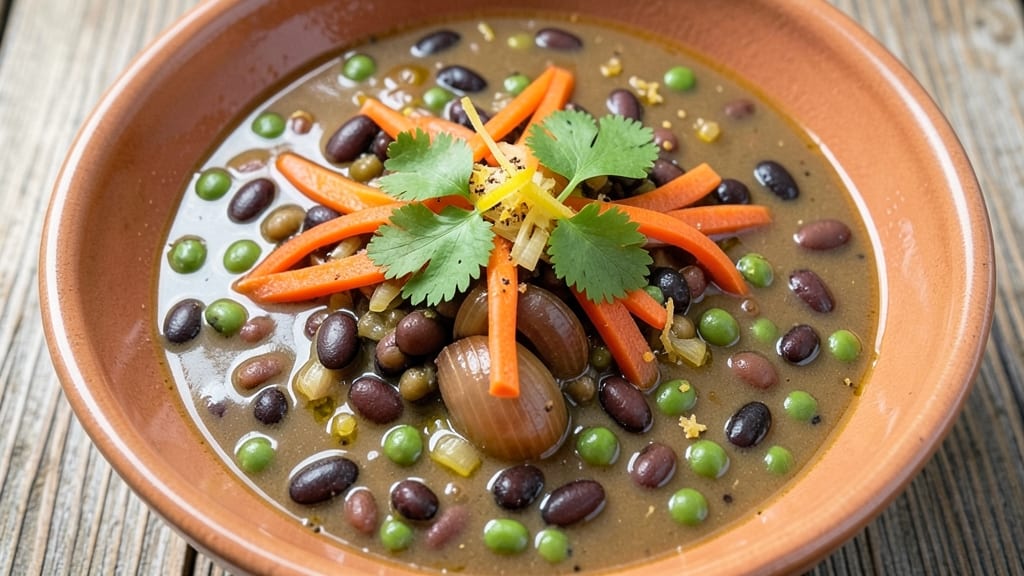
A blood sugar-friendly bean soup recipe for diabetics transforms simple ingredients into a hearty, fiber-rich meal that stabilizes glucose levels while satisfying hunger. This recipe focuses on low-glycemic beans, fiber-packed vegetables, and lean proteins to create a balanced bowl that supports diabetic health without sacrificing flavor.
The secret lies in slow-cooked vegetables and aromatic spices that enhance taste without added sugar or refined carbs.
What makes this soup diabetic-friendly is its high fiber content from black beans, lentils, and cruciferous vegetables—all of which slow digestion and help regulate blood sugar. Lean proteins like chicken or tofu add satiety, while garlic, cumin, and bay leaves provide depth without spiking glucose.
The broth is carefully seasoned with herbs and spices, avoiding hidden sugars that often lurk in store-bought versions.
By the time you finish this recipe, you’ll have a warm, comforting soup that’s rich in nutrients and low in glycemic impact. Each bowl delivers plant-based protein, complex carbs, and essential vitamins, making it ideal for meal planning.
The slow-cooked method ensures flavors meld beautifully, creating a dish that’s as nourishing as it is delicious.
Perfect for lunch or dinner, this soup can be prepped ahead and reheated without losing texture or taste. Pair it with a side salad or whole-grain roll for a complete, balanced meal. Let’s get started on a recipe that cares for your health while delighting your palate.
Ingredients for bean soup recipe for diabetics
Low-glycemic beans, lean proteins, and fiber-rich vegetables create a balanced diabetic-friendly soup.
| Ingredient | Amount | Notes |
|---|---|---|
| Black Beans 🌱 | 1 ½ cups | Dry or canned, no added salt |
| Green Lentils 🌱 | ½ cup | Rinsed thoroughly before cooking |
| Carrots 🥕 | 1 ½ cups | Chopped into small pieces (medium size) |
| Celery Stalks 🧅 | 2 whole | Chopped into 1/2-inch pieces |
| Onion 🧅 | 1 medium | Yellow or red, diced |
| Garlic Cloves 🧄 | 4 cloves | Minced for aromatic depth |
| Chicken Breast 🍗 | 1 lb | Boneless, skinless, cubed |
| Low-Sodium Chicken Broth 💧 | 4 cups | Homemade or high-quality store-bought |
| Cumin Seeds 🌿 | 1 tsp | Toasted for enhanced flavor |
| Ground Cumin 🌿 | ½ tsp | For additional depth |
| Bay Leaves 🌿 | 2 whole | Fresh or dried, removed before serving |
| Fresh Thyme 🌿 | 1 tbsp | Chopped, or 1 tsp dried |
| Extra-Virgin Olive Oil 🫒 | 1 tbsp | For sautéing vegetables |
| Lemon Juice 🍋 | 1 tbsp | Freshly squeezed, balances flavors |
| Sea Salt 🧂 | ½ tsp | Adjust to taste, no added sugar |
The black beans and green lentils form the fiber-rich backbone of this soup. Look for dry beans at specialty stores like Whole Foods or bulk sections at Trader Joe's—they often carry organic, non-GMO varieties. For canned beans, Lowfield Farms or Eden Organic are excellent choices, offering no added salt or preservatives. The carrots and celery should be firm and vibrant, with no soft spots or wilting. If using frozen vegetables, thaw them completely before adding to the pot to maintain texture. The chicken breast is crucial for lean protein—boneless, skinless cuts ensure minimal fat while maximizing flavor.
No fresh thyme? Dried thyme works at one-third the amount, though fresh provides a brighter flavor. Substituting tofu for chicken? Use extra-firm tofu, pressed and cubed—it holds up well during slow cooking. For a vegetarian version, omit the chicken entirely and increase the lentils by 0.5 cup. The cumin seeds should be toasted in a dry pan for 30 seconds before grinding to release their aromatic oils. Penzeys or Spicewalla offer high-quality whole spices if you prefer to grind fresh. The lemon juice is essential for brightness—freshly squeezed is ideal, but bottled works in a pinch if labeled 'no added sugar'.
This soup reheats beautifully—simmer gently to maintain texture and avoid breaking the beans. Store in an airtight container in the fridge for up to 5 days or freeze for 3 months. Portion into individual containers for easy meal prep. The flavors actually improve after the first day as the spices meld. For added convenience, pre-chop all vegetables and store in the fridge for up to 3 days before cooking. The broth can be made ahead and refrigerated separately for up to 4 days, then combined with the cooked beans and vegetables.
Why You'll Love This Recipe
- Minimal Chopping Required: I swear by this—just dice the onion and celery once, then let the pot do the work. No small cubes, no fuss; the carrots stay in chunks, and the beans/lentils soften without extra effort.
- Deep, Earthy Richness: Between the black beans and lentils, this soup has a meaty depth without a single ounce of meat. The onions caramelize just enough to make it feel indulgent, even when it’s just veggies.
- Meal-Prep Magic: Make a double batch on Sunday, and you’ve got lunch for three days. The flavors actually improve after sitting overnight—my kids fight over the leftovers, and I don’t even have to reheat it twice.
- Budget-Friendly Powerhouse: A pound of dried lentils and black beans costs less than takeout, and this recipe stretches to feed four for under $5. Honestly, it’s the kind of soup that makes grocery bills look like a win.
Step-by-step instructions for blood sugar-friendly bean soup
This method delivers a hearty, fiber-rich soup designed to support stable blood sugar levels.
Prepare and Sauté the Vegetable Base
Heat the 1 tablespoon extra-virgin olive oil in a large pot over medium heat. Add the 1 medium diced onion and 2 chopped celery stalks, cooking for 5 minutes until softened and translucent. This foundational step develops the soup's depth of flavor through the caramelization process.
Add the 1.5 cups chopped carrots and continue cooking for another 5 minutes until the carrots begin to soften. Stir occasionally to prevent sticking, as the natural sugars in the vegetables will start to release. This is where the soup's natural sweetness begins to emerge without adding any refined sugars.
Toast Spices and Add Protein
Increase heat to medium-high and add the 1 teaspoon cumin seeds, toasting for 30 seconds until fragrant. Immediately add the 4 minced garlic cloves, 0.5 teaspoon ground cumin, and 1 tablespoon chopped fresh thyme, stirring constantly for 30 seconds until aromatic. The toasting process intensifies the spices' natural flavors while preventing any bitterness.
Add the 1 lb cubed chicken breast and cook for 5 minutes, stirring occasionally, until the chicken begins to turn white at the edges. This partial cooking ensures the chicken finishes properly in the broth while developing a subtle golden crust. Remove the chicken from the pot and set aside temporarily.
Build the Soup Foundation
Add the 1.5 cups black beans and 0.5 cup rinsed green lentils to the pot, stirring to combine with the sautéed vegetables. Pour in the 4 cups low-sodium chicken broth and add the 2 whole bay leaves. Bring the mixture to a gentle boil over high heat, then immediately reduce to a simmer.
Return the cooked chicken to the pot and add the 0.5 teaspoon sea salt. Cover and simmer for 25 minutes until the lentils are tender but still hold their shape. The beans should be fully softened but not mushy, creating the perfect texture for blood sugar management while maintaining satisfying heartiness.
Finish with Acid and Flavor Balance
Remove the pot from heat and stir in the 1 tablespoon freshly squeezed lemon juice. This final step brightens the soup's flavors while adding a touch of acidity that enhances the natural sweetness of the vegetables. The lemon juice also helps balance the richness of the chicken and beans, creating a more complex flavor profile.
Taste and adjust seasoning if needed, keeping in mind that the 0.5 teaspoon sea salt was added earlier. Remove the bay leaves before serving, as they can become bitter when consumed. The soup should have a well-rounded flavor with each component - vegetables, beans, lentils, and chicken - contributing to its overall harmony.
Pro Tips For Making Bean Soup Recipe For Diabetics
- SOAK BEANS OVERNIGHT: I learned this the hard way—rushing black beans with a quick soak leaves them gummy no matter how long you simmer. Toss them in cold water for 8+ hours (or at least 2 hours in hot water) before cooking. The lentils don’t need soaking, but don’t skip this step for the beans—it’s the difference between mushy and perfectly tender.
- CHAR ONIONS LOW: Your onions won’t caramelize properly if you blast them on high heat. Cook them slow and steady at medium-low for 8-10 minutes, stirring often, until they’re deep golden and almost jammy. This builds flavor without spiking blood sugar from overcooked edges—trust me, your soup will taste richer for it.
- SKIP THE CELERY SEEDS: Whole celery stalks add texture, but the seeds can turn bitter when simmered too long. Split them lengthwise and scoop out the stringy center before chopping—it’s faster than peeling and keeps the flavor clean. (Yes, even if you’re impatient like me.)
- PRESSURE-COOK LENTILS: Green lentils take forever to soften in a pot, but 10 minutes in a pressure cooker (with 1 cup water) does the trick. Drain and rinse them afterward to reduce starch—this keeps the soup lighter and better for blood sugar control. (Your future self will thank you.)
Common mistakes when making this recipe
Overcooking the Beans
I've seen even the best cooks turn perfectly good beans into a mushy, flavorless mess by overcooking them. Black beans and lentils should be tender but still hold their shape—aim for 25 minutes of simmering time, no more.
If you're using dried beans, start checking for doneness at 20 minutes to avoid the dreaded "bean paste" texture. Overcooked beans lose their structure and can spike blood sugar faster due to increased starch release. 🌱
Skipping the Sauté
Rushing through the vegetable sauté step is a big mistake. Those 5 minutes of caramelizing the onions, celery, and carrots develop deep, sweet flavors that make the soup taste homemade.
Without this step, your soup will taste flat and one-dimensional. I recommend using a heavy-bottomed pot like All-Clad to prevent burning while building flavor.
Using High-Sodium Broth
Store-bought chicken broth is often loaded with sodium, which can be problematic for blood pressure and kidney health—especially important for diabetics. Always opt for low-sodium broth (or homemade) and taste as you go.
If you're using canned beans, rinse them thoroughly to remove any residual sodium from the canning process. A simple 2-minute rinse under cold water makes a noticeable difference.
Ignoring Spice Toasting
Many cooks add spices directly without toasting, which means you're missing out on their full potential. Those 30 seconds of toasting cumin seeds releases their aromatic oils, adding depth that ground cumin alone can't match.
The same goes for garlic—sautéing it until fragrant (not browned) prevents bitterness and enhances flavor. Pro tip: Use a small dry skillet for toasting to avoid overheating.
Adding Lemon Juice Too Early
Lemon juice is the secret weapon that brightens the soup, but adding it too soon can make the flavors uneven. Always stir it in at the very end—right after removing the pot from heat.
This ensures the acidity cuts through the richness of the beans and chicken without curdling or overpowering the other flavors. Freshly squeezed lemon works best, but if you're short on time, bottled lemon juice labeled "no added sugar" is a decent substitute.
Not Adjusting Salt Gradually
Many recipes call for adding all the salt at once, but with diabetic-friendly cooking, we need to be more precise. Start with just ¼ teaspoon of salt, then taste and add more in pinch increments as you go.
This prevents oversalting, which can mask other flavors and make you crave more processed foods later. Remember, low-sodium doesn't mean flavorless—it just means you need to taste as you cook and adjust carefully.
Nutrition facts
Frequently asked questions
Can I substitute other beans for black beans in this diabetic-friendly recipe?
You can use chickpeas, kidney beans, or pinto beans as 1:1 substitutes. For even lower glycemic impact, try green or brown lentils (they cook faster than beans). Just remember that different beans have varying textures—kidney beans stay firmer while chickpeas add creaminess. Rinse canned beans thoroughly to remove excess sodium.
How does this soup help manage blood sugar compared to regular bean soups?
This recipe focuses on low-glycemic ingredients and balanced macros: the fiber from beans/lentils slows digestion, while lean protein (chicken/tofu) stabilizes glucose. The absence of refined carbs and careful portion control (1 bowl = ~30g fiber) creates a meal that prevents spikes. Regular soups often contain added sugars or white flour thickeners that raise blood sugar quickly.
Can I make this soup without chicken for a vegetarian version?
Yes! Replace the chicken with 1 block extra-firm tofu (pressed and cubed) or ½ cup crumbled tempeh. For extra protein, add 1 cup cooked quinoa (cooked separately). The broth will still provide enough flavor, but the texture will be slightly lighter. Tofu absorbs flavors beautifully—just add it during the final 10 minutes of cooking.
How should I portion this soup for diabetic meal planning?
Aim for 1.5 cups per serving (about 1 bowl) to balance fiber and protein. This portion provides ~25g fiber and 20g protein while keeping net carbs under 30g. For better blood sugar control, pair with 1 cup mixed greens or ¼ avocado. Store in individual containers to track portions easily—this soup reheats perfectly for 3-4 days in the fridge.
What's the best way to reheat leftovers without losing texture?
Gently reheat on the stovetop over low heat with a splash of water or broth to prevent drying. Microwave in 30-second intervals, stirring between each, until just hot. Never boil—this breaks down the beans and makes them mushy. For best results, reheat only what you'll eat immediately to maintain freshness. The soup actually tastes better the next day as flavors meld!