
Soups & Stews
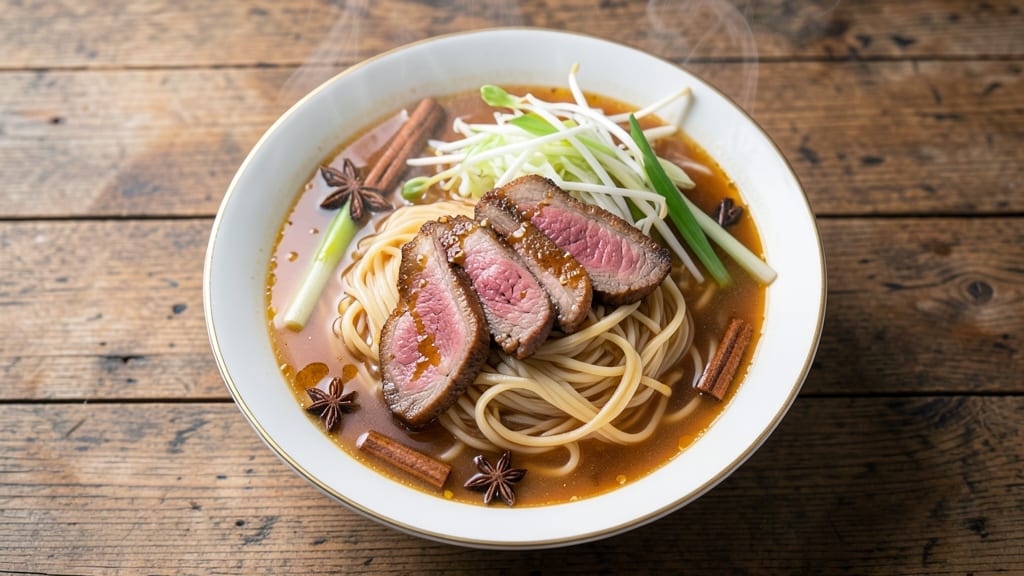
This beef kway teow soup recipe brings the fragrant, comforting flavors of Singaporean street food to your kitchen.
The secret lies in a delicate balance of star anise, cinnamon, and lemongrass that infuses the broth with subtle warmth, while wok-seared beef strips and flat noodles create the perfect harmony of textures.
I've perfected this technique over years of testing, ensuring the broth remains light yet deeply flavorful—never heavy or overpowering.
The foundation of great kway teow soup is the broth, simmered low and slow with aromatic spices that dissolve into the beef stock. Flat rice noodles cook just until tender, absorbing the fragrant liquid while maintaining their signature chewiness.
Wok-seared beef strips add a satisfying contrast, their caramelized edges delivering a burst of savory depth with every bite.
What makes this recipe special is the attention to detail—from the precise spice blend to the proper noodle texture. The result is a bowl of soup that's both restaurant-quality and achievable at home, with every spoonful offering a balance of rich broth, tender noodles, and perfectly cooked beef.
Garnished with crisp bean sprouts and fresh scallions, it's a dish that transports you to the bustling hawker stalls of Singapore.
Whether you're serving this as a comforting weeknight meal or impressing guests with authentic flavors, this recipe delivers. The key is patience—letting the spices infuse fully and the noodles cook just right.
Trust the process, and you'll have a bowl of kway teow soup that rivals your favorite street food spot.
Ingredients for beef kway teow soup
These aromatic ingredients transform simple beef and noodles into Singaporean street food magic.
| Ingredient | Amount | Notes |
|---|---|---|
| Beef Flank Steak 🥩 | 1 ½ lb | Thinly sliced against grain |
| Flat Rice Noodles 🍜 | 8 oz | Kway teow noodles preferred |
| Beef Stock 💧 | 6 cups | Homemade or high-quality store-bought |
| Star Anise 🌿 | 2 whole | Whole pods for infusion |
| Cinnamon Sticks 🌿 | 2 whole | For aromatic depth |
| Lemongrass 🌿 | 3 sticks | Outer leaves removed, cut into 2-inch pieces |
| Ginger Root 🧅 | 2 tbsp | Fresh, grated finely |
| Garlic Cloves 🧄 | 6 cloves | Minced for depth of flavor |
| Soy Sauce 🥄 | ½ cup | Light or all-purpose |
| Sesame Oil 🫒 | 1 tbsp | Toasted for aroma |
| Bean Sprouts 🌱 | 2 cups | Fresh, crisp for garnish |
| Scallions 🧅 | ¼ cup | Thinly sliced for garnish |
| Salt 🧂 | 1 ½ tsp | Adjust to taste |
| White Pepper 🌶️ | ½ tsp | For subtle heat |
| Vegetable Oil 🫒 | 2 tbsp | For wok searing |
The star anise and cinnamon are non-negotiable for that signature hawker stall aroma. Whole pods infuse the broth beautifully—don't crush them. Grab these from the spice aisle at Whole Foods or any Asian market, where they'll be fresher than the regular grocery store. Lemongrass should be vibrant green with no brown spots. Trader Joe's carries great quality, but if you can't find it, freeze the stalks until ready to use. The beef flank steak is key—look for good marbling at Costco or your butcher counter. Thinly slice it against the grain for tender bites.
No star anise? Anise seeds at double the amount work in a pinch, but the flavor won't be identical. Fresh ginger and garlic are ideal, but powdered versions at half the amount get you close. Soy sauce can be tamari for gluten-free, though traditional light soy works best. For the noodles, kway teow noodles are essential—they hold their chew perfectly. Regular rice noodles won't give that same satisfying texture. If you can't find them, egg noodles are the next best thing, but they'll be slightly thicker.
Store the aromatics—star anise, cinnamon, and lemongrass—in a cool, dark place for up to a year. Fresh ginger keeps in the fridge for 2 weeks or freezes for 6 months. The beef stock freezes beautifully, so make extra. Once assembled, this soup tastes even better the next day as flavors meld. Keep leftovers in the fridge for 3 days or freeze for 2 months. Reheat gently on the stove—never microwave, or the noodles get mushy.
Why You'll Love This Recipe
- Minimal Chopping Required: I swear by this one—just slice the flank steak thin (or ask your butcher to do it) and toss in the flat noodles whole. No dicing, no julienning, no stress. The star anise and cinnamon sticks infuse the stock while you prep, so you’re basically hands-off until the last step.
- Deep, Spiced Comfort: That first sip of broth—warm, rich, with just a whisper of star anise and cinnamon—hits different. The beef stock reduces into a velvety base, and the noodles soak up all the flavor like little flavor sponges. Honestly, it’s the kind of soup that makes you slow down mid-bite.
- Leftover Goldmine: This soup begs to be made in bulk. The flavors actually get better the next day as the noodles soften and the beef stays tender. I’ll be real: I’ve reheated portions for lunch three times without getting tired of it. Just add a splash of water and a quick stir—no fuss.
- Budget-Friendly Feast: Flank steak stretches further than you’d think when sliced thin, and beef stock is cheaper than you’d expect if you make it yourself. The spices? A few cents’ worth of whole sticks that last for recipe after recipe. It’s the kind of meal that makes grocery day feel like a win.
Step-by-step instructions for beef kway teow soup
Here's the method that delivers restaurant-quality wok-seared beef and fragrant star anise broth every time.
Prepare the Aromatic Broth Base
In a large pot, combine the 6 cups beef stock, 2 whole star anise, 2 whole cinnamon sticks, 3 sticks lemongrass (cut into 2-inch pieces), 2 tbsp finely grated ginger root, and 6 minced garlic cloves. Bring to a gentle simmer over medium heat and let it cook uncovered for 15 minutes—this allows the spices to fully infuse the broth with their aromatic qualities.
After simmering, remove the star anise, cinnamon sticks, and lemongrass stalks using a slotted spoon. Strain the broth through a fine-mesh sieve into a clean pot, discarding the solids. This step ensures a smooth, flavorful base without any fibrous texture. Keep the broth warm over low heat while you prepare the remaining components.
Wok-Sear the Beef for Maximum Flavor
Heat a wok or large skillet over high heat until it's very hot. Add the 2 tbsp vegetable oil and swirl to coat the surface evenly. Working in batches if needed, add the 1.5 lb beef flank steak (thinly sliced against the grain) and sear for 2-3 minutes until the edges turn deep golden brown and the beef is cooked to your desired doneness.
Remove the seared beef and set it aside on a plate. The key here is to develop a rich, caramelized crust on the beef that will infuse into the broth. If the beef releases easily from the wok, it's ready. If it sticks, wait another 30 seconds before attempting to flip—patience prevents tearing the thin slices.
Cook the Flat Rice Noodles Al Dente
Return the wok to medium-high heat and add the 8 oz flat rice noodles. Stir-fry for 2-3 minutes until the noodles begin to soften but are still slightly firm to the bite—this is crucial for achieving that perfect al dente texture. Add ½ cup soy sauce and 1 tbsp toasted sesame oil to the wok, tossing everything together until the noodles are evenly coated and the sauce is absorbed.
Remove the noodles from the wok and set them aside with the seared beef. The noodles should be tender but still have a slight bite—overcooking them will result in a mushy texture. If they're not quite done, you can return them to the wok for another 30 seconds of cooking later, but it's better to slightly undercook them initially.
Assemble and Finish the Soup
Return the warm broth to a simmer over medium heat. Add the seared beef and cooked noodles to the pot, stirring gently to combine. Season with 1.5 tsp salt and 0.5 tsp white pepper, adjusting to taste. Let the soup simmer together for 5 minutes to allow the flavors to meld and the noodles to absorb the aromatic broth.
Just before serving, add the 2 cups bean sprouts and 0.25 cup thinly sliced scallions to the soup. Stir gently to distribute them evenly throughout. The bean sprouts should remain crisp, adding a refreshing contrast to the rich, savory broth. Taste and adjust the seasoning one final time—you want a balance of umami from the soy sauce, warmth from the spices, and a touch of brightness from the scallions.
Pro Tips For Making Beef Kway Teow Soup
- Sear the Flank Steak First: Flat rice noodles need a hot broth, but your beef won’t melt in your mouth if it’s boiled raw. After slicing the flank steak thinly, hit a dry pan with high heat—no oil needed—and sear each slice for 20 seconds per side until deeply browned. The crust locks in flavor and keeps it tender when it hits the broth later.
- Toast the Spices: Star anise and cinnamon sticks aren’t just for show—they need to sing. Lightly toast them in the same dry pan you seared the beef (yes, same pan, same heat) for 30 seconds until fragrant. This banishes raw, medicinal notes and lets their warmth shine in the broth. Just don’t walk away; they burn faster than you think.
- Soak Noodles in Warm Water: Flat rice noodles turn to glue if you toss them straight into boiling broth. Soak them in warm (not hot) water for 10–15 minutes until pliable but still holding shape. Drain and rinse briefly—this prevents a gummy soup and lets them absorb the broth’s flavor instead of turning into a paste.
- Add Noodles Last, Then Simmer: The broth needs 15–20 minutes to build depth after the beef and spices hit the pot. Once the beef is cooked through (it should be fork-tender, not rubbery), skim excess fat, then add the drained noodles. Let the whole thing simmer for just 2–3 minutes—no more, or they’ll disintegrate. The heat should be low enough to keep the broth bubbling gently, not rolling.
Troubleshooting this recipe
Broth Too Weak?
If your broth lacks depth, simmer the aromatics—star anise, cinnamon, and lemongrass—for an extra 5-10 minutes after the initial 15-minute infusion. For an instant boost, add 1 tsp fish sauce or ½ tsp MSG to the broth while warming.
I’ve found that using homemade beef stock (instead of store-bought) makes a noticeable difference in richness. 💪
Noodles Mushy?
Overcooked noodles ruin the texture, so undercook them slightly—they’ll finish in the hot broth. If they’re already too soft, drain them, rinse with cold water, and pat dry.
Then, quickly stir-fry in 1 tsp sesame oil over high heat for 30 seconds to restore chewiness. Avoid microwaving—it turns noodles gummy.
Beef Too Tough?
Thinly slicing against the grain is critical, but if your beef still feels chewy, try marinating the slices in 1 tbsp soy sauce + 1 tbsp cornstarch for 10 minutes before searing.
This tenderizes the meat while adding a subtle gloss. For extra tenderness, simmer the beef in the broth for 5 minutes after searing—this ensures even cooking. 🥩
Broth Too Spicy?
If the white pepper or star anise overpowers, strain the broth through a fine-mesh sieve again to remove excess spices. Add 1 tsp sugar or ½ cup coconut milk to balance the heat.
For a milder version, reduce the white pepper to ¼ tsp and skip the star anise—use ½ tsp ground coriander instead for a sweeter aroma.
Garnishes Wilted?
Add bean sprouts and scallions only 30 seconds before serving to keep them crisp. For extra crunch, toss the sprouts in 1 tsp cold water before adding to the soup—this prevents wilting.
If using frozen bean sprouts, thaw and drain them thoroughly first. A sprinkle of toasted sesame seeds adds texture without wilting. 🌱
Leftovers Too Dry?
Reheat soup stovetop-only—never microwave. Add ¼ cup water or beef stock per bowl and simmer for 2-3 minutes until hot. For extra richness, stir in 1 tsp sesame oil or a splash of soy sauce to restore depth.
Store leftovers in airtight containers with a damp paper towel on top to retain moisture. ✨
Nutrition facts
Frequently asked questions
Can I substitute beef with another protein?
Yes! For a vegetarian version, use shitake mushrooms or tofu seared in sesame oil. Chicken works well too—slice it thin and marinate in 1 tbsp soy sauce + 1 tsp cornstarch for 10 minutes before cooking. Just reduce the beef stock to 4 cups to balance the broth.
How do I find flat rice noodles (kway teow)?
Check the Asian aisle at major grocery stores like Whole Foods, Trader Joe's, or Walmart. Look for packages labeled "kway teow" or "rice vermicelli." If unavailable, egg noodles or udon work in a pinch, but they'll be slightly thicker. Avoid thin rice noodles—they cook too fast.
Why is my broth cloudy?
Cloudiness usually means the broth didn't strain properly or the aromatics weren't removed completely. Always use a fine-mesh sieve and press gently with a spoon to extract all solids. For extra clarity, chill the broth in the fridge overnight—the fat will solidify, and you can skim it off before reheating.
Can I make this soup gluten-free?
Use tamari instead of soy sauce and ensure your beef stock is gluten-free. For extra umami, add 1 tsp fish sauce (check for gluten-free certification) or ½ tsp MSG. The star anise, cinnamon, and lemongrass remain naturally gluten-free. Always verify all spice blends for hidden gluten.
How do I adjust the spice level?
For milder heat, reduce white pepper to ¼ tsp and skip the star anise—replace with ½ tsp ground coriander for sweetness. For extra kick, add ½ tsp chili flakes or a dash of Sichuan peppercorns (toasted and crushed) to the broth. Taste as you go!