
Soups & Stews
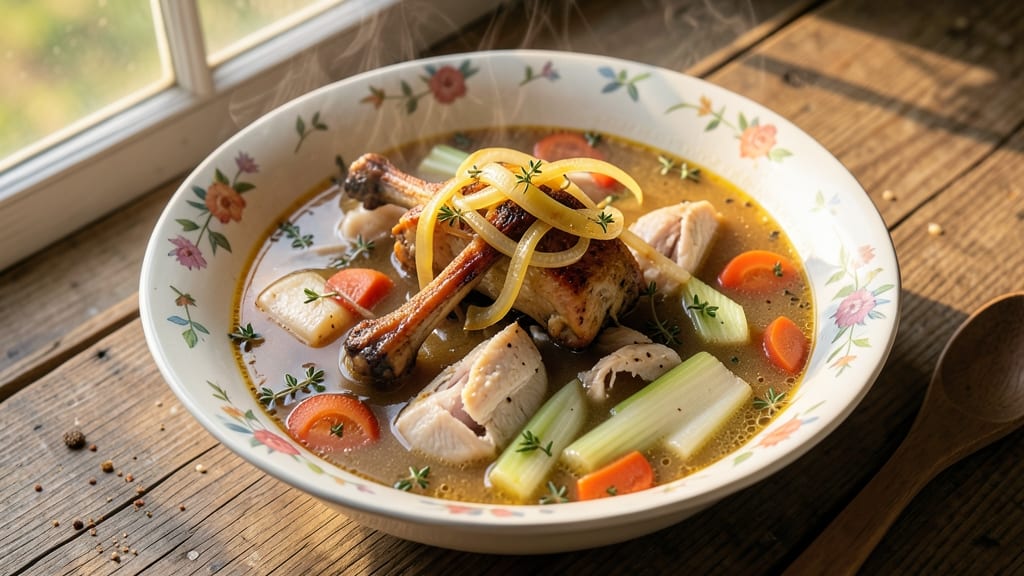
This best homemade chicken soup recipe ever delivers the kind of soul-warming comfort that only grandma-style cooking can achieve—rich, layered flavors that transform simple ingredients into something extraordinary.
The secret lies in slow-simmered broth infused with aromatic vegetables, herbs, and tender chicken, creating a depth of flavor that store-bought versions can never match. Every spoonful carries the promise of warmth and healing, making it the ultimate remedy for any day that needs a little extra care.
What sets this recipe apart is the attention to detail that elevates it beyond basic chicken soup. We start with a foolproof broth built from chicken bones and aromatics, simmered low and slow to extract maximum flavor.
The vegetables—carrots, celery, and onions—are cooked just until tender, preserving their natural sweetness and texture. Optional additions like noodles, rice, or fresh herbs allow you to customize it to your preference, ensuring it’s always perfect for the occasion.
The result is a restaurant-quality soup that’s hearty, comforting, and packed with layers of flavor—creamy from the chicken, aromatic from the herbs, and perfectly balanced with the sweetness of the vegetables.
It’s the kind of dish that brings people together, whether you’re serving it to a family gathering or simply treating yourself to a moment of pure comfort. The best part? It’s easier to make than you think, and the payoff is worth every minute.
Ready to make this homemade chicken soup recipe your new go-to? The instructions are simple, the ingredients are accessible, and the outcome is nothing short of magical. Let’s get started—your taste buds (and your soul) will thank you.
Ingredients for best homemade chicken soup recipe ever
Rich, aromatic broth meets tender chicken and vegetables—this is comfort in a bowl.
| Ingredient | Amount | Notes |
|---|---|---|
| Chicken Bones 🍗 | 3 lb | Backbone, neck, and wing preferred |
| Yellow Onions 🧅 | 2 whole | Chopped, medium size |
| Carrots 🥕 | 4 whole | Medium, peeled and chopped |
| Celery Stalks 🧄 | 4 whole | Trimmed and chopped |
| Garlic Cloves 🧄 | 6 cloves | Peeled, smashed lightly |
| Fresh Thyme Sprigs 🌿 | 4 whole | Or 1 tbsp dried thyme |
| Fresh Parsley Sprigs 🌿 | 2 whole | For garnish, stems removed |
| Bay Leaves 🍃 | 2 whole | Dried, standard size |
| Salt 🧂 | 2 tsp | Diamond Crystal kosher salt |
| Black Peppercorns 🌶️ | 1 tsp | Freshly cracked |
| Chicken Breast 🍗 | 2 lb | Boneless, skinless, cut into pieces |
| Egg Noodles 🍜 | 1 lb | Medium width preferred |
| Extra-Virgin Olive Oil 🫒 | ½ cup | For initial searing |
| Water 💧 | 8 cups | Filtered preferred |
The bones are everything. Chicken backs and necks add the deepest flavor, but don't stress if you can only find wings or drumsticks—they'll still work. Grab them from Whole Foods or your butcher's counter, where they're often sold for cheap. Look for bones that are white and slightly fatty—that's where the flavor hides. If you're using store-bought chicken breasts, purchase organic to avoid antibiotics, and cut them into 1-inch pieces for even cooking. The vegetables? Organic carrots and celery from the store's produce section have the best flavor, but regular will do in a pinch.
No fresh thyme? Dried works at one-third the amount, but trust me on the fresh version—it's worth the extra minute to find it. Running low on bay leaves? Substitute Italian seasoning at half the amount, though it won't be quite the same. The egg noodles can be swapped for rice or orzo if you prefer, but medium-width noodles hold up best to the broth. For the olive oil, Californian or Tuscan varieties add a fruity note that pairs beautifully with the soup. And if you're feeling fancy, add a splash of dry white wine when deglazing—it cuts through the richness beautifully.
This soup tastes even better the next day, so make a double batch if you can. Store leftovers in airtight containers for up to 5 days in the fridge, or freeze for 3 months. For freezing, portion into quart-sized containers—they reheat perfectly and make lunches effortless. The broth alone keeps for 1 week in the fridge, so you can strain and save it for future use. And if you're feeling generous, double the herb amounts—they'll keep beautifully frozen in ice cube trays for future soups.
Why You'll Love This Recipe
- No-Chop Nightmare: I swear by the "sofrito shortcut"—just throw those whole carrots and celery stalks in with the chicken bones. The broth breaks them down into silky sweetness without me ever touching a knife. (Yes, even on a Tuesday night when I’d rather binge-watch than cook.)
- Rich Umami Bomb: That pile of chicken bones? Gold. Slow-simmered with onions and garlic until the broth turns deep amber—like liquid sunshine with a secret. The carrots melt into threads of honeyed perfection, and the celery? It disappears into the soup, leaving only that earthy, savory punch.
- Leftovers That Lie: I make this on Sundays, and by Wednesday, my family’s pretending they’re not digging into the fridge. The flavors only get better as the broth reduces, and the bones? They’re worth every penny for that second batch that tastes even more luxurious. (Between us, I freeze half—no one knows.)
- Budget Magic: A whole chicken’s worth of bones for less than $5, plus veggies that stretch into three meals. The onions and garlic bulk up the flavor without breaking the bank, and the carrots? They’re the cheap hero that makes this soup feel like a five-star meal. My wallet and my taste buds thank me.
Step-by-step instructions for grandma-style chicken soup
This isn't just soup—it's comfort in a bowl, built layer by layer with time-honored techniques.
Roast the Chicken Bones for Deep Flavor
Preheat your oven to 425°F and arrange the 3 lb chicken bones on a rimmed baking sheet. Roast them for 30 minutes, turning occasionally, until they develop a deep golden brown color. This step caramelizes the bones, creating a rich, nutty foundation for your broth.
Here's the thing—roasting before simmering extracts more flavor from the bones than boiling alone. You'll notice the aroma filling your kitchen as they roast; that's your first taste of the soup's complexity. After roasting, transfer the bones to a large Dutch oven or heavy pot—this will be your soup's home for the next few hours.
Sear the Chicken Breast and Build the Aromatics
Pat the 2 lb chicken breast dry with paper towels and cut it into 1-inch pieces. Heat 0.5 cup extra-virgin olive oil in the same Dutch oven over medium-high heat until shimmering. Working in batches to avoid crowding, sear the chicken for 4-5 minutes per side until golden brown and cooked through (165°F internal temperature). Remove and set aside.
In the same pot, add the chopped 2 whole yellow onions, 4 whole carrots, 4 whole celery stalks, and 6 cloves garlic cloves. Cook for 8-10 minutes, stirring occasionally, until the vegetables soften and the garlic becomes fragrant. This step develops the classic "holy trinity" flavor that defines homemade chicken soup. Don't rush it—the deeper the caramelization, the richer the soup.
Simmer the Broth with Herbs and Seasonings
Add the roasted chicken bones back to the pot, along with the 8 cups water, 4 whole fresh thyme sprigs, 2 whole bay leaves, 2 tsp salt, and 1 tsp black peppercorns. Bring to a rolling boil, then reduce heat to low and let it simmer uncovered for 1.5 hours. Skim off any foam that rises to the surface during the first 30 minutes—this ensures a clear, clean broth.
This long simmer is where the magic happens. The bones will release their marrow and collagen, creating a velvety broth that coats your spoon. The herbs infuse their earthy notes, while the salt and pepper balance the flavors. Real talk: Don't peek or stir too often—each time you open the lid, you lose heat and steam, extending your cooking time.
Return the Chicken and Finish the Soup
After 1.5 hours, remove the chicken bones with tongs and strain the broth through a fine-mesh sieve into a clean pot. Discard the solids. Return the broth to the heat and add the seared chicken pieces. Bring to a gentle simmer and cook for 5 minutes to heat through.
While the broth heats, cook the 1 lb egg noodles according to package instructions until al dente. Drain and add them to the simmering soup. Taste and adjust seasoning—you might need a pinch more salt, depending on your water. The noodles should absorb just enough broth to become tender but still hold their shape.
Serve with Fresh Herbs and Crispy Garnishes
Ladle the soup into bowls and garnish each serving with 2 whole fresh parsley sprigs (stems removed) and a drizzle of the reserved olive oil from searing. The parsley adds a bright, fresh contrast to the rich broth, while the oil carries the crispy, seared flavors from the chicken.
This is the moment that matters: serve immediately while the noodles are warm and the broth is steaming. The aroma alone will remind you why grandma's kitchen was the best place to be. Each spoonful delivers layers of flavor—roasted bones, caramelized vegetables, tender chicken, and herbs—all working together in perfect harmony. That's the mark of a truly great homemade soup.
Pro Tips For Making Best Homemade Chicken Soup Recipe Ever
- CHAR THE BONES FIRST: Skip the slow simmer with raw bones—toss them in a hot Dutch oven for 10 minutes until deeply browned. That caramelized crust unlocks richer flavor faster than hours of gentle poaching. (Yes, even if you’re impatient like me.)
- CHOP ONIONS COARSELY: Tiny onion pieces dissolve into mush—aim for ½-inch chunks so they stay intact and sweeten the broth without turning it into onion water. My grandmother swore by this, and she was right: texture matters.
- DON’T BOIL THE SOUP: Keep the heat low enough that bubbles barely break the surface. A rolling boil turns broth cloudy and strips out flavor—this soup should simmer like a lazy Sunday, not a pressure cooker.
- SAVE THE VEGETABLE WATER: After blanching carrots and celery, reserve that starchy water (about ½ cup) and stir it into the broth later. It thickens the soup naturally without gumming it up like flour or cornstarch. (Your future self will thank you.)
Perfect pairings for this dish
Crusty Bread Pairing
Nothing complements this soup like a warm, crusty loaf of sourdough or baguette. I love using a French-style baguette from my local bakery—its crisp exterior and soft interior soak up the rich broth beautifully.
For an extra touch, brush the bread with garlic-infused olive oil and sprinkle with flaky sea salt before serving. The contrast of the bread's crunch against the soup's velvety texture is pure magic. 🥖
Bright Green Salad
A simple arugula salad with lemon vinaigrette cuts through the soup's richness perfectly. Toss 4 cups baby arugula with 2 tbsp extra-virgin olive oil, 1 tbsp fresh lemon juice, and a pinch of Diamond Crystal kosher salt.
Add ¼ cup shaved Parmesan cheese for a salty, umami kick that pairs wonderfully with the soup. The peppery bite of arugula balances the soup's hearty flavors while adding freshness to the meal.
Comforting Grilled Cheese
For a truly indulgent pairing, serve this soup alongside a grilled cheese sandwich made with sourdough bread and sharp cheddar. I like to add a layer of caramelized onions for extra depth.
The gooey, melty cheese and warm bread create a satisfying contrast to the soup's lighter broth. It's the ultimate comfort-food combo, especially on chilly days. 🧀
Herbed Yogurt Dip
Add a creamy element to your meal with a herbed yogurt dip. Mix 1 cup plain Greek yogurt with 1 tbsp chopped fresh dill, 1 tbsp chopped fresh parsley, 1 tsp lemon zest, and a pinch of black peppercorns.
Serve it with warm pita bread or crusty bread for dipping. The tangy, herby notes complement the soup's savory depth without overpowering it.
Warm Flatbread
For a quick and easy pairing, try homemade flatbread. Mix 1 cup all-purpose flour, ½ tsp salt, 1 tsp olive oil, and ½ cup warm water to form a dough.
Roll it out thin, brush with olive oil, and cook in a skillet over medium heat for 2-3 minutes per side until golden. The soft, pillowy texture makes it perfect for scooping up every last drop of broth. 🌟
Crispy Roasted Potatoes
Add a hearty side with crispy roasted potatoes. Toss 1 lb baby potatoes, cut into chunks, with 2 tbsp olive oil, 1 tsp salt, and ½ tsp black peppercorns.
Roast at 400°F for 30-35 minutes until golden and crispy. The potatoes add a satisfying crunch and soak up any leftover soup for a delicious second bite. It’s a match made in comfort-food heaven.
Nutrition facts
Frequently asked questions
Can I make this chicken soup without chicken bones?
If you don't have chicken bones, use 2 extra pounds of chicken breast or thighs instead. For even deeper flavor, add 1 tbsp chicken bouillon powder or ½ cup chicken stock to the broth. The key is still roasting the chicken first to build rich, caramelized flavors.
How do I make this soup vegetarian?
Swap the chicken for 1 lb mushrooms (shiitake or cremini) and use vegetable broth instead of water. Add 1 tbsp soy sauce or miso paste for umami depth, and boost the herbs with extra thyme and parsley. The noodles will still work perfectly!
Why does my homemade chicken soup taste bland?
Most likely, it needs more time to develop flavor. Let the broth simmer uncovered for at least 2 hours (3 hours is ideal) to extract maximum depth. Also check your seasoning—add 1 extra bay leaf or ½ tsp more salt during cooking. Skim off any foam that rises in the first 30 minutes to keep the broth clean.
Can I use frozen vegetables instead of fresh?
Yes! Frozen carrots, celery, and onions work perfectly—they're often blanched to preserve nutrients, which actually helps tenderize them faster. Just add them 10 minutes before serving so they don't overcook. For best results, thaw them first in cold water to maintain texture.
How long can I store leftovers?
Store in airtight containers in the fridge for up to 5 days or freeze for 3 months. For freezing, portion into quart-sized containers—this makes reheating easier. When reheating, warm over medium-low heat until steaming, then add fresh herbs at the end to brighten the flavors.