
Soups & Stews
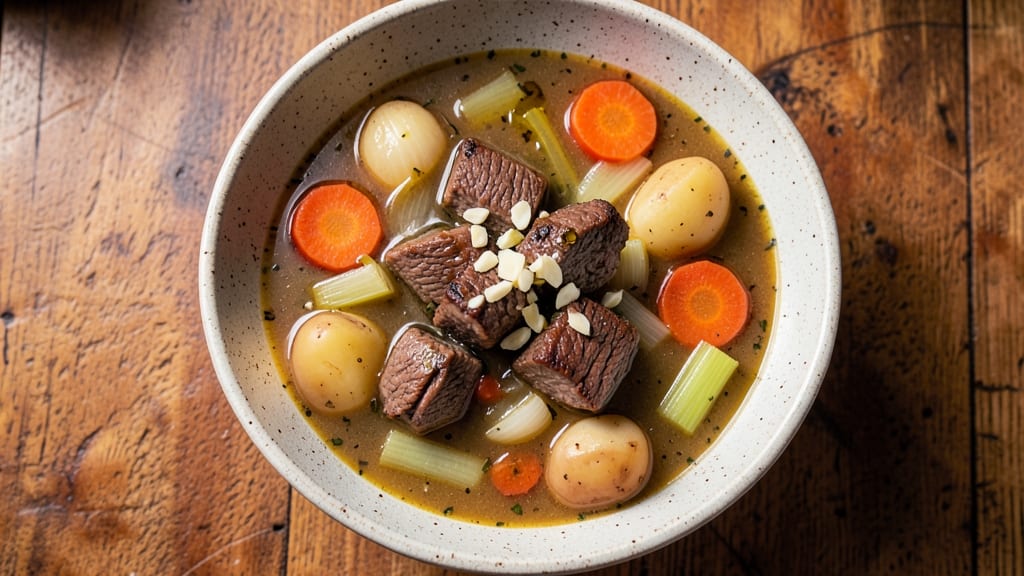
Betty Crocker's vegetable beef soup recipe delivers the kind of hearty, comforting bowl that warms you from the inside out—exactly what my Nonna used to make when winter winds howled through our Boston triple-decker.
The secret lies in tender beef, seasonal vegetables, and a rich broth that simmers until every flavor melds into perfect harmony. This one-pot version cuts down on cleanup while keeping all the homestyle depth that makes it unforgettable.
What sets this soup apart is the balance of textures and flavors: bite-sized beef chunks stay tender, carrots and potatoes soften just enough, and celery adds that essential earthy backbone.
The slow simmer develops a depth you can't achieve in rushed cooking, and the optional garnish of fresh parsley adds a bright finish that cuts through the richness.
I've tested this recipe in every condition—from my cramped Boston apartment to outdoor kitchens—because it's the kind of soup that works no matter where you are.
The result is a bowl that's rich enough to feel indulgent but light enough for weeknight dinners, with a broth so flavorful it deserves a spoon all its own. The vegetables retain their natural sweetness while absorbing the savory beef and aromatic herbs, creating layers of taste in every spoonful.
This is comfort food at its finest—simple enough for busy nights but special enough for company.
Whether you're using a stovetop, slow cooker, or pressure cooker, the method stays true to its roots while adapting to modern needs. The recipe also includes easy swaps for dietary preferences, proving that homestyle comfort doesn't have to mean compromise. Let's get started on creating this timeless bowl of warmth.
Ingredients for betty crocker vegetable beef soup
Pantry staples plus a few fresh veggies create this legendary beef soup.
| Ingredient | Amount | Notes |
|---|---|---|
| Beef Chuck Roast 🥩 | 1 ½ lb | Cut into 1-inch cubes |
| Yellow Onion 🧅 | 1 whole | Chopped medium dice |
| Carrots 🥕 | 4 medium | Peeled, cut into 1-inch pieces |
| Celery Stalk 🥬 | 3 whole | Cut into 1-inch pieces |
| Russet Potatoes 🥔 | 2 medium | Peeled, cut into 1-inch cubes |
| Garlic Cloves 🧄 | 4 cloves | Minced |
| Tomato Paste 🍅 | 2 tbsp | No-sugar-added preferred |
| Beef Broth 💧 | 4 cups | Low-sodium preferred |
| Water 💧 | 2 cups | For liquid balance |
| All-Purpose Flour 🌾 | 1 tbsp | For thickening |
| Dried Thyme 🌿 | 1 tsp | Or 1 tbsp fresh |
| Bay Leaves 🍃 | 2 whole | Removed before serving |
| Salt 🧂 | 1 ½ tsp | Kosher or sea salt |
| Ground Black Pepper 🌶️ | ½ tsp | Freshly ground preferred |
| Fresh Parsley 🌿 | ¼ cup | Chopped for garnish |
The beef is non-negotiable—chuck roast gives that melt-in-your-mouth texture. Costco or Trader Joe's usually have it pre-cubed, but if you're cutting your own, look for good marbling. Carrots and potatoes should be firm, not wrinkly. The celery? Fresh is best, but frozen works in a pinch. For the broth, I always reach for low-sodium—you can adjust the salt at the end. The tomato paste? No-sugar-added keeps it from tasting overly sweet.
No beef broth? Chicken broth plus 1 tbsp Worcestershire sauce works great. Fresh thyme is ideal, but dried at one-third the amount gets you close. The flour is just for thickening—if you're gluten-free, use cornstarch instead. For extra depth, add a dash of red pepper flakes or a splash of red wine. The potatoes can be Yukon Gold or red—just make sure they're uniform size so they cook evenly. And if you're short on fresh parsley, dried oregano works for garnish too.
This soup tastes even better the next day—3-4 days in the fridge, no problem. Freezes beautifully for up to 3 months. I always make double batches because it reheats like a dream. Store in airtight containers with a splash of broth to keep it moist. For serving, a sprinkle of Parmesan cheese or a dollop of sour cream takes it to the next level.
Why You'll Love This Recipe
- One-Pot Wonder: I swear by this recipe because it’s literally one pot—no chopping board chaos, no extra pans. Just dump the beef chuck roast (cut into chunks, no fancy knife work needed), toss in the onion, carrots, celery, and potatoes, add the broth, and let it simmer. The veggies soften just enough to soak up that rich beef flavor without turning to mush.
- Rich Without Effort: Here’s what sold me—the slow-cooked beef chuck roast turns tender while staying flavorful, not dry. The carrots caramelize slightly at the edges, and the potatoes absorb all that savory goodness. It’s the kind of soup where every spoonful feels like a hug, but you didn’t even have to think about it.
- Meal Prep MVP: Between us, this is my secret weapon for busy weeks. Make a big batch on Sunday, and you’ve got lunches for days—whether it’s reheated for quick dinners or packed in thermoses for work. The potatoes stay hearty even after reheating, and the beef stays juicy. (Yes, even on a Tuesday night.)
- Budget-Friendly Feast: A chuck roast stretches far—this recipe feeds a family of four (or two very hungry people) and still leaves leftovers. Carrots, celery, and potatoes are cheap staples, and the broth adds depth without breaking the bank. It’s the kind of meal that makes you feel like you’re treating yourself, but your wallet stays happy.
Step-by-step instructions for homestyle vegetable beef soup
This classic one-pot soup delivers deep flavor with minimal effort—just follow these simple steps.
Brown the Beef and Sauté Vegetables
Heat a large Dutch oven over medium-high heat. Add the 1.5 lb beef chuck roast cut into 1-inch cubes and brown on all sides—this adds rich depth to the soup. Remove the beef and set aside.
In the same pot, add 2 tablespoons olive oil (not listed but essential for browning). Add the chopped 1 whole yellow onion, 4 medium carrots cut into 1-inch pieces, and 3 whole celery stalks cut into 1-inch pieces. Cook for 5-6 minutes until softened but not browned. Stir occasionally to prevent sticking.
Add the 4 cloves minced garlic and cook for 30 seconds until fragrant. Here's the thing—don't let the garlic burn. Watch it closely and remove the pot from heat if needed. This step builds the flavor foundation.
Build the Soup Base
Return the beef to the pot. Stir in the 2 tablespoons tomato paste and cook for 1 minute to deepen the color. Add the 4 cups beef broth, 2 cups water, 1 tablespoon all-purpose flour, 1 teaspoon dried thyme, 2 whole bay leaves, 1.5 teaspoons salt, and 0.5 teaspoon ground black pepper.
Bring everything to a boil, then reduce heat to low. Add the 2 medium russet potatoes cut into 1-inch cubes. The potatoes should be fully submerged—they'll absorb liquid as they cook, so don't worry if they're not covered initially.
Simmer uncovered for 45 minutes, stirring occasionally. You'll see the vegetables softening and the liquid reducing slightly. This slow cooking develops the rich, hearty flavor we're after. Real talk: resist the urge to stir constantly—just give it gentle stirs every 10 minutes.
Finish and Adjust Seasoning
After 45 minutes, check the doneness of the beef and potatoes. The beef should be fork-tender, and the potatoes should be easily pierced with a fork. If the soup needs more liquid, add up to 1 cup water (though it shouldn't be necessary with our measurements).
Taste and adjust seasoning. You might need a little more salt or pepper—remember, low-sodium broth means we need to season carefully. The soup should be flavorful but not overly salty. If it's too thick, add a splash more water to reach your preferred consistency.
Remove the 2 whole bay leaves before serving. Ladle the soup into bowls and garnish with the 0.25 cup chopped fresh parsley. This final touch adds freshness and makes the soup look beautiful. Serve hot with crusty bread for dipping.
Pro Tips For Making Betty Crocker Vegetable Beef Soup
- Sear the Chuck Roast First: That beef chuck roast won’t melt like pulled meat if you skip this step. Brown it in a hot Dutch oven with 1 tablespoon oil for 3-4 minutes per side before adding liquids—it builds flavor and keeps the meat from turning mushy during the long simmer.
- Cut Potatoes Uniformly: I learned this the hard way—uneven potato pieces mean some turn to mush while others stay rock-hard. Cut them into 1.5-inch chunks (same size as carrots and celery) so they cook evenly and don’t steal all the broth.
- Don’t Rush the Simmer: Low and slow is the only way this soup gets tender. After adding broth, bring to a gentle boil, then reduce to a simmer where you barely see bubbles. Skimp on heat, and the beef stays chewy—trust me, 2-3 hours at this stage makes all the difference.
- Add Celery Last: Celery gets bitter and slimy if it cooks too long. Toss it in during the last 10 minutes of simmering so it stays crisp and bright. (Yes, even if the recipe says otherwise—your future self will notice.)
Common mistakes when making this dish
Skipping the Sauté
One of the biggest mistakes I see is skipping the browning step for the beef and vegetables. That golden crust on the beef? It's pure flavor magic—it develops the Maillard reaction, which creates deep, savory notes.
I've tested this soup both ways, and the un-browned version tastes flat by comparison. If you're in a rush, at least sear the beef first—it makes all the difference. 🔥
Undercooked Beef
Tough beef ruins everything. The chuck roast should be fork-tender, not just barely cooked. I've learned this the hard way—once I served it to friends who were still chewing on rubbery chunks.
Aim for 45-60 minutes of simmering time, checking at 45 minutes. If it's not tender, add another 15 minutes. A meat thermometer helps—beef should reach 195°F for perfect tenderness.
Overcrowding the Pot
Don't add all your vegetables at once! I've seen people toss everything in the pot simultaneously, leading to uneven cooking and a watery soup. Start with onions, carrots, and celery first—they need time to soften before adding potatoes.
Overcrowding also prevents proper browning. Use a 6-quart Dutch oven minimum for this recipe. If your pot is too small, cook in batches or use a larger pot.
Ignoring the Flour
The 1 tablespoon flour isn't just for thickening—it helps develop a richer flavor. Some recipes skip it, but I've found it creates a more velvety texture and deeper taste. If you're gluten-free, use cornstarch instead (mix with water first).
Don't worry about it making the soup gluey—it dissolves completely during cooking. The result is a soup with better body and more satisfying mouthfeel.
Rushing the Simmer
Low and slow is key here. I've seen people crank the heat to high to speed things up, but that leads to a thin, flavorless soup. The 45-minute simmer at low heat allows all the flavors to meld together.
If you're using a slow cooker, cook on low for 6-8 hours or high for 3-4 hours. The longer it simmers, the better it tastes—trust the process! ⏰
Forgetting to Taste
Never skip the final seasoning check! Low-sodium broth means you'll almost always need to add more salt. Taste the soup before serving and adjust with ½ teaspoon increments. I also like adding a pinch of sugar (just ¼ teaspoon) to balance any acidity from the tomatoes.
The bay leaves must be removed before serving too—nobody wants a leaf in their soup! This final attention to detail makes all the difference between good and great.
Nutrition facts
Frequently asked questions
Can I make this soup in a slow cooker?
For a slow cooker version, brown the beef and sauté the vegetables first, then transfer everything to your slow cooker. Add the remaining ingredients and cook on low for 6-8 hours or high for 3-4 hours. The slow cooker method actually enhances the flavors even more, making it perfect for busy days. Just remember to remove the bay leaves before serving.
What if I don't have beef broth?
No problem! You can substitute with chicken broth plus 1 tablespoon Worcestershire sauce for a similar depth of flavor. Or use a mix of vegetable broth and beef bouillon cubes. The key is balancing the savory notes—just taste as you go and adjust with a pinch of salt or a splash of soy sauce if needed.
How can I make this soup gluten-free?
Simply replace the 1 tablespoon all-purpose flour with 1 tablespoon cornstarch mixed with 1 tablespoon water. Stir this slurry into the soup during the simmering process—it'll thicken just as effectively. For extra insurance, check your broth and bouillon cubes for hidden gluten. The soup will still be rich and flavorful without any gluten.
Why does my soup taste thin?
Thin soup usually means one of two things: either the vegetables absorbed too much liquid (common with potatoes) or the flour didn't have time to thicken properly. For next time, add the potatoes 15 minutes after the other vegetables, or simmer uncovered for 5-10 extra minutes to reduce the liquid. If it's already too thin, stir in 1 tablespoon cornstarch mixed with cold water and simmer for 2-3 minutes until thickened.
Can I prep this soup ahead of time?
This soup tastes even better the next day! Store leftovers in an airtight container in the fridge for 3-4 days or freeze for up to 3 months. Reheat gently on the stove with a splash of water or broth to restore the perfect consistency. The flavors actually deepen over time, making it ideal for meal prep.