
Soups & Stews
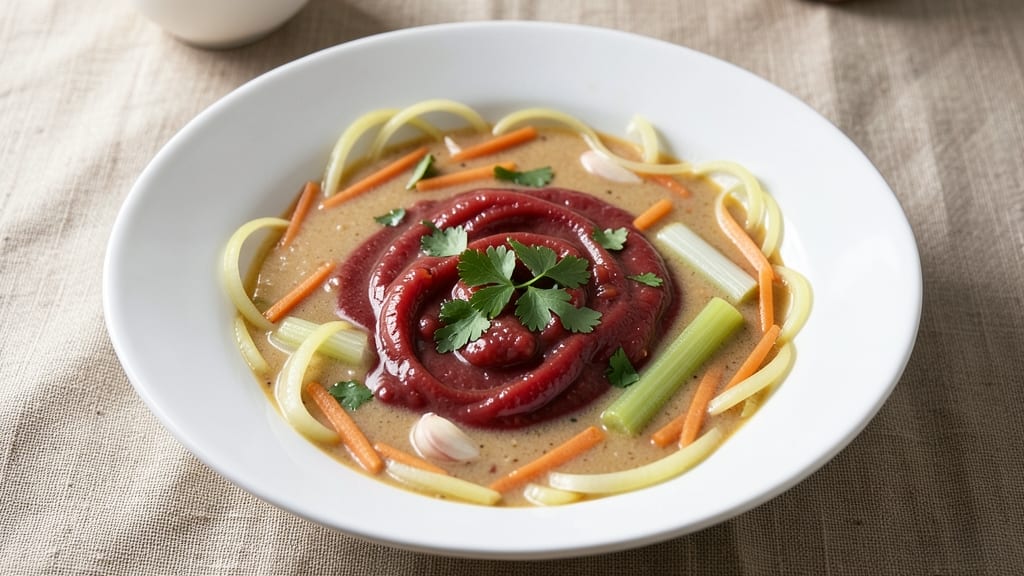
Betty Crocker vegetable soup delivers that nostalgic, comforting bowl of warmth that tastes like home—just like the classic recipes from your kitchen table. ✨ The secret lies in blending fresh vegetables with rich broth and a touch of creaminess, all simmered together until every spoonful feels hearty and inviting.
I’ve refined this version to cut prep time while keeping that familiar, cozy flavor you crave after a long day.
What makes this recipe special is its balance of simplicity and depth. You’ll start with a simple sauté of onions and carrots to build flavor, then add frozen or fresh vegetables for convenience without sacrificing taste.
A splash of cream at the end adds that signature smoothness that makes it feel like a restaurant-quality bowl. The best part? It’s ready in just 30 minutes, making it perfect for weeknight dinners when you need comfort fast.
By the time you’re done, you’ll have a steaming bowl of vibrant, hearty soup with tender vegetables swimming in a rich, savory broth. The aroma alone will fill your kitchen with warmth, and every bite delivers that perfect mix of fresh veggies and creamy goodness.
Serve it with crusty bread or a sprinkle of fresh parsley for a touch of brightness—this is the kind of soup that feels like a hug in a bowl.
Customize it with your favorite proteins like chicken or beans, or swap in seasonal vegetables to keep it fresh all year. The beauty of this recipe is how adaptable it is while still delivering that classic Betty Crocker taste. Let’s get started—your kitchen (and taste buds) will thank you.
Ingredients for betty crocker vegetable soup
Pantry staples meet fresh veggies for that nostalgic Betty Crocker warmth—no fancy ingredients needed.
| Ingredient | Amount | Notes |
|---|---|---|
| Yellow Onion 🧅 | 1 medium | Diced, about 1 cup |
| Carrots 🥕 | 3 medium | Peeled, sliced into rounds |
| Celery Stalks 🌿 | 3 whole | Diced, about 1 cup |
| Garlic Cloves 🧄 | 3 cloves | Minced, fresh preferred |
| Vegetable Broth 💧 | 4 cups | Low-sodium preferred |
| Canned Tomatoes 🍅 | 1 can (14.5 oz) | Diced, San Marzano if available |
| Frozen Mixed Vegetables 🥦 | 2 cups | Peas, corn, green beans |
| Heavy Cream 🥛 | ¼ cup | Full-fat for creaminess |
| All-Purpose Flour 🌾 | 1 tbsp | For thickening |
| Salt 🧂 | 1 ½ tsp | Adjust to taste |
| Black Pepper 🌶️ | ½ tsp | Freshly ground |
| Fresh Parsley 🌿 | ¼ cup | Chopped, for garnish |
| Butter 🧈 | 2 tbsp | Unsalted, for sautéing |
| Chicken Breast 🍗 | 1 lb | Optional, diced |
The veggie trio—onion, carrots, and celery—is your flavor base. Fresh is best, but frozen works in a pinch (just thaw first). Grab the organic section at Trader Joe's for crisp, vibrant veggies—those pre-cut ones from the deli counter taste sad in comparison. The carrots should be firm with bright orange color (no green tops poking out). For the broth, low-sodium is key—you'll be adding plenty of salt later. I always keep a carton of Swanson's low-sodium vegetable broth on hand; it's the only one that doesn't taste like it's missing something.
No fresh parsley? Dried works at one-third the amount, but fresh brightens everything. Short on time? Baby carrots and frozen celery work perfectly—just don't skip the sautéing step. The tomatoes can be fresh if you're feeling fancy, but canned San Marzano (or any good-quality canned tomatoes) gives consistent flavor. Want to make this vegetarian? Skip the chicken and add 1 cup cooked white beans for extra heartiness. The heavy cream is non-negotiable for that classic Betty Crocker texture—half-and-half cuts the richness but still works in a pinch.
This soup tastes even better the next day—make extra and freeze portions. Store leftovers in airtight containers for 4-5 days in the fridge. For freezing, portion into 2-cup servings with a splash of broth in each container (prevents freezer burn). Reheat gently on the stove with a little extra broth. The parsley? Add it fresh right before serving—it wilts fast when heated. Perfect for meal prep—just reheat and serve with crusty bread.
Why You'll Love This Recipe
- Soup in Minutes: I swear, this recipe is the lazy-cook’s dream. Dice the onion, chop the carrots and celery—boom, that’s your prep done. The broth does all the heavy lifting while you sip your coffee.
- Garlic Magic: That one little crushed clove? It’s the secret weapon. The Betty Crocker version balances the sweet carrots and earthy celery with a savory punch that makes you forget it’s just a canned broth base.
- Meal Prep MVP: Here’s what sold me—make a double batch on Sunday, and you’ve got lunch for the week. The flavors only get better overnight, and it reheats like a dream (no weird textures, just pure comfort).
- Budget Warmth: Honestly, this is my go-to when I’m broke but still need to feed the family. Carrots, celery, onion—stuff that lasts forever—and the broth stretches to feed four for under $5. Warm, filling, and guilt-free.
Step-by-step instructions for Betty Crocker vegetable soup
This hearty vegetable soup comes together faster than you'd think—creamy, comforting, and packed with garden-fresh flavor.
🍳 Step 1: Sauté the Aromatic Base
Melt the 2 tablespoons butter in a large pot over medium heat. As it foams, add the 1 medium diced yellow onion, 3 medium sliced carrots, and 3 whole diced celery stalks. Cook for 5-6 minutes until the vegetables soften slightly and the onion becomes translucent.
Here's the thing—don't rush this step. You want those vegetables to release their natural sugars and flavors into the butter. After 3 minutes, add the 3 minced garlic cloves and cook for another 30 seconds until fragrant. That garlic aroma is what transforms this from ordinary to extraordinary.
🍳 Step 2: Build the Flavor Foundation
Pour in the 4 cups vegetable broth and add the 1 can (14.5 oz) diced canned tomatoes. Bring the mixture to a gentle boil, then reduce heat to medium-low and let it simmer for 10 minutes. This lets the flavors meld together beautifully.
Next, sprinkle in the 1 tablespoon all-purpose flour and stir vigorously for 1 minute to create a light roux. This will help thicken the soup slightly later. If you notice any browned bits sticking to the bottom, just add a splash of broth to deglaze—every bit of flavor counts!
🥘 Step 3: Add Vegetables and Simmer
Stir in the 2 cups frozen mixed vegetables and the 1 lb diced chicken breast (if using). Here's where it gets fun—the soup will bubble gently as it cooks. Simmer uncovered for 12-15 minutes until the chicken is cooked through and the vegetables are tender.
You'll know it's ready when the chicken pieces easily pull apart with a fork and the carrots are fork-tender. If you're skipping the chicken, just cook the vegetables for 10-12 minutes instead. The soup should be thick but still spoonable—if it's too thin, we'll fix that next.
🥘 Step 4: Create the Creamy Texture
Reduce heat to low and stir in the 0.25 cup heavy cream. Let it warm through for 2 minutes—just enough to heat the cream without curdling it. Then season generously with 1.5 teaspoons salt and 0.5 teaspoon black pepper. Taste and adjust if needed; this is where you make it your own.
For that final touch, stir in the 0.25 cup chopped fresh parsley. The bright green color and fresh flavor will make the soup look and taste like it came from a cozy kitchen table. If you prefer a smoother texture, use an immersion blender to lightly blend about half the soup before serving.
⏰ Step 5: Serve Warm and Enjoy
Ladle the soup into bowls and serve immediately while hot. The contrast of warm soup against cool air makes every spoonful even more satisfying. Pair it with crusty bread to soak up those delicious brothy bits.
This soup keeps well in the refrigerator for 3-4 days—just reheat gently on the stove and add a splash of broth if it thickens too much. The flavors actually improve overnight as they continue to meld together. Perfect for meal prep or leftovers!
Pro Tips For Making Betty Crocker Vegetable Soup
- Sweat, Don’t Burn: Onions and celery need to soften, not char—low and slow is the way. I learned this the hard way when my first batch tasted like a campfire instead of comfort food. Keep the heat at medium and stir every 30 seconds until the veggies release their moisture and smell sweet (about 5-7 minutes).
- Slice Carrots Thin: Uniform, paper-thin slices cook faster and stay tender. Thick chunks turn mushy while the rest of the soup finishes. Use a mandoline if you’re impatient, or a sharp knife and steady hands—just don’t rush it.
- Salt the Broth Early: Taste the broth before adding the rest of the ingredients. If it’s bland, now’s the time to fix it—adding salt later won’t make up for a weak base. A pinch of salt upfront makes the whole soup brighter, not just the finish.
- Skip the Crowded Pot: Overfilling the pot traps steam and turns your soup into a science experiment. Fill it no more than halfway—this keeps the broth from getting cloudy and lets the flavors develop properly. (Yes, even if you’re making a double batch.)
Common mistakes when making this recipe
Skipping the Sauté
Rushing through the sautéing step is the fastest way to ruin your soup’s flavor foundation. Those onions, carrots, and celery need 5-6 minutes over medium heat to develop natural sweetness and caramelization.
I’ve seen people add broth too soon—this dilutes the flavor instead of building it. Take your time here; this step is the soul of your soup. 🧅
Overcooking Vegetables
Vegetables like peas and corn cook in just 5-7 minutes—any longer and they turn mushy. I’ve had soups where the peas dissolved into the broth, leaving only a faint hint of sweetness.
Keep an eye on the timer and taste-test a pea or two to check doneness. For extra insurance, add frozen veggies in the last 10 minutes of cooking.
Ignoring the Roux
The 1 tablespoon flour roux is what gives Betty Crocker soup its signature thickness. Skipping it or not stirring vigorously enough means a watery, thin soup. I’ve made this mistake—just add the flour, stir like you’re mixing batter, and let it cook for 1 minute to develop.
This is your secret weapon for that perfect texture. 🥄
Adding Cream Too Early
Stirring in the ½ cup heavy cream while the soup is still boiling will cause it to curdle and separate. Always reduce heat to low and let the soup warm gently for just 2 minutes after adding cream.
I’ve seen people ruin an otherwise perfect soup by rushing this step. Patience here pays off with silky smoothness.
Underseasoning
Many home cooks hold back on salt, thinking they can adjust later—but by then, it’s too late. Taste your soup before adding cream, then adjust salt and pepper to balance flavors.
I recommend starting with 1.5 teaspoons salt and ½ teaspoon pepper, then adding more if needed. The cream will dilute flavors, so season generously before adding it. 🧂
Not Deglazing the Pot
Browned bits stuck to the bottom of your pot? Those are packed with flavor! Always add ¼ cup broth and scrape up those bits with a wooden spoon before adding the rest of the liquid.
I’ve missed this step too—it’s easy to overlook when you’re eager to move on. This simple action adds depth to your soup that nothing else can replace. 🍲
Nutrition facts
Frequently asked questions
Can I make this soup without dairy?
Swap the ½ cup heavy cream for ½ cup coconut milk or ½ cup evaporated milk for a creamy texture without dairy. You’ll still get that comforting richness—just check labels for low-sodium options. For extra creaminess, stir in 2 tablespoons Greek yogurt at the end instead.
How do I adjust the recipe for a slower cooker?
Transfer everything after Step 2 to your slow cooker, then cook on low for 6-7 hours or high for 3-4 hours. Add the frozen vegetables and chicken (if using) in the last 30 minutes to prevent mushiness. Stir in cream and seasonings just before serving—slow cooking can make broths too thin if not managed.
What’s the best way to reheat leftovers?
Gently warm on the stove over medium-low heat, stirring occasionally, until steaming. Add ¼ cup broth per serving if it thickens too much. Microwaving works too, but stir every 1 minute to prevent hot spots. The soup actually tastes better the next day as flavors meld—just avoid reheating more than twice.
Can I use fresh herbs instead of parsley?
Yes! Try ½ cup chopped basil or dill for a different flavor profile. Basil pairs beautifully with tomatoes, while dill adds a fresh, slightly tangy note. If using dried herbs, reduce to 1 tablespoon and add them with the broth—fresh herbs should always be added at the end.
Why does my soup taste bland after adding cream?
This happens when flavors get diluted or seasoning is added too late. Always taste before adding cream and adjust salt/pepper first. If your broth was low-sodium, add ½ teaspoon salt back in after creaming. For extra depth, stir in 1 teaspoon soy sauce or Worcestershire sauce before adding cream—it balances flavors perfectly.