
Soups & Stews
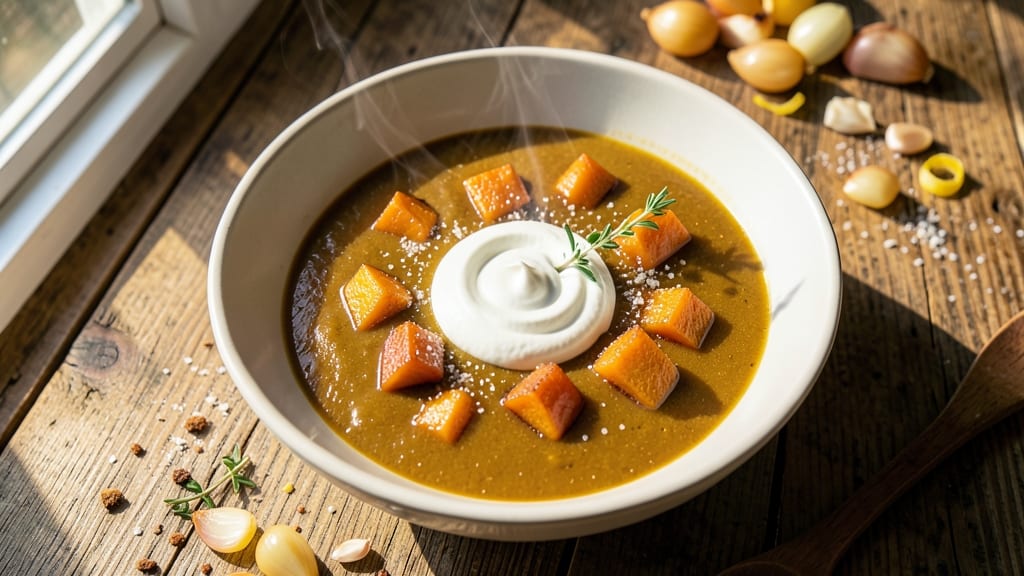
This Biltmore butternut squash soup recipe delivers the kind of velvety, spiced perfection that makes fall dinners unforgettable.
The secret lies in slow-roasting the squash until tender and caramelized, then blending it with aromatic onions, garlic, and a warm blend of nutmeg, cinnamon, and clove—just like the legendary Biltmore Estate version.
What sets this apart is the balance of sweetness and depth, where the nutmeg shines without overpowering the natural squash flavor.
The process is straightforward but yields restaurant-quality results: roast the squash until fork-tender, then sauté onions and garlic until golden before adding broth and spices. Simmering transforms the ingredients into a silky, fragrant soup that's rich yet light enough for any meal.
The texture is what makes it special—creamy without heavy cream, with just enough body to satisfy even the most discerning palates.
What you'll end up with is a bowl of soup that's warm, comforting, and bursting with autumn flavors—perfect for chilly evenings or holiday gatherings. The nutmeg and cinnamon create a subtle warmth that lingers, while the roasted squash adds natural sweetness.
Serve it with crusty bread for dipping or a sprinkle of toasted pumpkin seeds for added crunch, and you've got a dish that feels both elegant and approachable.
This recipe works beautifully as a vegetarian main course or a hearty starter, and it scales effortlessly for crowds. The beauty of this version is its adaptability—you can make it vegan by using vegetable broth and coconut milk, or keep it classic with a touch of heavy cream.
Here's how to bring the Biltmore's legendary flavors into your own kitchen.
Ingredients for biltmore butternut squash soup
Eight simple ingredients transform into velvety Biltmore-style soup with nutmeg and cinnamon harmony.
| Ingredient | Amount | Notes |
|---|---|---|
| Butternut Squash 🎃 | 2 lb | Medium-sized, peeled and cubed |
| Yellow Onion 🧅 | 1 whole | Medium, chopped |
| Garlic Cloves 🧄 | 4 cloves | Peeled and minced |
| Vegetable Broth 💧 | 4 cups | Low-sodium preferred |
| Heavy Cream 🥛 | ½ cup | Full-fat for richness |
| Ground Nutmeg 🌶️ | ½ tsp | Freshly grated preferred |
| Ground Cinnamon 🌶️ | ½ tsp | High quality for warmth |
| Ground Cloves 🌶️ | ¼ tsp | Freshly ground for depth |
| Extra-Virgin Olive Oil 🫒 | 2 tbsp | For roasting and sautéing |
| Salt 🧂 | 1 ½ tsp | Kosher or sea salt |
| Black Pepper 🌶️ | ½ tsp | Freshly ground |
| Pumpkin Seeds 🥜 | ¼ cup | Toasted for garnish |
| Crusty Bread 🍞 | 1 loaf | For serving (optional) |
The squash is the star here—look for firm, heavy ones with no soft spots. Local farms or Trader Joe's usually have the best selection. If you can't find butternut, acorn or kabocha squash works too. The nutmeg is non-negotiable—Penzeys or Whole Foods carry the best quality. Freshly grinding your spices makes all the difference here. For the broth, low-sodium versions let you control the salt better, and Pacific Foods or Imagine brands are my go-tos.
No heavy cream? Coconut milk or cashew cream gives a similar richness. Fresh nutmeg is ideal, but if you only have ground, toast it lightly in a dry pan first to wake up the flavor. Short on time? Pre-cut squash cubes from the grocery store save chopping time. The pumpkin seeds can be swapped for pecans or walnuts if you prefer. For extra depth, add a pinch of allspice or cardamom—trust me, it works.
Roasted squash keeps in the fridge for 3 days if you want to prep ahead. The soup itself reheats beautifully—just stir in a splash of broth or water if it gets too thick. Store leftovers in glass containers for best flavor. Pumpkin seeds stay fresh for 6 months in the pantry, so toast extra for future soups. This reheats even better the next day—perfect for meal prep.
Why You'll Love This Recipe
- 20-Minute Prep: I swear, the hardest part is peeling the squash—once that’s done, it’s just chop, roast, and blend. No fancy techniques, no waiting hours.
- Creamy Garlic Hug: That heavy cream swirled into warm broth? It’s like a cozy blanket for your taste buds. The roasted squash caramelizes into sweet, velvety perfection.
- Weeknight Crowd-Pleaser: Serve it in mugs for a casual dinner or ladle it into bowls for guests—no one will guess it’s this simple. (Yes, even on a Tuesday night.)
- Budget-Friendly Luxury: Butternut squash stretches further than you’d think, and using vegetable broth keeps costs low. Leftovers reheat beautifully—my freezer’s full of backup bowls.
Step-by-step instructions for Biltmore butternut squash soup
This soup delivers rich, velvety texture and warm spice harmony—just like the Biltmore estate's legendary version.
Roast the Butternut Squash and Onion
Preheat your oven to 400°F. In a large bowl, toss the 2 lb butternut squash cubes and 1 whole chopped yellow onion with 1 tablespoon of the extra-virgin olive oil, ½ teaspoon salt, and ¼ teaspoon black pepper. Spread them evenly on a rimmed baking sheet.
Roast for 25-30 minutes until the squash is tender when pierced with a fork and the edges are golden brown. The onions should be caramelized with soft edges. This roasting step builds deep, caramelized sweetness that forms the soup's foundation. I like to flip the squash halfway through for even browning.
Sauté Garlic and Spices
While the squash roasts, heat the remaining 1 tablespoon extra-virgin olive oil in a large pot over medium heat. Add the 4 cloves minced garlic and sauté for 30 seconds until fragrant—don't let it brown or it'll turn bitter.
Stir in the 0.5 teaspoon ground nutmeg, 0.5 teaspoon ground cinnamon, and 0.25 teaspoon ground cloves. Toast the spices for 1 minute until aromatic. This warming spice blend is what gives Biltmore soup its signature depth. The spices should smell earthy and inviting, not overpowering.
Simmer the Soup Base
Add the roasted squash and onions to the pot along with the 4 cups vegetable broth. Bring to a boil, then reduce heat to medium-low and simmer uncovered for 15-20 minutes until the squash is completely tender and the flavors meld.
Use an immersion blender to purée the soup directly in the pot until completely smooth. If you prefer chunkier texture, use a regular blender in batches. The soup should be velvety with no visible lumps. Taste and adjust seasoning with additional salt or black pepper if needed.
Finish with Cream and Garnish
Reduce heat to low and stir in the 0.5 cup heavy cream. Simmer gently for 3-5 minutes until warmed through. The cream should blend seamlessly, adding luxurious richness without making the soup heavy.
Ladle the soup into bowls and garnish with 0.25 cup toasted pumpkin seeds. Serve with warm 1 loaf crusty bread on the side. The contrast of crispy bread with the silky soup is pure comfort. For extra flair, sprinkle a pinch of fresh nutmeg on top before serving.
Pro Tips For Making Biltmore Butternut Squash Soup
- Char the Onions Properly: I used to rush this step and wonder why my soup tasted flat—onions need color. Cook them over medium-high heat until they’re deep golden, almost caramelized, with a few spots of dark brown. This takes 8-10 minutes, not 5, and it’s worth every second for that rich depth.
- Roast the Squash First: Cutting butternut squash raw is a mess, and boiling it dulls the flavor. Instead, roast the peeled, cubed squash at 400°F (200°C) for 25-30 minutes until tender and slightly caramelized. It’ll make blending smoother and add natural sweetness without extra sugar.
- Strain the Cream: Heavy cream can make the soup too rich or clumpy if not handled right. After simmering the broth and squash, let the mixture cool slightly, then strain it through a fine-mesh sieve before adding the cream. This removes any fibrous bits and keeps the texture silky—no blender needed.
- Salt the Broth Early: Don’t wait until the end to season. Add half the salt to the vegetable broth while it’s heating, then taste again at the end. The broth carries the flavor, and salting it early lets the seasoning develop, not just sit on top. (Yes, even if you’re impatient like me.)
Regional styles of biltmore butternut squash soup
Southern Appalachian Twist
The Biltmore Estate version draws inspiration from Southern Appalachian traditions, where butternut squash was a staple crop. In this regional take, I add ½ cup smoked bacon (or turkey bacon for a lighter option) when sautéing the garlic.
Crumble the cooked bacon into the pot with the spices for a smoky depth that complements the nutmeg perfectly. 💛
New England Creaminess
Up north, butternut squash soup often gets a ½ cup maple syrup swirl at the end instead of heavy cream. I recommend warming ¼ cup pure maple syrup with the broth before blending, then finishing with a drizzle of maple cream (whipped cream mixed with maple syrup) on top.
This version keeps the soup lighter while adding natural sweetness that balances the spices beautifully.
Texas-Style Spice Kick
For a Texan-inspired variation, I swap the cloves for ½ teaspoon smoked paprika and add ¼ teaspoon cayenne pepper when toasting the spices. The heat cuts through the sweetness of the squash while keeping the nutmeg and cinnamon as the star flavors.
Serve with cornbread instead of crusty bread for a true Lone Star twist.
Midwest Rustic Version
In Midwest kitchens, this soup often includes ½ cup diced apples (like Honeycrisp) cooked with the squash. The apples add a subtle tartness that pairs wonderfully with the nutmeg.
I also recommend serving it with sourdough bread and a side of apple butter for dipping. This version feels hearty enough for a cold winter's night.
Pacific Northwest Adaptation
On the West Coast, I've seen this soup made with ½ cup coconut milk instead of heavy cream and finished with toasted hazelnuts instead of pumpkin seeds. The coconut milk adds a subtle sweetness that works perfectly with the nutmeg, while the hazelnuts provide a nutty crunch.
This version feels lighter but still deeply satisfying.
Biltmore-Inspired Holiday Version
For special occasions, I like to add ½ cup cooked pearl onions (caramelized with the squash) and finish with a drizzle of balsamic glaze before serving. The extra sweetness from the onions enhances the nutmeg flavor, while the balsamic adds a sophisticated touch that feels perfect for holiday gatherings.
This version takes the classic Biltmore style to new heights. ✨
Nutrition facts
Frequently asked questions
Can I substitute sweet potato for butternut squash?
Yes, but expect a slightly different texture and flavor. Sweet potatoes are creamier and sweeter, so reduce the cinnamon by ¼ teaspoon and add ½ teaspoon ginger to complement their natural earthiness. Roast them for 15-20 minutes at 400°F until fork-tender—they cook faster than butternut squash.
How can I make this soup vegan?
Swap the heavy cream for ½ cup coconut milk or cashew cream, and use vegetable broth instead of chicken broth. For extra richness, stir in 1 tablespoon nutritional yeast when blending. The nutmeg and cinnamon will still shine, and the texture remains velvety.
Why does my soup taste bitter?
Over-roasted squash or burnt garlic are the most likely culprits. Check your oven temperature—400°F is ideal—and flip the squash halfway. For garlic, sauté it for only 30 seconds until fragrant, not golden. If bitterness persists, balance it with a pinch of sugar or more cinnamon.
Can I make this soup ahead of time?
This soup tastes even better the next day. Store it in an airtight container in the fridge for up to 4 days. Reheat gently on the stove with a splash of broth or water to restore creaminess. For longer storage, freeze for up to 3 months—just thaw overnight in the fridge.
What’s the best way to reheat leftovers?
Reheat gently on the stove over low heat while stirring occasionally. If it thickens too much, add 1-2 tablespoons of broth or water to restore the original consistency. Microwaving can make the cream separate, so avoid it—stovetop reheating preserves the smooth texture.