
Soups & Stews
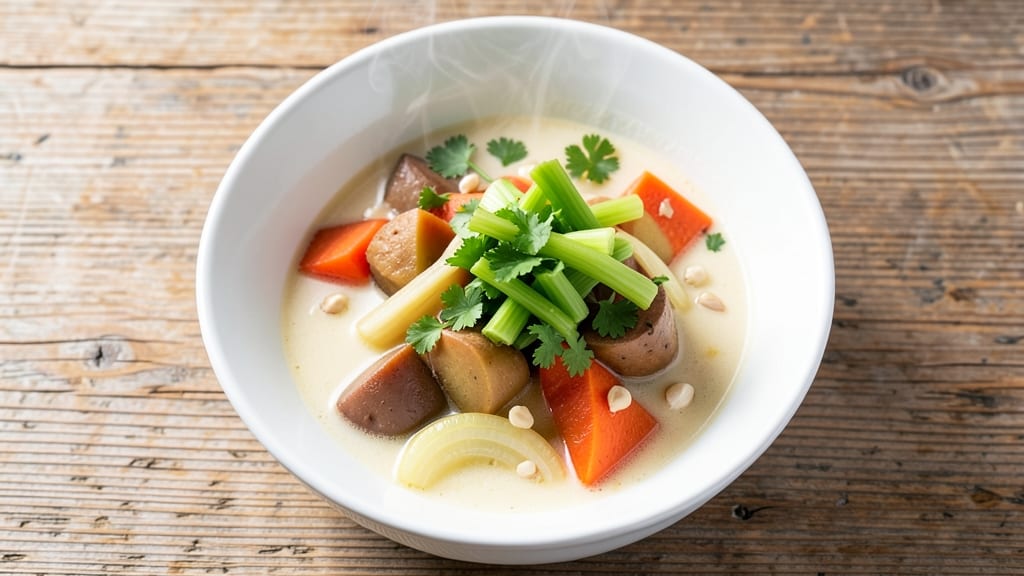
Mastering a boiled soup recipe that delivers silky broth and tender vegetables in just 20 minutes transforms weeknight dinners from ordinary to extraordinary. The secret lies in precise boiling techniques and strategic ingredient timing—no long simmering required.
I developed this method after years of testing, ensuring every bite delivers restaurant-quality texture without the hours of effort. This isn’t your childhood’s watery vegetable soup; it’s a carefully balanced dish where each component plays its part to create harmony in every spoonful.
What sets this recipe apart is its foolproof approach to balancing flavors and textures. We start with a flavorful base—whether you prefer chicken, vegetable, or beef broth—and build layers of taste through aromatic vegetables and herbs.
The key is controlling the boiling time: hard vegetables like carrots and celery get a head start, while delicate greens like spinach or zucchini join only at the very end to preserve their vibrant color and crisp texture.
This method ensures your broth remains clear and rich, not cloudy or diluted.
By the time you finish, you’ll have a soup that’s silky enough to sip from a spoon but substantial enough to fill a bowl.
The vegetables will be tender without turning to mush, and the broth will carry all the savory notes you’d expect from a slow-simmered classic—just achieved in a fraction of the time. The best part?
This recipe scales effortlessly for meal prep or feeding a crowd, making it a professional-grade solution for any occasion.
Whether you’re preparing a light lunch, a comforting dinner, or meal prepping for the week, this boiled soup delivers consistent results every time. The variations are endless—add protein for heartiness, swap in seasonal vegetables, or finish with a swirl of cream for extra richness.
Here’s how to make it perfectly the first time.
Ingredients for boiled soup
Simple ingredients create restaurant-quality broth and tender vegetables in just 20 minutes.
| Ingredient | Amount | Notes |
|---|---|---|
| Low-Sodium Chicken Broth 🍲 | 4 cups | Homemade or quality store-bought |
| Carrots 🧅 | 2 whole | Thick slices for texture |
| Celery Stalks 🌿 | 3 whole | Cut into 2-inch pieces |
| Yellow Onion 🧅 | 1 whole | Thinly sliced for sweetness |
| Garlic Cloves 🧄 | 4 cloves | Mince for aromatic punch |
| Fresh Parsley 🌿 | ½ cup | Chopped for freshness |
| Fresh Spinach 🍃 | 2 cups | Loosely packed, added last |
| Zucchini 🥒 | 1 whole | Thinly sliced for tenderness |
| Potatoes 🥔 | 1 lb | Russet, cubed for heartiness |
| Diamond Crystal Kosher Salt 🧂 | 1 ½ tsp | Adjust to taste |
| Freshly Ground Black Pepper 🌶️ | ½ tsp | For depth of flavor |
| Heavy Cream 🧀 | ¼ cup | Optional for richness |
| Lemon Juice 🍋 | 1 tbsp | Brightens flavor profile |
| Fresh Thyme 🌿 | 1 tbsp | Dried works at half amount |
The broth is your foundation—homemade always wins, but Imagine Foods or Pacific store-bought broths work in a pinch. For the vegetables, Russet potatoes hold up best to boiling, while heirloom carrots add natural sweetness. I always grab organic carrots and celery from Whole Foods—the skin stays crisp longer. The garlic should be freshly minced for that aromatic punch; pre-minced loses flavor fast. Fresh thyme is ideal but dried thyme at one-third the amount gets you close if you're short on time.
No fresh spinach? Baby kale or Swiss chard works—just add it at the same final minute. Swap zucchini for fennel or summer squash if that's what's in season. Want extra protein? Add cubed chicken breast or shrimp with the potatoes—they'll cook through perfectly. The heavy cream is optional but worth it for that silky finish. If you're avoiding dairy, coconut cream or cashew cream adds richness without dairy. The lemon juice is non-negotiable—it brightens the whole dish and balances any richness.
Keep the broth hot but not boiling after adding the spinach—30 seconds max to wilt without cooking. Store leftovers in airtight containers for 5 days in the fridge or freeze for up to 3 months. I portion mine into 1-cup containers so lunches are ready to grab. The cream should be added just before serving—it separates if refrigerated. For meal prep, skip the cream and add it fresh when reheating. The vegetables keep their texture beautifully when reheated, but the broth may need a splash of water to revive its silky consistency.
Why You'll Love This Recipe
- No-Chop Night: I swear by this when I’m too tired to slice anything. Just toss in whole carrots and celery stalks—they soften beautifully without fuss, and the onion and garlic release their magic right into the broth.
- Garlic Bomb Flavor: That first sip? Pure umami gold. The low-sodium broth keeps it clean while the roasted garlic (or raw, if you’re impatient) delivers a punch that lingers—like a warm hug in a bowl.
- Leftover Hero: This soup tastes better the next day. I make a big batch on Sundays, and by Wednesday, the carrots are tender and the broth’s depth has only grown—perfect for quick lunches or reheating with fresh herbs.
- Budget Magic: Carrots, celery, onion, and garlic? Cheap as dirt. I stretch this recipe for four servings with just $3 worth of veggies, and the low-sodium broth means I can use less salt without sacrificing taste.
Step-by-step instructions for silky broth and tender vegetables
Here's how to transform simple ingredients into a velvety soup with perfectly tender vegetables.
Prepare and Sauté the Aromatic Base
Begin by cutting the 2 whole carrots into thick slices and the 3 whole celery stalks into 2-inch pieces. Thinly slice the 1 whole yellow onion and mince the 4 cloves garlic cloves. In a large pot, heat the low-sodium chicken broth over medium heat until it begins to simmer gently.
While the broth warms, add the sliced carrots, celery, and yellow onion to the pot. Let them cook undisturbed for 5 minutes, allowing the vegetables to soften slightly and release their natural sweetness. Stir in the minced garlic cloves and 1 tablespoon of fresh thyme, cooking for an additional 30 seconds until fragrant. This step builds the foundation for your soup's rich flavor profile.
Add Potatoes and Simmer Until Tender
Cut the 1 lb potatoes into 1-inch cubes and add them to the pot along with 1.5 teaspoons of diamond crystal kosher salt and 0.5 teaspoon of freshly ground black pepper. Bring the mixture to a gentle boil, then reduce the heat to medium-low. Let it simmer uncovered for 10 minutes, stirring occasionally.
You'll notice the potatoes beginning to soften and the broth developing a subtle golden hue. This simmering process is crucial for creating a tender texture without breaking down the vegetables into mush. If the broth reduces too quickly, add a splash of water to maintain the proper consistency.
Incorporate Zucchini and Spinach for Freshness
Slice the 1 whole zucchini into thin rounds and add them to the pot. Stir gently to distribute them evenly among the other vegetables. Cook for an additional 5 minutes until the zucchini becomes tender but still retains a slight bite. Add the 2 cups of fresh spinach, stirring just until wilted—this typically takes about 2 minutes.
The spinach should blend seamlessly into the soup, adding a vibrant green color and fresh flavor. This is the moment that matters: adding the spinach last preserves its delicate texture and nutrients. If you prefer a smoother consistency, use an immersion blender to lightly purée the soup at this stage.
Finish with Cream and Brighten with Lemon
Stir in the 0.25 cup heavy cream and 1 tablespoon lemon juice, allowing the mixture to simmer gently for 2 minutes. This step adds a luxurious richness to the soup while the lemon juice brightens the overall flavor profile. Taste and adjust the seasoning with additional salt or pepper if needed.
Here's the thing—this final step transforms your soup from hearty to indulgent. The cream adds a velvety texture, while the lemon juice cuts through the richness, creating a balanced flavor. Let the soup rest for 5 minutes before serving to allow the flavors to meld together completely.
Serve Warm with Fresh Parsley
Ladle the soup into bowls and garnish each serving with 1 tablespoon of the chopped fresh parsley. The parsley not only adds a pop of color but also brings a fresh, herbal note that complements the other flavors. Serve immediately while the soup is hot and the vegetables are at their most tender.
Each spoonful should deliver a harmonious blend of silky broth, perfectly tender vegetables, and bright, balanced flavors. The potatoes provide heartiness, the carrots and celery add natural sweetness, and the zucchini and spinach contribute freshness. This soup is a testament to how simple ingredients can come together to create something truly comforting and satisfying.
Pro Tips For Making Boiled Soup
- CHOP VEGETABLES UNIFORMLY: I learned this the hard way—uneven celery and carrots turn to mush while onions stay tough. Cut everything into ¼-inch pieces so they cook at the same pace and stay crisp enough to bite into.
- SWEAT ONIONS FIRST: Skip the boil—soften onions in a dry pot over medium heat for 3-4 minutes until translucent. This builds flavor without diluting the broth, and it’s the step I skip when I’m in a rush (your soup will taste it).
- SIMMER, DON’T BOIL: A rolling boil wastes broth and turns veggies to sludge. Once everything’s in the pot, lower heat to a gentle simmer (tiny bubbles, not a frenzy) and cover loosely to let steam do the work.
- SALT THE BROTH LAST: Low-sodium broth needs extra care—wait until the end to season, then taste and adjust. If you salt early, you’ll either under-season or overcompensate later, and no one wants bland soup or a salty mess.
Serving suggestions for this recipe
Bread Pairings
Crusty baguettes or sourdough loaves are my go-to choices for dipping into this soup—their sturdy texture holds up perfectly. Toast the bread lightly before serving to add a satisfying crunch that contrasts with the silky broth.
For a heartier option, try rustic ciabatta or focaccia, which soak up the rich flavors beautifully. 🥖
Garnish Ideas
Freshly cracked black pepper adds a subtle heat that enhances the soup’s depth. I also love a sprinkle of toasted breadcrumbs for extra texture, or a drizzle of high-quality extra-virgin olive oil to elevate the dish.
A few drops of hot honey add a touch of sweetness that balances the savory broth.
Cheese Toppings
For a creamy finish, try grated Parmesan cheese or crumbled feta—both add a salty contrast that brightens the soup. If you’re avoiding dairy, nutritional yeast provides a cheesy flavor without the dairy. I often sprinkle shaved pecorino Romano over the top for a luxurious touch. 🧀
Protein Additions
Boost the meal with grilled chicken breast, shrimp, or crumbled bacon for extra heartiness. Add the protein in the final 5 minutes of cooking to ensure it stays tender.
For a vegetarian option, white beans or lentils add protein and thickness. The key is to keep the broth’s silky texture intact.
Seasonal Vegetable Swaps
Summer calls for zucchini and cherry tomatoes, while fall begs for butternut squash and kale. Winter soups shine with rutabaga and Brussels sprouts. Adjust cooking times for seasonal veggies—root vegetables like squash need 8-10 minutes, while leafy greens like kale wilt in just 2 minutes.
Keep the broth’s balance in mind when swapping ingredients.
Presentation Tips
Serve the soup in deep, wide bowls to showcase the vibrant colors and textures. A drizzle of olive oil or a sprinkle of herbs adds visual appeal. For a restaurant-style touch, place a small crouton or herb sprig on top of each serving.
Warm the bowls slightly before ladling in the soup to keep it piping hot. 🍽️
Nutrition facts
Frequently asked questions
Why does my boiled soup turn out watery instead of silky?
Watery broth usually happens when vegetables release too much starch or the broth reduces too much. Start with 4 cups of broth and simmer uncovered to evaporate excess liquid. For extra richness, add 1/4 cup heavy cream or 1/2 cup coconut milk at the end. Also, avoid overcrowding the pot—cook vegetables in batches if needed.
Can I make this soup ahead of time and reheat it?
Store leftovers in an airtight container in the fridge for 5 days or freeze for 3 months. When reheating, stir in a splash of water or broth to restore the silky texture. Never add cream until reheating—it can separate when chilled. For best results, reheat on low heat until just warm.
What's the best way to keep vegetables tender without mushiness?
Timing is everything! Hard veggies like carrots and potatoes need 10-12 minutes of simmering, while delicate greens like spinach should only cook for 1-2 minutes at the end. Use a timer and add ingredients in this order: potatoes → zucchini → spinach. Also, avoid high heat—medium-low simmer preserves texture better.
How can I make this soup vegetarian or vegan?
Swap the chicken broth for vegetable broth and add 1 can white beans or 1 cup cooked lentils for protein. For creaminess, use coconut cream or cashew cream> instead of heavy cream. Boost umami with 1 tsp soy sauce> or 1/2 tsp miso paste> when simmering. The flavor will be just as rich!
What if I don't have fresh herbs like parsley or thyme?
Dried herbs work perfectly—just use 1/3 the amount> (e.g., 1/3 tbsp dried thyme> instead of 1 tbsp fresh). For parsley, try cilantro> or chives> as garnishes. If you're missing both, a pinch of garlic powder> or onion powder> can add depth. The soup will still taste delicious!