
Soups & Stews
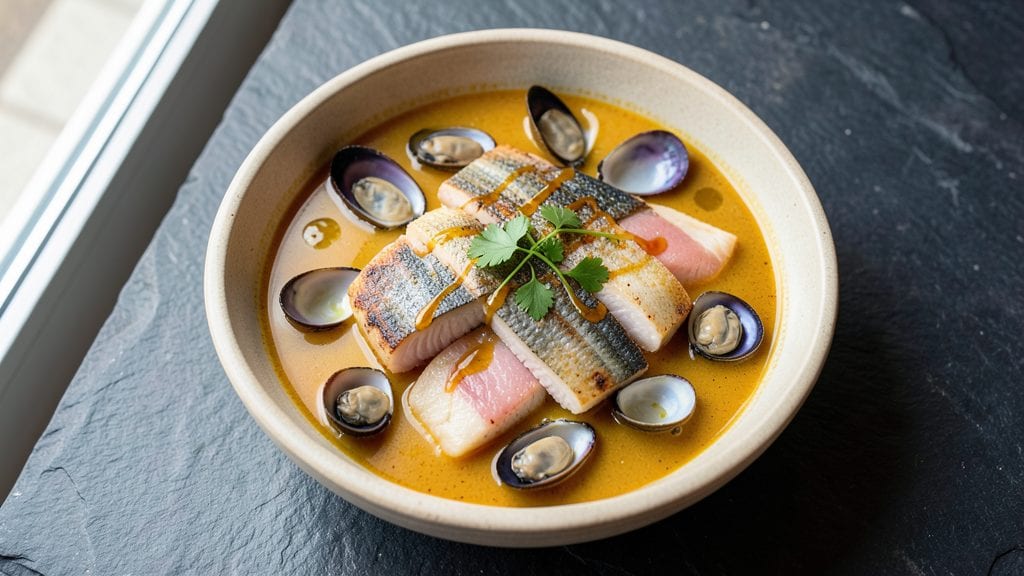
This bouillabaisse soup recipe brings the sun-drenched flavors of Provence to your kitchen with its signature saffron-infused broth and delicate seafood medley. The dish’s origins trace back to Marseille’s fishermen, who transformed humble catches into a luxurious stew—now a cornerstone of French coastal cuisine.
What sets this version apart is the authentic saffron infusion technique, where threads steep in warm broth to release their golden hue and floral aroma without bitterness.
The process begins with a rich fish stock, simmered low and slow to develop deep umami, then brightened with saffron and white wine. Traditional Provençal fish like monkfish, sea bass, and mussels cook just until tender, preserving their natural sweetness.
The rouille—a garlicky, paprika-spiked mayonnaise—adds a bold contrast, while herbs like fennel and tarragon elevate every spoonful. This isn’t just soup; it’s a celebration of the Mediterranean’s most iconic flavors.
What makes this bouillabaisse special is its balance: the saffron’s delicate perfume, the fish’s buttery texture, and the rouille’s fiery kick all come together in harmony.
The dish serves as both a pescatarian centerpiece and a showstopper for gatherings, with optional garnishes like parsley or lemon zest to brighten the plate. Whether you’re recreating a Provençal bistro experience or simply craving a seafood feast, this recipe delivers restaurant-quality results at home.
The key to success lies in the broth—reduced to perfection—and the timing of the seafood, which cooks just until done. Pair with a crisp white wine like Picpoul de Pinet, and you’ll taste why this dish has endured for centuries.
Ready to bring Provence to your table? Let’s begin with the foundational stock that makes it all possible.
Ingredients for bouillabaisse soup
Sun-kissed saffron, buttery seafood, and bold rouille—just 19 ingredients for Provençal magic.
| Ingredient | Amount | Notes |
|---|---|---|
| Fresh Fish Stock 🐟 | 6 cups | Homemade preferred, unsalted |
| Saffron Threads 🌼 | ¼ tsp | High-quality, organic preferred |
| Dry White Wine 🍷 | 1 cup | Picpoul de Pinet or Sauvignon Blanc |
| Monkfish Fillets 🦑 | 1 ½ lb | Skin-on, cut into 1-inch pieces |
| Sea Bass Fillets 🐟 | 1 ½ lb | Skin-on, cut into 1-inch pieces |
| Mussels 🦪 | 1 ½ lb | Fresh, debearded |
| Fennel Bulb 🌿 | 1 whole | Trimmed, sliced thin |
| Yellow Onion 🧅 | 1 whole | Diced, medium |
| Garlic Cloves 🧄 | 6 cloves | Fresh, minced |
| Fresh Fennel Fronds 🌿 | 2 tbsp | Chopped, for garnish |
| Fresh Tarragon 🌿 | ¼ cup | Chopped, stems removed |
| Fresh Parsley 🌿 | ¼ cup | Chopped, for garnish |
| Extra-Virgin Olive Oil 🫒 | ½ cup | High-quality, fruity |
| Lemon Zest 🍋 | 1 tbsp | Fresh, finely grated |
| Sea Salt 🧂 | 1 ½ tsp | Diamond Crystal preferred |
| Black Peppercorns 🌶️ | ½ tsp | Freshly cracked |
| Mayonnaise 🥫 | ½ cup | High-quality, unsalted |
| Smoked Paprika 🌶️ | 1 tsp | Sweet, for rouille |
| Hard-Boiled Egg Yolks 🥚 | 2 whole | Separated, for rouille |
Saffron is non-negotiable here. La Maison du Saffron or Boutique du Saffron online are worth the splurge for the real deal—anything labeled 'saffron' at the grocery store might be cut with turmeric. The fish stock? Homemade is ideal, but Whole Foods' unsalted fish stock works in a pinch. Monkfish and sea bass should have firm, translucent flesh—no fishy smell. Mussels? They should be closed tight; any open ones won’t reopen when tapped. The fennel bulb needs to be crisp with no soft spots, and the fronds should be bright green. Tarragon and parsley? Fresh is a must—dried just won’t cut it for this dish.
No monkfish? Halibut or cod works just as well—just make sure it’s skin-on for texture. Sea bass fillets hard to find? Snapper or branzino are great swaps. For the rouille, mayo is non-negotiable—Duke’s or Hellmann’s are solid choices. No smoked paprika? Regular paprika plus a pinch of cayenne gets you close. The white wine should be dry—Picpoul de Pinet is traditional, but Sauvignon Blanc works too. If you’re out of tarragon, basil at half the amount adds a similar brightness. The lemon zest? Always fresh—bottled zest tastes like nothing.
Saffron loses potency fast, so store it in an airtight container in a cool, dark place—it’ll keep for up to a year. Fresh fish stock freezes beautifully for 3 months, and the rouille can be made a day ahead—just stir before serving. The mussels? Use within 2 days of purchase, and store them in the fridge in a bowl covered with a damp towel. This soup reheats beautifully—just gently warm it on the stove and adjust the broth consistency with a splash of water if needed. Leftovers keep for 3 days in the fridge, but honestly, it’s best enjoyed fresh.
Why You'll Love This Recipe
- Saffron Magic Boost: That single thread of saffron in the stock? It turns ordinary water into liquid gold. The wine brightens the fish—no heavy cream needed—so it’s rich but never cloying.
- Weeknight Feast: I toss monkfish and sea bass into simmering broth, then let the oven do the work. Thirty minutes later? Dinner’s ready, no last-minute grocery runs.
- Leftovers? No Problem: Double the batch and freeze half—just reheat with a splash of stock. My kids swear it’s "better the second day," and honestly? I agree.
- Budget-Friendly Luxe: Fresh fish stock and a bottle of white wine make this feel fancy, but the cost? A fraction of takeout. That saffron thread? A tiny splurge that pays off.
Step-by-step instructions for bouillabaisse soup
This Provençal classic delivers rich seafood flavors with saffron-infused broth and smoky rouille.
Infuse the Fish Stock with Saffron and Aromatics
In a large Dutch oven, combine the 6 cups fresh fish stock with the 0.25 tsp saffron threads. Let the saffron steep for 5 minutes while you prepare the remaining ingredients—this ensures maximum color and aroma extraction. The broth should develop a vibrant golden hue.
Add the 1 whole yellow onion (diced medium) and 1 whole fennel bulb (thinly sliced) to the pot. Bring to a gentle simmer over medium heat for 10 minutes, allowing the vegetables to soften slightly and release their flavors into the stock. This step builds the aromatic base that defines bouillabaisse.
Sear the Seafood and Build the Broth
Increase heat to medium-high and add 0.5 cup extra-virgin olive oil. Working in batches to avoid crowding, sear the 1.5 lb monkfish fillets and 1.5 lb sea bass fillets (cut into 1-inch pieces) for 2-3 minutes per side until they develop a golden crust. Remove the fish and set aside.
In the same pot, add the 1.5 lb mussels (debearded) and cook for 3-4 minutes until they open. Discard any mussels that remain closed. Stir in the 6 cloves minced garlic, 1 tbsp lemon zest, 1.5 tsp sea salt, and 0.5 tsp cracked black peppercorns. Pour in the 1 cup dry white wine and simmer for 5 minutes to cook off the alcohol and deepen the flavors.
Combine and Simmer the Bouillabaisse
Return the seared fish to the pot and add the 0.25 cup chopped tarragon and 0.25 cup chopped parsley. Reduce heat to low and simmer gently for 10-12 minutes, ensuring the fish cooks through but doesn't overcook. The broth should be rich and fragrant, with the fish just firm to the touch.
Here's the thing—don't rush this step. The gentle simmer allows all the flavors to meld while keeping the seafood tender. If the broth reduces too much, add a splash of water to maintain the proper consistency. The finished soup should be vibrant, with the seafood swimming in a golden, saffron-infused broth.
Prepare the Rouille While the Soup Simmers
In a small bowl, whisk together the 0.5 cup mayonnaise, 1 tsp smoked paprika, and 2 whole hard-boiled egg yolks to create the rouille. The mixture should be thick but spreadable—add a splash of water if needed to achieve the right consistency. This smoky, garlicky condiment is the signature touch that elevates bouillabaisse.
Spread the rouille onto a small piece of crusty bread and serve it alongside the soup. The contrast of the cool, creamy rouille with the warm, fragrant bouillabaisse is what makes this dish truly special. Keep the rouille covered until serving to prevent it from drying out.
Garnish and Serve with Confidence
Ladle the bouillabaisse into deep bowls, ensuring each serving contains a generous portion of fish, mussels, and broth. Garnish each bowl with 2 tbsp chopped fresh fennel fronds and an additional sprinkle of chopped parsley. Serve immediately with the rouille on the side.
This is the moment that matters: the first bite should deliver a symphony of flavors—briny seafood, aromatic saffron, and the smoky depth of the rouille. The soup should be rich but not heavy, with each ingredient shining through. Don't skip the rouille; it's what transforms this from a fish stew into a Provençal masterpiece.
Pro Tips For Making Bouillabaisse Soup
- Bloom the saffron first: Don’t just toss those saffron threads in—soak them in a splash of warm fish stock for 10 minutes first. This releases their full golden color and floral depth, not just a faint hint. Trust me, the difference between a pale broth and one that glows like Marseille sun is real.
- Deglaze with wine, then reduce: After searing the monkfish and sea bass, scrape up those browned bits with the wine immediately—don’t wait. Let the liquid simmer until it’s reduced by half before adding the stock. This cuts the alcohol’s sharpness and adds layers of umami that’ll make your broth taste like it’s been simmering for hours (even if it’s only been 30).
- Keep fish fillets dry: Pat those monkfish and sea bass fillets brutally dry with paper towels before searing. Moisture turns them into sad, steamed slabs instead of crispy, golden edges. I used to skip this step and wonder why my fish stuck to the pan—now I do it like I’m wringing out a dishrag.
- Simmer gently after stock: Once you add the fish stock, turn the heat to barely simmering—think "gentle sigh" not "boiling rage." Overheat and the broth will turn cloudy, and the fish will fall apart like overcooked noodles. A lid on low heat for 20 minutes is your friend.
Pro cooking tips for bouillabaisse soup
Saffron Infusion Mastery
Never just toss saffron into boiling broth—it needs time to bloom. For bouillabaisse, steep 0.25 tsp saffron threads in warm (not hot) fish stock for 5 minutes before adding aromatics.
This releases maximum color and aroma without bitterness. I use a fine-mesh strainer to remove threads afterward, but leave them in if you love the texture—just strain before serving. 🌼
Seafood Searing Precision
Sear fish in batches over medium-high heat to avoid crowding the pan. Monkfish and sea bass should develop a golden crust in 2-3 minutes per side—overcooking turns them rubbery.
Work quickly: have all mussels debearded and ready before starting, as they cook in just 3-4 minutes. Discard any that don’t open during cooking. 🦪
Wine Reduction Technique
After searing seafood, pour in 1 cup dry white wine and simmer for 5 minutes to cook off the alcohol. This step concentrates flavors and adds depth.
I use Picpoul de Pinet for its citrus notes, but Sauvignon Blanc works too. Never skip this reduction—it’s what transforms simple wine into complex flavor. 🍷
Low-and-Slow Simmering
Simmer bouillabaisse at low heat for 10-12 minutes after combining all ingredients. The fish should reach 145°F internal temperature—any hotter and it turns tough. Maintain a gentle bubble, not a rolling boil. If the broth reduces too much, add ¼ cup water to restore consistency. 🌡️
Rouille Consistency Secrets
The rouille should be thick enough to hold its shape on bread but still spreadable. For the perfect texture, whisk 0.5 cup mayonnaise, 1 tsp smoked paprika, and 2 egg yolks until smooth.
Add 1 tsp water at a time if needed—too thick and it’s dry; too thin and it won’t coat properly. Cover and chill until serving. 🥖
Garnish Like a Pro
Fresh fennel fronds and parsley aren’t just decoration—they add brightness. Chop 2 tbsp fennel fronds and 1 tbsp parsley per serving and sprinkle just before eating. For extra flair, add a pinch of freshly cracked black pepper and a twist of lemon zest.
The garnish should complement, not overpower, the dish’s natural flavors. ✨
Nutrition facts
Frequently asked questions
What’s the best way to infuse saffron into the broth?
Steep 0.25 tsp saffron threads in warm (not boiling) fish stock for 5 minutes before adding aromatics. This releases the golden hue and floral aroma without bitterness. Strain out the threads afterward if you prefer a smooth broth, but leaving them in adds texture—just remove them before serving.
Can I substitute other fish for monkfish or sea bass?
Halibut or cod work beautifully as substitutes. For a firmer texture, try snapper or branzino. Just ensure the fish has a similar firmness to monkfish—skin-on fillets are ideal for that classic bouillabaisse crust.
Why does the rouille need egg yolks?
The yolks create a velvety, stable base for the rouille, balancing the smoky paprika and mayo. Without them, the sauce can separate or taste too heavy. For extra richness, blend the yolks with the mayo before adding the paprika. It’s the secret to that authentic Provençal kick!
How do I know when the mussels are fully cooked?
Mussels are done when their shells open naturally during cooking—3-4 minutes in the broth. Discard any that remain closed, as they’re unsafe to eat. If they open and then close again, they’re likely spoiled. Freshness is key here!
Can I make this soup ahead of time?
Yes! The broth and rouille can be prepped a day ahead, and the soup reheats beautifully. Gently warm it on the stove, adding a splash of water if needed to restore consistency. Serve immediately for the best texture—leftovers keep for 3 days in the fridge.