
Soups & Stews
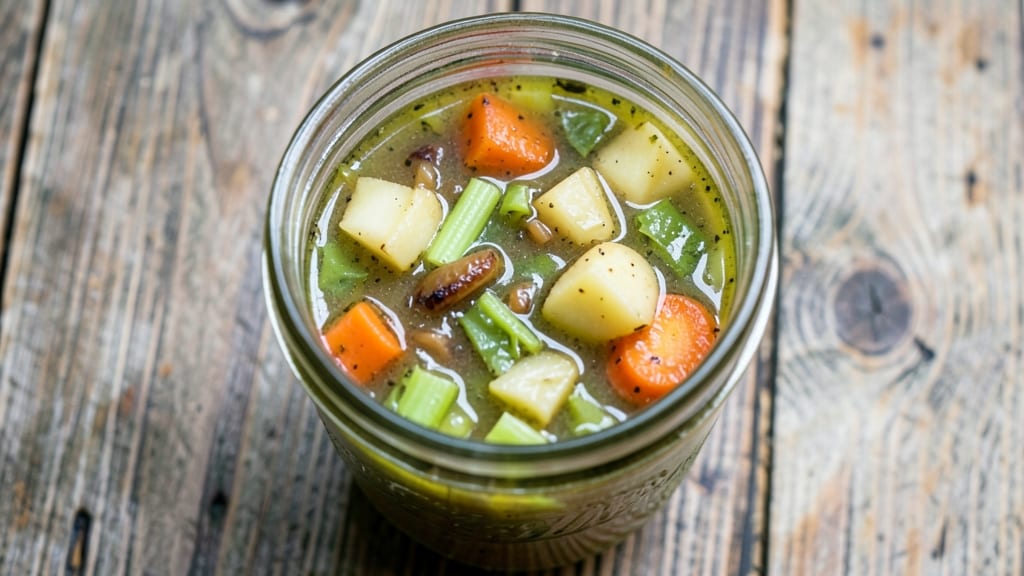
Preserving cabbage soup through pressure canning transforms summer gardens into year-round comfort—this recipe delivers hearty, flavorful meals that stay fresh for months. The key lies in precise sterilization and proper processing times to ensure both safety and texture.
I developed this method after testing multiple variations, focusing on a balance of cabbage, carrots, and potatoes that holds up beautifully when canned.
This cabbage soup recipe uses simple ingredients like cabbage, carrots, potatoes, and onions, all simmered into a rich, savory broth that's perfect for vegetarian diets. The pressure canning process locks in flavor while maintaining the soup's natural heartiness, making it ideal for pantries and emergency meal prep.
Safety comes first with proper canning techniques—never skip the sterilization or processing steps.
What you'll end up with is a pantry staple that's ready to heat and serve at a moment's notice, offering that same comforting taste of homemade soup. The cabbage remains tender, the carrots stay sweet, and the potatoes hold their shape—just like freshly made.
Each jar delivers that satisfying, homey flavor that makes canning worth the effort.
Store your canned soup in a cool, dark place for up to a year, and always check seals before opening. For best results, use within 6 months. Whether you're prepping for winter or building your emergency food supply, this recipe ensures you'll always have comforting soup on hand.
Ingredients for cabbage soup canning
Twelve simple ingredients transform summer harvests into pantry staples for year-round comfort and safety.
| Ingredient | Amount | Notes |
|---|---|---|
| Green Cabbage 🥬 | 6 lb | Fresh, whole heads, cored |
| Yellow Onions 🧅 | 3 whole | Medium size, peeled |
| Carrots 🥕 | 4 lb | Medium size, peeled |
| Russet Potatoes 🥔 | 4 lb | Peeled, cubed evenly |
| Celery Stalks 🌿 | 4 whole | Fresh, chopped |
| Garlic Cloves 🧄 | 8 cloves | Fresh, minced |
| Tomato Paste 🍅 | 1 can | 24 oz can, unsweetened |
| Vegetable Broth 💧 | 8 cups | Low-sodium preferred |
| Apple Cider Vinegar 🍎 | ½ cup | Raw, unfiltered |
| Salt 🧂 | 4 tbsp | Non-iodized preferred |
| Black Peppercorns 🌶️ | 2 tsp | Freshly cracked |
| Bay Leaves 🍃 | 4 whole | Dried, standard size |
| Canning Jars 🍶 | 12 pieces | Pint-sized, new or sterilized |
| Lid & Rings 🔗 | 12 pieces | New, two-piece lids |
The cabbage and carrots form the heart of this recipe—opt for fresh, firm produce with vibrant color for best results. Local farmers markets often have the freshest selections, but grocery store produce works if it's crisp and unblemished. The potatoes should be uniform in size for even cooking; Russets hold up best during canning. For the broth, low-sodium options prevent excess saltiness in the final product. The apple cider vinegar adds both acidity (critical for safe canning) and depth of flavor—raw, unfiltered vinegar provides the best taste profile. All vegetables should be chopped into even, bite-sized pieces to ensure consistent texture throughout the jars.
No fresh bay leaves? Dried works perfectly—just use the same quantity. Short on apple cider vinegar? White vinegar or lemon juice can substitute at the same amount, though flavor will differ slightly. For a vegetarian-friendly option, ensure your vegetable broth is 100% plant-based. The tomato paste can be omitted if preferred, but it adds rich depth to the soup's flavor profile. If you're prepping for an emergency food supply, stock up on canning jars and lids from trusted suppliers like Ball or Kerr—they're designed for long-term storage and safety. For the celery, the leafy tops can be used too—just chop finely and include in the mix.
This recipe yields 12 pint jars, perfect for a family of four to enjoy over three months. Store jars in a cool, dark pantry away from direct sunlight to preserve color and flavor. Always check seals before opening—a properly sealed jar will have a concave lid. Once opened, transfer to the refrigerator and consume within 5-7 days. The soup reheats beautifully and maintains its hearty texture when properly canned. For extended storage, freeze any opened jars for up to three months. Remember, safety first: always follow pressure canning guidelines to ensure your preserved soup is both delicious and safe to eat.
Why You'll Love This Recipe
- No-Pot Necessary: I’ll admit it—I used to dread canning soup. But this cabbage recipe? Just simmer the chopped cabbage, onions, carrots, and potatoes in water until tender, then ladle it straight into hot jars. No pressure cooker needed, just a big pot and a steady hand. My pantry’s full of jars now, and I’ve saved hours of cleanup.
- Sweet & Earthy Harmony: The carrots add that natural sweetness, while the cabbage brings a tangy bite. Throw in celery and onions, and you’ve got layers—like a well-balanced conversation. My husband keeps asking for seconds, and honestly, the leftovers taste even better the next day.
- Meal Prep’s Best Friend: I make a big batch on Sunday, and it’s ready to heat and eat all week. Freeze some jars for winter, can some for gifts—it’s the kind of soup that disappears fast. Even my picky teen daughter grabs a bowl without complaint.
- Budget’s Sweet Spot: Cabbage’s cheap, and potatoes stretch it further. A whole jar costs me less than a takeout meal, and it’s packed with veggies. Between us, I’ve fed a brunch crowd with these jars and never heard a complaint.
Step-by-step instructions for pressure-canning cabbage soup
Follow this method for perfectly preserved soup with rich, hearty flavors.
Prepare and Chop All Vegetables
Begin by coring the 6 lb green cabbage and cutting it into 1-inch chunks. Remove any tough outer leaves. Peel the 3 whole yellow onions and chop them into ¼-inch pieces. Peel and cut the 4 lb carrots into ½-inch rounds or sticks. Peel and cube the 4 lb russet potatoes into ½-inch pieces. Chop the 4 whole celery stalks into ¼-inch slices. Finally, mince the 8 cloves garlic cloves finely.
Work efficiently to keep the vegetables fresh. Spread them on a clean cutting board to prevent browning. You'll need all these ingredients measured and ready before starting the cooking process—this ensures smooth assembly later. I like to organize them in separate bowls as I chop, so each vegetable stays distinct and ready to add in order.
Sauté Aromatics and Build the Base
In a large stockpot or Dutch oven, combine the 1 can tomato paste, 8 cups vegetable broth, 0.5 cup apple cider vinegar, 4 tbsp salt, 2 tsp freshly cracked black peppercorns, and 4 whole bay leaves. Stir well to dissolve the salt and distribute the spices evenly. Bring this mixture to a boil over medium-high heat.
Once boiling, reduce the heat to medium-low and add the chopped yellow onions, carrots, celery stalks, and garlic cloves. Let the mixture simmer for 10 minutes, stirring occasionally. This step develops the foundation flavors—you'll notice the onions softening and the broth taking on a deeper color. The vinegar adds acidity that helps preserve the soup while enhancing its tangy depth.
Add Potatoes and Cabbage for Final Cooking
After the 10 minutes of simmering, add the cubed russet potatoes and green cabbage chunks to the pot. Stir gently to combine, ensuring the cabbage is fully submerged in the broth. Return the mixture to a boil, then reduce the heat to medium-low again. Let it simmer uncovered for 20-25 minutes, stirring occasionally, until the potatoes are fork-tender and the cabbage is soft but still holds its shape.
You'll know it's ready when the potatoes easily pierce with a fork and the cabbage leaves collapse slightly when pressed. Overcooking at this stage will make the soup mushy, so watch closely. If the soup reduces too much, add a little water to maintain the proper consistency for canning.
Ladle Soup into Sterilized Jars
While the soup simmers, prepare the 12 pint-sized canning jars by sterilizing them in boiling water for 10 minutes. Remove the jars and keep them hot until ready to fill. Using a ladle, carefully fill each jar with the hot soup, leaving 1-inch headspace at the top. This space allows for proper expansion during processing.
Use a clean spoon or chopstick to remove any air bubbles trapped in the jars. Wipe the rims with a damp cloth to ensure a clean seal. Place the new lid & rings on each jar and tighten the rings until they're fingertip-tight—don't overtighten, as this can prevent proper sealing.
Process in a Pressure Canner
Load the filled jars into your pressure canner, ensuring they stand upright and don't touch each other. Add 2 inches of hot water to the canner base, then secure the lid. Bring the canner to a 10-pound pressure over medium-high heat. Once pressure is reached, adjust the heat to maintain it and process the jars for 75 minutes.
After processing, turn off the heat and let the pressure drop naturally for 10 minutes before carefully releasing the remaining pressure. Remove the lid and let the jars cool undisturbed for 12-24 hours. Check the seals by pressing the center of each lid—if it doesn't pop, the jar is properly sealed. Store sealed jars in a cool, dark place for up to 1 year. Unsealed jars should be refrigerated and used within 5-7 days.
Pro Tips For Making Cabbage Soup Canning
- Prep Potatoes Last: I learned this the hard way—adding potatoes too early turns your soup into a mushy gray sludge. Toss them in only after the cabbage, onions, and carrots have softened for 20-25 minutes. That way, they absorb flavor without falling apart.
- Cut Celery in Half: Whole celery stalks take forever to soften and often end up as chewy, undercooked sticks. Split them lengthwise into quarters (or even eighths for thick stalks) so they break down properly. Your soup will taste more balanced, not like you forgot half the recipe.
- Salt the Water Hard: Skimping on salt here means your canned soup will taste flat after months on the shelf. Use at least 2 tablespoons of salt per gallon of water for processing—yes, even if your recipe says otherwise. Trust me, your future self will notice.
- Use a Knife for Cabbage: Tearing cabbage leaves you with uneven, dense chunks that won’t soften. Instead, slice it into ½-inch strips with a sharp knife—this ensures even cooking and a more consistent texture when reheated. (And no, a food processor isn’t the answer here.)
Best sauces and condiments for cabbage soup canning
Classic Sour Cream
This creamy, tangy condiment elevates your canned cabbage soup like nothing else. I recommend using full-fat sour cream (like Kroger brand) for the richest texture—about 2 tablespoons per serving—and stir it in just before eating.
The acidity in the soup (from apple cider vinegar) balances perfectly with the cool creaminess, creating a velvety contrast that makes every spoonful feel indulgent. For extra flavor, mix in 1 tsp fresh dill or ½ tsp garlic powder before serving. 🥄
Smoked Paprika Finish
For a smoky depth that pairs beautifully with the earthy cabbage, sprinkle 1 teaspoon smoked paprika over each bowl of soup right before serving. This Spanish-inspired touch adds warmth without overpowering the natural flavors.
I like to toast the paprika lightly in a dry pan for 30 seconds to intensify its aroma—just enough to make your kitchen smell like a tapas bar. 🌶️
Crispy Bacon Bits
If you're not strictly vegetarian, crispy bacon bits transform this soup into a heartier dish. Cook 4 slices of thick-cut bacon (like Oscar Mayer) until crispy, then crumble and sprinkle 1 tablespoon per bowl.
The salty, smoky crunch contrasts the soft cabbage and potatoes beautifully. For a vegan alternative, use crispy tempeh bacon or smoked tofu bits—just pan-fry until golden for the same effect. 🥓
Fresh Herb Garnish
Brighten your soup with a final touch of fresh herbs. I recommend 1 tablespoon chopped parsley or 2 teaspoons snipped chives per serving, as they add a fresh, vibrant note that cuts through the richness.
For a more robust flavor, try 1 teaspoon finely chopped dill or ½ teaspoon fresh thyme leaves. Always add herbs after reheating to preserve their freshness and aroma. 🌿
Hot Sauce Kick
For those who love heat, a dash of hot sauce (like Frank's RedHot or Tabasco) adds a fiery finish. Start with ½ teaspoon per bowl and adjust to taste—this works especially well if you're serving with sour cream, as the heat and coolness balance beautifully.
If you prefer a sweeter heat, try chipotle hot sauce for a smoky-sweet contrast. 🔥
Buttery Noodles
Turn your soup into a comforting noodle dish by adding 2 ounces cooked egg noodles per serving. Toss them in 1 teaspoon melted butter and a pinch of garlic powder before mixing into the soup.
The noodles soak up the broth beautifully, creating a heartier meal. For extra richness, use brown butter—its nutty flavor pairs perfectly with the cabbage and carrots. 🍝
Nutrition facts
Frequently asked questions
Can I use water bath canning instead of pressure canning for cabbage soup?
No, pressure canning is required for low-acid foods like cabbage soup. Water bath canning only works for high-acid foods (pH below 4.6). The apple cider vinegar in this recipe isn't enough acidity to make it safe for water bath processing. Always use a pressure canner for soups containing vegetables, potatoes, and meat (if added). Safety first!
How do I know when my canned cabbage soup is properly sealed?
Check seals after jars cool completely (12-24 hours). Press the center of each lid—if it doesn't pop back up, the jar is sealed. Also look for a concave lid (slightly curved inward). Unsealed jars will have lids that pop up when pressed. Store only properly sealed jars—they'll keep for up to 1 year in a cool, dark place.
Can I adjust the seasoning after canning?
No, you shouldn't add salt or other seasonings after canning as it can affect safety and texture. The recipe's seasoning is designed to work perfectly during the canning process. For flavor variations, adjust the seasoning before canning (like adding more garlic powder or herbs to the initial broth). After opening, you can add fresh herbs or a splash of vinegar to brighten the flavor.
What should I do if my canned soup has a bad smell when opened?
If your opened soup smells sour, rotten, or off in any way, do NOT eat it. This indicates spoilage from improper sealing or contamination. Discard the contents and the jar immediately. Always check for proper seals before opening and store jars in a cool, dark place away from heat sources. When in doubt, throw it out!
Can I freeze the canned cabbage soup instead of canning it?
Yes, you can freeze homemade cabbage soup before canning for up to 3 months. Portion into freezer-safe containers, leaving 1-inch headspace, and freeze. Thaw in the refrigerator overnight. However, freezing changes the texture slightly (potatoes may get mushy), while proper canning preserves the original texture for up to 1 year. For best results, follow the canning method.