
Sauces & Condiments
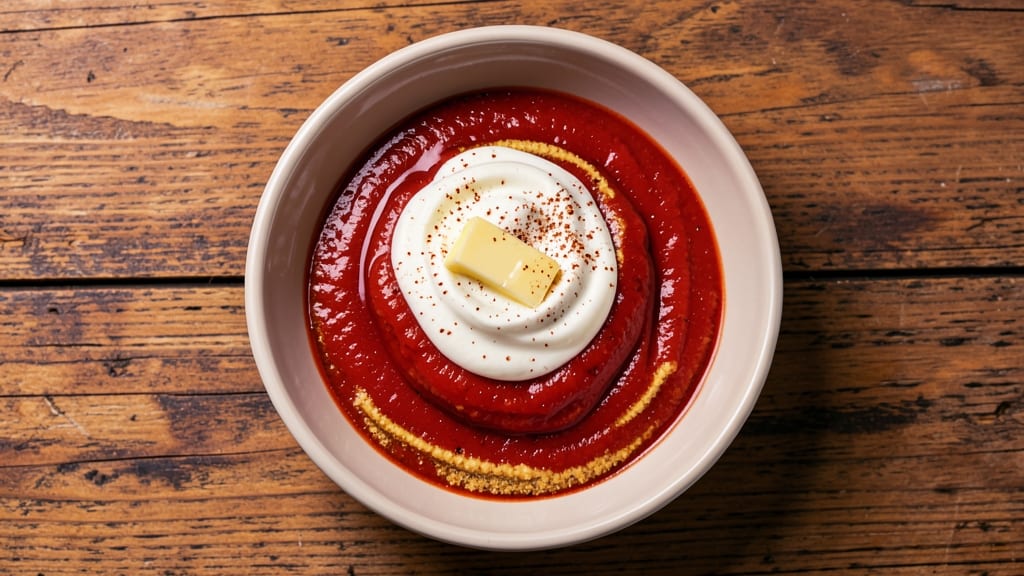
Transforming simple Campbell tomato soup into a creamy, restaurant-worthy gravy doesn’t require complicated techniques—just a few strategic steps and pantry staples. This method builds depth and richness without extra ingredients, turning a pantry staple into a versatile sauce that elevates everything from mashed potatoes to grilled steaks.
The key lies in balancing the soup’s natural acidity with thickening agents like flour or cornstarch, creating a velvety texture that clings perfectly.
What makes this gravy stand out is its foolproof approach—no need for roux mastery or constant stirring. A simple slurry of flour and cold water or cornstarch mixed into simmering soup does the work, while a splash of cream or milk adds that luscious finish.
The result is a gravy that’s smooth, savory, and subtly sweet, with just enough tomato brightness to complement hearty dishes without overpowering them.
This gravy works as a creamy topping for creamy mashed potatoes, a drizzle over buttery pasta, or even a glaze for roasted vegetables. It’s the kind of sauce that makes weeknight dinners feel like a home-cooked meal, with minimal effort and maximum flavor.
The best part? You’ll have it ready in under 20 minutes, with ingredients you likely already have on hand.
For extra richness, stir in a pat of butter at the end, or boost umami with a pinch of smoked paprika. The possibilities are endless, but the base recipe remains simple—perfect for cooks who want restaurant-quality results without the fuss. Let’s get started on this game-changing sauce.
Ingredients for campbell tomato soup gravy
Eight pantry staples transform canned tomato soup into velvety, restaurant-quality gravy.
| Ingredient | Amount | Notes |
|---|---|---|
| Campbell Tomato Soup (Condensed) 🍅 | 1 can | Classic or cream-style preferred |
| All-Purpose Flour 🌾 | 2 tbsp | For smooth slurry consistency |
| Cold Water 💧 | ¼ cup | Essential for slurry activation |
| Heavy Cream 🥛 | ¼ cup | Full-fat for optimal richness |
| Unsalted Butter 🧈 | 2 tbsp | Cold, for finishing richness |
| Smoked Paprika 🌶️ | ½ tsp | For subtle depth of flavor |
| Diamond Crystal Kosher Salt 🧂 | ½ tsp | Adjust to taste preference |
| Freshly Ground Black Pepper 🌶️ | ¼ tsp | Enhances savory complexity |
The Campbell tomato soup serves as the flavor foundation, so opt for the cream-style variety if available—it naturally contains dairy, reducing the need for additional cream. Whole Foods or Trader Joe's often carry premium versions with smoother textures. For the flour slurry, use all-purpose flour and mix it with cold water to prevent lumps. This technique creates a silky texture without the need for constant stirring. The heavy cream should be room temperature for even incorporation, while the unsalted butter adds a luxurious finish. Smoked paprika from Penzeys or a reputable spice merchant elevates the umami profile significantly.
No heavy cream? Substitute with half-and-half or whole milk, though the texture will be slightly lighter. Running out of smoked paprika? Regular paprika or a pinch of cayenne can mimic the smoky depth. For a dairy-free option, coconut cream works surprisingly well, though the flavor profile shifts slightly. If you prefer a tangier gravy, add an extra splash of lemon juice at the end. The flour slurry can be pre-mixed in a small bowl with cold water to ensure a lump-free finish—this step is critical for achieving that velvety consistency.
This gravy reheats beautifully—simply warm on the stove over medium-low heat, stirring occasionally. It holds its texture for 3-4 days in the refrigerator, though the flavor deepens over time. For longer storage, freeze in ice cube trays and transfer to a container—perfect for single-serving applications. The gravy pairs exceptionally well with roasted meats, mashed potatoes, or even as a drizzle over grilled vegetables. For a richer version, increase the butter to 3 tablespoons and reduce the cream slightly.
Why You'll Love This Recipe
- Pantry Magic: I swear by this recipe when I’ve got nothing but a can of soup and a few basics. No fancy ingredients—just flour, water, and that creamy tomato base—transformed into something rich and velvety. Honestly, it’s the kind of dish that makes me feel like I’m cooking a meal when I’m really just mixing a few things together.
- Creamy Tomato Hug: The heavy cream and butter take that canned tomato soup from basic to ridiculously good—smooth, slightly tangy, and thick enough to coat every bite. It’s the kind of gravy that makes mashed potatoes or roasted veggies taste like a restaurant dish, not a weeknight dinner.
- Game for Any Meal: Slather it over grilled cheese, pour it over baked potatoes, or drizzle it on top of a simple steak. I’ve even used it as a dip for crusty bread when I’m in a pinch. It’s my secret weapon for turning boring meals into something special without extra effort.
- Leftover Goldmine: Between us, this gravy tastes even better the next day—if there’s any left, which there usually isn’t. But if you’re prepping ahead, it reheats like a dream and stretches across multiple meals. Plus, the ingredients are cheap, so you’re not breaking the bank for a flavor boost.
Step-by-step instructions for Campbell tomato soup gravy
Transform simple pantry staples into velvety tomato gravy with this foolproof method.
Create a Smooth Flour Slurry
In a medium bowl, whisk together the 2 tablespoons all-purpose flour and the 0.25 cup cold water until completely dissolved and free of lumps. The mixture should resemble thin pancake batter in consistency. This slurry is the secret to thickening your gravy without developing gluten, which could make it gummy. Let it sit for 2 minutes while you prepare the soup base.
Here's the thing—using cold water prevents the flour from cooking prematurely. If you use warm water, the slurry will thicken too quickly in the pan, creating a pasty texture instead of a smooth sauce. The cold water gives you precise control over the thickening process.
Melt Butter and Whisk in Tomato Soup
Melt the 2 tablespoons unsalted butter in a medium saucepan over medium heat. Once the butter has fully melted and begins to foam, pour in the 1 can Campbell Tomato Soup (Condensed). Stir gently to combine, being careful not to let the mixture come to a boil at this stage.
Add the flour slurry to the tomato soup mixture while stirring continuously with a whisk. The heat will begin to activate the flour immediately, so keep whisking for 1-2 minutes until the gravy thickens noticeably and coats the back of a spoon. You're looking for a consistency similar to heavy cream—smooth and velvety, not gluey.
Season and Simmer to Perfection
Reduce the heat to low and stir in the 0.25 cup heavy cream, 0.5 teaspoon smoked paprika, 0.5 teaspoon Diamond Crystal kosher salt, and 0.25 teaspoon freshly ground black pepper. Let the gravy simmer gently for 3-4 minutes, stirring occasionally. The smoked paprika will infuse subtle depth while the cream adds luxurious richness.
This is where the magic happens: the residual heat from the pan will gently cook the cream without curdling it. If the gravy begins to look too thick, add 1 tablespoon cold water at a time until you reach the desired consistency. The final texture should be silky and coat the back of a spoon without being overly heavy.
Finish with Butter for Ultimate Creaminess
Remove the saucepan from heat and stir in the remaining 2 tablespoons unsalted butter, cut into small pieces. The butter will melt into the warm gravy, creating an ultra-creamy finish that elevates the dish. Taste and adjust seasoning if needed—you may need a touch more salt or pepper depending on your tomato soup's saltiness.
Let the gravy rest for 2-3 minutes before serving. This allows the flavors to meld completely and the sauce to reach its ideal temperature. The result should be a velvety, restaurant-quality tomato gravy that pairs beautifully with mashed potatoes, roasted meats, or grilled sandwiches.
Pro Tips For Making Campbell Tomato Soup Gravy
- Whisk the roux fast: Dump the flour and cold water into your pot all at once, then hit it with a whisk or wooden spoon like you’re mad at it—no need to pre-mix. I used to add it slowly and ended up with lumps every time. The cold water cuts the flour before it can clump, and the motion breaks it down instantly.
- Salt the cream first: Season the heavy cream with a pinch of salt before adding it to the soup—it blends in smoother and saves you from guessing later. I learned this the hard way after tasting a batch where the cream tasted bland while the soup was over-salted. A tiny pinch (about ¼ teaspoon) makes all the difference.
- Simmer, don’t boil: Once the roux thickens, drop the heat to a gentle simmer—not a rolling boil. Boiling burns the roux and makes the gravy taste raw. I’ve ruined gravy this way more times than I’ll admit. Keep it at a low bubble, and stir occasionally to prevent sticking.
- Use European-style butter: Swap unsalted butter for European-style (like Plugrá or President) if you can—it has 82% fat, which makes the gravy richer without extra effort. Regular butter burns easier and adds water, thinning the gravy. Worth the splurge for a restaurant-quality finish.
Common mistakes when making this recipe
Over-Thickening Risks
One of the biggest mistakes is letting the gravy thicken too much before adding cream. When the flour slurry cooks too long, it develops a gluey, pasty texture instead of a smooth sauce.
I’ve seen this happen when people rush the thickening process, especially if they use warm water for the slurry. Always use cold water and stop stirring once the gravy reaches a light coating on the back of a spoon—it will thicken further as it rests. 🌡️
Skipping the Resting Step
Many people can’t resist serving the gravy immediately after cooking, but this is a critical error. Letting the gravy rest for 2-3 minutes allows the starches to fully hydrate and the flavors to meld.
If you serve it too soon, the texture will be grainy and the flavors uneven. I’ve learned this the hard way—patience here makes all the difference for a silky finish.
Using Warm Water for Slurry
Warm or hot water activates the flour immediately, causing the slurry to thicken too quickly in the pan. This leads to lumpy, uneven texture that’s nearly impossible to fix. Always use cold water—it gives you precise control over the thickening process.
If you’re in a hurry, mix the flour with cold water in a separate bowl and add it gradually while whisking continuously.
Ignoring Salt Balance
Campbell tomato soup already contains significant sodium, so adding extra salt without tasting first can make the gravy overly salty. I recommend tasting the soup before seasoning—if it’s already well-seasoned, you might only need a pinch of salt at the end.
Adjust gradually, as it’s easier to add more than to fix oversalted gravy.
Boiling the Gravy
Bringing the gravy to a full boil after adding the slurry can cause the flour to develop a raw, floury taste and create a glue-like consistency. Keep the heat at medium-low and stir constantly until the mixture thickens.
If it starts to bubble too vigorously, reduce the heat immediately. The goal is a gentle simmer, not a rolling boil.
Substituting Cream Too Late
Adding the heavy cream at the very end can cause it to curdle from the residual heat. Instead, stir it in after reducing the heat to low and let it simmer gently for 3-4 minutes.
This ensures the cream incorporates smoothly without breaking. For extra insurance, whisk the cream into the warm (not hot) gravy to prevent separation.
Nutrition facts
Frequently asked questions
Can I use this gravy as a pasta sauce?
This creamy tomato gravy works beautifully as a pasta sauce, especially with fettuccine, penne, or shells. Simply toss the cooked pasta with the gravy and finish with grated Parmesan cheese or fresh herbs like basil. The rich, velvety texture coats the noodles perfectly, making it a hearty meal in minutes.
What if I don’t have heavy cream?
No problem! You can substitute with half-and-half or whole milk for a lighter texture, though the gravy will be slightly thinner. For extra richness without dairy, try coconut cream—it adds a subtle sweetness that pairs well with tomato flavors. Always whisk the substitute into the warm (not hot) gravy to prevent curdling.
How do I fix gravy that’s too thick?
If your gravy thickens too much, simply whisk in 1 tablespoon cold water at a time until you reach the desired consistency. For a smoother texture, strain it through a fine-mesh sieve to remove any lumps. If the gravy has a raw flour taste, simmer it gently for an extra 1-2 minutes to cook out the starches.
Can I make this gravy ahead of time?
Yes! This gravy reheats beautifully. Store it in an airtight container in the refrigerator for up to 3-4 days or freeze it in ice cube trays for single-serving portions. To reheat, warm it over low heat on the stove, stirring occasionally, or microwave it in 30-second bursts until fully heated.
What’s the best way to serve this gravy?
This versatile gravy elevates everything from mashed potatoes to roasted meats or even as a dip for garlic bread. For extra flair, top it with a sprinkle of fresh herbs (like parsley or thyme) or a dash of hot sauce for a spicy kick. It’s also fantastic drizzled over grilled cheese sandwiches or as a topping for baked potatoes.