
Soups & Stews
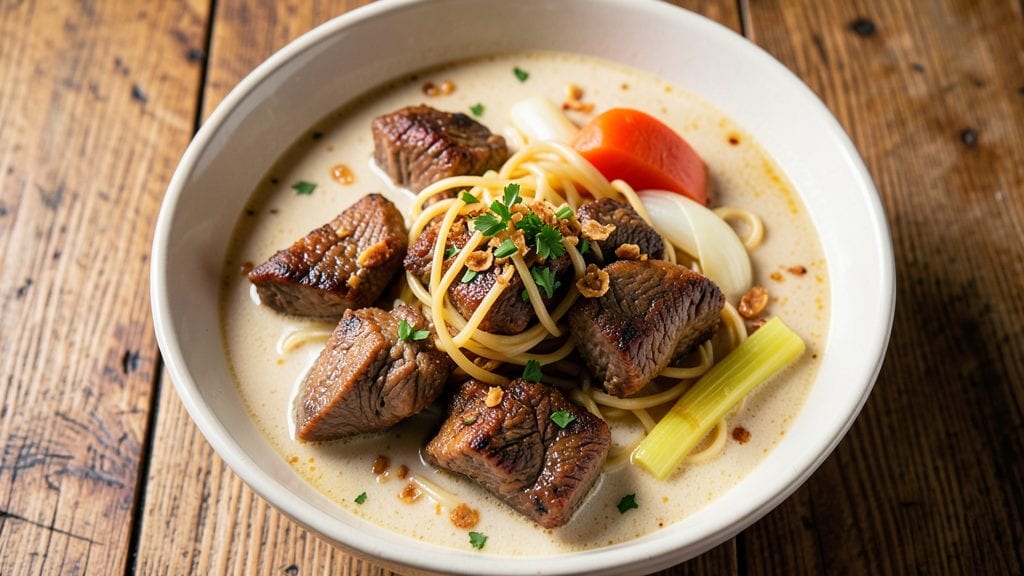
The classic Campbell’s beef noodle soup recipe stirs up childhood warmth—now you can perfect that cozy, one-pot magic in your own kitchen. Unlike the canned version, this recipe starts with seared beef and homemade broth, creating depth of flavor that transforms simple ingredients into something extraordinary.
This version keeps the beloved one-pot simplicity of Campbell’s classic but elevates it with tender beef, al dente noodles, and aromatic vegetables. The key lies in proper searing and slow simmering—techniques that develop rich, savory layers without requiring advanced skills.
It’s the perfect balance of convenience and authenticity for busy weeknights.
What makes this recipe special is the texture contrast—tender chunks of beef against chewy noodles, all bathed in a deeply flavored broth. The result is a bowl that feels like a warm hug, with customizable additions like fresh herbs or extra vegetables to suit your preferences.
Serve it with crusty bread or crackers to soak up every last drop of that comforting broth, and enjoy the satisfaction of a homemade meal that rivals the canned version—only better. Let’s get started with the full instructions.
Ingredients for campbell's beef noodle soup
One-pot comfort starts with these 15 simple ingredients—no fancy techniques required.
| Ingredient | Amount | Notes |
|---|---|---|
| Chuck Roast Beef 🥩 | 1 ½ lb | Cut into 1-inch cubes |
| Egg Noodles 🍜 | 8 oz | Medium or wide egg noodles |
| Yellow Onion 🧅 | 1 whole | Diced, medium size |
| Carrots | 4 medium | Peeled, sliced into rounds |
| Celery Stalks 🥬 | 3 whole | Diced, medium size |
| Garlic Cloves 🧄 | 4 cloves | Minced, fresh preferred |
| Tomato Paste 🍅 | 2 tbsp | Smooth, not chunky |
| Beef Broth 💧 | 4 cups | Low-sodium preferred |
| Water 💧 | 2 cups | Room temperature |
| Worcestershire Sauce 🍯 | 1 tbsp | Full-strength preferred |
| Dried Thyme 🌿 | 1 tsp | Or 1 tbsp fresh |
| Bay Leaves 🌿 | 2 whole | Removed before serving |
| Salt 🧂 | 1 ½ tsp | Adjust to taste |
| Black Pepper 🌶️ | ½ tsp | Freshly ground |
| Parsley 🌿 | ¼ cup | Chopped, for garnish |
The beef is the backbone of this soup. Chuck roast delivers the best texture—tender yet substantial. Look for well-marbled cuts at Whole Foods or your local butcher shop. If pre-cubed beef is more convenient, Costco or Walmart carry it year-round. Avoid lean cuts like sirloin; you want fat for flavor. For the noodles, barley or egg noodles work best—avoid instant varieties. The carrots and celery should be fresh, with vibrant color and crisp texture. If using frozen, thaw and drain well before dicing.
No beef broth on hand? Chicken broth plus 1 tbsp soy sauce works in a pinch, though the flavor will differ slightly. Substitute dried thyme with 1 tbsp fresh thyme if available, but reduce to half the amount. For the tomato paste, Trader Joe's or Muir Glen brands offer smooth, high-quality options. If Worcestershire sauce is unavailable, 1 tsp soy sauce plus 1 tsp vinegar mimics its umami depth. The bay leaves can be omitted if you dislike their flavor, but they add subtle earthiness to the broth. For extra richness, stir in 1 tbsp butter at the end.
This soup tastes even better the next day as flavors meld. Store in an airtight container in the refrigerator for up to 5 days, or freeze for 3 months. To reheat, simmer on the stove over medium-low heat, stirring occasionally, until warmed through. The noodles will soften further, so cook them slightly less than package instructions suggest. Garnish with fresh parsley just before serving to brighten the dish. For meal prep, portion into individual containers—leftovers make perfect lunches or quick dinners.
Why You'll Love This Recipe
- One-Pot Magic: I swear by this recipe because you literally dump everything into one pot—no fancy techniques, no stress. The chuck roast breaks down into tender shreds while the carrots and celery soften into that perfect, slightly sweet crunch. (Yes, even on a Tuesday night.)
- Umami Bomb: That chuck roast? It’s the star—deep, rich, and so satisfying when it melts into the broth. The egg noodles soak up the flavor like sponges, and honestly, the first spoonful makes me forget I’m not at my grandma’s kitchen table.
- Leftovers That Don’t Suck: Between us, most soups turn into sad, watery meals by day three. Not this one. The beef stays juicy, the noodles hold their shape, and I actually look forward to reheating it for lunch. (Pro tip: Add a splash of water and a sprinkle of pepper.)
- Budget-Friendly Powerhouse: You’re getting a full meal for pennies—chuck roast is cheap but packs serious protein, and the veggies stretch the broth without breaking the bank. I make this when grocery money’s tight, and no one ever complains. (My daughter picks out the carrots, but still asks for seconds.)
Step-by-step instructions for homemade beef noodle soup
This classic recipe delivers rich, comforting flavors in a single pot—just like the nostalgic version you love.
Brown the Chuck Roast Beef
Heat a large Dutch oven over medium-high heat. Add the 1.5 lb chuck roast beef cut into 1-inch cubes in a single layer, leaving space between pieces. Let them sear undisturbed for 3-4 minutes until they develop a deep brown crust on all sides. This step builds essential flavor through the Maillard reaction.
Once browned, remove the beef with tongs and set aside. You'll notice the meat releases some fat into the pot—this fat forms the flavorful base for your soup. If the pan appears dry, add 1 tablespoon of water to deglaze, scraping up any browned bits that cling to the bottom. These bits, called fond, are packed with flavor you don't want to lose.
Sauté the Vegetables
In the same Dutch oven, add 1 whole yellow onion diced, 4 medium carrots sliced into rounds, and 3 whole celery stalks diced. Cook over medium heat for 5-6 minutes, stirring occasionally, until the vegetables soften slightly and the onion becomes translucent. The vegetables should release their moisture and begin to caramelize at the edges.
Add 4 cloves garlic cloves minced and the 2 tbsp tomato paste, stirring constantly for 1 minute until the raw garlic smell disappears and the paste darkens slightly. This creates a rich, savory base for your soup. The tomato paste adds depth without overpowering the beef flavor, while the garlic infuses its aromatic qualities throughout.
Build the Broth
Pour in the 4 cups beef broth and 2 cups water, then return the browned beef to the pot. Stir in 1 tbsp Worcestershire sauce, 1 tsp dried thyme, 1.5 tsp salt, and 0.5 tsp black pepper. Add the 2 whole bay leaves and bring the mixture to a gentle boil over high heat. Once boiling, reduce heat to medium-low and let it simmer uncovered for 1 hour, stirring occasionally.
During this time, the beef will tenderize and release its juices into the broth, creating a rich, flavorful base. You'll notice the liquid reduces slightly and the aromas become more concentrated. The bay leaves will infuse subtle earthy notes, while the thyme adds a warm, herbal touch. This simmering process is crucial for developing the soup's depth of flavor.
Cook the Noodles
About 20 minutes before the soup is done, add the 8 oz egg noodles to the pot. Stir gently to distribute them evenly throughout the broth. The noodles should cook directly in the soup, absorbing its rich flavors as they soften. Cook for 8-10 minutes, stirring occasionally, until the noodles are al dente—tender but still with a slight bite.
Here's the thing—don't overcook the noodles. They'll continue to soften slightly as they sit in the hot broth. You want them to hold their shape while still being perfectly cooked. If you're unsure, taste one—it should be tender but not mushy. The noodles should float to the surface when fully cooked, indicating they've absorbed enough liquid.
Finish and Serve
Remove the 2 whole bay leaves from the soup and discard them. Stir in the 0.25 cup chopped parsley just before serving to add a fresh, bright finish that cuts through the richness of the beef and broth. The parsley not only enhances the visual appeal but also adds a subtle herbal note that complements the other flavors.
Taste the soup and adjust the seasoning if needed. You might find it needs a touch more salt or pepper, depending on the saltiness of your beef broth. Ladle the hot soup into bowls, making sure each serving gets an even distribution of beef, vegetables, and noodles. The aroma alone will remind you of comforting meals from your past, but the first spoonful delivers that perfect balance of rich beef, tender vegetables, and hearty noodles.
Pro Tips For Making Campbell'S Beef Noodle Soup
- SEAR THE BEEF FIRST: The canned soup’s beef is fine, but if you’re using fresh chuck roast, brown it in batches—don’t overcrowd the pan. A quick 3-4 minutes per side with a hot skillet builds flavor that the canned version just can’t match.
- CUT VEGETABLES UNIFORM: Slice onions, carrots, and celery into ¼-inch pieces—no bigger, no smaller. The soup simmers for hours, and uneven sizes mean some veggies turn mushy while others stay tough. (I learned this after serving a bowl with a rock-hard celery stalk.)
- SALT THE WATER: The egg noodles need a pinch of salt in the boiling water—even if the recipe doesn’t say it. The canned broth is salty, but the noodles will taste bland if you skip this. Trust me, your spoon will notice.
- STIR THE BROTH: If you’re using canned soup as a base, give it a good stir before adding noodles. The ingredients settle, and you’ll end up with a bowl where half is just tomato paste sludge. A quick mix ensures every spoonful has the same rich, balanced taste.
Pro cooking tips for perfect results
Sear Like a Pro
The secret to deep flavor starts with proper searing. Use a heavy-bottomed Dutch oven like All-Clad or Le Creuset to ensure even heat distribution. Pat the beef dry with paper towels before searing—this helps create a better crust through the Maillard reaction.
Work in batches if needed to avoid overcrowding, which steams instead of sears the meat. 🔥
Deglaze for Depth
After removing the beef, don’t walk away from that pot! Immediately add 2 tablespoons of water or beef broth and scrape up the browned bits (fond) with a wooden spoon.
These bits contain concentrated flavor that dissolves into the liquid. For extra richness, use dry white wine (like Pinot Grigio) instead of water—just ¼ cup will add elegant complexity.
Simmer Control
A gentle simmer is key—too vigorous and the broth will foam over. Maintain a low, steady bubble (small bubbles breaking the surface) rather than a rolling boil. If your pot lacks a lid, cover it loosely with foil to retain moisture.
I like to check the broth after 30 minutes—if it’s reduced too much, add ¼ cup hot water to maintain consistency.
Noodle Timing
Add noodles 20 minutes before serving to prevent mushiness. For extra chew, reduce cooking time by 1-2 minutes compared to package instructions—they’ll finish cooking in the hot broth. If your noodles float too quickly, they’re overcooked. Stir occasionally to prevent sticking, especially with egg noodles which can clump.
Flavor Boosters
Elevate your soup with these pro tricks: Add 1 tsp soy sauce to the broth for umami depth, or stir in 1 tbsp butter at the end for creaminess.
For a smoky note, add ½ tsp smoked paprika with the thyme. Always taste before serving—adjust salt last, as the noodles absorb it as they cook.
Equipment Essentials
A slotted spoon helps remove bay leaves cleanly, while a fine-mesh strainer catches any stray noodles when ladling. For meal prep, portion soup into glass Pyrex containers—they reheat evenly and won’t absorb odors.
A microplane is perfect for fresh parsley garnish, giving you finely textured herbs without overpowering the dish. 💡
Nutrition facts
Frequently asked questions
Can I make this soup without a Dutch oven?
A Dutch oven isn't strictly necessary, but it's ideal for even heat distribution. Use a large, heavy-bottomed pot with a tight-fitting lid instead. If your pot isn't deep enough, reduce the broth by ½ cup to prevent overflowing during simmering. The key is maintaining a gentle simmer for the full 1 hour—this develops the rich flavors.
How can I make this soup kid-friendly?
For picky eaters, shred the beef finely before adding it to the soup. Use smaller noodles like egg noodles cut into ½-inch pieces or opt for rice noodles instead. Reduce the Worcestershire sauce to ½ tbsp and add a pinch of sugar to balance flavors. Serve with buttered crackers on the side for dipping.
Can I substitute beef broth with something else?
Yes! For a lighter version, use 4 cups chicken broth plus 1 tbsp soy sauce to mimic beef's umami. For vegetarian, replace beef with 1.5 lbs mushrooms (sautéed first) and use vegetable broth. Add 1 tsp beef bouillon powder to vegetable broth to enhance savory notes. The texture will differ, but the comforting essence remains.
Why did my noodles turn mushy?
Overcooking is the most common cause. Add noodles 20 minutes before serving and cook them for only 8-10 minutes—they'll finish cooking in the hot broth. Stir occasionally to prevent sticking. If using instant noodles, reduce cooking time by half and drain them first. The broth should remain slightly thick to support the noodles' texture.
Can I make this soup ahead of time?
This soup tastes even better the next day. Store in an airtight container in the fridge for up to 5 days or freeze for 3 months. Reheat gently on the stove, stirring occasionally, until warmed through. The noodles may soften further—add 2 tbsp water if needed to maintain consistency. Garnish with fresh parsley before serving.