
Main Courses
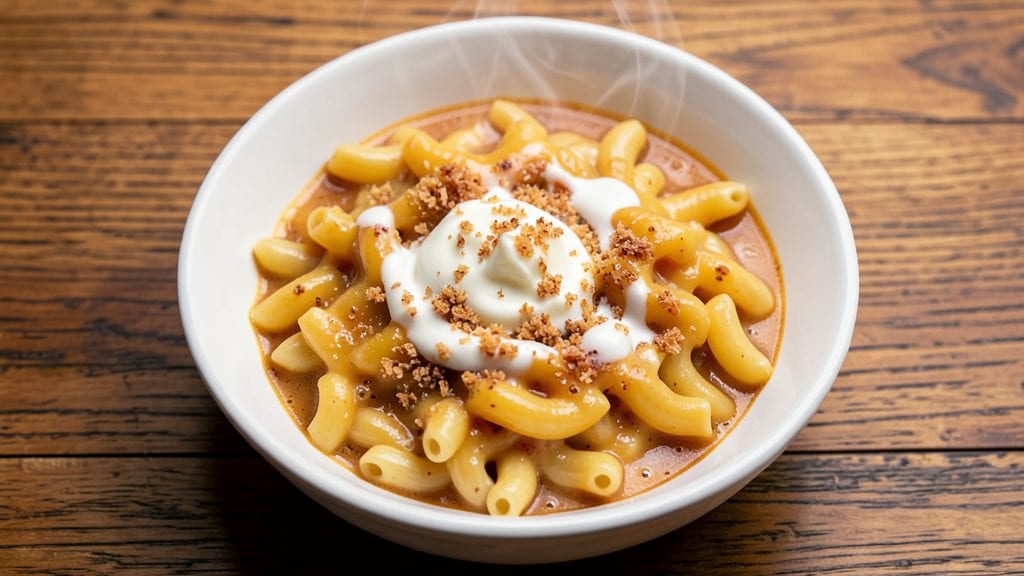
This Campbell's cheddar soup mac and cheese recipe transforms pantry staples into a one-pot, creamy comfort dish that rivals restaurant versions. The secret lies in balancing the rich, tangy flavor of the soup with melted cheddar until every bite is velvety and satisfying.
I first discovered this method during a snowstorm when I needed dinner fast—no fancy ingredients, just a can of soup and a handful of cheese.
The beauty of this recipe is its simplicity: boil pasta, stir in soup and cheese, then bake until bubbly and golden. You won’t find any complicated techniques here—just a foolproof method that delivers restaurant-quality results in under 30 minutes.
The Campbell’s cheddar soup adds depth without overpowering the dish, while the cheese creates that signature creamy texture we all love.
What you’ll end up with is a creamy, cheesy masterpiece that’s perfect for family dinners or game-day snacks. The pasta absorbs the soup’s richness, creating a sauce that clings to every noodle, while the melted cheese on top adds a crispy, golden finish.
It’s the kind of dish that makes weeknights feel special without requiring extra effort.
For extra indulgence, top with buttery breadcrumbs or mix in cooked bacon for a heartier bite. This recipe scales easily too—whether you’re feeding two or six, the same simple steps apply. Let’s get cooking!
Ingredients for campbell's cheddar soup mac and cheese
Pantry staples meet cheesy indulgence—just 11 ingredients for creamy perfection.
| Ingredient | Amount | Notes |
|---|---|---|
| Elbow Macaroni 🍝 | 12 oz | Uncooked, medium or small shape |
| Campbell's Cheddar Cheese Soup 🍲 | 2 cans | Condensed, 10.5 oz each |
| Sharp Cheddar Cheese 🧀 | 2 cups | Shredded, block preferred |
| Heavy Cream 🥛 | ½ cup | Full-fat for creaminess |
| Butter 🧈 | 2 tbsp | Unsalted, melted |
| Milk 🥛 | ½ cup | Whole milk preferred |
| Garlic Powder 🧄 | 1 tsp | Freshly ground preferred |
| Ground Black Pepper 🌶️ | ½ tsp | Freshly cracked |
| Diamond Crystal Kosher Salt 🧂 | ½ tsp | Adjust to taste |
| Panko Breadcrumbs 🍞 | ¼ cup | For topping, optional |
| Cooked Bacon 🥓 | ½ cup | Chopped, optional |
The cheddar is non-negotiable here. Block cheese grated yourself melts smoother than pre-shredded (no anti-caking agents). Kraft 2-year aged sharp cheddar from the dairy aisle has the best flavor—it’s worth the extra buck if you’re treating yourself. For the soup, Campbell’s Cheddar Cheese Soup is the only way to go—it’s got that perfect tangy richness that balances the cheese. If you’re feeling fancy, swap the heavy cream for half-and-half, but full-fat gives that velvety texture we’re after. The elbow macaroni should be medium or small—it clings to the sauce better than jumbo shapes.
No Campbell’s? Homemade cheddar soup works—just simmer shredded cheddar with milk, a splash of cream, and a pinch of mustard powder. Short on sharp cheddar? Monterey Jack at half the amount keeps it creamy but less bold. The bacon adds smokiness without overpowering—cook it crispy first so it doesn’t turn soggy in the oven. Panko topping is optional but worth it for that crispy contrast. (Pro tip: Toast the breadcrumbs with butter before sprinkling—game changer.) If you’re making this ahead, skip the topping until serving so it stays crunchy.
This reheats beautifully—just cover with foil and warm in the oven for 10-15 minutes at 350°F. Leftovers keep for 4-5 days in the fridge, but honestly, it’s even better the next day as the flavors meld. For freezing, portion into single servings so you can grab and reheat. The cheese sauce thickens when cold, so stir in a splash of milk when reheating if it gets too stiff. Double the recipe? It scales perfectly—just use a larger baking dish and adjust cooking time by 10-15 minutes.
Why You'll Love This Recipe
- Pantry Magic: I swear by this one when I forget to grocery shop—just soup, noodles, and cheese. The Campbell’s soup does half the work, and the sharp cheddar melts into that perfect stretchy, tangy blanket over the pasta. No fancy ingredients, no stress.
- Creamy Crispy Fix: That buttery, crispy top layer? It’s everything—thanks to the heavy cream and a quick broil. The inside stays rich and velvety while the edges get golden. Honestly, it’s the kind of dish that makes you pause mid-bite just to admire it.
- Game for Any Night: Weeknight dinner? Check. Tailgate spread? Done. Even my picky teen clears her plate. It’s the ultimate crowd-pleaser—warm, filling, and ready in under 30 minutes. No one’s turning down a bowl of this.
- Leftovers That Win: This stuff improves the next day. The flavors meld even more, and it reheats like a dream—just microwave until bubbly. I make a double batch on Sundays because it’s my secret weapon for lazy afternoons. Zero guilt, all comfort.
Step-by-step instructions for Campbell's cheddar soup mac and cheese
Here's how to turn simple pantry staples into ultra-creamy, one-pot perfection.
Cook the Elbow Macaroni in Soup Base
In a large, deep skillet or Dutch oven, pour in the 2 cans of Campbell's Cheddar Cheese Soup. Place over medium heat and let it warm through for 2-3 minutes until it begins to bubble gently. This preheats your pot and creates the perfect creamy foundation.
Add the 12 oz elbow macaroni to the soup and stir gently to coat each piece. Bring the mixture to a gentle boil, then immediately reduce heat to medium-low. Cover and simmer for 12-14 minutes, stirring occasionally, until the pasta is tender but still holds its shape. You'll know it's done when you can pierce a piece with a fork and it offers just slight resistance. Resist the urge to stir constantly—the pasta needs room to absorb the soup's creamy goodness.
Here's the thing—if you let it boil vigorously, the cheese will separate and you'll end up with a grainy texture. That medium-low heat keeps everything silky smooth. Keep the lid slightly ajar during the last 2 minutes to let any excess moisture escape, which helps create that perfect creamy consistency we're after.
Build the Creamy Cheese Layer
Once the pasta is perfectly cooked, remove the skillet from heat and stir in the 2 cups sharp cheddar cheese, 0.5 cup heavy cream, and 0.5 cup milk. The cheese should begin to melt almost immediately, creating a thick, velvety sauce that coats every strand of pasta. If you notice any lumps forming, use a wooden spoon to gently break them up and stir until smooth.
Return the skillet to low heat and let the mixture simmer for an additional 3-4 minutes, stirring constantly. This gentle heating ensures the cheese melts completely and the flavors meld together. You're looking for a sauce that coats the back of your spoon with a glossy sheen—this indicates perfect emulsification. If the mixture starts to look too thick, add 1-2 tablespoons of water to loosen it slightly while maintaining that creamy texture.
This is where the magic happens—the combination of the condensed soup's creaminess with the sharp cheddar creates that signature rich, tangy flavor. Don't be tempted to walk away during this step; constant stirring prevents the cheese from separating and ensures that luscious consistency throughout.
Season and Prepare the Topping
With the skillet still on low heat, stir in the 2 tbsp melted butter, 1 tsp garlic powder, 0.5 tsp ground black pepper, and 0.5 tsp Diamond Crystal kosher salt. Taste and adjust the seasoning—you might want to add a pinch more salt or pepper depending on your preference. The bacon and breadcrumbs will add their own flavors, so go easy on the salt at this stage.
In a small bowl, combine the 0.5 cup cooked bacon and 0.25 cup panko breadcrumbs. Toss them together gently to distribute the bacon evenly through the breadcrumbs. This mixture will become your crispy topping that adds texture contrast to the creamy mac and cheese. If you're feeling fancy, you can even melt a tiny bit of butter in a separate pan and lightly toast the breadcrumb mixture for about 2 minutes until golden brown—this adds an extra layer of crunch.
Real talk: the bacon isn't just for flavor—it adds that satisfying crunch that cuts through the creamy sauce. And the panko gives you that perfect breadcrumb topping that stays crispy even after baking. Don't skip this step if you want that restaurant-quality finish.
Bake to Golden Perfection
Transfer the mac and cheese to a baking dish that's been lightly greased with butter or sprayed with cooking spray. The skillet should be hot enough to transfer the mixture easily—this helps prevent any separation. Sprinkle the bacon and panko mixture evenly over the top, pressing down gently to help it adhere.
Place the baking dish in a preheated 375°F oven and bake for 15-20 minutes. You're looking for the top to turn golden brown and the edges to bubble slightly. The internal temperature should reach 165°F when checked with an instant-read thermometer. This baking step is crucial—it melts the cheese one final time, creates that beautiful browned crust, and ensures the bacon topping gets crispy.
Your oven might run hot, so start checking at the 15-minute mark. If the top is browning too quickly, tent it loosely with aluminum foil to prevent over-browning while still allowing it to finish cooking. The moment it comes out of the oven, let it rest for 5 minutes before serving—this allows the cheese to set slightly and makes it easier to scoop perfect portions.
Pro Tips For Making Campbell'S Cheddar Soup Mac And Cheese
- Cook pasta al dente: DESCRIPTION: The Campbell’s soup recipe calls for fully cooked noodles, but I’ve learned the hard way—undercooking them by 30 seconds makes all the difference. They’ll absorb the creamy sauce better and hold their shape instead of turning mushy. (Yes, even if you’re impatient like me.)
- Melt cheese slowly: DESCRIPTION: Dump that extra sharp cheddar into the hot soup all at once, and you’ll end up with clumps. Instead, whisk in a handful at a time while stirring constantly—let each batch melt completely before adding more. Sounds tedious, but it guarantees a silky texture.
- Skip the pre-shredded cheese: DESCRIPTION: Pre-shredded cheese has anti-caking agents that turn your mac and cheese into a grainy disaster. Grate your own sharp cheddar—it melts smoother and tastes fresher. (I know, I know, but trust the process.)
- Finish with cream off heat: DESCRIPTION: Stir in the heavy cream while the soup is still warm, but not boiling—heat will scorch it and make the sauce split. Remove the pot from the burner for the last 2 minutes of mixing, then return it only if needed. This keeps the sauce velvety, not curdled.
Essential equipment for this recipe
Essential Cookware
You don’t need fancy equipment for this recipe—just a few trusty staples from your kitchen. I always use a large, deep skillet (at least 10-inch diameter) or a Dutch oven because they hold heat well and prevent spills when stirring.
A heavy-bottomed pan like All-Clad or Le Creuset distributes heat evenly, but even a good stainless steel skillet works. For baking, grab a 9x9-inch baking dish—I prefer ceramic for even heat distribution, but glass or metal works too. 🍲
Mixing Tools
A wooden spoon is your best friend here—it won’t scratch your pan and helps scrape up those cheesy bits from the bottom. I also keep a rubber spatula handy for folding in the cheese without breaking the pasta.
For stirring the final mixture, a silicon spatula works great because it’s heat-resistant and flexible enough to reach every corner of your pan.
Measuring & Prep
Accurate measurements make all the difference, so grab a medium-sized mixing bowl for combining your toppings (bacon and breadcrumbs) and a fine-mesh grater for shredding the cheddar. I swear by a box grater—it’s faster than pre-shredded cheese and gives you that perfect melt.
Don’t forget a measuring cup set for the heavy cream, milk, and butter. A kitchen scale isn’t necessary, but if you’re feeling fancy, it helps ensure precise cheese amounts for that ultra-creamy texture.
Optional Extras
If you’re adding crispy bacon, a 10-inch cast-iron skillet (like Lodge) is ideal for cooking it to perfection. For toasting breadcrumbs, a small nonstick skillet works, but you can also do it right in the oven while your mac and cheese bakes.
A fine-mesh sieve comes in handy if you want to strain any excess liquid from the cooked pasta before mixing in the cheese. And trust me, an instant-read thermometer (like Thermoworks) ensures your baked mac and cheese hits that 165°F mark without guessing. 🌡️
Budget-Friendly Swaps
No fancy tools? No problem. A large pot with a lid works for cooking the pasta, and a baking sheet can double as a baking dish in a pinch. For grating cheese, a cheese grater or even a sharp knife works—just be patient.
Skip the thermometer and use the touch test: press the back of your hand near the baking dish. If it’s too hot to hold for 3 seconds, it’s ready. The key is paying attention to visual cues—the bubbly edges and golden-brown topping are your best indicators!
Nutrition facts
Frequently asked questions
Can I make this mac and cheese without baking it?
For a stovetop version, cook the pasta in the soup as directed, then stir in the cheese and cream mixture until fully melted. Keep the heat at low and stir constantly for 5-7 minutes until everything is smooth and creamy. The texture will be slightly softer than baked, but still delicious. Top with extra cheese or a sprinkle of paprika for flavor. This method works great for quick meals when you don’t want to use the oven.
What kind of cheese works best if I don’t have sharp cheddar?
For the best flavor, use Monterey Jack or Colby Jack as a substitute—they melt beautifully and add a mild, creamy taste. If you want more tang, try Pepper Jack (add extra pepper to balance the heat). Avoid pre-shredded cheese with anti-caking agents, as it can make the sauce grainy. If you’re in a pinch, Gruyère or Emmental work well too, but they’ll give a slightly different flavor profile.
How do I fix grainy cheese in my mac and cheese?
Grainy cheese usually happens from stirring too much or using pre-shredded cheese. To fix it, remove the pan from heat and stir in 1-2 tablespoons of cold milk or heavy cream. The fat content helps emulsify the cheese, creating a smoother texture. If that doesn’t work, blend a small amount of the mixture (about 1/4 cup) in a blender or food processor, then stir it back in. The key is to work quickly while the cheese is still warm.
Can I add other proteins or veggies to this recipe?
Yes! This recipe is super flexible. For extra protein, try adding chopped ham, diced chicken, or crumbled sausage—just cook them separately first and mix them in at the end. Veggies like steamed broccoli, diced bell peppers, or sautéed mushrooms work well too. For a vegan version, swap the cheese for nutritional yeast and use a plant-based milk and cream substitute. The Campbell’s soup base keeps everything cohesive.
Why did my mac and cheese get watery after baking?
Watery mac and cheese usually happens from overcooking the pasta or not draining it enough before mixing. To fix it, let the baked dish sit uncovered at room temperature for 10-15 minutes—the moisture will evaporate slightly. For next time, cook the pasta just until al dente (about 1 minute less than package instructions) and drain it well before adding to the soup. If it’s still too wet, stir in 1-2 tablespoons of cornstarch mixed with water to thicken the sauce.