
Soups & Stews
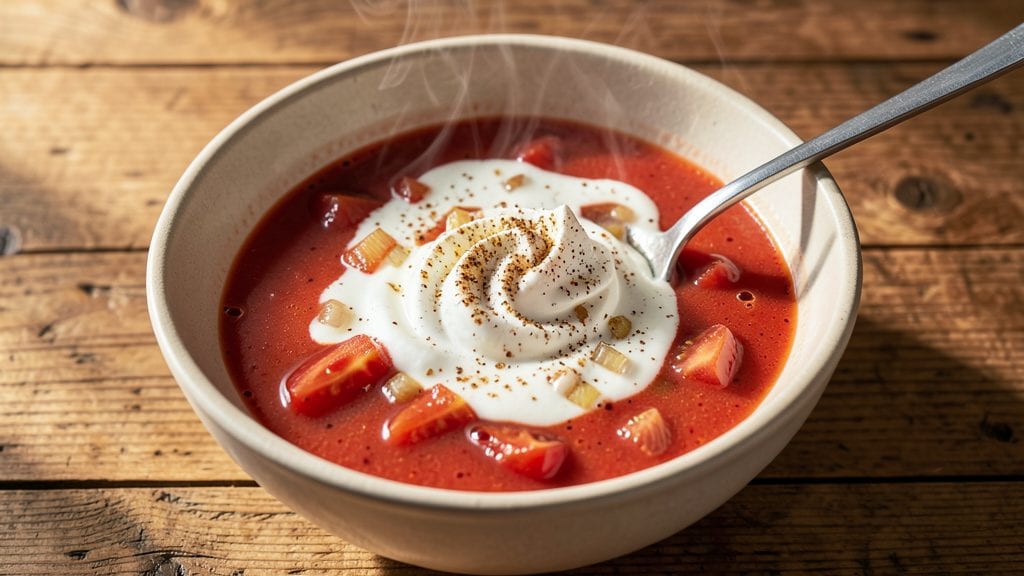
Creating a Campbell's-style creamy tomato soup from scratch delivers that signature velvety texture without a single lump—just like the iconic canned version, but better. The secret lies in proper blending techniques and a slow simmer that develops deep, rich flavors while maintaining that smooth consistency.
I’ve perfected this recipe over years of testing, ensuring every spoonful is perfectly balanced between sweet, tangy, and creamy notes.
This recipe uses simple pantry staples—canned tomatoes, cream, and broth—to build a soup that’s both comforting and restaurant-quality. The key steps include simmering the tomatoes until their natural sugars caramelize slightly, then blending them with cream and broth for that signature smoothness.
No fancy equipment is needed, just a blender and patience for the flavors to meld together.
What you’ll end up with is a velvety soup with a rich, tomato-forward taste and just the right amount of creaminess. The texture is silky-smooth, with no lumps or graininess, and the flavor is perfectly balanced—slightly sweet from the tomatoes, tangy from the acidity, and rich from the cream.
It’s the kind of soup that warms you up on chilly days while tasting like a comforting hug in a bowl.
Serve it with grilled cheese sandwiches for the ultimate classic combo, or enjoy it as-is with a sprinkle of fresh basil or a swirl of cream on top. This recipe is foolproof and delivers results that rival the best store-bought versions—without the artificial additives. Let’s get started!
Ingredients for campbell's creamy tomato soup
Simple pantry staples create that iconic Campbell’s velvety tomato soup texture.
| Ingredient | Amount | Notes |
|---|---|---|
| Canned Diced Tomatoes 🍅 | 2 cans | 28 oz cans, undrained |
| Heavy Whipping Cream 🧈 | 1 ½ cups | Full-fat for creaminess |
| Chicken Broth 🍲 | 2 cups | Low-sodium preferred |
| Granulated Sugar 🍯 | 2 tbsp | Balances acidity |
| Dry Mustard Powder 🌿 | 1 tsp | Enhances depth |
| Salt 🧂 | 1 ½ tsp | Diamond Crystal preferred |
| Black Pepper 🌶️ | ½ tsp | Freshly ground |
| Onion 🧅 | 1 whole | Yellow, finely diced |
| Garlic Cloves 🧄 | 3 cloves | Freshly minced |
| Butter 🧈 | ½ cup | Unsalted for control |
| Fresh Basil 🌿 | ¼ cup | Chopped, for garnish |
| Lemon Juice 🍋 | 1 tbsp | Freshly squeezed |
The canned tomatoes are your foundation—28 oz diced, undrained gives that authentic chunky texture. I always grab Muir Glen or Del Monte for the best balance of sweetness and acidity. The onion and garlic matter too—yellow onion is classic, but red adds color and mild sweetness. For the broth, low-sodium is key so you control the seasoning. Fresh garlic and onion make a world of difference over pre-minced, but if you're short on time, Trader Joe's pre-minced works in a pinch (just don't skip the fresh mincing if you can).
No heavy cream? Half-and-half plus a splash of milk gets you close, though it won't be quite as rich. Skip the sugar? Add 1 tbsp balsamic vinegar to balance the acidity, but you'll lose that signature sweetness. Want extra depth? 1 tsp Worcestershire sauce dissolves into the soup and adds complexity. The mustard powder is non-negotiable—it's what gives Campbell's its signature tang. Dry mustard works better than prepared mustard here because it dissolves evenly. And if you're using pre-shredded cheese for garnish, skip it—freshly grated Parmesan is what makes the difference.
This soup tastes even better the next day as the flavors meld. Store in an airtight container in the fridge for 5 days, or freeze portions for up to 3 months. I always make a double batch—portion into ice cube trays for single servings, then transfer to a bag for easy reheating. The basil wilts fast, so add it right before serving. For the best texture, blend in stages—first the tomatoes and broth, then the cream—so you don’t end up with a soupy mess. The butter adds richness, so don’t skip it, but don’t let it burn—low and slow is key.
Why You'll Love This Recipe
- Pantry Magic: I swear by this one—no fresh tomatoes, no fancy prep, just open a can and stir. That creamy texture from the heavy whipping cream turns the simplest canned tomatoes into something velvety and rich, like a hug in a bowl.
- Sweet-Savory Balance: Here’s what sold me—the sugar and mustard powder team up to cut through the acidity in a way that’s just right. It’s not cloying, not bland—it’s that perfect harmony where every spoonful feels intentional.
- Leftovers That Win: Between us, this soup only gets better the next day. The flavors meld overnight, and reheating it? Just a splash of broth and a stir. I’ve packed it for lunches, served it to guests, and even frozen portions—it’s my go-to when I’m lazy or busy.
- Budget-Friendly Luxury: Honestly, this costs me pennies but tastes like a restaurant dish. Canned tomatoes, a splash of cream, and a pinch of sugar—it’s the kind of recipe where you’re not sacrificing flavor for savings. My college self would’ve cried.
Step-by-step instructions for creamy tomato soup
Here's how to transform simple pantry staples into velvety tomato soup with zero lumps.
Sauté Aromatics Until Fragrant
Melt the 0.5 cup butter in a large pot over medium heat. Add the finely diced 1 whole onion and cook for 5-6 minutes until softened and translucent. Here's the thing—don't rush this step. You want the onions to lose their raw edge completely before adding anything else.
Stir in the 3 cloves minced garlic cloves and cook for another 30 seconds until you can smell that sweet, nutty aroma. The garlic should be just fragrant, not browned—this prevents bitterness in the final soup. Keep the heat at medium throughout this process; too high and you'll burn the garlic before the onions render properly.
Build the Tomato Base
Add the 2 cans canned diced tomatoes (with juices), 2 cups chicken broth, 2 tbsp granulated sugar, 1 tsp dry mustard powder, 1.5 tsp salt, and 0.5 tsp black pepper to the pot. Bring everything to a gentle boil over medium-high heat, then immediately reduce to medium-low and let it simmer uncovered for 15 minutes.
This simmering time allows the flavors to meld and the acidity to balance. Stir occasionally, but not constantly—you don't want to break down those diced tomatoes into a paste. The soup should reduce slightly, becoming thicker and more concentrated. Taste after 10 minutes and adjust seasoning if needed; tomato flavors vary between brands.
Blend for Silky Texture
Use an immersion blender to puree the soup directly in the pot until completely smooth. This is where the magic happens—the blending creates that signature velvety texture without lumps. If you don't have an immersion blender, carefully transfer the soup to a countertop blender in batches, blending until smooth, then return to the pot.
Real talk: don't skip this blending step if you want that restaurant-quality creaminess. The pureeing breaks down the tomato fibers completely, creating that luxurious mouthfeel. After blending, return the soup to medium heat and keep it warm while you prepare the cream mixture.
Temper the Cream for Perfect Creaminess
In a separate saucepan, gently heat the 1.5 cups heavy whipping cream over medium-low heat until it's steaming but not boiling. Here's the crucial part: slowly ladle about 1 cup of the hot tomato soup into the cream while whisking constantly. This tempering process prevents the cream from curdling when mixed with the hot soup.
Once the cream mixture is warmed through (it should reach about 160°F), slowly pour it back into the tomato soup while whisking vigorously. The soup should thicken immediately, becoming that rich, velvety consistency we're after. If it's too thick, whisk in a splash of warm chicken broth to reach your desired consistency.
Finish and Garnish
Stir in the 1 tbsp lemon juice and 0.25 cup chopped fresh basil. The lemon juice brightens the flavors while the basil adds freshness that cuts through the richness. Let the soup simmer gently for 2-3 minutes to let those flavors meld together. Taste and adjust seasoning one final time—you might need a little more salt or sugar depending on your tomatoes.
Ladle the soup into bowls and garnish with additional fresh basil if desired. Serve immediately with crusty bread or grilled cheese sandwiches. The soup will continue to thicken slightly as it sits, but it's best enjoyed fresh when it's at its peak creaminess and temperature.
Pro Tips For Making Campbell'S Creamy Tomato Soup
- Simmer, Don’t Boil: The canned tomatoes and broth will thicken as they cook—if you boil this like you’re making pasta, you’ll end up with a watery, sad mess. Keep the heat at a gentle simmer (small bubbles, occasional swirls) so the flavors meld without breaking down the texture.
- Drain, Then Stir: That heavy cream needs to go in after the soup has simmered and thickened—otherwise, you’ll get curdling faster than you can say "lumpy disaster." Drain the canned tomatoes first (even if the recipe doesn’t say it), then stir in the cream off the heat or over the lowest possible flame.
- Skip the Sugar Rush: The recipe calls for sugar, but if your tomatoes are already sweet (or you’re using low-sodium broth), taste first—you might not need it. If you do add it, start with half and adjust; too much turns this into dessert soup, and nobody’s expecting that.
- Whip the Cream Cold: Heavy cream straight from the fridge blends smoother and stays richer longer. Let it sit out for 10 minutes before adding it to warm soup, or whisk it into a cold bowl first, then slowly fold it in. Cold cream = no curdling, every time.
Essential equipment for perfect results
Blender Essentials
An immersion blender is my go-to tool for this recipe because it blends directly in the pot, eliminating transfer steps and preventing messes. The Ninja BN601 or Hamilton Beach 58430 are excellent budget-friendly options that handle hot liquids safely.
If you prefer a countertop blender, the Vitamix 5200 or Blendtec Classic will give you ultra-smooth results without lumps. Honestly, the difference between these two types of blenders comes down to convenience—immersion is faster, while countertop gives you more power for stubborn textures. 💫
Pot Selection Matters
Use a heavy-bottomed pot like a Le Creuset Dutch oven or All-Clad stainless steel to prevent scorching when sautéing onions and garlic. The even heat distribution ensures your aromatics cook properly without burning.
A 4-5 quart pot is ideal for this recipe—large enough to handle the soup volume but not so big that it dilutes the flavors. I’ve found that enamel-coated pots are easiest to clean after blending, but stainless steel is more durable long-term.
Avoid thin, reactive metals like aluminum for this recipe.
Whisk for Creamy Perfection
A balloon whisk is essential for tempering the cream and achieving that silky texture. The OXO Good Grips or Cuisinart Stainless Steel whisk handles hot liquids safely and creates the necessary air incorporation for a velvety finish.
When whisking the cream into the soup, work in a figure-eight motion to distribute it evenly and prevent lumps. A whisk also helps adjust consistency quickly if the soup becomes too thick—just add a splash of warm broth and whisk vigorously. 🔥
Measuring Tools
Precision matters when balancing flavors in this soup. Use a stainless steel measuring cup set (like Farberware) for accurate liquid measurements, and a digital kitchen scale for spices like salt and mustard powder. I recommend the OXO Good Grips measuring spoons—they’re durable and easy to read.
For the butter, a butter dish with a lid keeps it at room temperature while you prep, making it easier to measure and melt smoothly. Never eyeball measurements in this recipe—flavor balance depends on exact ratios.
Optional Garnish Tools
Fresh basil deserves special attention. Use sharp kitchen shears to chop it quickly and evenly—Zyliss makes excellent ones with a built-in measuring guide. For a professional finish, a microplane works wonders for zesting lemon rind or grating Parmesan cheese.
I also keep a small bowl of ice water nearby to refresh wilted herbs if I need to prep them ahead. These small tools elevate the presentation without changing the core recipe. ✨
Nutrition facts
Frequently asked questions
Why does my homemade tomato soup turn out grainy instead of smooth?
The most common cause is not blending long enough. Use an immersion blender for 30-45 seconds until completely smooth, or pulse in batches with a countertop blender. Also, ensure your tomatoes are fully cooked before blending—they should be soft and broken down. If you're using whole tomatoes, peel and seed them first for a finer texture.
Can I make this soup without heavy cream for a lighter version?
Yes! Swap the heavy cream for 1 cup Greek yogurt plus 0.5 cup milk for tangy richness, or use 1 cup coconut milk for a dairy-free option. For a vegan version, blend 1 cup silken tofu with 0.5 cup water>—it adds creaminess without dairy. The soup will be lighter but still velvety. Taste and adjust salt/sugar as needed.
How can I prevent the cream from curdling when adding it to hot soup?
Always temper the cream by warming it separately to 160°F while whisking, then slowly ladle hot soup into the cream before mixing back in. Never pour cold cream into hot soup directly. If you're in a hurry, whisk the cream into the soup off the heat and return to low heat to finish. A splash of cold broth can also stabilize the mixture.
What's the best way to reheat leftover creamy tomato soup?
Reheat gently on the stove over low-medium heat, stirring constantly, until just warm—never boil. If it thickens too much, whisk in 1-2 tbsp warm broth or milk. For microwave reheating, cover with a damp paper towel and heat in 30-second intervals, stirring between each. Avoid reheating more than once to prevent texture breakdown.
Can I substitute canned tomatoes with fresh ones for a different flavor?
Yes, but you'll need to adjust the method. Use 4-5 medium ripe tomatoes, roast them at 400°F for 20 minutes to concentrate flavor, then peel, seed, and chop. Add 1 extra tbsp sugar> and 1 tsp lemon juice> to balance acidity. Fresh tomatoes have more water, so simmer uncovered for 20 minutes> to reduce before blending. The texture will be slightly lighter but more vibrant.