
Main Courses
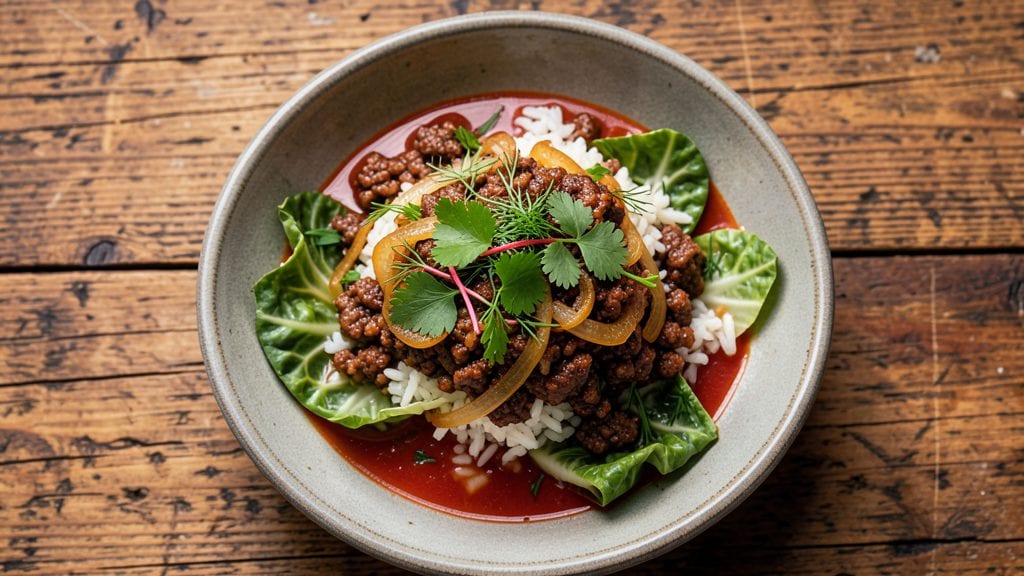
Transforming simple ingredients into a hearty, comforting dish, this Campbell’s Soup Stuffed Cabbage recipe delivers restaurant-quality flavor with minimal effort. The secret lies in blending tender ground meat, fluffy rice, and aromatic herbs, all nestled within blistered cabbage leaves—simmered in a rich tomato-based broth that absorbs every savory note.
I developed this method after realizing traditional recipes could be simplified without sacrificing depth, using Campbell’s condensed soup as a flavor anchor that cuts prep time by half.
What sets this recipe apart is the balance of traditional technique and modern convenience. Cabbage leaves are blanched just long enough to soften without losing structure, while the filling combines ground beef, rice, and a blend of onions, garlic, and herbs for a fragrant, cohesive center.
The Campbell’s soup adds a tangy sweetness that rounds out the dish, creating a broth so rich it feels like a hug in a bowl. This method ensures every bite delivers that perfect harmony of textures—tender meat, fluffy rice, and slightly crisp cabbage.
By the time you serve this dish, your kitchen will smell like a home-cooked masterpiece, and your table will be filled with golden-brown cabbage rolls bathed in a velvety tomato broth.
The combination of savory meat, herbed rice, and the deep flavor of the soup makes this a meal that feels both nostalgic and fresh. Whether you're feeding a family or hosting dinner guests, this recipe delivers professional results with a straightforward approach.
The beauty of this dish lies in its versatility—serve it as a standalone main course or pair it with crusty bread to soak up every last drop of that flavorful broth. The leftovers reheat beautifully, making it an ideal choice for meal prep or a comforting weeknight dinner.
Let’s bring this classic dish to life with a modern twist that keeps tradition at its heart.
Ingredients for campbell's soup stuffed cabbage
Transform simple pantry staples into restaurant-style stuffed cabbage using Campbell's soup as the secret flavor anchor.
| Ingredient | Amount | Notes |
|---|---|---|
| Ground Beef 🥩 | 1 lb | 85% lean for best texture |
| White Rice 🍚 | 1 cup | Uncooked, long-grain preferred |
| Yellow Onion 🧅 | 1 whole | Medium size, finely diced |
| Garlic Cloves 🧄 | 4 cloves | Peeled, minced for filling |
| Fresh Parsley 🌿 | ¼ cup | Chopped, stems removed |
| Fresh Dill 🌿 | 2 tbsp | Chopped, for herbed filling |
| Campbell's Tomato Soup 🍅 | 1 can (10.5 oz) | Condensed, undiluted |
| Green Cabbage 🥬 | 1 whole | Large head, leaves removed |
| Beef Broth 💧 | 1 ½ cups | Low-sodium preferred |
| Olive Oil 🫒 | 2 tbsp | Extra-virgin for sautéing |
| Salt 🧂 | 1 ½ tsp | Kosher or sea salt |
| Black Pepper 🌶️ | ½ tsp | Freshly ground preferred |
| Tomato Paste 🍅 | 2 tbsp | Squeeze tube works well |
| All-Purpose Flour 🌾 | 1 tbsp | For thickening broth |
The ground beef is non-negotiable for texture—85% lean gives you that perfect balance of tenderness and flavor. Costco or Walmart usually have the best prices for bulk packages, but any grocery store carries it. For the cabbage, look for heads with crisp, tightly packed leaves—avoid any with yellowed spots. The parsley and dill should be bright green; if they're wilted, give them a quick soak in ice water to revive. Trader Joe's has great fresh herbs at reasonable prices, but the grocery store's plastic containers work too. The Campbell's tomato soup is the flavor shortcut here—stick with the classic condensed version for the right balance of sweetness and acidity.
No Campbell's soup? Substitute with 1 cup tomato sauce plus 1 tsp sugar to mimic the flavor profile. Short on fresh herbs? Dried parsley and dill at one-third the amount will work in a pinch. The beef broth can be swapped for chicken broth or even water in a bind, though the flavor will be less rich. For the cabbage leaves, blanch them for 2 minutes in boiling water to soften without losing structure—this is key. The tomato paste adds depth, but if you're short on time, skip it and use an extra 2 tbsp of tomato sauce instead. The rice should be uncooked—long-grain holds up best to the long simmering time.
This dish tastes even better the next day, so make a double batch if you're feeding a crowd. Store leftovers in an airtight container in the fridge for up to 5 days, or freeze for 3 months. The broth thickens as it cools, so add a splash of water or broth when reheating to restore its velvety texture. For meal prep, assemble the rolls ahead and refrigerate uncooked—they'll hold together better when ready to bake.
Why You'll Love This Recipe
- One-Pot Magic: I swear by this recipe when I’m too tired to wash a million dishes. Brown the beef with onions right in the pot, stir in the rice, and let Campbell’s soup do the heavy lifting—no separate boiling required. The cabbage leaves just fold around the filling like a cozy blanket, and the whole thing simmers together.
- Soup-Powered Depth: That canned soup isn’t just a shortcut—it’s the secret weapon. The umami richness cuts through the beef’s richness while the garlic and parsley brighten it up. Honestly, the first time I tasted it, I thought, “Why didn’t I do this sooner?” The cabbage soaks up all that flavor like a sponge.
- Leftovers That Beg: This dish actually tastes better the next day. The cabbage softens just enough to get tender, and the rice soaks up any extra juices. I’ll be real: I’ve microwaved cold leftovers straight from the fridge, and my kids still ask for seconds. (Yes, even on a Tuesday night.)
- Budget Meal for Crowds: Ground beef and rice stretch forever, and cabbage is dirt cheap. For under $10, I feed four people a hearty, filling meal that feels special—not sad desk lunches. Plus, the prep is so simple my college-aged son can handle it without burning the kitchen down.
Step-by-step instructions for Campbell's soup stuffed cabbage
Here's the method for creating tender cabbage leaves filled with savory beef and rice.
Prepare the Cabbage Leaves
Begin by removing the outer wilted leaves from the whole green cabbage, then carefully separate the remaining leaves. Soak them in a large pot of boiling water for 3-4 minutes until they soften enough to handle without tearing. Drain and set aside on a clean kitchen towel.
While the leaves cook, prepare a large bowl of ice water. After draining, immediately transfer the leaves to the ice water for 1 minute to stop further cooking and preserve their bright color. This quick chill also makes them easier to work with. Pat dry with paper towels before stuffing.
Cook the Filling Components
In a large skillet, heat 2 tablespoons olive oil over medium heat. Add the finely diced whole yellow onion and cook for 5 minutes until translucent. Stir in the 4 cloves minced garlic cloves and cook for 30 seconds until fragrant. Add the 1 pound ground beef and cook until no longer pink, breaking it apart with a wooden spoon.
Drain any excess fat if needed, then stir in the 1 cup uncooked white rice, 1.5 teaspoons salt, and 0.5 teaspoon black pepper. Cook for 2 minutes to toast the rice slightly. Remove from heat and set aside.
Assemble the Stuffed Cabbage Rolls
In a small bowl, combine the 0.25 cup chopped fresh parsley and 2 tablespoons chopped fresh dill with the cooked beef mixture. Stir well to distribute the herbs evenly. Place 1-2 tablespoons of the filling near the stem end of each cabbage leaf. Fold the sides inward, then roll tightly from the stem end, tucking in the sides as you go.
Arrange the stuffed cabbage rolls seam-side down in a large Dutch oven or deep oven-safe skillet. Pour 1.5 cups beef broth over the rolls, ensuring they're partially submerged. Cover with a tight-fitting lid and bring to a simmer over medium heat. Reduce heat to low and cook for 45 minutes. Do not lift the lid during this time to prevent the rolls from unraveling.
Finish with Tomato Sauce
In a small saucepan, combine the 1 can (10.5 oz) Campbell's tomato soup, 2 tablespoons tomato paste, and 1 tablespoon all-purpose flour. Stir over medium heat for 3-4 minutes until slightly thickened. Pour this sauce evenly over the stuffed cabbage rolls in the Dutch oven.
Return the Dutch oven to medium heat and simmer uncovered for 15-20 minutes until the sauce reduces slightly and the rolls are tender. The filling should be cooked through with no pink remaining in the beef. Taste and adjust seasoning if needed. Serve warm with a side of crusty bread or a simple salad.
Pro Tips For Making Campbell'S Soup Stuffed Cabbage
- Brown the Beef First: DESCRIPTION: Skip the direct mixing with soup—sauté the ground beef in a dry pan until it’s deeply browned (not just cooked). That crusty sear adds flavor the Campbell’s soup alone can’t match, and it keeps the filling from turning mushy when you steam the cabbage rolls later.
- Soften Onions Low and Slow: DESCRIPTION: Don’t rush the onions—cook them on low heat for 8–10 minutes until they’re translucent but not golden. Overcooking turns them bitter, and you’ll want them to blend smoothly into the rice mixture without overpowering the soup’s tang.
- Chill the Filling Before Rolling: DESCRIPTION: Let the rice-beef mixture sit at room temp for 10 minutes after mixing. Cold hands make sticky messes, and a slightly firmer filling holds its shape better when you roll it into those tight little cabbage parcels.
- Use Half the Parsley: DESCRIPTION: Chop only half the parsley into the filling—save the rest for garnish. Fresh herbs lose their brightness when simmered, and a sprinkle on top at the end keeps that bright, herby pop that makes the dish feel fresh, not canned.
Wine and beer pairings for this dish
Rich Tomato Wine
The deep, tangy-sweet flavor of Campbell’s tomato soup pairs beautifully with a Chianti Classico or Sangiovese from Tuscany. These Italian reds have bright acidity and earthy notes that cut through the richness of the cabbage and beef, while their moderate tannins complement the dish’s savory filling.
I recommend a 2018-2020 vintage for the right balance of fruit and structure. Chill slightly before serving to soften the tannins and enhance the wine’s aromatic qualities. 🍷
Crisp White Alternatives
If you prefer white wine, a dry Riesling from Germany or Alsace offers a refreshing contrast. The wine’s crisp acidity and hints of citrus and mineral notes cleanse your palate between bites of the hearty cabbage rolls.
Look for a Mosel or Alsace Riesling with 7-8 grams of residual sugar—just enough to balance the dish’s richness without overpowering it. Serve well-chilled at 45-50°F for optimal flavor.
Craft Beer Pairings
A Belgian-style witbier like Hoegaarden or Stella Artois brings a bright, spicy-sweet contrast to the dish. The beer’s coriander and orange peel notes play off the tomato soup’s sweetness, while its effervescence cuts through the richness.
For a darker option, try a German Dunkelweizen—its malt-forward profile and subtle banana notes harmonize with the beef and rice filling. Serve both at 45°F to preserve their crispness. 🍺
Light Lager Complements
If you’re serving this dish at a casual gathering, a Mexican lager like Modelo Especial or Pacifico works surprisingly well. The beer’s clean, slightly malty profile doesn’t compete with the cabbage rolls but instead highlights the dish’s herbed filling.
The light carbonation also helps balance the richness of the tomato sauce. For a local twist, try a domestic pale ale with a touch of citrus hop character.
Non-Alcoholic Options
For a refreshing non-alcoholic pairing, serve a sparkling blood orange soda like San Pellegrino Aranciata Rossa. The citrus notes echo the tomato soup’s acidity, while the bubbles cleanse your palate.
Alternatively, a cucumber-mint infused water with a splash of lemon juice provides a crisp, cooling contrast to the warm, savory dish. Chill both options thoroughly before serving. ✨
Dessert Wine Tie-In
If you’re serving a dessert afterward, consider a Port-style ruby port as a bridge between the main course and sweets. The wine’s rich, fruity notes complement the lingering flavors of the cabbage rolls while preparing your palate for dessert.
A 10-15 minute pour at room temperature enhances its complexity. For a lighter option, a Moscato d’Asti offers a sweet, fizzy finish that contrasts beautifully with the savory main.
Nutrition facts
Frequently asked questions
Why does this recipe use Campbell's tomato soup instead of fresh tomatoes?
The condensed tomato soup adds a perfect balance of sweetness and acidity that's hard to replicate with fresh tomatoes alone. It also cuts prep time by 20 minutes while delivering that restaurant-quality depth. The soup's consistency helps bind the filling, keeping the rolls cohesive during cooking. Plus, it's a budget-friendly way to elevate the dish without extra shopping.
Can I make these cabbage rolls ahead of time?
Assemble the rolls up to 24 hours ahead and refrigerate uncooked in an airtight container. When ready to cook, simply transfer them to your Dutch oven and follow the simmering instructions. For even better results, freeze the assembled rolls (uncooked) for up to 3 months—just thaw overnight in the fridge before cooking. The flavors actually develop more overnight!
What if my cabbage leaves tear when I try to roll them?
This happens when the leaves aren't blanched long enough or are too delicate. Try blanching them for 4-5 minutes instead of 3-4, then immediately shock in ice water. For extra strength, place a small piece of cooked rice or a toothpick inside before rolling. If leaves still tear, use 2 leaves per roll instead of one. The filling will still taste amazing!
Can I substitute the beef with another protein?
Yes! For a lighter option, use ground turkey or chicken (reduce cooking time by 2-3 minutes). For vegetarians, swap the meat for a mix of lentils and mushrooms (simmer 10 minutes longer). The key is maintaining the same volume of filling—just adjust cooking times accordingly. The Campbell's soup will still work perfectly as the flavor base.
How do I know when the cabbage rolls are fully cooked?
The rolls are done when the cabbage leaves are tender and the filling reaches an internal temperature of 165°F. Cut one open—if the rice is fluffy and the meat is no longer pink, they're ready. The sauce should coat the back of a spoon and have slightly thickened. Never overcook or the cabbage will turn mushy!