
Soups & Stews
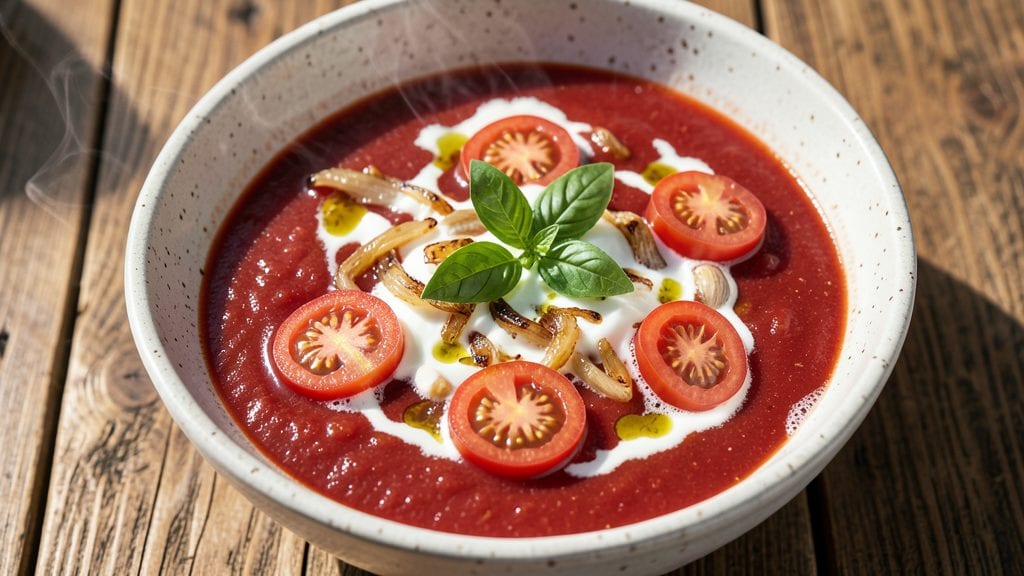
Transforming Campbell’s classic tomato soup with fresh tomatoes delivers a bright, homemade twist that’s impossible to resist. The secret lies in balancing sweet summer tomatoes with aromatic onions and garlic, then simmering everything into a velvety, restaurant-quality broth—all in just 30 minutes.
This isn’t just a soup; it’s a nostalgic comfort with a modern upgrade that’ll have everyone asking for seconds.
What sets this recipe apart is the fresh tomato base, which replaces canned tomatoes for a lighter, more vibrant flavor without sacrificing the creamy, comforting texture you love.
We’ll sauté onions and garlic until golden, then build the soup layer by layer—starting with broth, adding fresh tomatoes, and finishing with a touch of cream (optional) and fresh herbs for brightness. The result? A soup so rich and smooth, it’ll fool even the most skeptical Campbell’s fans.
By the time you’re done, you’ll have a homemade tomato soup that’s velvety, aromatic, and packed with fresh tomato flavor—perfect for chilly afternoons or as a cozy side. The best part? It’s quick enough for weeknight dinners but feels special enough for company.
Pair it with crispy grilled cheese or crusty bread, and you’ve got a meal that’s equal parts nostalgic and refined.
This recipe keeps the soul of Campbell’s while elevating it with fresh ingredients and a foolproof method that delivers consistent results every time. Whether you’re a seasoned cook or a beginner, the steps are simple, and the flavors are unbeatable.
Let’s get started on this homemade twist that’ll change how you enjoy tomato soup forever.
Ingredients for campbell's tomato soup recipe with fresh tomatoes
Fresh tomatoes and aromatic onions transform classic tomato soup into a velvety, restaurant-quality dish in just 30 minutes.
| Ingredient | Amount | Notes |
|---|---|---|
| Fresh Roma Tomatoes 🍅 | 1 ½ lb | Medium size, halved and cored |
| Yellow Onions 🧅 | 1 whole | Thinly sliced, about 2 cups |
| Garlic Cloves 🧄 | 4 cloves | Peeled and minced finely |
| Vegetable Broth 💧 | 4 cups | Low-sodium preferred |
| Heavy Cream 🥛 | ½ cup | Full-fat for creaminess (optional) |
| Extra-Virgin Olive Oil 🫒 | ¼ cup | For sautéing onions |
| Fresh Basil Leaves 🌿 | ¼ cup | Chopped, for finishing |
| Fresh Thyme Sprigs 🌿 | 2 sprigs | For aroma, stems removed |
| Granulated Sugar 🍯 | 1 tbsp | Balances acidity |
| Salt 🧂 | 1 tsp | Diamond Crystal kosher |
| Black Pepper 🌶️ | ½ tsp | Freshly cracked |
| Balsamic Vinegar 🍷 | 1 tbsp | For depth (optional) |
| Freshly Grated Parmesan Cheese 🧀 | ¼ cup | For serving |
The tomatoes are the star here—Roma tomatoes have the perfect balance of sweetness and acidity, but any ripe vine-ripened variety works. Grab them from your local farmers market if you can, or pick up the best-looking ones from the produce section. Heirloom varieties add extra depth, but standard grocery store tomatoes will still deliver great flavor. The onions? Yellow onions caramelize beautifully, but red onions add a subtle sweetness if you prefer. Don't skip the garlic—four cloves of fresh, minced garlic will give you that authentic Campbell's aroma without being overpowering. For the broth, low-sodium vegetable broth keeps the soup from tasting bland, but you can use homemade or even chicken broth if you're flexible.
No fresh tomatoes? Two 14-ounce cans of crushed tomatoes will work in a pinch, but you'll lose that bright, fresh flavor. Swap the heavy cream for Greek yogurt or coconut milk if you're avoiding dairy, though the texture will be slightly different. Fresh basil and thyme can be swapped for dried—use one-third the amount—but fresh herbs make a noticeable difference. The balsamic vinegar adds depth, but if you're skipping it, a pinch of red pepper flakes will give it a subtle kick. For a smoother texture, blend the soup before serving, but leave it chunky if you prefer the rustic feel of fresh tomatoes. The sugar is key—it balances the acidity of the tomatoes, so don't skip it even if your tomatoes are naturally sweet.
This soup tastes even better the next day, so make a double batch if you're planning to reheat it. Store leftovers in an airtight container in the fridge for up to 5 days, or freeze portions for 3 months. To reheat, warm gently on the stove with a splash of broth or water—never microwave, or it'll get grainy. The Parmesan and fresh basil are best added just before serving, so keep them separate until the end. If you're serving this to company, garnish each bowl with a drizzle of olive oil and a sprinkle of black pepper for that restaurant touch.
Why You'll Love This Recipe
- No Chopping Chaos: I swear by this recipe because the onions and garlic barely need a knife—just a quick dice while I chat with whoever’s in the kitchen. Those Roma tomatoes? Halve them, core them, toss them in. Done. The broth does the heavy lifting, so you’re not stuck stirring for hours.
- Creamy-Garlicky Magic: That moment when the heavy cream swirls into the simmered tomatoes and garlic? It’s like a hug in a bowl. The onions caramelize just enough to add depth, but the real star is the fresh tomato brightness cutting through the richness—no canned soup can compete with this fresh-tasting punch.
- Lunch or Dinner Fix: Between us, this soup is my lazy Sunday brunch and my 7 p.m. "I can’t decide what to eat" solution. Serve it with crusty bread for a light lunch, or crack open a can of sardines for a hearty dinner. Even my picky husband asks for seconds when I make this—(yes, even when he’s pretending to hate tomatoes).
- Budget-Friendly Leftovers: I make a double batch because it’s cheaper than takeout and tastes way better. The broth stretches, the tomatoes bulk it up, and the cream makes it feel fancy without breaking the bank. Reheat with a splash of water if it thickens too much, and it’s still delicious three days later. My freezer’s best-kept secret? Portioned soup jars for those "I forgot to grocery shop" nights.
Step-by-step instructions for homemade tomato soup with fresh ingredients
Here's how to transform fresh tomatoes into a velvety soup with depth and brightness.
Sauté Onions and Garlic Until Translucent
Heat the 0.25 cup extra-virgin olive oil in a large pot over medium heat. Add the 1 whole yellow onions, sliced thinly, and cook for 5-6 minutes until they become soft and translucent, stirring occasionally. This slow cooking process develops their natural sweetness without browning.
Push the onions to the sides of the pot and add the 4 cloves minced garlic cloves. Stir for 30 seconds until fragrant—this is where the foundation of your soup's flavor begins to build. Be careful not to let the garlic burn; it should smell sweet and inviting, not bitter. Here's the thing—garlic burns faster than you think, so keep an eye on it.
Roast Tomatoes for Enhanced Sweetness
While the onions cook, preheat your oven to 425°F. Cut the 1.5 lb fresh Roma tomatoes in half and remove the cores. Place them cut-side down on a baking sheet lined with parchment paper. Roast for 15-20 minutes until the skins blister and darken slightly—this intensifies their natural sweetness and deepens the tomato flavor.
Once roasted, transfer the tomatoes to a plate and let them cool for 5 minutes. The skins should peel away easily when you squeeze them. Remove the skins, then roughly chop the flesh. You'll have about 2 cups of roasted tomato pulp—this is the heart of your soup's rich, caramelized flavor. Real talk: skipping the roasting step means missing out on that restaurant-quality depth.
Build the Tomato Base with Broth and Seasonings
Return the pot with onions and garlic to medium heat. Add the chopped roasted tomatoes, 1 tbsp granulated sugar, 1 tsp salt, and 0.5 tsp black pepper. Cook for 5 minutes, stirring occasionally, until the tomatoes break down into a thick paste. This paste will form the velvety body of your soup.
Pour in the 4 cups vegetable broth and bring the mixture to a gentle boil. Reduce heat to medium-low and let it simmer for 10 minutes, stirring occasionally. You'll notice the mixture thicken slightly as the starches from the tomatoes release. Here's where the magic happens—the flavors meld together into a harmonious tomato base.
Finish with Cream and Aromatics
Stir in the 0.5 cup heavy cream and 1 tbsp balsamic vinegar. Simmer for an additional 5 minutes on low heat—this ensures the cream doesn't curdle and the balsamic vinegar integrates smoothly. Taste and adjust seasoning if needed; you might need a pinch more salt or pepper to balance the acidity from the tomatoes.
Remove the pot from heat and stir in the 2 sprigs fresh thyme sprigs (stems removed) and 0.25 cup chopped fresh basil leaves. Let the soup steep for 5 minutes to infuse the herbs' aromatic qualities. The thyme will add an earthy depth, while the basil brings a bright, fresh finish. Don't skip this step—it transforms a good soup into an exceptional one.
Serve Warm with Grated Parmesan
Ladle the soup into bowls and top each serving with 0.25 cup freshly grated parmesan cheese. The parmesan adds a salty, umami-rich contrast to the sweetness of the tomatoes. Serve immediately while warm—this soup tastes best straight from the pot, with its creamy texture and vibrant flavors.
Here's the moment that matters: the first spoonful should deliver a perfect balance of sweet, tangy, and creamy. The roasted tomato notes should shine through, with the herbs adding freshness and the parmesan providing a satisfying finish. You've just created a homemade tomato soup that rivals anything you'd find in a can—with real, vibrant ingredients.
Pro Tips For Making Campbell'S Tomato Soup Recipe With Fresh Tomatoes
- CHAR THE ONIONS LOW: I learned this the hard way—if you sear onions for Campbell’s-style soup, medium-low heat is your friend. High heat turns them bitter before they soften, and you’ll end up with a soup that tastes like it’s fighting you. Two minutes max, stirring like you’re stirring a pot of gold.
- ROAST THE TOMATOES FIRST: Skip the raw tomato chaos: Halve the Romas, toss with olive oil, salt, and pepper, then roast at 400°F (200°C) for 20 minutes. The skins blister, the flavor deepens, and you won’t spend 10 minutes later straining out stubborn seeds. (Yes, even if you’re impatient like me.)
- SALT THE BROTH NOW: The vegetable broth is where flavor hides. Taste it before adding it to the pot—if it’s bland, add ½ teaspoon salt per cup now. Heavy cream can’t fix weak broth, and you’ll regret it when the final soup tastes like it’s missing something. Trust me, I’ve made that mistake.
- WHISK IN THE CREAM COLD: Heavy cream straight from the fridge is your secret weapon. Warm cream breaks and turns grainy, ruining the silky texture you’re aiming for. Let it sit in the pot for 30 seconds after adding, then whisk like you’re trying to win a bet. No lumps, every time.
Troubleshooting this recipe
Tomatoes Too Watery?
If your fresh tomatoes release too much liquid during cooking, the soup can become diluted. To fix this, roast the tomatoes before adding them to the pot—this caramelizes their natural sugars and reduces excess moisture.
For extra thickness, stir in 1 tablespoon cornstarch mixed with 1 tablespoon cold water during the final 5 minutes of simmering. 💧
Onions Burning Before Softening
Low and slow is key when sautéing onions. If they brown too quickly, reduce the heat to medium-low and cover the pot with a lid to trap steam. Add a splash of water or broth if they stick—just enough to deglaze the pan.
I’ve found that yellow onions caramelize more evenly than red, so they’re my go-to for this recipe. 🧅
Soup Too Acidic or Tart
Fresh tomatoes can sometimes overpower with acidity. Balance it by adding 1 extra tablespoon of sugar or ½ teaspoon more salt during the simmer. A pinch of baking soda (⅛ teaspoon) can also neutralize acidity—just stir it in at the end and taste immediately.
For a smoother finish, blend the soup briefly before serving. 🍯
Cream Curdling or Separating
If your cream breaks, it’s usually from overheating or acidity. To prevent this, stir constantly on low heat when adding the cream, and avoid letting the soup boil. If it already curdles, whisk in 1 tablespoon cold water and ½ teaspoon cornstarch to smooth it out.
For a dairy-free fix, swap cream for ½ cup coconut milk—it’s less likely to separate. 🥛
Herbs Not Infusing Flavor
Fresh herbs need time to release their aroma. After adding thyme and basil, cover the pot and let it steep for 5-10 minutes off the heat. If using dried herbs, reduce to ½ teaspoon thyme and 1 teaspoon dried basil, but add them 10 minutes earlier during simmering.
For extra brightness, finish with a few fresh basil leaves on top before serving. 🌿
Broth Too Salty or Bland
If your broth tastes off, adjust it before adding the tomatoes. For low-sodium broth, use 1½ teaspoons salt total (including the 1 teaspoon in the recipe). If it’s bland, boost umami with ½ teaspoon soy sauce or 1 teaspoon tomato paste during the simmer.
A splash of balsamic vinegar (1 extra tablespoon) also adds depth without overpowering. 🧂
Nutrition facts
Frequently asked questions
Why roast the tomatoes instead of using them raw?
Roasting intensifies the tomatoes' natural sweetness and deepens their flavor by caramelizing sugars. This step creates a rich, restaurant-quality base that raw tomatoes can't match. Plus, roasting helps reduce excess moisture, giving your soup that perfect velvety texture.
Can I make this soup without cream for a lighter version?
Swap the heavy cream for ½ cup Greek yogurt or ½ cup coconut milk to keep it creamy while reducing richness. For a completely dairy-free option, omit the cream entirely and blend the soup longer for a smoother texture. The tomatoes and broth will still deliver bold flavor.
How do I store leftovers to keep them tasting fresh?
Store in an airtight container in the fridge for up to 5 days. For longer storage, freeze portions for 3 months. When reheating, warm gently on the stove with a splash of broth—never microwave, or it'll get grainy. Always add fresh herbs and Parmesan just before serving for the best flavor.
What's the best way to adjust the seasoning if my tomatoes are extra tart?
Add 1 extra tablespoon of sugar or ½ teaspoon more salt during simmering to balance acidity. For a quick fix, stir in a pinch of baking soda (⅛ teaspoon) at the end—it neutralizes tartness instantly. Taste as you go, and adjust gradually to avoid overpowering the natural tomato flavor.
Can I use this recipe for a vegetarian or vegan version?
Yes! Use vegetable broth and swap heavy cream for coconut milk or cashew cream. For extra umami, add 1 teaspoon soy sauce or 1 tablespoon nutritional yeast during simmering. The recipe maintains its rich, comforting texture while being completely plant-based.