
Soups & Stews
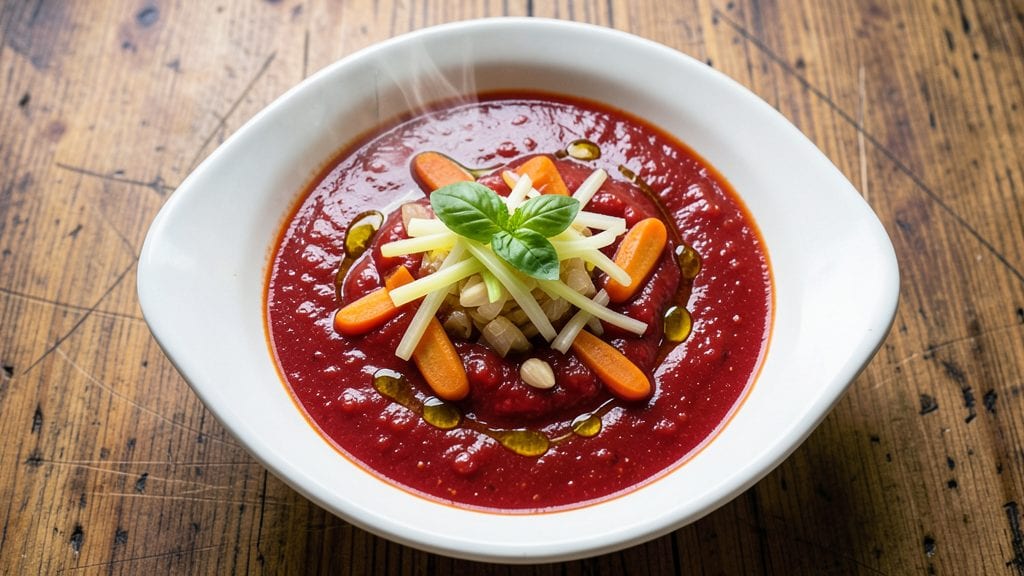
Even if you love a good Campbell’s tomato vegetable soup recipe, you’ll be amazed at how easy it is to make a homemade version that rivals the classic canned taste in just one pot.
This homemade recipe builds on the familiar flavors of Campbell's but elevates them with fresh ingredients and a deeper, more complex broth. The secret lies in sautéing vegetables properly and letting flavors meld during a slow simmer—no fancy techniques required, just attention to detail.
What sets this version apart is the ability to customize it with whatever vegetables you have on hand, from carrots and celery to peas and corn. The 30-minute preparation time makes it perfect for busy weeknights, while the rich, velvety texture and balanced seasoning deliver restaurant-quality results.
Unlike the canned version, this soup develops layers of flavor that evolve the longer it simmers, creating a hearty meal that feels indulgent yet remains light enough for lunch or dinner.
By the time you're done, you'll have a pot of vibrant, aromatic soup with tender vegetables swimming in a smooth tomato broth. The foolproof method ensures consistent results every time—no lumps, no blandness, just perfectly seasoned soup that tastes like it's been simmering all day.
The best part? Leftovers reheat beautifully, making this recipe ideal for meal prep or feeding a crowd.
Whether you're using a stovetop, slow cooker, or Instant Pot, this recipe adapts seamlessly to your cooking method. The instructions below break down each step clearly, so you can achieve the same comforting, familiar flavors—just better. Let's get started on creating your homemade tomato vegetable soup masterpiece.
Ingredients for campbell's tomato vegetable soup
Pantry staples plus a few fresh veggies make this soup taste like a cozy hug in a bowl.
| Ingredient | Amount | Notes |
|---|---|---|
| Extra-Virgin Olive Oil 🫒 | 2 tbsp | For sautéing vegetables |
| Yellow Onion 🧅 | 1 whole | Diced small |
| Carrots 🥕 | 4 medium | Peeled and sliced thin |
| Celery Stalks 🧆 | 3 whole | Diced small |
| Garlic Cloves 🧄 | 4 cloves | Minced finely |
| Canned Tomato Sauce 🍅 | 2 cups | 28 oz can, crushed tomatoes |
| Chicken Broth 💧 | 4 cups | Low-sodium preferred |
| Diced Tomatoes 🍅 | 1 can (14.5 oz) | Drained, for texture |
| Fresh Parsley 🌿 | ¼ cup | Chopped, for garnish |
| Salt 🧂 | 1 ½ tsp | Adjust to taste |
| Black Pepper 🌶️ | ½ tsp | Freshly ground |
| Dried Thyme 🌿 | 1 tsp | Or 1 tbsp fresh |
| Bay Leaves 🍃 | 2 whole | Remove before serving |
| Optional Corn Kernels 🌽 | 1 cup | Frozen or canned |
| Optional Green Peas 🌱 | 1 cup | Frozen or canned |
The canned tomato sauce is your flavor anchor here—look for crushed tomatoes (not diced) for that classic Campbell's texture. Trader Joe's and Whole Foods have great options, but any 28 oz can works. The broth matters too—low-sodium keeps the soup from tasting flat, but add extra salt if yours is unsalted. Fresh parsley is a must for garnish, but dried works in a pinch if you're in a hurry. For the veggies, Carrots and celery should be diced small so they cook fast and stay tender. No need to peel the carrots if you're using the smaller ones—they're sweeter that way.
No fresh thyme? Dried works at one-third the amount, but fresh has that bright, herbal punch. Short on corn or peas? Skip them—this soup is delicious without. The garlic can be pre-minced from a jar (I won't judge), but fresh is always better if you've got it. For extra depth, add a splash of red wine when sautéing the veggies—it cooks off fast but adds complexity. If you're using frozen veggies, no need to thaw them first—just toss them in with the broth. The bay leaves? Don't skip them—they add that subtle, earthy note that makes the soup taste homemade.
This soup tastes even better the next day as flavors meld. Keeps in the fridge for 5 days or freeze portions for 3 months. I always double the batch—half for dinner, half for lunches. For meal prep, portion into containers with a splash of broth so it reheats smoothly. The parsley wilts fast, so add it right before serving. If you're using the slow cooker, just dump everything in and cook on low for 4-5 hours—set it and forget it.
Why You'll Love This Recipe
- I’ll be real: this recipe uses things I already have. No fancy shopping trips, no last-minute grocery runs—just olive oil, a few veggies, and a can of Campbell’s. It’s the kind of meal that saves money and stress, especially when I’m low on time or cash.
- Sauté in Minutes: I swear, the onion, carrots, and celery soften in no time—just a quick dance in olive oil until they’re tender enough to disappear into the soup. No waiting around for hours, just 10 minutes of hands-off cooking while you stir occasionally.
- Garlic-Glazed Depth: That moment when the garlic cloves hit the pan? Magic. They caramelize just enough to add this rich, toasty note that makes the canned tomatoes taste like they’ve been simmered all day. Honestly, it’s the secret weapon in this recipe.
- Lunchbox Hero: Between us, this soup is my go-to for meal prep—dump it into jars, and it keeps beautifully for days. Cold or reheated, it’s the perfect lunch for busy mornings, especially when I toss in a sprinkle of cheese on top for extra flair.
Step-by-step instructions for Campbell's tomato vegetable soup
This one-pot wonder comes together faster than you'd think—just 30 minutes of active work.
Sauté the Vegetable Base
Heat the 2 tablespoons extra-virgin olive oil in a large pot over medium heat. Add the diced yellow onion, sliced carrots, and diced celery stalks, stirring occasionally for 5-6 minutes until the vegetables soften and the onion becomes translucent. Here's the thing—don't rush this step. You want those vegetables to release their natural sweetness and flavors before adding liquids.
After 4 minutes, add the 4 minced garlic cloves and cook for 30 seconds until fragrant. The kitchen should smell amazing at this point—like a cozy autumn afternoon. If the vegetables start to brown too quickly, reduce the heat slightly to medium-low to prevent burning. This foundational step builds all the flavor for the soup.
Build the Soup Base
Pour in the 2 cups canned tomato sauce and stir to combine with the sautéed vegetables. Let it simmer for 2 minutes to allow the flavors to meld. Then add the 4 cups chicken broth, drained diced tomatoes, 1.5 teaspoons salt, 0.5 teaspoon black pepper, 1 teaspoon dried thyme, and 2 whole bay leaves. Stir everything together and bring the mixture to a gentle boil.
Once boiling, reduce the heat to low and let it simmer uncovered for 15 minutes. This slow simmering allows the flavors to develop fully and the vegetables to become tender. You'll notice the soup thickens slightly as it reduces—this is exactly what we want. If you added the 1 cup optional corn kernels or 1 cup optional green peas, stir them in now and let them cook for the remaining 10 minutes of simmering time.
Finish and Serve
After 15 minutes of simmering, taste the soup and adjust the seasoning if needed. I usually add a pinch more salt or a crack of black pepper to taste. The soup should be rich and flavorful, with the vegetables completely tender. If you're using fresh parsley, stir in the 0.25 cup chopped fresh parsley now—it adds a bright finish that cuts through the richness.
Remove the 2 whole bay leaves before serving. Ladle the soup into bowls and enjoy immediately, while it's hot. This soup tastes even better the next day, but the first bowl is always the best—straight from the pot, with that perfect balance of tomato, vegetable, and herb flavors.
Pro Tips For Making Campbell'S Tomato Vegetable Soup
- Sweat the Veggies: Cook the onion, carrots, and celery in olive oil over medium-low heat for 12-15 minutes until the carrots are fork-tender and the onions are translucent but not browned. I used to rush this step and end up with a soup that tasted like it needed more time—don’t be that person.
- Slice Celery Thin: Cut the celery stalks into ¼-inch slices instead of rough chunks. This makes the soup smoother and ensures even cooking, plus it looks better when you serve it. (Yes, it takes 30 seconds extra—worth it.)
- Salt the Water: Add a generous pinch of salt (about ½ teaspoon) to the pot when you start cooking the veggies. It seasons them as they soften and prevents the soup from tasting flat later. I learned this the hard way when I skipped it and the final dish needed way more salt.
- Use Fresh Garlic: Mince the garlic cloves just before adding them to the pot—don’t pre-chop and store it. Fresh garlic releases its flavor more vibrantly, and it won’t turn bitter from sitting. (If you’re short on time, at least crush the cloves with the flat side of your knife before mincing.)
Health benefits of this dish
Rich in Lycopene
This tomato-based soup is packed with lycopene, a powerful antioxidant found in tomatoes that gives them their vibrant red color. Just 1 cup of tomato sauce provides about 30% of your daily lycopene needs, which has been linked to reduced risk of heart disease and certain cancers.
Cooking tomatoes actually increases lycopene absorption, so simmering them in this soup maximizes these benefits. 💪
Vegetable-Packed Nutrition
The carrots, celery, and onions in this soup bring a variety of vitamins and minerals to the table. Carrots contribute vitamin A for vision and immune support, while celery provides potassium to regulate blood pressure.
The combination of these vegetables creates a nutrient-dense meal that feels light yet satisfying. Plus, the fiber content helps keep you full longer.
Low-Calorie Comfort
At around 120-150 calories per serving, this soup delivers hearty flavors without the guilt. The broth-based nature and vegetable focus make it a great option for weight management or balanced eating. I often serve it as a starter before a main course to satisfy hunger without overloading on calories.
The optional corn and peas add just 20-30 extra calories per serving but boost fiber and protein content.
Protein Boost Option
While this soup is vegetarian by default, you can easily add protein by stirring in ½ cup cooked white beans or ¼ cup grated Parmesan cheese at the end. White beans add about 7 grams of protein per serving while keeping the dish vegetarian.
For a meat option, try adding ½ cup shredded rotisserie chicken—it absorbs the flavors beautifully while adding 12 grams of protein per serving.
Hydration-Friendly
The broth base makes this soup an excellent choice for hydration, especially on chilly days when we tend to drink less water. Chicken broth contains essential electrolytes like sodium and potassium, while the vegetable content provides additional hydration through their water content.
I often recommend this soup to friends recovering from illnesses because it's gentle on the stomach while providing nourishment. 💧
Meal Prep Advantage
This soup's nutritional benefits extend beyond the bowl—it's perfect for meal prep because you can control exactly what goes into it. Unlike canned versions, you can adjust sodium levels by using low-sodium broth and adding herbs instead of salt.
The vegetables retain their nutrients better when freshly cooked rather than processed, making this homemade version more wholesome. Plus, the leftovers maintain their nutritional value for up to 5 days in the fridge.
Nutrition facts
Frequently asked questions
Can I make this soup without canned tomato sauce?
For a fresher taste, use 2 cups crushed tomatoes (fresh or canned) plus 1 tablespoon tomato paste to thicken. Simmer the tomatoes with the broth for 10 minutes first to deepen the flavor. You'll need to adjust seasoning slightly since fresh tomatoes vary in acidity.
How do I prevent the soup from getting too thick?
If your soup thickens more than expected, simply add ½ cup hot water or broth and stir until smooth. The recipe works best with a low-medium heat simmer—too high heat reduces liquids faster. For extra insurance, start with 4 cups broth and add more if needed during cooking.
What's the best way to reheat leftovers?
Gently reheat on the stovetop over medium-low heat until steaming hot (3-4 minutes). Never microwave directly from the fridge—it can make the soup watery. For even better texture, add 1-2 tablespoons broth while reheating. Stir frequently to prevent scorching.
Can I make this in a slow cooker or Instant Pot?
Slow cooker: Combine all ingredients (except parsley) and cook on low for 4-5 hours or high for 2-3 hours. Instant Pot: Sauté veggies normally, then add remaining ingredients and cook on high pressure for 5 minutes, followed by a 10-minute natural release. Both methods yield creamy, flavorful results!
Why does my homemade version taste different from Campbell's?
The canned version uses preservatives and concentrated flavors for consistency. Homemade soup develops deeper, more complex tastes through fresh ingredients and slow simmering. Embrace the difference—your version will have brighter veggie notes and no artificial aftertaste! The secret's in the sautéed vegetables and proper seasoning.