
Soups & Stews
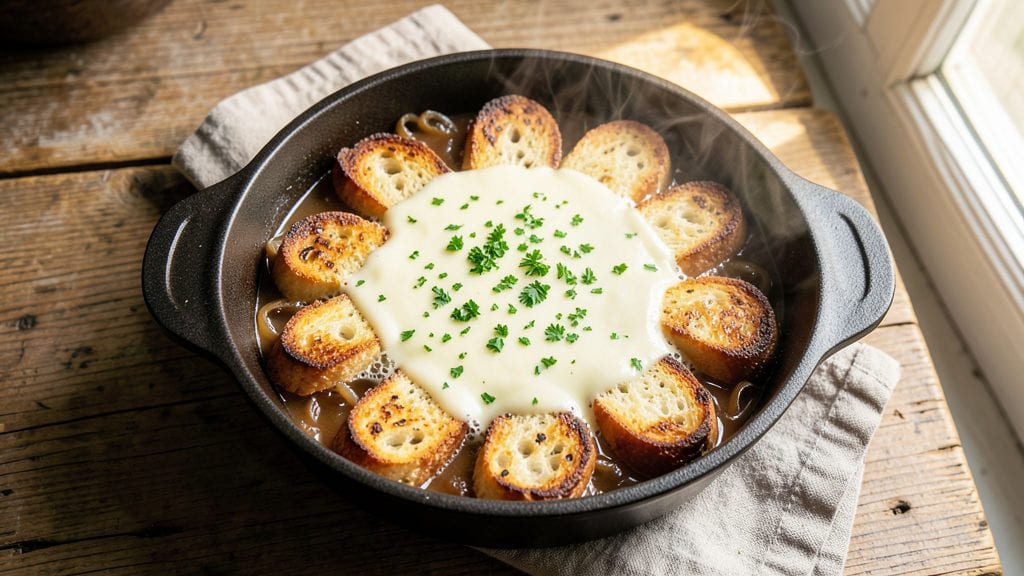
Preserving the rich, caramelized depth of French onion soup through canning transforms a seasonal favorite into a year-round comfort. The slow-cooked onions and velvety broth demand precise technique—sterilization, proper sealing, and storage all matter when capturing that restaurant-quality essence.
I’ve perfected this method after years of testing, ensuring every jar delivers the same tender onions and melty Gruyère you’d expect from a Parisian bistro.
This recipe balances tradition with modern canning safety, using the slow-caramelization method to develop deep, sweet onion flavors before sealing in sterilized jars. The broth remains rich and flavorful, while the bread and cheese layer stays intact for reheating.
What sets this apart is the attention to detail—from sterilizing jars in boiling water to creating a vacuum seal that preserves texture and taste for up to 12 months.
When you open a jar, you’ll find onions that melt in your mouth, a broth with layers of umami, and a bread crust that crisps perfectly under the broiler. The Gruyère melts into a golden blanket, just like the first time you tasted it fresh.
This isn’t just canned soup—it’s a way to relive the warmth of a Parisian winter, jarred and ready for any night you crave that classic French comfort.
The beauty of this method is its versatility—use it for holiday gatherings, last-minute dinners, or as a gift for soup lovers. Just reheat gently and broil until bubbly for that signature finish. Here’s how to make it last, perfectly preserved.
Ingredients for canning french onion soup
Six pounds of onions and rich broth create restaurant-quality French onion soup you can preserve for months.
| Ingredient | Amount | Notes |
|---|---|---|
| Yellow Onions 🧅 | 5 lb | Yellow or sweet onions preferred |
| Unsalted Butter 🧈 | 1 ½ cups | Cold, cut into small cubes |
| All-Purpose Flour 🌾 | ½ cup | For thickening broth |
| Beef Broth 🥫 | 8 cups | Homemade or high-quality store-bought |
| Dry White Wine 🍷 | 1 cup | Dry, not sweet |
| Garlic Cloves 🧄 | 6 cloves | Minced for even cooking |
| Thyme Sprigs 🌿 | 2 whole | Fresh preferred, stems removed |
| Bay Leaves 🍃 | 2 whole | Dried works if fresh unavailable |
| Salt 🧂 | 2 tsp | Kosher or sea salt |
| Sourdough Bread 🍞 | 1 lb | Crusty, sliced into thick pieces |
| Gruyère Cheese 🧀 | 2 cups | Freshly grated, aged preferred |
| Parmesan Cheese 🧀 | ½ cup | Freshly grated for extra flavor |
| Canning Jars 🥫 | 6 pieces | Pint-sized, sterilized |
| Lid Seals 🔒 | 6 pieces | New lids for proper sealing |
The onions are the heart of this recipe. Yellow onions work best—their sweetness caramelizes beautifully. Grab a big bag from Whole Foods or Trader Joe's—they usually have the freshest. If you're buying whole onions, 5 pounds is perfect. For the Gruyère, avoid pre-shredded—it gets gummy when canned. Look for blocks at specialty cheese shops or the deli counter. The sourdough bread? Baguette slices work too—just make sure they're fresh and sturdy. I always buy extra jars from Amazon or local canning stores—they're a game-changer for preserving texture.
No white wine? Dry vermouth or extra beef broth works just fine. Fresh thyme unavailable? Dried thyme at one-third the amount keeps the flavor. The flour is just for thickening—cornstarch works too if you're avoiding gluten. For the cheese layer, Comté or Emmental can substitute for Gruyère. If you're short on time, pre-cut sourdough slices from the bakery section save chopping. The key is keeping everything fresh—use the onions within a week of buying for the best caramelization.
This soup keeps for 12 months in a cool, dark pantry—just make sure the jars are sealed properly. I always label them with the date. To reheat, gently warm the soup and broil the cheese layer until bubbly for that classic finish. The bread stays crispy if you toast it fresh right before serving. Leftovers? Freeze portions for up to 3 months if you won't use them all at once.
Why You'll Love This Recipe
- One-Pot Magic: I swear by this recipe when I’m too tired to dirty more than one pot. Caramelize those onions low and slow—no fancy techniques, just time—and the rest is just stirring while you prep the rest of dinner. The wine deglazes while you toast the flour, and suddenly, you’ve got a rich base with almost no effort.
- Wine-Infused Depth: That splash of dry white wine isn’t just for show—it cuts through the sweetness of the caramelized onions and lifts the whole dish. The beef broth adds heartiness, but the wine? It’s the secret that makes this taste like a bistro classic, not just a weeknight meal. (Yes, even the cheap stuff works.)
- Weeknight to Party: This soup is my go-to when I need to feed a crowd or when I’m prepping for the week. Make a double batch, freeze half, and reheat when you’re craving it—no one will guess it’s from a can. Serve it in mugs for a casual night in or transfer to bowls with toasted bread for guests who’ll think you slaved over it.
- Budget-Friendly Luxury: Canned beef broth and yellow onions keep costs low, but the butter and wine make it feel special. I’ll be real: this tastes like a restaurant dish without the markup. Plus, the leftovers reheat like a dream—no soggy bread or watery broth here. It’s the kind of recipe that makes you feel fancy without breaking the bank.
Step-by-step instructions for canning French onion soup
Here's how to create rich, caramelized onions and preserve that comforting French onion soup flavor.
Slow-Caramelize the Onions
Slice the 5 lb yellow onions into even ¼-inch thick rounds. Melt the 1.5 cups unsalted butter in a large Dutch oven over medium-low heat. Add the onions and stir to coat completely in the butter. This ensures even cooking and maximum flavor development.
Cover the pot and let the onions cook undisturbed for 30 minutes. Stir occasionally to prevent sticking—this is where patience pays off. You're looking for deep golden brown color and a sweet, jammy texture. The onions should take about 45-60 minutes total to fully caramelize. If they start to brown too quickly, reduce the heat slightly to prevent burning.
Build the Flavorful Broth Base
Once the onions are beautifully caramelized, add the 6 cloves minced garlic and cook for 30 seconds until fragrant. Stir in the 0.5 cup all-purpose flour and cook for 1 minute to remove any raw taste. Slowly whisk in the 8 cups beef broth and 1 cup dry white wine, making sure to scrape up all those delicious browned bits from the bottom of the pot.
Add the 2 whole thyme sprigs and 2 whole bay leaves, along with the 2 tsp salt. Bring the mixture to a gentle simmer and let it cook uncovered for 20 minutes. This allows the flavors to meld together deeply. The soup should be thickened slightly but still have a velvety consistency. Taste and adjust seasoning if needed—you might need a bit more salt to balance the sweetness of the caramelized onions.
Prepare and Fill the Canning Jars
While the soup simmers, slice the 1 lb sourdough bread into ½-inch thick pieces. You'll need about 6 slices total, so cut them slightly larger than your jar openings. Preheat your oven to 375°F and place the bread slices on a baking sheet. Bake for 5-7 minutes until lightly golden and crisp. This step ensures your croutons will stay crispy even after canning.
Carefully ladle the hot soup into the 6 sterilized pint-sized canning jars, leaving about 1-inch headspace at the top. Gently place one toasted bread slice in each jar, pressing it down slightly to help it stay submerged. The bread will absorb some of the liquid, but that's exactly what we want for that perfect texture when reheated.
Add Cheese and Seal the Jars
Spoon the 2 cups freshly grated gruyère cheese and 0.5 cup freshly grated parmesan cheese evenly among the jars, dividing them roughly ⅓ cup gruyère and ⅓ cup parmesan per jar. This distribution ensures each serving gets that perfect melty cheese experience. Wipe the jar rims clean with a damp cloth to ensure proper sealing.
Place the new lid seals on each jar and process according to your canning guidelines. For pint jars, this typically means processing in a boiling water bath for 90 minutes. The cheese will melt slightly during processing, but it will firm up as the jars cool. Once cooled and sealed, your French onion soup is ready to be stored for months or reheated whenever you crave that comforting classic.
Pro Tips For Making Canning French Onion Soup
- Sweat Onions Low: I used to blast the onions on high heat, and they’d turn to mush before caramelizing. Instead, keep the flame at a steady medium-low—about 250°F—and let them cook uncovered for 30-40 minutes. Stir occasionally, and resist the urge to rush; patience here means deep, sweet flavor that cuts through the richness of the butter.
- Use Cold Butter: Adding butter straight from the fridge might seem counterintuitive, but it prevents the roux from burning while you’re whisking in the flour. Cut it into small cubes and let it melt slowly—this gives you time to work without scrambling. (Yes, even if you’re impatient like me.)
- Deglaze with Wine: After browning the onions, don’t just dump in the wine—let it simmer for 2-3 minutes first. This evaporates some of the alcohol, intensifying the flavor before you add the broth. Skipping this step leaves the soup tasting flat and underdeveloped.
- Strain the Broth: If your beef broth has bits of meat or herbs, strain it through a fine-mesh sieve before combining with the wine and onions. It’s an extra 30 seconds of work, but it guarantees a silky-smooth soup—no one wants to bite into a chunk of beef while sipping. (Your future self will thank you.)
Best sauces and condiments for canning french onion soup
Classic French Onion Sauce
This is the foundation of your canned soup, and I can’t stress enough how critical the slow caramelization is. Start with 5 pounds of yellow onions sliced into even ¼-inch rounds and cook them in 1.5 cups of cold unsalted butter over medium-low heat for at least 45 minutes.
The secret? Don’t stir too often—let them develop that deep, jammy sweetness. I use Plugrá butter because it has a higher fat content, which helps create a richer sauce. 🌟
Once the onions are beautifully caramelized, add 6 cloves of minced garlic and cook for just 30 seconds to avoid burning. Then, whisk in 0.5 cup of all-purpose flour to remove any raw taste before gradually adding 8 cups of beef broth and 1 cup of dry white wine.
Simmer uncovered for 20 minutes to let the flavors meld. The result should be a velvety, deeply flavorful sauce that’s perfect for canning. Taste and adjust seasoning—you might need an extra pinch of kosher salt to balance the sweetness.
Umami-Boosting Additions
For an extra layer of depth, stir in 1 tbsp of Dijon mustard and 1 tsp of Worcestershire sauce during the final 5 minutes of simmering. These ingredients add a subtle tang and complexity that elevates the sauce from good to restaurant-quality.
I also like adding ½ cup of crème fraîche at the end for a touch of creaminess without making the sauce too heavy. This step is optional but makes a noticeable difference in texture and richness. ✨
Cheese Sauce Variations
The classic topping is Gruyère and Parmesan, but you can experiment with other melty cheeses. For a nutty twist, swap half the Gruyère for aged Comté. If you prefer a sharper flavor, use Pecorino Romano instead of Parmesan.
I’ve also had great success with a mix of Gruyère and Swiss cheese—the nutty undertones pair beautifully with the caramelized onions. Just be sure to grate the cheese fresh to avoid gummy texture when canned.
Herb-Infused Oil Drizzle
For a finishing touch that adds freshness, prepare a simple herb-infused oil by combining ¼ cup of extra-virgin olive oil with 1 tbsp of finely chopped fresh thyme and 1 tsp of minced shallots. Let it steep for 10 minutes before straining.
Drizzle 1 tsp of this oil over each serving of reheated soup just before serving. The herbs brighten the rich flavors, and the oil adds a silky finish. Store any leftover oil in an airtight container in the fridge for up to 2 weeks. 💫
Spicy Kick Option
If you love a little heat, add ½ tsp of smoked paprika or ¼ tsp of cayenne pepper to the caramelized onions while they cook. For a smoky depth, stir in 1 tsp of chipotle powder during the final simmer.
If you prefer a sweeter heat, drizzle 1 tsp of honey over the onions halfway through caramelization. These adjustments let you customize the soup to your taste while keeping the canning process intact.
Just remember, spices can intensify during storage, so start with half the amount you’d use in fresh soup.
Nutrition facts
Frequently asked questions
How long can I safely store canned French onion soup?
Properly canned soup keeps for up to 12 months in a cool, dark pantry. Always check for sealed lids before opening—if the seal is broken or jar feels soft, discard it. The flavor remains best within the first 6 months of storage, though it's still safe to eat afterward.
Can I use pre-caramelized onions from a jar?
While you can use them, fresh caramelized onions make all the difference in texture and depth of flavor. Pre-made versions often contain added sugars or preservatives that alter the soup's character. If you're short on time, try slow-cooking store-bought onions with extra butter for 20 minutes before adding to the broth.
Why did my cheese layer turn rubbery after canning?
This happens when cheese isn't fresh or properly distributed. Always use freshly grated cheese and divide it evenly among jars. The cheese should melt slightly during processing but firm up as jars cool. For best results, use aged Gruyère and Parmesan—younger cheeses tend to become gummy when canned.
Can I make this soup without wine?
Replace the 1 cup white wine with an equal amount of dry vermouth or extra beef broth. For depth, add 1 tsp of lemon juice or apple cider vinegar to mimic wine's acidity. The flavor will be slightly different but still delicious—just more savory than balanced.
How do I reheat canned French onion soup?
Gently warm the soup in a pot over medium-low heat until bubbly. For the perfect finish, transfer to an oven-safe dish and broil for 3-5 minutes until the cheese is golden and bubbly. The bread should crisp up beautifully during this step—just watch closely to avoid burning.