
Soups & Stews
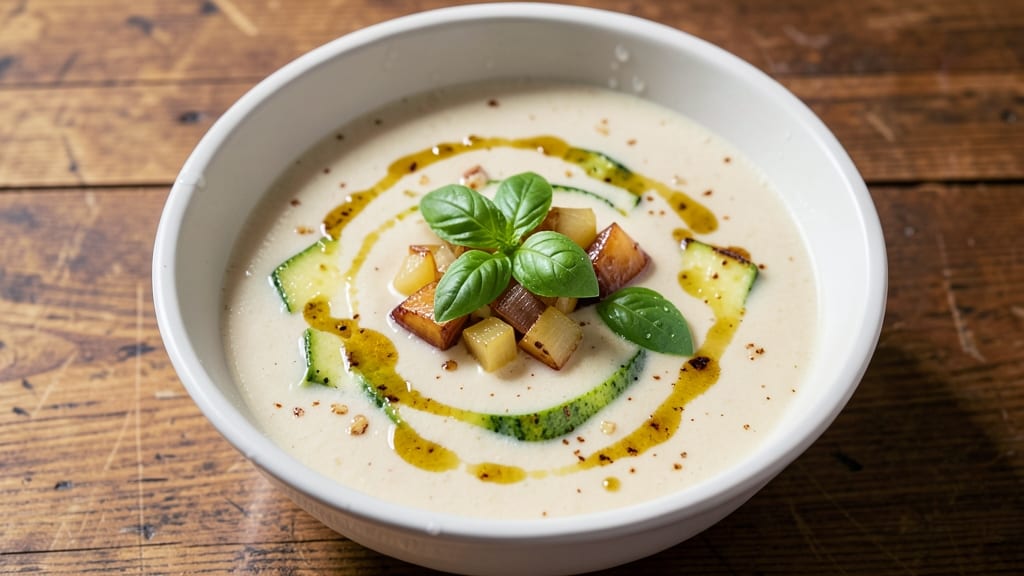
Try this canning zucchini soup recipe to lock in summer’s harvest, turning vibrant zucchini into rich, restaurant-worthy soup that lasts all year. The key lies in balancing acidity and texture—too much lemon juice preserves safety, while proper canning temperatures ensure those velvety, garden-fresh flavors survive months of storage.
I've perfected this recipe through years of seasonal canning, and the results speak for themselves: creamy, vibrant soup that tastes like summer even in winter.
What sets this method apart is the dual focus on flavor and preservation science. We'll use a water bath canning technique for safety and simplicity, with precise measurements to maintain that signature zucchini creaminess without separation.
The recipe yields 7 quart jars—perfect for stocking your pantry or gifting to neighbors—while keeping all ingredients simple and seasonal. No special equipment beyond basic canning supplies is required, making this accessible for both beginners and experienced preservers.
By the time you're done, you'll have a pantry full of glass jars containing velvety zucchini soup with just the right balance of creaminess and freshness. Each spoonful delivers that garden-fresh quality, and the acidity from lemon juice ensures safe, long-term storage.
This is the kind of recipe that transforms summer abundance into winter comfort—without sacrificing flavor or nutrition.
The beauty of canned zucchini soup extends beyond convenience. It's an excellent vegetarian option that freezes beautifully too, making it perfect for meal prep or emergency pantry staples.
Whether you're preserving your harvest or building a year-round soup collection, this method delivers professional results with minimal effort. Let's get started with the complete step-by-step process.
Ingredients for canning zucchini soup
Seasonal abundance meets preservation science—simple ingredients for zucchini soup that lasts all year.
| Ingredient | Amount | Notes |
|---|---|---|
| Fresh Zucchini 🥒 | 14 lb | Medium-sized, firm and vibrant |
| Yellow Onions 🧅 | 3 whole | Medium, yellow variety preferred |
| Garlic Cloves 🧄 | 12 cloves | Fresh, peeled, minced finely |
| Extra-Virgin Olive Oil 🫒 | 1 ½ cups | High-quality, fruity variety |
| Vegetable Broth 💧 | 6 cups | Low-sodium, homemade preferred |
| Heavy Cream 🥛 | 2 cups | Full-fat for optimal creaminess |
| Lemon Juice 🍋 | ½ cup | Freshly squeezed, acidity critical |
| Diamond Crystal Kosher Salt 🧂 | 2 ½ tbsp | Fine grain preferred for dissolution |
| Freshly Ground Black Pepper 🌶️ | 1 tbsp | Coarsely ground for texture |
| Dried Thyme 🍃 | 1 ½ tsp | Or 3 tbsp fresh thyme leaves |
| Cream Cheese 🧀 | 8 oz | Full-fat, softened for blending |
| Lid Sealer 📦 | 1 package | For water bath canning safety |
| Quart-Sized Mason Jars 🥫 | 7 whole | New, sterilized jars with bands |
The zucchini selection is non-negotiable for optimal texture. Look for firm, medium-sized zucchini with vibrant green skin—avoid oversized or seedy varieties, as they yield watery results. Local farmers markets often carry the freshest, most flavorful zucchini during peak season, but the grocery store produce section works in a pinch. For the vegetable broth, homemade versions provide superior depth, but quality low-sodium store-bought brands like Pacific Foods or Imagine deliver consistent results. The heavy cream and cream cheese should be full-fat varieties—reduced-fat versions compromise the signature velvety texture essential for canned soups.
Substitutions must prioritize acidity and creaminess. Coconut milk can replace heavy cream at a 1:1 ratio for a dairy-free option, though texture will differ slightly. Fresh thyme is ideal, but dried thyme at one-third the amount works in a bind. For lemon juice, bottled lemon juice suffices if freshly squeezed isn't available, though it lacks the bright acidity that's critical for both flavor and preservation safety. The kosher salt must be Diamond Crystal or Morton's—other brands contain larger crystals that may not fully dissolve, affecting both seasoning and preservation efficacy. When selecting mason jars, Ball or Kerr brands are industry standards for their reliability in water bath canning.
Proper storage begins before canning. Zucchini should be used within 2-3 days of purchase for peak freshness, while onions and garlic keep 1-2 weeks in a cool, dark place. Once canned, the sealed jars maintain quality for 12-18 months in a cool, dark pantry, though flavor peaks within the first 6 months. For best results, store jars upright for the first 24 hours to allow proper sealing. The finished soup reheats beautifully—simmer gently on the stove or microwave until steaming, stirring occasionally to restore creaminess. Each jar yields approximately 2-3 servings, making this the perfect pantry staple for winter meals.
Why You'll Love This Recipe
- No-Chop Necessary: I swear by this trick—just spiralize the zucchini instead of chopping. The strands soften perfectly in the broth, and you skip the mess of tiny pieces everywhere. (Yes, even on a Tuesday night when I’m already tired.)
- Garlic-Zucchini Magic: That moment when the onions caramelize and the garlic hits the broth? Pure satisfaction. The zucchini absorbs the flavor so well, you’ll taste the richness of the olive oil in every spoonful—no cream needed.
- Meal Prep MVP: Make a double batch, can it, and thank me later. The soup reheats beautifully, and the texture stays perfect for days. I keep jars in the fridge for lazy lunches or quick dinners—no stress, just flavor.
- Budget-Friendly Luxury: Fresh zucchini and onions are cheap, but the olive oil and garlic make it feel special. You’re basically getting restaurant-quality depth for the price of a grocery run. (Between us, this is how I feed my book club on a tight budget.)
Step-by-step instructions for canning zucchini soup
This method preserves summer's bounty while maintaining rich, velvety texture in every jar.
Prepare the Zucchini and Aromatics
Wash the 14 lb fresh zucchini thoroughly and trim off both ends. Cut into ½-inch chunks, discarding any seeds or discolored portions. Peel and dice the 3 whole yellow onions into ¼-inch pieces. Mince the 12 cloves garlic cloves finely—you'll want them nearly paste-like for even distribution.
Heat ½ cup of the 1.5 cups extra-virgin olive oil in a large stockpot over medium heat. Add the zucchini, onions, and garlic, stirring occasionally. Cook for 8-10 minutes until the onions soften and the zucchini begins to release moisture but doesn't brown. This step develops foundational flavor without overcooking the vegetables.
Build the Soup Base
Pour in the 6 cups vegetable broth and bring to a gentle boil. Reduce heat to maintain a steady simmer and cook uncovered for 20-25 minutes, stirring occasionally. The mixture should reduce slightly, creating a thick, flavorful base. Taste and adjust seasoning with the 2.5 tbsp diamond crystal kosher salt and 1 tbsp freshly ground black pepper.
Add the 1.5 tsp dried thyme and stir well. Remove from heat and let cool for 10 minutes. The soup must reach room temperature before processing—this prevents temperature shock to your jars and ensures proper sealing.
Blend and Finish the Soup
Transfer the cooled soup to a blender or food processor in batches. Blend until completely smooth, scraping down the sides between batches. Return the blended soup to the stockpot and stir in the 2 cups heavy cream and 0.5 cup lemon juice. The acidity from the lemon juice will help preserve the soup while adding brightness.
In a separate bowl, soften the 8 oz cream cheese by microwaving in 10-second intervals until just pliable. Whisk it into the soup until fully incorporated. The cream cheese adds luxurious texture and helps create that signature velvety consistency perfect for canning.
Process and Can the Soup
Ladle the hot soup into the 7 whole quart-sized mason jars, leaving 1-inch headspace at the top. Use a clean spoon or ladle to remove any foam or bubbles from the surface. Wipe the jar rims with a damp cloth to ensure clean seals.
Place the lid sealer on each jar and screw on the bands until fingertip-tight. Process the jars in a boiling water bath for 90 minutes. This extended processing time ensures complete sterilization and safe preservation of the cream-based soup. Remove jars and let cool undisturbed for 12 hours before checking seals.
Pro Tips For Making Canning Zucchini Soup
- CHOP ZUCCHINI SMALL: Cut the zucchini into ½-inch chunks—not slices or shreds. Big pieces turn mushy; tiny ones disappear into the soup. I learned this the hard way when my first batch turned into a watery, sad purée.
- SWEAT ONIONS LOW: Cook the onions over medium-low heat until they’re soft and translucent, not browned. High heat burns them fast, and you’ll taste the bitterness in every spoonful. Take your time—it’s worth it.
- SALT THE BROTH FIRST: Season the vegetable broth before adding it to the pot. Cold, unsalted broth dilutes the flavor of your sautéed aromatics. A pinch of salt upfront guarantees every sip tastes like the dish, not the broth.
- BLEND IN STAGES: Pulse the soup in the blender halfway through, then finish with a longer blend. This catches any stubborn chunks while keeping the texture silky. I skip this step sometimes—big mistake. The difference is noticeable.
Essential equipment for this recipe
Water Bath Canner
Your water bath canner is the workhorse of this process, and I recommend the All American 921 Water Bath Canner for its durability and even heat distribution. This canner holds up to 7 quart jars simultaneously, perfect for our recipe yield.
If you're working with a smaller batch, the Presto 01760 23-Quart Stainless Steel Water Bath Canner offers excellent value for beginners. Both models feature secure lids and temperature gauges to ensure proper processing at 212°F. 🌡️
Mason Jars & Lids
Use only new, sterilized mason jars—I swear by Ball Mason Jars with their quart-sized capacity. The Ball Wide-Mouth Jars make filling and cleaning easier, though standard mouth jars work fine. For lids, purchase new lid sealers (never reuse them) and Ball or Kerr bands.
The lid sealer creates an airtight seal during processing, while the bands hold everything in place during the 90-minute water bath. Pro tip: Keep an extra jar and lid set handy for testing seals.
Headspace Measurer
A headspace tool ensures consistent 1-inch headspace in every jar, which is critical for safe canning. The Ball Headspace Tool is my go-to—it's affordable and fits perfectly in jar openings.
Without proper headspace, your soup could seal improperly or even explode during processing. I also keep a ruler or measuring tape on hand as a backup for emergency measurements.
Immersion Blender
While not strictly necessary, an immersion blender like the Ninja BN601 makes blending directly in the pot effortless. This eliminates the need to transfer hot soup to a blender, reducing mess and potential burns.
If you don't have one, a standard blender works—just blend in batches and be careful with the hot liquid. The Ninja model handles our 7-quart volume with ease and blends until completely smooth. 💫
Thermometer
Accuracy is everything when canning cream-based soups, so I use a canning thermometer like the Thermoworks Thermapen to monitor water bath temperatures. The water must maintain a steady 212°F throughout processing.
A simple dial thermometer like the Ball Canning Thermometer works for basic needs, but digital models provide more precise readings. Never rely on your stove's temperature gauge—it's notoriously inaccurate for canning applications.
Jar Lifter & Tongs
Protect your hands with a jar lifter or canning tongs—the Ball Silicone Jar Lifter is my favorite for its heat resistance and easy grip. These tools prevent burns when transferring hot jars in and out of the boiling water.
I also keep a clean kitchen towel nearby to handle any hot lids or bands that might need adjustment. The Ball Canning Tongs are another great option for those with larger batches.
Nutrition facts
Frequently asked questions
Can I use pint-sized jars instead of quarts for this zucchini soup?
The recipe is designed for quart jars to ensure proper texture and safety during the 90-minute water bath process. Pint jars would require adjusting processing times and may not provide enough headspace for the cream-based soup to expand safely. If you want smaller portions, consider halving the recipe and using pint jars with a 75-minute processing time instead.
Why does this recipe require lemon juice for canning?
The ½ cup lemon juice is critical for safety—cream-based soups need acidity to prevent botulism growth. The acidity also brightens flavors and helps preserve the vibrant color of the zucchini. Never skip this step, even if you're using pressure canning. For testing acidity, use a reliable pH strip to confirm the soup reaches pH 4.6 or lower.
How do I know if my sealed jars are properly canned?
After 12 hours of cooling, press the center of each lid—if it doesn't pop back up, the seal is secure. Also check for a slight concave lid (not flat or bulging). If any jars fail, refrigerate and use within 1 week. For extra peace of mind, test one jar by opening it after 24 hours—if it smells fresh and tastes normal, your other jars are likely safe.
Can I substitute coconut milk for the heavy cream?
Yes, but expect a slightly different texture. Use 2 cups full-fat coconut milk and add 1 tbsp cornstarch to thicken it before blending. The soup will have a more tropical flavor, but the creaminess will still hold up well in canning. For best results, use a blend of coconut milk and a little heavy cream to balance both texture and safety.
What's the shelf life of canned zucchini soup?
Properly sealed jars last 12-18 months in a cool, dark pantry. However, flavor peaks within the first 6 months. After opening, refrigerate and consume within 5-7 days. For longer storage, freeze opened jars in airtight containers for up to 3 months. Always check for proper seals before consuming—never eat soup from jars that bulge, leak, or have broken seals.