
Soups & Stews
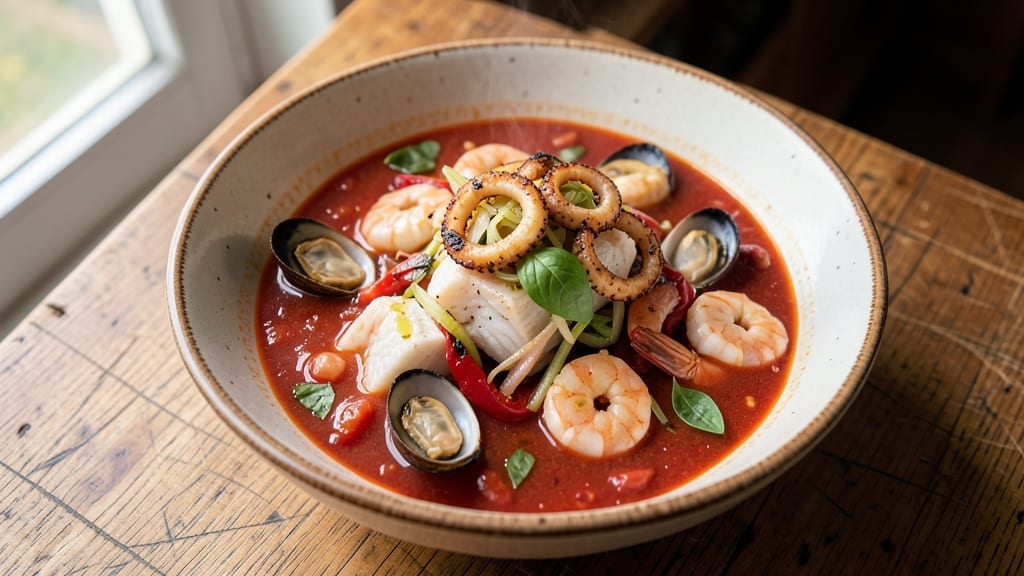
This San Francisco-style cioppino soup recipe transforms humble seafood into a rich, aromatic stew that captures the heart of Italian-American tradition. The secret lies in layering flavors—tomato, garlic, white wine, and herbs—before adding fresh clams, mussels, shrimp, and fish, ensuring each ingredient shines without overpowering the others.
I developed this version after years of perfecting the balance between bold and delicate flavors, and it never fails to impress even seafood skeptics.
The magic happens in the slow simmer, where aromatics like fennel and red pepper meld with tomatoes and seafood broth to create a deeply savory foundation.
Fresh seafood is added at the right moment—clams and mussels steam open, shrimp turns pink, and fish flakes easily—so you never end up with rubbery textures or overcooked bites. The result is a soup that's hearty enough for a cold evening but light enough to feel summery.
What you'll end up with is a steaming bowl of cioppino that's brimming with tender seafood, infused with bright herbs, and finished with a sprinkle of parsley for freshness. The broth is rich but not heavy, and every spoonful delivers layers of flavor that make it worth the effort.
Serve with crusty bread or garlic toast to soak up every last drop of that flavorful liquid gold.
This recipe works beautifully with whatever fresh seafood you can find—just adjust cooking times based on size. For extra depth, deglaze the pot with a splash of white wine after sautéing the aromatics. The key is patience and fresh ingredients, and this version delivers both in every bite.
Ingredients for cioppino soup
Pantry staples meet fresh seafood for a bowl of rich, aromatic cioppino.
| Ingredient | Amount | Notes |
|---|---|---|
| Extra-Virgin Olive Oil 🫒 | ½ cup | High quality, fruity flavor preferred |
| Yellow Onion 🧅 | 1 whole | Diced, medium size preferred |
| Canned San Marzano Tomatoes 🍅 | 2 cans | 28 oz each, crushed by hand |
| Garlic Cloves 🧄 | 6 cloves | Minced, fresh preferred |
| Fresh Fennel Bulb 🌿 | 1 whole | Diced, fronds reserved for garnish |
| Red Bell Pepper 🌶️ | 1 whole | Diced, any color works |
| Dry White Wine 🍷 | ½ cup | Bold, like Sauvignon Blanc |
| Seafood Broth 💧 | 4 cups | Homemade or quality store-bought |
| Fresh Clams 🦪 | 1 lb | Steamer clams, scrubbed clean |
| Fresh Mussels 🦪 | 1 lb | Debearded, scrubbed clean |
| Large Shrimp 🦐 | ½ lb | Peeled, deveined, tails on |
| White Fish Fillets 🐟 | ½ lb | Cod or halibut preferred |
| Fresh Parsley 🌿 | ¼ cup | Chopped, for garnish |
| Bay Leaves 🌿 | 2 whole | Dried, removed before serving |
| Red Pepper Flakes 🌶️ | ½ tsp | Adjust for heat preference |
| Salt 🧂 | 1 ½ tsp | Kosher or sea salt |
| Black Pepper 🌶️ | ½ tsp | Freshly ground preferred |
The tomatoes are your flavor base—San Marzano makes all the difference (that sweet, meaty taste). Grab the 28 oz cans from the Italian section at Whole Foods or Trader Joe's—avoid the watery ones. Fennel can be tricky to find fresh, so check the produce section near the herbs. If you can't find it, swap for extra celery or a splash of anise-flavored liqueur. The seafood matters too—ask your fishmonger for the freshest catch. Clams and mussels should smell clean and close tight; shrimp should be bright and firm. Never use frozen seafood here—it just won't give that same tender, briny quality.
No white wine? Seafood stock with a splash of lemon juice works in a pinch. Short on fennel? Celery or a pinch of fennel seeds will do. The bell pepper adds sweetness—red or yellow both work. For the seafood, whatever you can find fresh is perfect. Shrimp can be swapped for scallops or squid if you're feeling adventurous. Just make sure everything is fresh—this isn't a recipe to cut corners on. The broth should be homemade if possible, but a quality store-bought one like Pacific Foods works too. And if your tomatoes are too chunky? Crush them by hand—it releases more flavor than a blender ever could.
This soup tastes even better the next day—make extra if you can. Store in the fridge for 3-4 days or freeze for up to 3 months. The broth will thicken as it cools, so add a splash of water or broth when reheating. I always portion it into individual containers so it's ready for quick lunches. The seafood will keep for 1 day max in the fridge, so plan accordingly. And if you've got leftover wine from cooking? Save it for another recipe—it's too good to waste.
Why You'll Love This Recipe
- Fennel Magic Boost: That fennel bulb? It’s the secret weapon. I slice it thin, sauté it in olive oil until it’s golden and fragrant—suddenly, the soup smells like a sunlit Italian market. The sweet, licorice-like notes cut through the acidity of the San Marzano tomatoes, making every spoonful pop.
- One-Pot, No Fuss: Honestly, this isn’t one of those recipes where you spend 20 minutes prepping. Chop the onion, mince the garlic, toss the fennel in—done. The tomatoes and broth do the heavy lifting while you’re at the table. My kids can stir while I set the table.
- Leftovers That Shame You: I make this on Sunday, and by Wednesday, I’m begging for seconds. The flavors deepen overnight—richer, more complex—so you’re not stuck with the same taste all week. Freeze portions, and you’ve got a meal for those "I don’t wanna cook" nights.
- Budget’s Your Friend: San Marzano tomatoes aren’t cheap, but they’re worth it—and you only need a few cans. The rest? Onion, garlic, fennel (buy it fresh or frozen if it’s on sale). For the price of takeout, you’re feeding a crowd with leftovers to spare. Win.
Step-by-step instructions for San Francisco-style seafood simmer
Here's how to build this rich, aromatic cioppino from scratch—layer by layer.
Build the Flavor Base
Heat the 0.5 cup extra-virgin olive oil in a large Dutch oven over medium heat. Add the 1 whole diced yellow onion and 1 whole diced red bell pepper, cooking for 8-10 minutes until softened and just beginning to caramelize. You'll smell the sweetness deepen—that's when you know it's ready.
Add the 6 minced garlic cloves and 1 whole diced fresh fennel bulb, stirring for 1-2 minutes until fragrant. Here's the thing—fennel can be polarizing, but it's essential for that classic cioppino flavor. If you're sensitive to its taste, reduce it to half a bulb. Stir in the 0.5 tsp red pepper flakes and cook for 30 seconds to toast their flavor.
Develop the Tomato-Wine Foundation
Pour in the 0.5 cup dry white wine and let it simmer for 3-4 minutes until mostly evaporated. This step removes the alcohol's harshness while concentrating the wine's acidity. Add the 2 cans crushed canned San Marzano tomatoes, 4 cups seafood broth, 1.5 tsp salt, and 0.5 tsp black pepper, then bring to a gentle boil.
Reduce heat to low and simmer uncovered for 15 minutes, stirring occasionally. You want the liquid to reduce slightly and the flavors to meld. Add the 2 whole bay leaves now—they'll infuse the broth with subtle herbal notes. This is your flavor canvas, so don't rush it.
Prepare the Seafood
While the broth simmers, scrub the 1 lb fresh clams and 1 lb fresh mussels thoroughly under cold water to remove any debris. Pull off any barnacles or beards from the mussels. For the 0.5 lb large shrimp, peel and devein them, leaving the tails on for presentation. Cut the 0.5 lb white fish fillets into 1-inch chunks—cod or halibut works best here.
Real talk: don't clean the seafood too early. The clams and mussels release moisture when handled, which can make them tough. Keep them in the shell until you're ready to add them to the pot. Pat the shrimp and fish dry with paper towels before adding to the soup.
Add the Seafood and Simmer
Add the shrimp and fish chunks to the simmering broth first. Cook for 3-4 minutes until the shrimp turn pink and the fish is just cooked through. Here's where it gets fun—carefully add the clams and mussels, cover the pot, and let them steam for 5-7 minutes. You'll know they're done when they open—discard any that don't open within this time.
Remove the pot from heat and let the seafood rest for 2-3 minutes. This prevents overcooking and keeps the shrimp tender. Stir in the 0.25 cup chopped fresh parsley and the fennel fronds reserved earlier. Taste and adjust seasoning—you might need a pinch more salt since seafood varies in saltiness.
Serve with Crusty Bread
Ladle the cioppino into bowls, making sure each serving gets a good mix of seafood. The broth should be rich and flavorful, with the seafood just cooked through. Garnish with additional parsley if desired. Serve immediately with warm crusty bread to soak up every last drop of that aromatic broth.
This is the moment that matters: each bite should deliver a perfect balance of briny seafood, sweet tomatoes, and herbal fennel. The wine adds brightness, while the crusty bread cuts through the richness. If you have leftovers, they'll taste even better the next day as the flavors deepen.
Pro Tips For Making Cioppino Soup
- Sear the Fennel First: I learned this the hard way—if you toss fennel in with the onions, it’ll just steam into mush. Instead, slice it thin (about 1/4-inch) and sear it in olive oil over medium-high heat for 3-4 minutes until the edges turn golden. That caramelized bite is what makes cioppino sing.
- Crush Garlic, Don’t Mince: Minced garlic burns before it adds flavor. For cioppino, smash 3-4 cloves with the flat side of your knife, peel, then leave them whole or in rough chunks. They’ll soften and infuse without turning bitter—no need to babysit the pan.
- Deglaze with Tomatoes Cold: After browning your seafood or protein, pour in the San Marzano tomatoes straight from the fridge—the cold liquid shocks the pan into releasing all those stuck-on bits. Skip the rinse; just stir and let it warm through. Trust me, your soup will taste deeper.
- Simmer, Don’t Boil: Cioppino’s magic happens at a gentle simmer, not a rolling boil. If you’re seeing big bubbles and violent splashing, you’re cooking too fast. The fish and shellfish will turn rubbery, and the broth will taste harsh. Keep it at a low simmer—just enough to see tiny bubbles breaking the surface—and add water gradually if needed. Patience here makes all the difference.
Perfect pairings for cioppino soup
Bread Pairings
No cioppino experience is complete without crusty Italian bread or garlic toast to soak up that flavorful broth. I love using a baguette from La Baguette or Trader Joe's—its crisp exterior and soft interior are perfect.
For extra flavor, brush slices with olive oil, sprinkle with garlic powder, and toast until golden. 🥖
For a heartier option, try focaccia with rosemary and sea salt. The olive oil in the bread mirrors the soup's richness, creating a harmonious bite. Keep extra bread warm in a 200°F oven while serving—it stays fresh longer and soaks up more broth.
Wine Pairings
A crisp Italian white wine like Pinot Grigio or Vermentino complements cioppino beautifully. The wine's acidity cuts through the richness, while its citrus notes echo the fennel and tomatoes. I reach for Santa Margherita Pinot Grigio—it's affordable and always reliable. 🍷
For red wine lovers, a light-bodied Chianti works surprisingly well. The bright acidity and cherry notes balance the seafood's brininess. Avoid heavy, oaky wines—they'll overpower the delicate flavors. Serve the wine slightly chilled (around 50°F) to enhance its crispness.
Beer Options
A crisp lager like Peroni or Heineken refreshes your palate between bites. The light, effervescent quality contrasts the soup's richness without competing. For a craft option, try a Belgian witbier—its coriander and citrus notes pair wonderfully with the fennel. 🍺
Avoid heavy stouts or IPAs—they'll clash with the seafood's delicate flavors. Instead, opt for a wheat beer or pilsner to keep the experience light and refreshing. Serve beer at the same temperature as the soup (around room temp or slightly chilled) for the best balance.
Herb Garnishes
Finish your cioppino with fresh parsley or basil for a pop of color and freshness. I like to chop 0.25 cup parsley finely and sprinkle it over each bowl right before serving. The bright green color makes the dish look vibrant and inviting. 🌿
For a more complex flavor, add a few thin slices of lemon or a drizzle of extra-virgin olive oil. The citrus brightens the dish, while the oil adds a silky finish. Avoid over-garnishing—let the seafood and broth shine as the stars of the show.
Side Dish Ideas
Serve cioppino with a simple arugula salad tossed in lemon vinaigrette. The peppery greens cut through the richness, while the tangy dressing cleanses your palate. I use 4 cups arugula, 2 tbsp olive oil, and 1 tbsp lemon juice for a quick, refreshing side. 🥗
For a heartier option, try roasted fingerling potatoes tossed in rosemary and garlic. Their crispy edges and creamy centers add texture contrast. Roast at 400°F for 25 minutes until golden and tender. This side balances the soup's lightness with a satisfying bite.
Nutrition facts
Frequently asked questions
What makes San Francisco-style cioppino different from Italian cioppino?
San Francisco-style cioppino is richer and heartier, often including white wine, tomatoes, and a mix of seafood like clams, mussels, shrimp, and fish. The Italian version (from Genoa) traditionally skips wine and tomatoes, focusing instead on a simple fish stew with olive oil and herbs. Our version builds layers of flavor with fennel, red pepper, and a tomato-wine base.
Can I substitute any of the seafood in this recipe?
Use whatever fresh seafood you can find—squid, calamari, or scallops work well. Just adjust cooking times: shrimp and scallops cook fastest (3-4 minutes), while fish fillets need 5-6 minutes. Avoid overcooking—seafood turns rubbery when overdone. Clams and mussels should steam open naturally (5-7 minutes max).
Why does my cioppino taste too acidic or winey?
This usually happens if the wine didn't cook off enough or the tomatoes weren't balanced. Simmer the wine longer (5-6 minutes instead of 3-4) to reduce alcohol sharpness. Add a pinch of sugar or a splash of pasta water to mellow acidity. For extra depth, stir in a spoonful of seafood broth at the end to balance flavors.
How can I make this recipe vegetarian?
Swap seafood for hearty mushrooms (shiitake or cremini), white beans, and artichoke hearts. Use vegetable broth instead of seafood broth and add a splash of lemon juice for brightness. The fennel and tomatoes still provide that signature flavor—just omit the wine if you prefer. Texture-wise, chickpeas or lentils work well too.
Can I prepare cioppino ahead of time?
Yes! Make it 1 day ahead—flavors deepen overnight. Store in the fridge for 3-4 days or freeze for 3 months. Reheat gently on low heat, adding a splash of water or broth to restore consistency. The seafood will keep for 1 day max in the fridge, so portion it separately and reheat only what you need.