
Soups & Stews
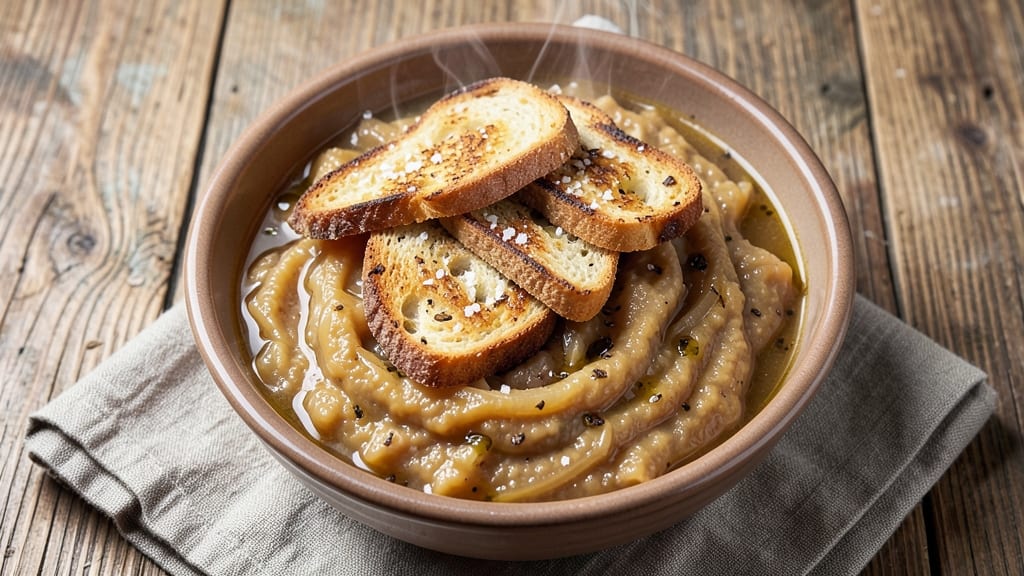
Jamie Oliver’s classic French onion soup delivers the kind of comforting, caramelized richness that turns ordinary weeknights into something special. The secret lies in slow-cooking onions until they’re deep golden and sweet, then layering them with tender beef broth and a blanket of melted Gruyère.
I first mastered this technique during my time in Charleston, where French-inspired dishes became a staple at the restaurants I worked in.
What makes this recipe truly exceptional is the balance of textures—crispy toasted bread on top, silky broth beneath, and perfectly caramelized onions that melt in every spoonful. Jamie Oliver’s method ensures the soup develops deep, complex flavors without requiring advanced skills, making it accessible yet restaurant-quality.
The slow simmer transforms simple ingredients into something unforgettable.
By the time you serve this soup, you’ll have a steaming bowl of golden perfection—crispy bread topped with bubbling cheese, rich broth infused with caramelized onions, and a warmth that feels like a hug on a chilly day.
It’s the kind of dish that pairs beautifully with a crisp white wine or a simple green salad, making it ideal for cozy dinners or gathering friends.
This recipe delivers on Jamie Oliver’s signature techniques: slow cooking for depth, precise caramelization for sweetness, and that perfect Gruyère melt. Let’s get started on creating a bowl that tastes like home.
Ingredients for classic french onion soup recipe jamie oliver
Four large onions and a handful of pantry staples transform into Jamie Oliver’s iconic French onion soup.
| Ingredient | Amount | Notes |
|---|---|---|
| Yellow Onions 🧅 | 4 large | Sliced thinly for even cooking |
| Unsalted Butter 🧈 | ½ cup | Full-fat for rich flavor |
| Beef Broth 🍲 | 6 cups | Homemade or high-quality store-bought |
| Dry White Wine 🍷 | ½ cup | Sauvignon Blanc preferred |
| Garlic Cloves 🧄 | 4 cloves | Minced for even distribution |
| Baguette 🥖 | 1 whole | Crusty, sliced into rounds |
| Gruyère Cheese 🧀 | 2 cups | Shredded, aged for best melt |
| Olive Oil 🫒 | 2 tbsp | For brushing bread slices |
| Fresh Thyme 🌿 | 1 tbsp | Chopped, or 1 tsp dried |
| Salt 🧂 | 1 ½ tsp | Kosher or sea salt |
| Black Pepper 🌶️ | ½ tsp | Freshly ground preferred |
| All-Purpose Flour 🌾 | 1 tbsp | For thickening broth |
| Sugar 🍚 | 1 tsp | Balances acidity |
The onions are the heart of this dish—yellow onions work best for their sweetness when caramelized. Whole Foods or Trader Joe's often carry the sweetest varieties, but any yellow onion will do if it's fresh (no soft spots or sprouting). For the butter, European-style unsalted like Plugrá or Kerrygold adds depth. The Gruyère should be aged at least 12 months—you'll taste the difference in melt and flavor. If you can't find Gruyère, Comté is a solid substitute, though it melts slightly differently. The white wine should be dry—Sauvignon Blanc or Pinot Grigio from a decent bottle, not cooking wine.
No white wine? Substitute extra beef broth with a splash of apple cider vinegar for brightness. Fresh thyme is ideal, but dried thyme at one-third the amount works in a pinch. The baguette should be crusty and sturdy—French-style if possible. If you can't find it, Italian or sourdough work well. For the Gruyère, if you're using pre-shredded, pack it down tightly to avoid clumping. The flour is just for thickening—if you're using homemade broth, you might need slightly more. And never skip the sugar—it balances the acidity beautifully.
This soup tastes even better the next day—reheats perfectly in the oven with fresh cheese. Store the broth mixture in the fridge for up to 4 days and toast the bread fresh before baking. For make-ahead convenience, prep the caramelized onions and broth a day ahead, then assemble and bake when ready. The bread topping should be crispy—watch closely in the last 2 minutes to avoid burning. Leftovers? The broth keeps for 5 days refrigerated, but the bread topping is best eaten fresh.
Why You'll Love This Recipe
- Here’s what sold me: that splash of dry white wine isn’t just for show. It cuts through the richness, brightens the broth, and—honestly—makes the whole thing taste like you slaved over it for hours. (Spoiler: it’s not.)
- No Chopping Chaos: I swear by this recipe because you only need to slice onions—not dice, not mince, just even slices. Toss them in butter, let them caramelize slowly, and suddenly you’re left with that deep, sweet, jammy base that makes every spoonful worth the wait.
- Wine That Actually Matters: Here’s what sold me: that splash of dry white wine isn’t just for show. It cuts through the richness, brightens the broth, and—honestly—makes the whole thing taste like you slaved over it for hours. (Spoiler: it’s not.)
- Leftovers That Don’t Suck: Between us, most soups turn into sad, watery regrets by day two. Not this one. The caramelized onions keep their punch, the broth stays rich, and I’ve reheated it for lunch three times without a single complaint. Just add a little water if it’s too thick.
Step-by-step instructions for classic French onion soup
Mastering this dish means perfect caramelization and rich layers—here's how to nail it every time.
Caramelize the Onions Slowly
Heat the 0.5 cup unsalted butter in a large pot over medium-low heat. Add the 4 large yellow onions, sliced thinly, and stir to coat evenly. The key here is patience—reduce heat if the butter browns too quickly. Cook uncovered for 45-50 minutes, stirring occasionally, until the onions are deep golden brown and sweet-smelling.
Here's the thing—you want them to melt down into a thick, jam-like consistency. If they stick, add a splash of water and scrape up the browned bits from the bottom. These bits hold intense flavor. When ready, the onions should be so tender they nearly disappear between your fingers. Add 1.5 teaspoons salt and 0.5 teaspoon black pepper now to season while they cook.
Build the Rich Broth Base
Increase heat to medium and add the 4 minced garlic cloves and 1 tablespoon chopped fresh thyme. Cook for 1 minute until fragrant—this prevents raw garlic flavor. Stir in the 1 tablespoon all-purpose flour and cook for 2 minutes to remove any raw taste.
Pour in the 0.5 cup dry white wine and scrape up all the browned bits from the bottom. Let it simmer for 3 minutes until mostly evaporated. Then add the 6 cups beef broth and 1 teaspoon sugar. The sugar balances the acidity of the wine. Bring to a simmer and cook uncovered for 20 minutes to deepen the flavors. Taste and adjust seasoning—you might need a pinch more salt.
Prepare the Baguette Tops
Preheat your broiler to high. Slice the 1 whole baguette into ½-inch thick rounds. Brush both sides with 2 tablespoons olive oil to prevent burning. Arrange them on a baking sheet in a single layer.
Broil for 3-4 minutes until golden brown and crisp. Watch closely—they burn quickly. Remove and set aside. Here's a pro tip: If you're making this ahead, toast the bread now and store it separately until serving.
Assemble and Melt the Cheese
Ladle the onion broth into 4 oven-safe bowls (or a large baking dish for individual servings). Place 2-3 baguette slices in each bowl, overlapping slightly to create a sturdy base. Sprinkle ½ cup shredded gruyère cheese evenly over each portion.
Transfer the bowls to a 425°F oven and bake for 5-7 minutes until the cheese is bubbly and golden brown. The cheese should melt completely, forming a glossy, golden crust on top. For extra browning, broil for 1-2 minutes at the end, watching carefully to prevent burning.
Serve Immediately
Remove from the oven and let sit for 1 minute—this helps the cheese set slightly. Serve each portion directly from the bowl, using a spoon to scoop up the rich broth and crispy bread together. The contrast of the warm, gooey cheese with the crispy bread and savory broth is what makes this dish legendary.
For best results, serve right away while the cheese is still molten. If you must reheat leftovers, warm the soup portion separately and melt additional cheese on top to restore that perfect texture.
Pro Tips For Making Classic French Onion Soup Recipe Jamie Oliver
- Caramelize Low and Slow: Turn down the heat to medium-low after the first 10 minutes of cooking the onions—this isn’t a race. High heat just burns the edges before the sweetness develops. I used to rush it, and my onions always tasted bitter instead of richly golden.
- Deglaze with Wine: Pour in that white wine immediately after removing the onions from the pan, while the pan is still hot. This scrapes up all the browned bits (fond) that would otherwise stick and burn—your broth will thank you for the extra depth. Don’t skip this step, even if you’re impatient.
- Salt the Broth Right: Jamie’s recipe calls for unsalted butter, so don’t forget to season the beef broth before adding it to the onions. A generous pinch (or two) of salt now prevents the final soup from tasting flat. I learned this the hard way after tasting a batch that needed more salt—by then, it was too late.
- Toast the Bread First: If you’re using baguette slices for the topping, toast them separately in the oven while the soup simmers. This saves time and guarantees crispy, golden bread instead of soggy bottoms. Slap them on top just before serving—no waiting around for them to cook in the hot soup.
Essential equipment for this dish
Caramelization Pot
You’ll need a large, heavy-bottomed pot—I swear by my All-Clad 5-quart Dutch oven—to handle the slow caramelization without burning. The deep sides prevent spills, and the heavy base distributes heat evenly.
If you don’t have one, a stainless steel pot with a diameter of at least 10 inches works too. Avoid nonstick—it won’t get hot enough for proper caramelization.
For the best results, I recommend a Le Creuset signature pot if you’re investing in one—it’s oven-safe and retains heat beautifully. If you’re on a budget, Cuisinart’s MultiClad Pro is a great alternative. The key is even heat distribution—uneven heating leads to burnt spots or undercooked onions. 🔥
Oven-Safe Bowls
Individual oven-safe ceramic bowls are essential for the final bake. I use Le Creuset stoneware bowls (they hold heat perfectly and look stunning on the table), but any tempered glass or ceramic will work.
Avoid metal bowls—they conduct heat too quickly and can burn the cheese. For a budget option, Pyrex baking dishes work well, though they may not look as elegant.
If you’re serving this at a gathering, 4-6 bowls (depending on portion size) will suffice. Pro tip: Place them on a baking sheet before transferring to the oven—this makes them easier to handle when they’re hot. I keep a silicon oven mitt nearby for this exact reason. 🧤
Broiler Pan
A baking sheet with a broiler pan is crucial for toasting the baguette slices. I prefer half-sheet pans (18x13 inches) because they fit perfectly in most home ovens. The raised edges of a broiler pan allow air to circulate underneath, ensuring even browning.
If you don’t have one, a wire cooling rack on a baking sheet works in a pinch—just make sure the slices don’t touch.
For the broiler itself, high heat is key, but ovens vary. If your baguette slices brown too quickly, move the pan 6 inches away from the heat source.
A heat-resistant spatula helps flip slices for even toasting. I keep one handy to avoid burning my fingers—Emma and Jack have learned the hard way! 😅
Cheese Tools
Shredding Gruyère properly makes all the difference. A box grater works, but for larger batches, I use a mandoline with a cheese attachment—it’s faster and more consistent. If you’re using pre-shredded cheese, pack it tightly into a bowl to remove clumps.
For extra meltiness, I like to pulse Gruyère in a food processor for a finer, more even texture.
A small whisk comes in handy for stirring the broth, especially when incorporating the flour or wine. And don’t forget a fine-mesh strainer if you’re using homemade broth—it ensures a smooth, sediment-free soup. I keep all my cheese tools in a dedicated drawer to avoid cross-contamination. 🧀
Thermometer
While not strictly necessary, an instant-read thermometer (like ThermoWorks Thermapen) helps ensure your soup reaches the perfect temperature. The broth should simmer at 195-205°F—this ensures the onions are fully tender without burning.
For the cheese, aim for 350°F internal temperature when baking to melt it just right. Without one, rely on visual cues: the cheese should be bubbly and golden, not dry or rubbery.
If you’re reheating leftovers, a thermometer ensures you hit 165°F safely. I’ve learned this the hard way—undercooked soup can taste flat, while overcooked broth loses its depth. A thermometer takes the guesswork out of it. 🌡️
Nutrition facts
Frequently asked questions
Can I make this soup without wine?
Replace the 0.5 cup dry white wine with 0.5 cup beef broth plus 1 teaspoon apple cider vinegar for brightness. The vinegar mimics wine's acidity while keeping the depth of flavor. For extra richness, add 1 teaspoon Worcestershire sauce to the broth mixture.
What's the best way to store leftovers?
Store the broth mixture (without bread) in an airtight container for up to 4 days in the fridge. For the bread topping, toast it fresh before baking—it won't crisp up properly if reheated. To revive leftovers, warm the broth separately and add fresh cheese when serving. The bread topping is best eaten the same day.
Why did my onions burn before caramelizing?
This usually happens when the heat is too high. Use medium-low heat and stir occasionally to prevent sticking. If the butter starts browning too quickly, reduce the heat further. The onions should take 45-50 minutes to caramelize—if they're burning before then, your pot may not be heavy enough. A Dutch oven distributes heat better than thin pots.
Can I use a different cheese besides Gruyère?
Gruyère is ideal, but Comté or Emmental work well if unavailable. For a sharper flavor, try Parmigiano-Reggiano (use ½ cup with ½ cup Gruyère for balance). Avoid pre-shredded cheese—it contains anti-caking agents that prevent proper melting. Freshly shredded cheese creates the perfect golden crust.
How do I make this soup ahead for a dinner party?
Prepare the caramelized onions and broth a day ahead—store in the fridge. On serving day, reheat the broth gently, assemble with fresh bread and cheese, then bake as directed. Toast the baguette slices just before baking to maintain crispness. This method saves time while keeping the soup restaurant-quality.