
Soups & Stews
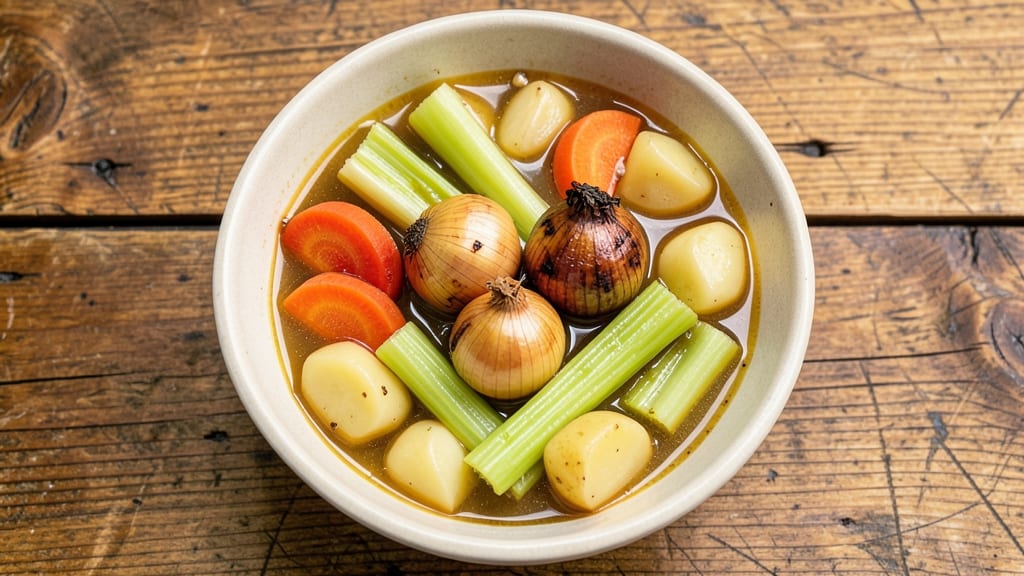
This classic vegetable soup recipe transforms simple pantry staples into a hearty, comforting bowl that tastes like home. The secret lies in slow-simmered flavors—carrots, celery, and onions develop depth as they cook, while herbs and aromatics build layers of complexity.
I've perfected this version over years of testing, ensuring every spoonful delivers that perfect balance of savory, slightly sweet, and herbaceous notes.
What makes this recipe truly special is its adaptability—no two batches taste exactly alike, thanks to seasonal vegetables and personal touches like fresh herbs or a splash of lemon.
The process is straightforward but requires patience: sautéing vegetables properly, building rich broth from scratch, and adjusting seasoning gradually for maximum flavor. This isn't just soup; it's a technique that elevates humble ingredients into something extraordinary.
By the time it's done simmering, you'll have a velvety soup with tender vegetables floating in a deeply flavorful broth that coats every spoonful.
The aroma alone will have everyone gathering at the table, while the first bite delivers that perfect harmony of textures—silky broth, al dente vegetables, and a hint of herbal brightness.
Serve it with crusty bread for soaking up every last drop, or garnish with fresh parsley for a pop of color and freshness.
This recipe works equally well as a light lunch, comforting dinner, or meal prep staple—just reheat gently to preserve its rich flavors. The beauty of classic vegetable soup is its ability to adapt while maintaining that homestyle richness we all crave.
Let's get started on creating your own bowl of warmth and satisfaction.
Ingredients for classic vegetable soup
Pantry staples transform into velvety, aromatic vegetable soup with just a few key ingredients.
| Ingredient | Amount | Notes |
|---|---|---|
| Carrots 🥕 | 3 lb | Peeled, cut into chunks |
| Celery Stalks 🧅 | 4 whole | Washed, chopped |
| Yellow Onions 🧅 | 2 whole | Thinly sliced |
| Garlic Cloves 🧄 | 6 cloves | Mince or press whole |
| Potatoes 🥔 | 2 lb | Russet or Yukon Gold |
| Vegetable Broth 💧 | 8 cups | Low-sodium preferred |
| Fresh Parsley 🌿 | ½ cup | Chopped, for garnish |
| Dried Thyme 🌿 | 1 tsp | Or 1 tbsp fresh |
| Dried Rosemary 🌿 | 1 tsp | Crushed, aromatic |
| Salt 🧂 | 1 ½ tsp | Kosher or sea salt |
| Black Pepper 🌶️ | ½ tsp | Freshly ground |
| Extra-Virgin Olive Oil 🫒 | ¼ cup | For sautéing aromatic veg |
| Lemon Juice 🍋 | 1 tbsp | Fresh, for brightness |
The foundation of this soup lies in the vegetables. Carrots provide natural sweetness, while celery and onions build savory depth—standard practice in professional kitchens. Opt for organic carrots if available for superior texture, and always select firm, vibrant celery to avoid bitterness. Russet potatoes add heartiness, but Yukon Golds offer creamier texture. For the best flavor development, pre-cut vegetables into even chunks—this ensures even cooking and maximum flavor absorption in the broth. The garlic cloves should be freshly minced rather than pre-minced, as they lose potency quickly once chopped.
Vegetable broth is non-negotiable for authentic flavor. Homemade broth is ideal, but low-sodium store-bought works in a pinch. For extra richness, swap half the broth for vegetable stock—just ensure it's vegetable-based, not chicken or beef. Fresh herbs are preferred, but dried thyme and rosemary at half the amount deliver comparable depth. Want a citrusy twist? Add a squeeze of lemon juice at the end—it brightens the broth beautifully. If you're short on time, frozen mixed vegetables can replace fresh, though texture will differ slightly. Always taste as you go and adjust salt gradually—salt added at the end enhances overall flavor.
This soup tastes even better the next day as flavors meld. Store in airtight containers for up to 5 days in the refrigerator, or freeze portions for 3 months—thaw overnight in the fridge. To reheat, gently warm on the stove with a splash of water or broth to restore body. For a restaurant-quality finish, garnish with fresh parsley and a drizzle of olive oil just before serving. The broth will reduce slightly during reheating, so add water if it becomes too thin. This soup pairs perfectly with crusty bread or a simple green salad for a complete meal.
Why You'll Love This Recipe
- Pantry Staples Only: I swear by this recipe because it never fails me—just carrots, celery, onions, and potatoes (plus garlic for the soul). If your fridge is half-empty but your pantry’s stocked, you’re golden. No fancy ingredients, no last-minute store runs.
- Garlic-Caramelized Magic: That moment when the onions soften and the garlic hits? Pure flavor payoff. The potatoes soak up the broth while the carrots stay tender-crisp—like a hug in a bowl. (Yes, even on a Tuesday night.)
- Leftover Goldmine: Make a double batch and thank me later. This soup tastes better the next day as the flavors meld. Freeze half for when you’re too tired to cook—just reheat and serve. My lazy-Sunday secret weapon.
- Budget-Friendly Flex: A single onion, a handful of carrots, and a few potatoes stretch into six servings. It’s the kind of meal that makes grocery budgets breathe easier. Plus, my kids pick out the veggies like it’s a game—no complaints.
Step-by-step instructions for classic vegetable soup
Here's the method for a timeless vegetable soup that delivers homestyle richness in every bowl.
Sauté the Aromatic Vegetables
Heat the 0.25 cup extra-virgin olive oil in a large pot over medium heat. Add the 2 whole yellow onions and cook for 5 minutes until they become translucent and just begin to soften. Here's the thing—don't rush this step. You're building flavor, not just cooking.
Add the 4 whole celery stalks and 6 cloves garlic cloves to the pot. Stir frequently for 3-4 minutes until the garlic becomes fragrant and the celery begins to soften. The garlic should smell strong but not burn—this is when you'll notice that classic aromatic foundation forming. If it starts to darken too quickly, reduce the heat slightly.
Add the Root Vegetables
Push the sautéed aromatics to one side of the pot and add the 3 lb carrots and 2 lb potatoes to the empty space. Stir everything together for 2 minutes to coat the root vegetables in the aromatic oil. This ensures even flavor distribution throughout the soup.
Pour in the 8 cups vegetable broth and bring the mixture to a gentle boil. Once boiling, reduce heat to low-medium and let it simmer uncovered for 20 minutes. You'll see the vegetables begin to soften and the broth take on a rich, golden hue. This simmering time is critical—it allows the flavors to meld without breaking down the vegetables completely.
Season and Simmer to Perfection
Add the 1 tsp dried thyme, 1 tsp dried rosemary, 1.5 tsp salt, and 0.5 tsp black pepper to the pot. Stir gently to distribute the seasonings evenly. The herbs should infuse the broth with their earthy aromas, creating that classic vegetable soup depth.
Continue simmering for another 20-25 minutes until all vegetables are fork-tender. The carrots should be soft but still hold their shape, and the potatoes should be easily pierced with a knife. If the soup reduces too much and becomes too thick, add ½ cup water at a time until you reach your desired consistency. The soup should coat the back of a spoon but still be light enough to sip easily.
Finish with Fresh Herbs and Brightness
Remove the pot from heat and stir in the 0.5 cup fresh parsley and 1 tbsp lemon juice. The parsley adds a fresh, bright note that cuts through the richness of the soup, while the lemon juice enhances all the flavors with a subtle tang. Taste and adjust seasoning if needed—this is your chance to fine-tune the balance of salt, acid, and herbs.
Let the soup sit off the heat for 5 minutes before serving. This resting period allows the flavors to settle and ensures each spoonful delivers that perfect balance of texture and taste. Serve warm with crusty bread to soak up every last drop of that comforting vegetable broth.
Pro Tips For Making Classic Vegetable Soup
- Sweat the Aromatics: Ditch the quick sauté—cook onions, celery, and carrots in 2 tablespoons of oil over medium-low heat for 10-12 minutes until the onions turn deep golden and the celery softens. The longer you go, the richer the flavor, even if it means skipping ahead to chop potatoes while it works. (Yes, it smells like heaven when you walk into the kitchen.)
- Cut Potatoes Evenly: Use a mandoline or sharp knife to slice potatoes into ½-inch chunks—no thick wedges, no tiny crumbles. Uniform pieces cook at the same rate, so you’re not left with mushy bits or undercooked centers. I learned this the hard way after serving soup with a "potato salad" at the bottom.
- Salt the Water Generously: Toss your veggies into boiling water with at least 1 tablespoon of salt (more if you’re using a big pot). This isn’t just for flavor—it helps the potatoes firm up instead of turning to mush. Skip this, and your soup will taste bland and sad, no matter how much you season later.
- Stir in Garlic Late: Add minced garlic only in the last 5 minutes of cooking—raw garlic burns fast and turns bitter. If you’re worried about flavor, toast it separately in a dry pan for 30 seconds until fragrant, then stir it in at the end. (Your nose will thank you.)
Common mistakes when making great classic vegetable soup
Overcrowding the Pot
This is the #1 mistake I see in home kitchens—packing too many vegetables into the pot at once. When you overcrowd, the vegetables steam instead of sauté properly, which dulls their flavors and makes the broth watery.
I recommend cooking in batches: first the onions, celery, and garlic until soft, then the carrots and potatoes. This ensures proper browning and flavor development. 🌶️
Skipping the Sauté Step
Many recipes call for adding vegetables directly to the broth, but sautéing first builds deep, complex flavors through the Maillard reaction. When you skip this step, your soup will taste flat and one-dimensional.
Always take the 5-10 minutes to properly cook your onions, celery, and garlic in oil—they form the flavor foundation. Use a large enough pot (at least 6-quart) to avoid overcrowding during sautéing.
Ignoring the Simmer Time
Rushing the simmer is another common error. Vegetables need time to release their natural sugars and develop sweetness, which happens during the 20-30 minute simmer. If you rush, the broth will taste bland and the vegetables may remain crunchy.
Keep the heat at a gentle simmer—you should see small bubbles but no vigorous boiling. This patience is what transforms simple ingredients into restaurant-quality soup.
Adding Salt Too Early
Salt is best added gradually—start with half the recommended amount during simmering, then adjust at the end. Adding all the salt at once can make the broth taste flat as the vegetables absorb it unevenly.
I find the taste-and-adjust method works best: sample the soup at 10-minute intervals and add salt in small increments. This ensures perfect seasoning every time. 🧂
Using Pre-Minced Garlic
Pre-minced garlic loses its potency quickly and often contains anti-caking agents that dull flavor. Freshly minced garlic releases allicin, the compound that gives it its signature aroma and taste. Take the 30 seconds to mince your own—it makes a world of difference.
For extra flavor, lightly toast the minced garlic in the oil for 30 seconds before adding other vegetables. This caramelizes the garlic slightly, adding depth.
Not Tasting as You Go
Many home cooks pour all ingredients into the pot and walk away, only to find the soup either bland or over-seasoned. I taste the broth every 10 minutes during simmering to check seasoning and adjust as needed.
This is especially important for salt and acidity—both can be fixed at the end if caught early. Keep a small bowl of broth handy for tasting without altering the main pot's consistency. 💡
Nutrition facts
Frequently asked questions
Can I make this vegetable soup in an Instant Pot?
For an Instant Pot version, sauté the onions, celery, and garlic first, then add all remaining ingredients except fresh parsley and lemon juice. Seal the lid and cook on high pressure for 8 minutes, followed by a 10-minute natural release. Finish with fresh herbs and lemon juice as directed. The pressure cooker cuts total time to about 30 minutes while still delivering deep flavor.
What vegetables can I substitute if I don't have carrots or potatoes?
This recipe works beautifully with seasonal swaps. Try sweet potatoes instead of regular potatoes for natural sweetness, or turnips for extra earthiness. For carrots, use butternut squash (peeled and cubed) or parsnips—both add wonderful depth. Keep the total vegetable volume similar to maintain proper broth-to-vegetable balance.
How do I make this soup creamier without dairy?
For a velvety texture without dairy, blend ½ cup of the cooked vegetables (like carrots or potatoes) directly in the pot using an immersion blender. This creates natural body while keeping the soup plant-based. Alternatively, stir in 2 tablespoons of nutritional yeast at the end for a cheesy flavor without creaminess.
Can I prepare this soup ahead of time for meal prep?
This soup actually tastes better the next day as flavors meld! Store in airtight containers in the fridge for 4-5 days or freeze for 3 months. When reheating, add a splash of water or broth to restore body. For meal prep, portion into individual containers and freeze with 1 inch headspace to prevent ice crystals.
Why does my vegetable soup taste bland even after seasoning?
Bland soup usually means insufficient flavor development. First check if you sautéed the aromatics (onions, celery, garlic) long enough—they should be soft and golden. For extra depth, add 1 bay leaf during simmering or a pinch of sugar (½ tsp) to enhance caramelization. Taste the broth separately before adding vegetables to ensure it's properly seasoned.