
Soups & Stews
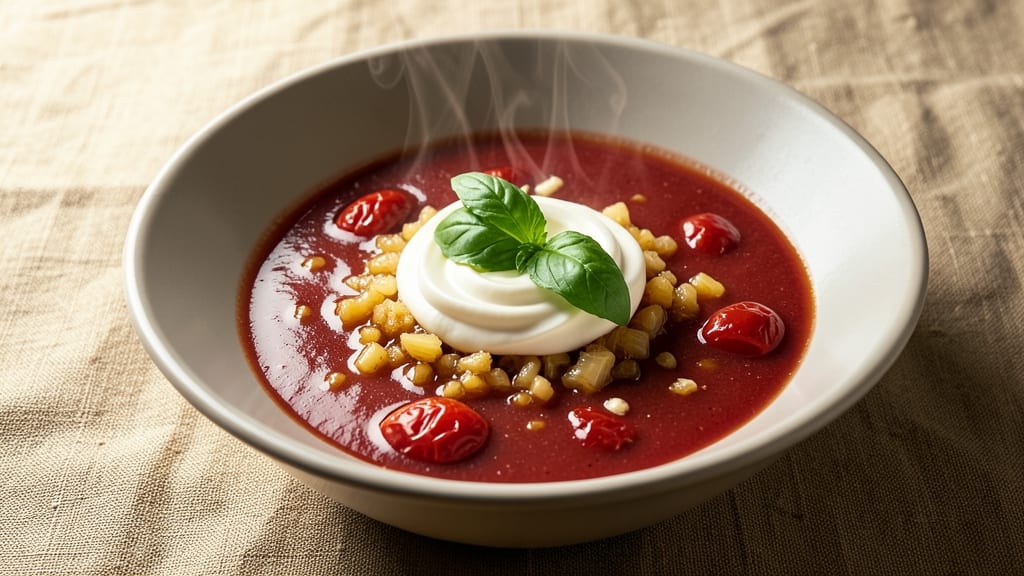
I remember the first time I tried to make condensed tomato soup from scratch—only to end up with a watery, flavorless mess that tasted nothing like the canned version I grew up with. That’s when I realized homemade condensed soup needed a different approach.
This recipe delivers creamy tomato soup without relying on store-bought cans, using simple techniques like reducing broth and blending fresh tomatoes. The key lies in balancing acidity with sweetness and letting the flavors meld slowly over time. It’s a process that pays off with restaurant-quality richness.
What you’ll end up with is a velvety, deeply flavorful soup that coats your spoon and leaves no aftertaste. The texture is thick enough to serve as a standalone dish, yet smooth enough to enjoy with crusty bread.
Trust me—this is the kind of soup that makes canned versions feel like a distant memory.
Perfect for chilly evenings or meal prep, this recipe scales easily and keeps well for days. Let’s get started with the ingredients you’ll need to transform fresh tomatoes into something extraordinary.
Ingredients for condensed soup
Fresh tomatoes, rich cream, and simple pantry staples—this is your shortcut to restaurant-style tomato soup.
| Ingredient | Amount | Notes |
|---|---|---|
| Fresh Roma Tomatoes 🍅 | 2 lb | Peeled, seeded, and chopped |
| Yellow Onion 🧅 | 1 whole | Diced, medium size |
| Garlic Cloves 🧄 | 4 cloves | Peeled, minced |
| Unsalted Butter 🧈 | ½ cup | Cold, cubed for browning |
| Heavy Cream 🥛 | 1 cup | Full-fat for creaminess |
| Chicken Broth 💧 | 4 cups | Low-sodium preferred |
| Granulated Sugar 🍚 | 2 tbsp | Balances acidity |
| Apple Cider Vinegar 🍎 | 1 tbsp | Brightens flavor |
| Dried Thyme 🌿 | 1 tsp | Or 1 tbsp fresh thyme |
| Salt 🧂 | 1 tsp | Kosher or sea salt |
| Black Pepper 🌶️ | ½ tsp | Freshly ground |
| Olive Oil 🫒 | 2 tbsp | For finishing drizzle |
| Crusty Bread 🍞 | 4 slices | For serving |
The tomatoes are the heart of this soup, so pick ripe, firm Roma tomatoes—they’re meatier and sweeter than vine-ripened varieties. Hit the farmers market if you can, but the grocery store Roma section works too. Costco or Trader Joe's usually have great prices on bulk tomatoes. If you can’t find Roma, San Marzano canned tomatoes are a solid backup—they’re sweeter and less acidic than regular canned tomatoes. For the butter, Plugrá or Land O’Lakes unsalted are my go-tos, but any good-quality unsalted works. The key here is browning the butter until it’s golden—don’t skip this step (it adds depth).
No Roma tomatoes? Substitute with 2 cups of crushed San Marzano canned tomatoes—just skip the peeling and seeding. Heavy cream too expensive? Half-and-half or even whole milk will work, but the texture won’t be as velvety. The vinegar is crucial for balancing the sweetness—substitute with lemon juice if you’re out, but use half the amount. For the thyme, fresh is better, but dried works in a pinch. If you’re watching calories, reduce the cream to ½ cup and add ½ cup Greek yogurt—it’ll still be creamy, just lighter. The broth? Homemade is ideal, but store-bought low-sodium works too.
This soup tastes even better the next day—let it sit overnight so the flavors meld. Keeps for 5 days in the fridge, or 3 months frozen in airtight containers. For freezing, cool it completely first. The bread? Toast it fresh before serving—it soaks up the soup like a dream. I like to make a double batch and freeze half; reheat gently on the stove with a splash of water or broth to restore creaminess if it’s too thick after freezing.
Why You'll Love This Recipe
- One-Pot Magic: I swear by this—just tomatoes, onions, and garlic simmered in butter until the kitchen smells like summer. No straining, no extra bowls, and the heavy cream ties it all together without fuss.
- Rich Without Effort: That buttery tomato base? It’s the kind of depth you’d pay extra for at a restaurant, but here it’s just a knife’s work and 20 minutes. The cream doesn’t make it heavy—it makes it luxurious, like a hug in soup form.
- Weeknight or Guest Night: I’ve served this to tired parents and impressed dinner guests—same recipe, zero apologies. Double the batch, and you’ve got tomorrow’s lunch or a cozy side for pasta. (Yes, even on a Tuesday night.)
- Budget-Friendly Luxury: Fresh tomatoes and onions stretch further than you’d think, especially when you let them caramelize. The butter and cream feel indulgent, but you’re not breaking the bank—just trading takeout for something homemade that tastes way better.
Step-by-step instructions for homemade tomato soup
Here's how to craft a velvety tomato soup that rivals anything from a can.
Sauté Onion and Garlic Until Translucent
Heat the 2 tablespoons olive oil in a large pot over medium heat. Add the 1 whole yellow onion and cook for 5-6 minutes until softened and beginning to turn translucent. This step develops the soup's sweetness and removes any sharpness from the onion.
Add the 4 cloves minced garlic and cook for an additional 30 seconds until fragrant. You'll know it's ready when the kitchen fills with that unmistakable garlic aroma. Be careful not to let it brown—burnt garlic tastes bitter and ruins the delicate balance of flavors in this soup.
Build the Tomato Base with Butter and Sugar
Reduce heat to medium-low and add the 0.5 cup cold cubed unsalted butter. Let it melt completely, about 2 minutes, while stirring occasionally. This butter will create a luxurious mouthfeel in your finished soup.
Add the 2 lb peeled, seeded, and chopped fresh Roma tomatoes along with the 2 tablespoons granulated sugar. The sugar helps balance the natural acidity of the tomatoes while enhancing their sweetness. Stir well to combine and let the mixture simmer gently for 10 minutes, allowing the flavors to meld together.
Season and Simmer the Tomato Mixture
Add the 1 tablespoon apple cider vinegar, 1 teaspoon dried thyme, 1 teaspoon salt, and 0.5 teaspoon black pepper to the tomato mixture. Stir well to distribute the seasonings evenly. Let the soup simmer uncovered for 15 minutes, stirring occasionally, until it thickens slightly and the flavors develop.
Here's the thing—this simmering time is crucial. It allows the tomatoes to break down and release their juices, creating a rich base for your soup. You'll notice the soup reduces and becomes slightly thicker as it cooks. If it gets too thick, you can add a splash of water later.
Blend Until Silky Smooth
Use an immersion blender to puree the soup directly in the pot until completely smooth. If you don't have an immersion blender, carefully transfer the soup to a blender in batches, blending until smooth, then return it to the pot. This blending step is what creates that velvety texture you're after.
After blending, return the soup to the pot and stir in the 4 cups chicken broth. Bring the soup back to a gentle simmer over medium heat for 5 minutes to ensure all the flavors are well combined. You'll notice the soup becomes even creamier as the broth incorporates with the tomato base.
Finish with Cream and Serve Warm
Reduce heat to low and stir in the 1 cup heavy cream. Let the soup simmer gently for 3-4 minutes, just until heated through. The cream will add richness and create that luxurious mouthfeel that makes this soup so satisfying.
Taste and adjust seasoning if needed, adding more salt or pepper as desired. Ladle the soup into bowls and drizzle each serving with a little more olive oil. Serve immediately with 4 slices crusty bread on the side for dipping. The contrast of the warm, creamy soup with the crisp bread makes every bite perfect.
Pro Tips For Making Condensed Soup
- Sweat Onions Low: Walk away from the pan after dicing the onion—medium heat only. I used to rush this, and the onions would brown too fast, turning bitter before the tomatoes even hit the pot. A good sweat takes 8-10 minutes, and you’ll taste the difference when the cream comes in.
- Blister Garlic First: Smash the garlic cloves flat with the side of your knife before adding them to the butter. They’ll cook faster and infuse the butter without burning. Skip this, and you’ll end up with raw garlic chunks at the bottom—trust me, it’s worse than you think.
- Simmer Tomatoes Hard: Push the pot to a rolling boil for the first 5 minutes after adding tomatoes. This breaks down the skins and concentrates the flavor faster than a gentle simmer. After that, drop to low—you’re just finishing the job, not cooking a sauce.
- Whisk Cream Slow: Temper the heavy cream by whisking it into the hot soup gradually, a splash at a time. Dump it all in at once, and you’ll end up with scrambled eggs in your soup. I learned this after one disastrous batch where the cream curdled like cottage cheese.
Make-ahead tips for this recipe
Batch Prep Strategy
I always make a double batch of this soup—it’s perfect for meal prep and tastes even better the next day. After blending, divide the soup into two quart-sized glass containers (I use Pyrex because they’re sturdy and microwave-safe). Let it cool completely before sealing with lids to prevent condensation buildup.
Store in the fridge for up to 5 days, or freeze for 3 months. The key is to label containers with the date so you can track freshness. 📅
Freezing for Later
For freezing, I recommend using silicone ice cube trays for single servings or quart-sized freezer bags for larger batches. Leave 1-inch headspace in bags to account for expansion, and squeeze out excess air to prevent freezer burn.
When ready to eat, thaw overnight in the fridge or reheat directly from frozen on the stove with ½ cup water or broth to restore creaminess. Never microwave from frozen—it breaks the texture. ❄️
Reheating Like a Pro
Stovetop reheating is your best friend here. Pour the chilled soup into a pot and warm over medium-low heat, stirring frequently to prevent scorching. If the soup thickens too much, add 1-2 tablespoons of water or broth at a time.
For extra richness, stir in 1 tablespoon of heavy cream at the end. Avoid boiling—just heat until steaming (165°F internal temp). The texture should be velvety, not gluey. 🔥
Portion Control Tips
Use ramekins or small mason jars for individual servings—they’re perfect for lunches or quick reheats. For a single serving, I like to freeze 1 cup portions in silicone molds (like Lapro brand). These thaw in 10 minutes in the microwave, making them ideal for busy mornings.
Just pop them into a mug, add a splash of water, and heat on 50% power for 1-2 minutes. 💡
Garnish Prep Ahead
Prep garnishes in advance to save time. Toast crusty bread and store in a paper bag at room temperature for up to 3 days. Chop fresh basil or parsley and store in an airtight container with a damp paper towel in the fridge for 5 days.
For grated Parmesan, use a microplane and store in a small jar with a tight lid. A drizzle of olive oil or balsamic glaze adds freshness—just keep these in separate containers until ready to serve. ✨
Flavor Boost Hacks
Want to elevate your prepped soup? Stir in ½ teaspoon of smoked paprika or 1 teaspoon of miso paste when reheating for depth. A pinch of red pepper flakes adds heat, while a splash of lemon juice brightens flavors.
For a cheesy finish, sprinkle shredded Gruyère on top while reheating—it melts beautifully. These tweaks turn reheated soup into a gourmet experience. 🌶️
Nutrition facts
Frequently asked questions
Why does this recipe use fresh tomatoes instead of canned?
Fresh Roma tomatoes create a sweeter, more complex flavor profile that canned tomatoes can't match. The peeling and seeding process removes skins and seeds that can make canned versions bitter or watery. Plus, fresh tomatoes have more natural sweetness to balance the acidity. For a shortcut, you can use San Marzano canned tomatoes instead—they're sweeter and less acidic than regular canned tomatoes.
Can I make this soup dairy-free?
Replace the 1 cup heavy cream with 1 cup full-fat coconut milk for a rich, dairy-free version. You can also use ½ cup cashew cream (blended soaked cashews with water) for a nutty flavor. The soup will still be creamy, though the texture will be slightly lighter. For extra thickness, add 1 tablespoon cornstarch mixed with water as a slurry.
How do I fix soup that's too thick or too thin?
If your soup is too thick after blending, stir in 2-3 tablespoons of warm broth or water at a time until you reach your desired consistency. For a thinner soup, simply add more broth or water gradually while stirring. The key is to adjust slowly—adding too much liquid at once can dilute the flavors. If you've added cream and it's still too thick, a splash of warm milk or broth will help restore balance.
What's the best way to store leftover soup?
Let the soup cool completely before transferring to airtight glass containers (like Pyrex). It keeps well in the fridge for 5 days or freezes for 3 months in freezer bags with excess air removed. For reheating, warm on the stove over medium-low heat with a splash of water or broth to restore creaminess. Never microwave from frozen—it can break the texture and make the soup watery.
Can I use this technique for other soups besides tomato?
This method works beautifully for other cream-based soups too! Try it with carrot or butternut squash soup by blending roasted vegetables with broth and cream. For potato leek soup, use the same reduction technique with potatoes and leeks. The key is to build a rich base by cooking aromatics (onion, garlic) and reducing liquids before blending and adding cream. The sugar and vinegar balance can be adjusted based on the vegetable's natural sweetness.