
Soups & Stews
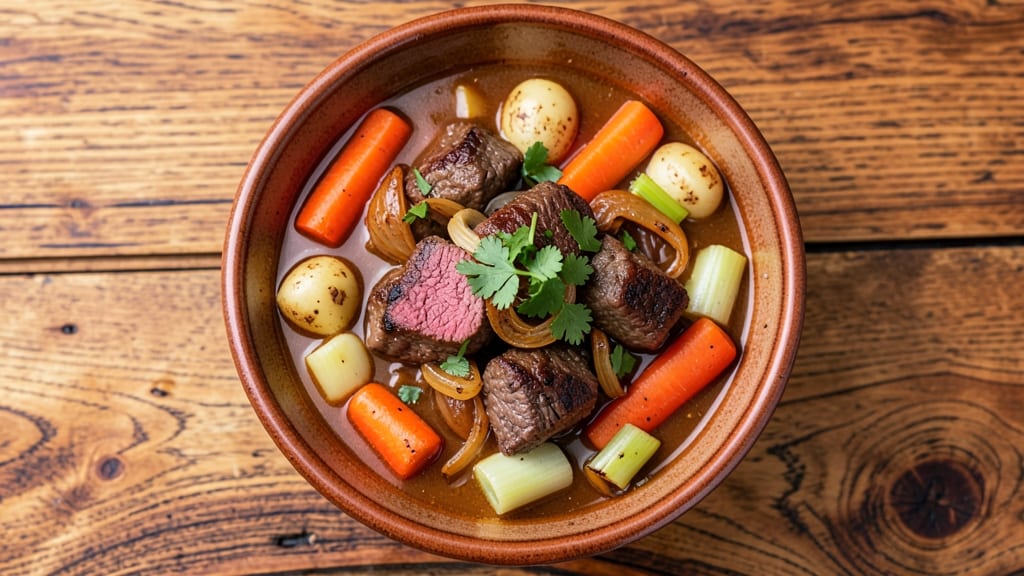
This copycat Black Angus steak soup delivers the same deep umami richness and tender beef flavor you’d expect from a high-end steakhouse—simmered low and slow until every spoonful is packed with savory depth.
The secret lies in using premium beef broth and slow-cooked steak that practically melts in your mouth, creating a soup that’s hearty enough for a winter meal but refined enough for company.
I developed this recipe after years of perfecting the balance between rich beef flavor and comforting vegetables, ensuring every ingredient enhances rather than competes with the star: the steak.
The process begins with searing thick-cut steak to lock in juices, then simmering it in a flavorful broth with aromatic vegetables like carrots, celery, and onions—classic components that build complexity without overpowering the beef.
A touch of Worcestershire sauce and black pepper adds that signature steakhouse umami, while potatoes thicken the soup into a satisfying, velvety texture. The result is a dish that feels luxurious but comes together with straightforward techniques, making it perfect for both weeknight dinners and special occasions.
What sets this recipe apart is how the steak transforms during cooking. Instead of shredding, it stays tender and flavorful, infusing the broth with layers of richness that turn simple ingredients into something extraordinary. The aroma alone—warm, beefy, and slightly smoky—will have everyone gathering around the table.
By the time it’s done, you’ll have a soup that tastes like it took hours to prepare, even though the active time is just under an hour.
Serve it with crusty bread to soak up every last drop of that savory broth, or pair it with a simple green salad to balance the richness.
The leftovers reheat beautifully, making this an ideal meal-prep option for busy weeks. Here’s how to recreate that restaurant-quality steakhouse experience at home—step by step.
Ingredients for copycat black angus steak soup
Sixteen ingredients—just the right balance of rich beef and aromatic vegetables for that steakhouse soup experience.
| Ingredient | Amount | Notes |
|---|---|---|
| Black Angus Beef Chuck Roast 🥩 | 2 lb | Thick-cut, bone-in preferred |
| Beef Broth 💧 | 8 cups | Premium, low-sodium preferred |
| Yellow Onions 🧅 | 2 whole | Medium size, diced |
| Carrots 🥕 | 4 whole | Medium size, peeled, chopped |
| Celery Stalks 🌿 | 4 whole | Trimmed, chopped |
| Russet Potatoes 🥔 | 2 lb | Yukon Gold works too |
| Worcestershire Sauce 🍶 | 1 tbsp | High-quality, not imitation |
| Fresh Thyme 🌿 | 2 tbsp | Leaves only, chopped |
| Fresh Rosemary 🌿 | 1 tbsp | Chopped, fresh preferred |
| Garlic Cloves 🧄 | 6 cloves | Peeled, smashed |
| Black Peppercorns 🌶️ | 1 tsp | Freshly cracked |
| Bay Leaves 🌿 | 2 whole | Dried, standard size |
| Olive Oil 🫒 | 2 tbsp | Extra-virgin, for searing |
| Salt 🧂 | 1 ½ tsp | Diamond Crystal kosher |
The beef is non-negotiable here. Black Angus chuck roast delivers the best marbling and flavor—Costco or local butchers usually carry it pre-cut for convenience. Look for pieces with visible fat; it renders down beautifully during simmering. If you can't find chuck, sirloin tips work in a pinch but won't be as tender. The broth is equally important—Knight's or Swanson premium are my go-tos, but any low-sodium option will do. Fresh thyme and rosemary make all the difference; Trader Joe's sells bundles that stay fresh longer than grocery store stems.
No Worcestershire sauce? Soy sauce plus a pinch of sugar gets you close, though it won't be identical. Fresh herbs wilt fast, so dried thyme at one-third the amount works if you're short on time. The potatoes can be cubed small for quicker cooking or left in larger chunks for rustic texture. For extra depth, add a splash of red wine when searing the beef—just enough to deglaze the pan. The carrots and celery should be chopped uniformly so they soften at the same rate. If you're using pre-chopped frozen veggies, thaw and drain them first to avoid watering down the broth.
This soup tastes even better the next day—reheat gently on low to preserve texture. Keeps in the fridge for 5 days or freezes for 3 months. For meal prep, portion into containers with a layer of broth on top to prevent a skin from forming. The beef will get even more tender with reheating, so don't rush it. If you've got leftovers, turn them into soup sandwiches with crusty bread the next day.
Why You'll Love This Recipe
- One-Pot Magic: I swear by this—just toss the beef chuck, onions, carrots, and celery into a pot with broth, let it simmer, and walk away. No chopping boards covered in veggie scraps, no multiple pans. The chuck roast practically melts into tender shreds while you handle the rest of dinner.
- Rich Without Fuss: Between us, this soup tastes like it simmered all day, but it’s ready in under an hour. The Black Angus beef chuck gives it that deep, beefy satisfaction, while the onions and celery build layers of flavor without needing fancy spices. Honestly, the first time I made it, my husband asked if I’d spent hours marinating the meat—nope, just patience.
- Leftovers That Shine: I always make a double batch because reheating this soup is a dream. The flavors deepen overnight, and it’s perfect for lunches or feeding unexpected guests. (Yes, even on a Tuesday night.) The beef stays juicy, and the veggies hold their texture—no sad, mushy leftovers here.
- Budget-Friendly Beefy Feast: Black Angus chuck roast might sound fancy, but it’s a steal compared to steaks, and it stretches across meals. A single roast feeds my family for days, and the broth base means I can stretch it further with extra veggies or even turn it into a filling for tacos later. Practical? Absolutely. Delicious? Ridiculously so.
Step-by-step instructions for slow-simmered beef stew
This method delivers restaurant-quality depth with simple techniques you can master at home.
Sear the Black Angus Chuck Roast for Maximum Flavor
Heat a large Dutch oven over medium-high heat until hot. Add the 2 tablespoons olive oil and swirl to coat the bottom evenly. Place the 2 lb Black Angus Beef Chuck Roast in the pot and sear on all sides until deeply browned, about 8-10 minutes total. Press down gently with a spatula during the first 2 minutes to prevent curling.
Here's the thing—this searing step creates the Maillard reaction, which develops that rich, caramelized crust that forms the flavor foundation. Don't rush this part; you want that meat to develop a deep brown color before you remove it. Once properly seared, transfer the roast to a plate and set aside.
Build the Aromatic Vegetable Base
In the same Dutch oven, add the 2 diced yellow onions, 4 chopped carrots, and 4 chopped celery stalks. Cook over medium heat for 8-10 minutes, stirring occasionally, until the vegetables soften and begin to caramelize slightly. Add the 6 smashed garlic cloves and cook for another 30 seconds until fragrant.
This is where the soup's complexity begins. The vegetables should release their natural juices and develop a golden hue at the edges. If they stick too much before caramelizing, add 1-2 tablespoons of the 8 cups beef broth to deglaze and prevent burning. Real talk: skipping this step means missing out on layers of flavor.
Layer in Herbs and Seasonings
Stir in the 2 tablespoons chopped fresh thyme, 1 tablespoon chopped fresh rosemary, 1 teaspoon freshly cracked black peppercorns, and 2 whole bay leaves. Pour in the 8 cups beef broth and add the 1 tablespoon Worcestershire sauce. Bring the mixture to a gentle simmer, then return the seared beef roast to the pot.
This combination of herbs and Worcestershire sauce creates the umami depth that makes this soup truly special. The Worcestershire adds a savory complexity that complements the beef perfectly. Don't be tempted to use imitation Worcestershire—it won't deliver the same depth of flavor.
Slow-Simmer the Beef Until Fork-Tender
Cover the pot and reduce heat to low. Let the soup simmer gently for 2-2.5 hours, turning the beef occasionally to ensure even cooking. The meat should become fork-tender and easily pull apart when tested with a fork. If the liquid reduces too much before the beef is tender, add small amounts of water as needed.
Patience is key here. The slow cooking breaks down the connective tissue in the beef, transforming it into melt-in-your-mouth tenderness. Your oven might run hot, so start checking at the 2-hour mark if you're concerned about drying out. The soup should have about 4-5 cups of liquid remaining when the beef is fully tender.
Add Potatoes and Finish Cooking
Peel and cube the 2 lb russet potatoes into 1-inch chunks. Add them to the soup along with the 1.5 teaspoons salt. Return to a gentle simmer and cook uncovered for 20-25 minutes, until the potatoes are tender and the soup has thickened slightly. Taste and adjust seasoning if needed.
The potatoes should absorb some of the soup's rich flavor while adding their own creamy texture. If the soup seems too thin at this point, you can mash a few potato pieces against the side of the pot to thicken it naturally. Serve immediately with crusty bread to soak up every last drop of that umami-rich broth.
Pro Tips For Making Copycat Black Angus Steak Soup
- BROWN THE ROAST FIRST: The beef chuck roast won’t flavor the soup if it’s just simmered raw—sear it hard in batches until deep brown crusts form. I used to rush this, and the soup tasted bland until I realized the Maillard reaction is non-negotiable for that rich, meaty depth.
- CUT VEGETABLES UNIFORM: Chop onions, carrots, and celery into ½-inch pieces so they cook evenly—no mushy bits or undercooked edges. I learned this after serving a bowl where the celery was still crunchy while the carrots turned to mush.
- USE A LARGE POT: A crowded pot steams instead of simmers, turning the broth watery and the veggies soggy. Go for a Dutch oven or deep stockpot—your soup will thank you with better texture and flavor.
- SALT THE BROTH LATE: Add salt only after the roast has cooked down and the broth has reduced by half. Salting early dilutes the flavor as liquid evaporates, and you’ll end up guessing how much to add later.
Wine and beer pairings for copycat black angus steak soup
Rich Red Wine Pairings
For this deep, umami-packed steak soup, a bold red wine cuts through the richness while complementing the beef’s savory depth. I reach for a Cabernet Sauvignon from Napa Valley—its blackcurrant and vanilla notes harmonize beautifully with the Worcestershire and slow-cooked beef.
A glass of 2018 Château Montelena (around $30) elevates the meal like a steakhouse would. The tannins in Cabernet also help cleanse your palate between bites. 🍷
Craft Beer Complements
A dark stout or porter bridges the gap between the soup’s richness and your palate’s expectations. Try Guinness Foreign Extra Stout—its roasted malt and caramel flavors pair surprisingly well with the caramelized onions and beef.
For something bolder, a Belgian brown ale like Leffe Brune adds spiced notes that contrast the soup’s earthiness. Both beers provide enough body to stand up to the hearty broth. 🍺
Light White Wine Option
If you prefer white wine, don’t skip it entirely—opt for a full-bodied Chardonnay with oak aging, like Meursault from Burgundy. Its buttery, nutty character balances the soup’s saltiness and beefy depth.
A $25 bottle like Domaine Drouhin Meursault feels luxurious but isn’t overpowering. The acidity cuts through the fat, making every spoonful feel fresh. 🥂
Non-Alcoholic Pairings
For a non-alcoholic option, a ginger-infused black tea like Twinings Black Tea with Ginger adds warmth and spice that mirrors the soup’s complexity. Alternatively, a sparkling apple cider (like Martinelli’s) introduces a crisp contrast to the rich flavors. Both options keep the meal balanced without alcohol. 🍏
Beverage Timing Tip
Serve the wine or beer after the first few bites—the soup’s initial aroma can overpower lighter wines. Let the first mouthful of soup open your palate, then introduce the beverage to highlight both flavors. This approach ensures you taste the full spectrum of the meal. 💡
Nutrition facts
Frequently asked questions
Why does this recipe use chuck roast instead of steak?
Chuck roast delivers the perfect balance of flavor and tenderness for slow-cooked soups. Unlike tender cuts like steak, chuck has more connective tissue that breaks down during simmering, creating a rich, velvety broth while keeping the meat fork-tender. The marbling in Black Angus chuck adds layers of beefy richness that would be lost in faster-cooking cuts.
Can I make this soup in a slow cooker?
Brown the beef and vegetables in a skillet first, then transfer everything to a 6-quart slow cooker. Add the broth, Worcestershire, and herbs, then cook on low for 8 hours or high for 4-5 hours. Add potatoes during the last 30 minutes of cooking. The slow cooker method actually enhances the tenderness and flavor concentration.
What if my soup tastes too thin after cooking?
If the soup seems too watery, try one of these fixes: Mash a few potato pieces against the pot's side to thicken naturally, or stir in 1 tablespoon cornstarch mixed with 2 tablespoons cold water. For extra richness, remove the beef and reduce the broth by 10 minutes on high heat before adding it back. The slow simmer should naturally thicken as the potatoes absorb liquid.
How can I make this vegetarian?
Replace the beef with 2 pounds portobello mushrooms or firm tofu (pressed and sliced thick). Use vegetable broth and add 1 teaspoon soy sauce plus 1/2 teaspoon smoked paprika for depth. For umami, include 1 tablespoon nutritional yeast or 1/2 cup lentils cooked separately. The Worcestershire can be substituted with 1 tablespoon tamari sauce.
Can I freeze leftovers?
Yes, this soup freezes beautifully! Let it cool completely, then portion into airtight containers with a layer of broth on top to prevent ice crystals. Freeze for up to 3 months. Thaw overnight in the fridge and reheat gently on the stove with a splash of water or broth to restore moisture. The beef will be even more tender after freezing.