
Soups & Stews
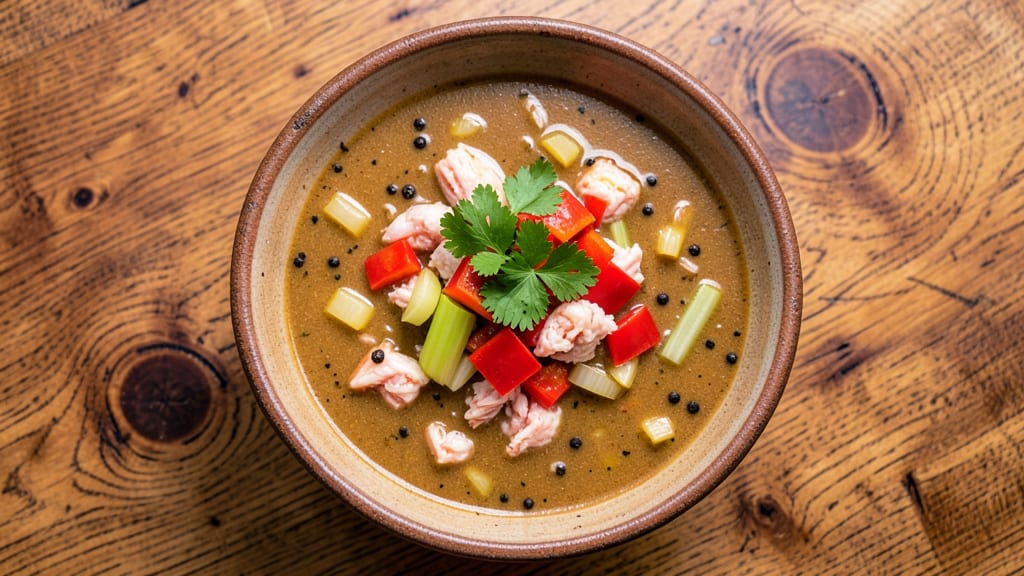
Creating an authentic crab gumbo soup recipe means mastering the balance of smoky roux, rich seafood, and bold Cajun spices—a dish that transports you to Louisiana with every spoonful.
The foundation lies in a deep, dark roux that carries layers of flavor, while the holy trinity of onions, bell peppers, and celery builds the aromatic base. This version keeps it seafood-forward, with sweet crab and shrimp delivering that briny, tender texture that defines true gumbo.
The secret to restaurant-quality gumbo starts with patience—letting the roux develop its signature nutty aroma before adding stock and spices. A proper roux takes time, but it’s worth it for that unmistakable depth.
We’ll thicken the broth naturally with okra or dumplings, ensuring a velvety consistency that clings to every bite. The Cajun seasoning blend delivers the right mix of heat and earthiness, while lemon juice brightens the dish at the end.
By the time you finish this recipe, you’ll have a steaming bowl of crab gumbo that’s thick, hearty, and packed with flavor—perfect for a cozy dinner or a festive gathering.
The soup’s rich aroma alone will have everyone gathering around the table, and the first bite delivers that perfect harmony of smoky, spicy, and briny notes. Serve it with warm cornbread to soak up every last drop of that flavorful broth.
This recipe is designed to be both authentic and approachable, making it ideal for home cooks looking to create a showstopping seafood dish. The instructions break down each step clearly, from building the roux to balancing the seasoning, so you can achieve professional results without the guesswork.
Whether you’re feeding a crowd or treating yourself to a special meal, this gumbo delivers the soul of Louisiana in every spoonful.
Ingredients for crab gumbo soup
Sixteen ingredients. One soulful bowl of Louisiana comfort—smoky, briny, and full of heart.
| Ingredient | Amount | Notes |
|---|---|---|
| All-Purpose Flour 🌾 | ½ cup | For deep, dark roux development |
| Unsalted Butter 🧈 | ½ cup | Full-fat for rich roux flavor |
| Yellow Onion 🧅 | 2 whole | Diced, medium-sized preferred |
| Green Bell Pepper 🍃 | 1 whole | Diced, any color works |
| Celery Stalks 🥬 | 3 whole | Diced, stringy parts removed |
| Garlic Cloves 🧄 | 4 cloves | Minced, fresh preferred |
| Cajun Seasoning 🌶️ | 2 tbsp | Homemade or trusted brand |
| Dried Okra Pods 🌱 | ¼ cup | Crumbled, for natural thickening |
| Fresh Shrimp 🦐 | 1 ½ lb | Peeled, deveined, tail-on |
| Lump Crabmeat 🦀 | 1 ½ lb | Sweet, backfin preferred |
| Chicken Stock 🍲 | 4 cups | Low-sodium, homemade preferred |
| Lemon Juice 🍋 | 2 tbsp | Freshly squeezed, brightens flavors |
| Green Onions 🧅 | ¼ cup | Sliced, for garnish |
| Sea Salt 🧂 | 1 ½ tsp | Adjust to taste |
| Black Pepper 🌶️ | ½ tsp | Freshly ground, enhances heat |
The roux is non-negotiable here. Butter and flour need constant stirring—no shortcuts. Trader Joe's has great unsalted butter for this, and look for all-purpose flour labeled 'bleached' for that classic gumbo color. The holy trinity (onion, bell pepper, celery) should be diced small and uniform—Costco sells pre-chopped veggie mixes if you're short on time. Fresh garlic makes all the difference, but jarred works in a pinch. For Cajun seasoning, Tony Chachere's is the gold standard, but any blend with paprika, cayenne, and thyme will do.
No shrimp? Scallops or mussels work beautifully—just adjust cooking time. Crabmeat too expensive? Chicken thighs add heartiness (use 2 lbs). The okra can be skipped if you prefer dumplings—just add 1 cup of biscuit dough at the end. For stock, low-sodium is key—homemade or Pacific Foods brand is my go-to. Lemon juice is your secret weapon—freshly squeezed cuts through the richness. And if you burn your roux? Start over. There's no coming back from a light roux in gumbo.
This soup tastes even better the next day—4-5 days in the fridge, 3 months frozen. I always double the batch because it disappears fast. Store with the okra/dumplings intact—they'll thicken the broth further as it sits. Garnish with green onions right before serving, and serve with cornbread to soak up every last drop. Leftovers reheat beautifully—just add a splash of water or stock if it gets too thick.
Why You'll Love This Recipe
- One-Pot Magic: I swear by this recipe—just a roux, the holy trinity (onion, bell pepper, celery), and crab. No extra pans, no fuss. The butter and flour create that rich, velvety base while you chop, so you’re not stuck stirring for hours.
- Crab’s Creamy Crunch: That first spoonful? Pure satisfaction. The crab adds a tender, briny pop against the deep, savory roux, while the bell pepper sneaks in a subtle sweetness. It’s like a hug in a bowl—salty, smoky, and just a little bit indulgent.
- Weeknight to Dinner Party: Honestly, this works everywhere. Toss it together on a Tuesday for a quick lunch, or double the batch for a Sunday gathering. The roux keeps it rich enough for company, but the simple ingredients keep it effortless. (Yes, even when your in-laws are over.)
- Leftovers That Don’t Suck: Between us, most gumbo gets better the next day. The flavors meld, the broth deepens, and you’ll find yourself reheating it for lunch because it’s that good. Plus, it freezes like a dream—just add a splash of water when reheating, and it’s like you made it fresh.
Step-by-step instructions for crab gumbo soup
Here's how to build that rich, smoky gumbo base and layer in sweet seafood for a soul-warming bowl.
Develop the Dark Roux Foundation
Melt the 0.5 cup unsalted butter in a heavy-bottomed pot over medium heat. As it foams, immediately whisk in the 0.5 cup all-purpose flour to form a paste. This is where your gumbo's depth begins.
Cook the roux constantly, stirring with a wooden spoon, until it turns a deep chocolate brown color—about 20-25 minutes. The aroma will be nutty and intense. Here's the thing: if it starts smoking, reduce the heat slightly but keep stirring. A perfect roux is the soul of gumbo, so don't rush this step.
Sauté the Holy Trinity Vegetables
Once your roux reaches that rich brown color, immediately add the diced yellow onion, green bell pepper, and celery stalks. Stir well to coat the vegetables in the roux, then reduce heat to medium-low. Cook for 8-10 minutes until the vegetables soften and release their flavors.
This is where the gumbo's classic trinity of flavors develops. You'll know it's ready when the vegetables are tender but still hold their shape. Add the minced garlic cloves and cook for another 30 seconds until fragrant. Here's what I do next: sprinkle in the 2 tablespoons cajun seasoning and stir to distribute evenly.
Build the Gumbo Base
Gradually pour in the 4 cups chicken stock while stirring continuously to prevent lumps from forming. Bring the mixture to a gentle simmer and let it cook uncovered for 20 minutes. This allows the flavors to meld and the roux to fully incorporate into the broth.
After 20 minutes, stir in the crumbled dried okra pods and the 1.5 teaspoons sea salt. The okra will begin to thicken the soup naturally as it simmers. Keep the heat at a gentle simmer—you're not looking for a rapid boil here. This step is about patience; let the flavors develop slowly.
Add the Seafood
Increase the heat to medium and add the 1.5 pounds fresh shrimp and 1.5 pounds lump crabmeat. Stir gently just to combine—you don't want to break up the crabmeat. Cook for 5-7 minutes until the shrimp turn pink and opaque. The crabmeat will cook quickly in the hot broth.
Here's where it gets good: stir in the 2 tablespoons lemon juice and the 0.5 teaspoon black pepper. The acidity brightens all those rich flavors, and the pepper adds a subtle heat. Taste and adjust the seasoning if needed—you might need a bit more salt to balance the seafood.
Finish and Serve
Remove the pot from heat and let the gumbo rest for 5 minutes. This resting period allows the flavors to fully meld together. Before serving, sprinkle the sliced green onions over each bowl. The fresh green onions add a bright contrast to the rich, smoky gumbo.
Serve immediately with crusty bread to soak up every last drop of that flavorful broth. The soup should be thick enough to coat the back of a spoon but still have a nice body. Each spoonful should deliver that perfect balance of smoky roux, sweet seafood, and the classic trinity of flavors.
Pro Tips For Making Crab Gumbo Soup
- Sweat the Holy Trinity: DESCRIPTION: Don’t rush the onion, bell pepper, and celery—cook them low and slow until the onion turns translucent and the veggies release their moisture. I used to rush this, and the whole gumbo tasted raw and dull. Take the extra 8-10 minutes, or the roux will fight you later.
- Whisk the Roux Like Your Life Depends on It: DESCRIPTION: Once you add the flour to the butter, stop stirring and let it cook undisturbed for 30 seconds. Then whisk like you’re trying to win a prize—this builds flavor and prevents burning. My first roux looked like a science experiment gone wrong because I kept moving the pan.
- Deglaze with Crab Stock, Not Water: DESCRIPTION: After browning the crab meat (if using), splash in a little crab stock instead of water to keep the soup rich. Water dilutes the flavor, and you’ll end up chasing salt and depth later. Even a splash makes a difference—trust me, I’ve done both.
- Season the Crab Last: DESCRIPTION: Add the crab meat and shellfish after the gumbo has simmered for at least 20 minutes. This keeps them tender and prevents them from turning rubbery. I learned this the hard way when my crab turned to mush—now I wait.
Serving suggestions for this recipe
Bread Pairings
Nothing beats warm, crusty bread to soak up that rich gumbo broth. I always serve this with homemade cornbread—its slight sweetness balances the smoky, spicy flavors beautifully. For a more traditional Louisiana touch, try French bread or crusty baguettes from your local bakery.
If you want to get fancy, johnnycakes (small, sweet cornmeal cakes) are a perfect match and add an extra layer of Southern comfort. 🥖
Side Dish Ideas
For a complete meal, serve your crab gumbo with a crisp green salad dressed with a light vinaigrette—something like arugula, cherry tomatoes, and cucumber with a splash of red wine vinegar.
The acidity cuts through the richness of the gumbo. Another great option is steamed asparagus with a sprinkle of lemon zest and toasted almonds for a touch of crunch. 🥗
Garnish Like a Pro
Fresh green onions are a must—slice them thin and sprinkle them over each bowl right before serving. For extra flair, add a pinch of filé powder (just a ¼ teaspoon per bowl) to thicken the gumbo slightly and add an earthy depth.
If you love heat, a dash of hot sauce or crushed red pepper flakes lets everyone customize their spice level. 🌿
Drink Pairings
A chilled Sazerac (New Orleans' signature cocktail) is the ultimate pairing—its herbal notes and citrusy finish complement the gumbo's smokiness. For non-alcoholic options, sweet tea with a splash of lemon or iced hibiscus tea adds a refreshing contrast.
If you prefer beer, a light lager like St. Pauli Girl keeps the palate clean. 🍹
Make It a Feast
Turn your gumbo into a full spread by adding collard greens (sautéed with garlic and vinegar) or shrimp and grits as a side. For dessert, beignets with a dusting of powdered sugar feel like a true New Orleans celebration.
The key is balancing rich, spicy, and sweet flavors throughout the meal. 🎉
Serving Containers
Serve gumbo in wide, shallow bowls to highlight its rustic texture and vibrant colors. For a rustic touch, use cast-iron skillets or ceramic bowls that can go straight from stove to table.
If you're serving a crowd, chafing dishes keep the gumbo warm and ready to ladle. Don’t forget to preheat your serving dishes—it keeps everything piping hot! 🍽️
Nutrition facts
Frequently asked questions
Can I make this crab gumbo without shrimp?
Swap the shrimp for 1.5 pounds of scallops or 12 ounces of mussels instead. Cook scallops for 3-4 minutes until opaque, and mussels for 5 minutes until they open. The key is maintaining the same seafood weight to keep the dish balanced.
How do I prevent my roux from burning?
Stir constantly with a wooden spoon over medium-low heat—never walk away! If it starts smoking, immediately reduce heat to low and keep stirring. A proper dark roux takes 20-25 minutes, but patience is key. If it burns, start fresh—there's no saving a burnt roux for gumbo.
Can I make this gumbo vegetarian?
Yes, but with adjustments! Replace the seafood with 1.5 cups of mushrooms (cremini or shiitake) and 1 cup of chickpeas. Boost umami with 1 tablespoon soy sauce or vegetable bouillon in the stock. For thickness, use 1 extra cup of crumbled okra or 2 tablespoons cornstarch mixed with water.
How long can I store leftovers?
Store in an airtight container in the fridge for 4-5 days or freeze for 3 months. Reheat gently on the stove, adding a splash of water or stock if it thickens too much. The flavors actually improve overnight!
What's the secret to balancing the flavors?
Taste as you go! The roux adds depth, seafood brings sweetness, and acidity (lemon juice) brightens it all. If it's too salty, add a splash of water. Too bland? A pinch more Cajun seasoning or a dash of hot sauce works wonders.