
Soups & Stews
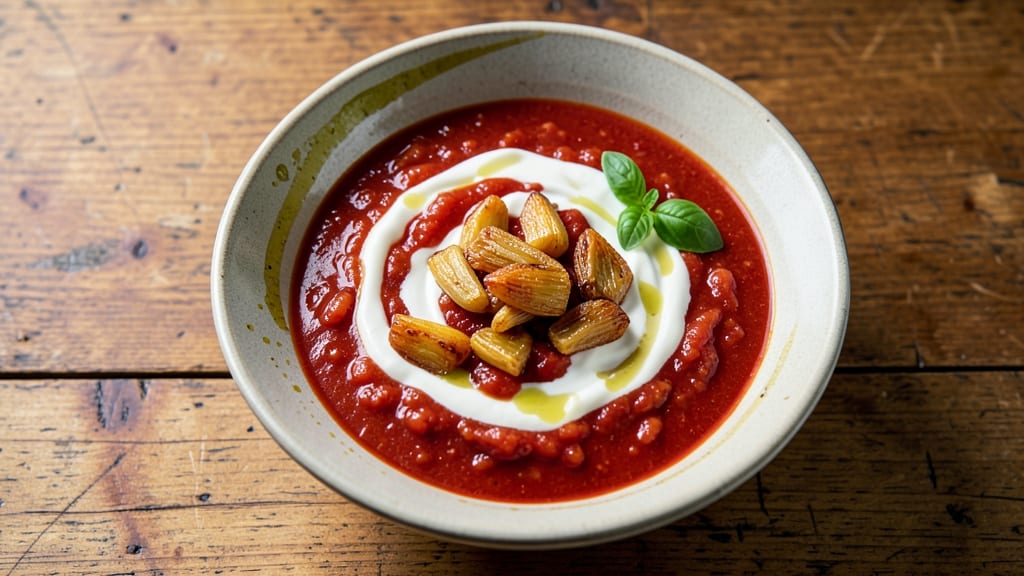
Creating a cream of tomato soup recipe with canned tomatoes proves that pantry staples can deliver restaurant-quality results without the fuss. The secret lies in balancing canned tomatoes with rich broth and dairy to achieve that signature velvety texture—no fresh tomatoes required.
I developed this method after realizing how often canned tomatoes were overlooked in soup recipes, despite their concentrated flavor potential.
This recipe transforms simple ingredients into a smooth, creamy soup with just 15 minutes of active prep and 30 minutes of simmering. The key steps involve blending the tomatoes until silky, then slowly building depth with broth and cream, ensuring no lumps or bitterness remain.
Seasoning with herbs and spices at the right moments creates that complex, comforting flavor profile that makes this soup a versatile condiment or standalone meal.
What you'll end up with is a velvety, deeply savory soup that's rich enough to stand alone but flexible enough to pair with grilled cheese, roasted meats, or crusty bread. The texture is impossibly smooth, with just enough acidity from the tomatoes to balance the creaminess.
This is the kind of soup that transforms ordinary weeknights into cozy, satisfying experiences—all from ingredients you likely already have on hand.
Perfect for meal prep, holiday gatherings, or quick weeknight dinners, this recipe scales effortlessly while maintaining its velvety perfection. Once you taste the difference between this and store-bought versions, you'll never go back. Let's get cooking—your pantry just became your soup kitchen.
Ingredients for cream of tomato soup recipe with canned tomatoes
Pantry staples that transform into velvety perfection—no fresh tomatoes needed.
| Ingredient | Amount | Notes |
|---|---|---|
| Canned San Marzano Tomatoes 🍅 | 2 cans | 28 oz each, crushed by hand |
| Vegetable Broth 💧 | 3 cups | Low-sodium preferred, homemade or store-bought |
| Heavy Cream 🥛 | 1 cup | Full-fat for richest texture |
| Extra-Virgin Olive Oil 🫒 | ¼ cup | For blending and finishing |
| Yellow Onion 🧅 | 1 whole | Medium, diced small |
| Garlic Cloves 🧄 | 4 cloves | Peeled, for depth of flavor |
| Fresh Thyme Sprigs 🌿 | 2 sprigs | Or 1 tsp dried thyme |
| Diamond Crystal Kosher Salt 🧂 | 1 tsp | Adjust to taste |
| Ground Black Pepper 🌶️ | ½ tsp | Freshly cracked for heat |
| Granulated Sugar 🍚 | 1 tbsp | Balances acidity |
San Marzano tomatoes are the star here—look for the 28 oz cans at Whole Foods or Trader Joe's for that signature sweetness. The vegetable broth should be low-sodium; Pacific Foods or Imagine brands are my go-tos for clean flavor. Heavy cream is non-negotiable for that restaurant-quality richness, but half-and-half works in a pinch. Fresh thyme sprigs add complexity—dried is fine if you're short on time, but fresh is worth hunting down at the market. The garlic and onion are your flavor anchors; don't skip browning them first—that's where the depth happens.
No San Marzano tomatoes? Any high-quality canned tomatoes work—just taste first and adjust sugar accordingly. Swap the heavy cream for coconut cream for a dairy-free option, though the texture will be slightly lighter. Short on fresh thyme? Dried thyme at one-third the amount gets you close, but add a pinch of basil for brightness. The sugar balances acidity—reduce to 1 tsp if your tomatoes are already sweet. For extra richness, stir in 1 tbsp tomato paste at the end. And if you're using store-bought broth, always taste and adjust salt—some brands are shockingly salty.
This soup keeps beautifully—3-4 days in the fridge or 3 months frozen. For freezing, portion into glass jars or airtight containers with a thin layer of olive oil on top to preserve freshness. Reheat gently on the stove, stirring often, and add a splash of broth if it thickens too much. Leftovers? Double the batch and freeze half—trust me, you'll thank yourself later. The flavor actually improves after a day or two as everything melds together.
Why You'll Love This Recipe
- I’ll be real: I make this on Tuesdays when I’m exhausted, and it’s also my go-to for game-day appetizers. Freeze half for later—it reheats like it’s fresh, and the cream stays smooth as silk.
- No-Fuss Creaminess: Honestly, the heavy cream here doesn’t curdle or separate—just blends right into that rich, velvety texture. You’re basically getting restaurant-quality soup with one can of tomatoes and a splash of broth.
- San Marzano Magic: Those little San Marzano tomatoes? They’re the secret. The natural sweetness balances the acidity perfectly, and the cream just hugs that depth like it’s been waiting for it. Trust me, store-bought canned tomato soup doesn’t hold a candle.
- Weeknight & Week-Ahead: I’ll be real: I make this on Tuesdays when I’m exhausted, and it’s also my go-to for game-day appetizers. Freeze half for later—it reheats like it’s fresh, and the cream stays smooth as silk.
Step-by-step instructions for cream of tomato soup
Here's how to build a silky tomato soup using pantry staples—no fancy techniques required.
Sauté Onion and Garlic Until Translucent
Heat the 0.25 cup extra-virgin olive oil in a large pot over medium heat. Add the diced yellow onion and cook for 6-8 minutes until soft and translucent, stirring occasionally. This foundational step develops sweetness that balances the acidity of the tomatoes.
Add the 4 peeled garlic cloves and 2 sprigs fresh thyme to the pot. Cook for another 1-2 minutes until the garlic is fragrant but not browned—this prevents bitterness. Here's the thing: if you let the garlic color, it'll overpower the delicate tomato flavor. Keep the heat steady and stir frequently.
Build the Tomato Base with Broth and Sugar
Pour in the 2 cans crushed San Marzano tomatoes and stir to combine with the onion mixture. Let it simmer uncovered for 5 minutes to allow the raw flavors to meld. The tomatoes will release their natural juices, creating a vibrant foundation.
Add the 3 cups vegetable broth and 1 tbsp granulated sugar, then bring the mixture to a gentle boil. Reduce heat to medium-low and simmer uncovered for 10 minutes. This step reduces the liquid slightly and deepens the tomato flavor. Skim off any foam that rises to the surface—it's mostly starch and can make the soup cloudy.
Blend Until Silky Smooth
Use an immersion blender to purée the soup directly in the pot until completely smooth. For best results, blend in batches if needed—this ensures you capture every last bit of flavor. If you prefer using a countertop blender, carefully transfer the hot mixture (in batches) to the blender, then return it to the pot.
Real talk: the texture should be velvety, almost like a thick cream. If it's too thick after blending, whisk in 1-2 tablespoons of hot broth to reach your desired consistency. The soup should coat the back of a spoon but still be pourable.
Finish with Cream and Season
Return the pot to medium heat and slowly whisk in the 1 cup heavy cream. Heat gently for 3-4 minutes—just until warmed through. The cream should melt smoothly into the soup without curdling. If you see any lumps forming, whisk vigorously or strain the soup through a fine-mesh sieve.
Season with 1 tsp diamond crystal kosher salt and 0.5 tsp ground black pepper. Taste and adjust the seasoning—you might need a touch more salt to balance the acidity, especially if you used low-sodium broth. Let the soup simmer for another 2 minutes to let the flavors fully integrate.
Rest and Serve Warm
Remove the pot from heat and let the soup rest for 5 minutes. This allows the flavors to settle and the cream to fully incorporate. The soup will thicken slightly as it cools, so don't worry if it looks perfect right away.
Ladle the soup into bowls and garnish with a drizzle of extra-virgin olive oil and a sprinkle of freshly cracked black pepper. Serve immediately with crusty bread or grilled cheese for the ultimate comfort experience. The contrast of textures and temperatures makes this soup truly special.
Pro Tips For Making Cream Of Tomato Soup Recipe With Canned Tomatoes
- Crush Those Tomatoes: Don’t just dump the canned tomatoes straight in—mash them with a wooden spoon first. The texture changes everything: you’ll get a silkier soup instead of chunks floating around, and the natural sweetness of San Marzanos shines through without needing extra sugar.
- Sweat the Onion Low: Cook the onion in olive oil on medium-low heat until it’s translucent but not browned. I learned this the hard way—burning it turns the soup bitter, and no amount of cream can fix that. Patience here makes the whole dish taste richer.
- Strain for Smoothness: After simmering the tomatoes and broth, strain the mixture through a fine-mesh sieve. Yes, it takes 2 extra minutes, but the result is a velvety soup where the cream blends in instead of separating. (Your future self will thank you.)
- Balance the Cream: Add the heavy cream last—after the soup has simmered and you’ve tasted it—and only a splash at first. Too much too soon makes the soup cloying; start with ¼ cup, adjust to taste, and finish with a drizzle of olive oil for brightness.
Pro cooking tips for this dish
Silky Blending Secrets
An immersion blender is my go-to tool for this recipe because it keeps everything contained and prevents messy transfers. I blend directly in the pot for 30-45 seconds until completely smooth, making sure to scrape the bottom and sides to capture every last bit of flavor.
For an even silkier texture, strain the blended soup through a fine-mesh sieve—this removes any remaining skin or pulp that could make the final product grainy. 💫
Preventing Curdled Cream
The key to avoiding curdled cream is temperature control. Always warm the cream separately over low heat for 1-2 minutes before whisking it into the soup. I also recommend whisking continuously as you pour to create tiny air pockets that help the cream emulsify smoothly.
If lumps appear, immediately whisk vigorously or strain through a cheesecloth-lined sieve to salvage the texture.
Balancing Acid and Sweetness
The 1 tbsp sugar in this recipe is crucial for balancing the natural acidity of canned tomatoes. Taste your tomatoes before adding sugar—if they're particularly sweet (like San Marzano), you might only need ½ tsp.
For extra depth, add ½ tsp balsamic vinegar at the end—it enhances the umami without overpowering. The goal is a harmonious blend where neither acidity nor sweetness dominates.
Low-Temp Simmering
Never let your soup boil vigorously after adding cream. Maintain a gentle simmer at medium-low heat (around 180-190°F) to prevent the cream from breaking. I use a candy thermometer to monitor the temperature—this ensures the soup stays just below the boiling point.
The cream should warm through in 3-4 minutes without curdling. 🌡️
Herb Infusion Hacks
For maximum herb flavor, add thyme sprigs during the initial onion sauté, then remove them before blending. If using dried thyme, toast it lightly in the pot for 30 seconds to release its essential oils.
For a fresh twist, stir in 1 tbsp fresh basil at the very end—it adds a bright, aromatic note that complements the creaminess. I also like adding ½ tsp smoked paprika for a subtle smoky depth.
Texture Troubleshooting
If your soup turns out too thick after blending, whisk in 1-2 tbsp hot broth to loosen it. For a thicker consistency, simmer uncovered for 5-10 minutes to reduce the liquid. The ideal texture should be velvety but still pourable—like heavy cream.
If you prefer a thinner soup, add broth gradually until you reach the desired consistency. Always taste as you go to avoid over-adjusting.
Nutrition facts
Frequently asked questions
Can I make this soup without heavy cream?
For a lighter version, use ½ cup coconut cream or ½ cup Greek yogurt for tangy richness. For a dairy-free option, try ½ cup cashew cream (blend soaked cashews with water) or ¼ cup nutritional yeast for umami depth. The texture will be slightly thinner but still velvety.
Why does my tomato soup turn out cloudy?
Cloudiness usually means unblended tomato pulp or starch from the broth. For a smoother result, strain the blended soup through a fine-mesh sieve after blending. Also, skim off any foam that forms during simmering—it contains starch that can make the soup look cloudy.
How can I make this soup spicier?
Add ½ tsp red pepper flakes during the onion sauté or 1 tsp hot sauce at the end. For smoky heat, stir in ½ tsp smoked paprika> with the thyme. If you love chili, blend in 1-2 chipotle peppers in adobo (adjust to taste). Always taste as you go!
Can I use tomato paste instead of canned tomatoes?
Yes, but the flavor will be more concentrated. Replace the 2 cans tomatoes with ¼ cup tomato paste> mixed with 2 cups water>. Simmer longer (15-20 minutes) to develop flavor. For depth, add 1 tsp balsamic vinegar> or a pinch of sugar to balance intensity.
Is this soup kid-friendly?
Mostly! Skip the garlic and reduce salt to ½ tsp>. For extra kid appeal, blend in ½ cup pureed butternut squash> or serve with toasted bread cubes>. The creamy texture is usually a hit, but always check for dairy allergies if serving others.