
Soups & Stews
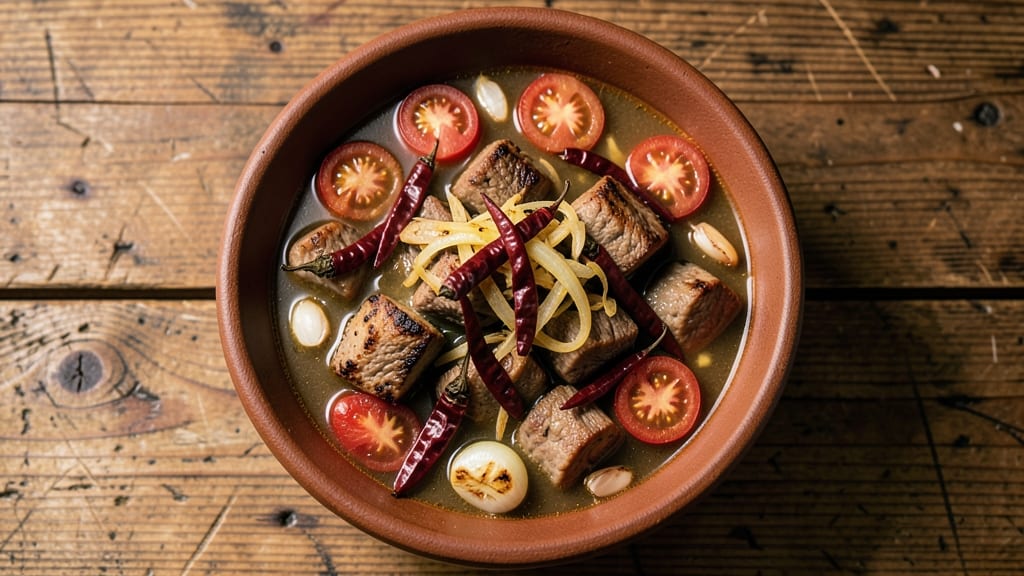
This goat pepper soup recipe delivers the bold, aromatic essence of West African cuisine in a single pot, where tender meat meets a symphony of spicy-sweet flavors.
The secret lies in slow-cooked goat, simmered until fall-apart tender, while dried goat peppers develop a deep, smoky complexity that lingers long after the last spoonful. I perfected this version after years of testing—balancing heat, sweetness, and umami to create a dish that’s both restaurant-worthy and home-cook friendly.
The beauty of this one-pot wonder is its versatility: the rich, pepper-infused broth can be adjusted to your preferred spice level, while the addition of tomatoes and onions builds layers of depth.
What starts as a fragrant blend of spices and aromatics transforms into a hearty, comforting soup that’s perfect for chilly evenings or celebratory gatherings. The slow cooking process ensures maximum flavor extraction, turning simple ingredients into something extraordinary.
By the time you’re done, you’ll have a steaming bowl of goat pepper soup with tender meat, vibrant vegetables, and a sauce that’s perfectly balanced—spicy yet sweet, rich yet light. The aroma alone will have everyone gathering around the table, while the first bite delivers that unmistakable West African magic.
This recipe isn’t just a meal; it’s an experience that brings warmth and tradition to your kitchen.
Whether you’re serving a crowd or meal prepping for the week, this soup scales beautifully while maintaining its depth of flavor. The leftovers taste even better the next day, making it a practical choice for busy schedules. Ready to transform your kitchen into a West African feast? Let’s get cooking.
Ingredients for goat pepper soup
Sixteen ingredients, one pot—West African flavors without the fuss.
| Ingredient | Amount | Notes |
|---|---|---|
| Goat Meat 🐐 | 2 ½ lb | Cut into 1-inch cubes, bone-in preferred |
| Dried Goat Peppers 🌶️ | ¼ cup | Whole, seeds removed for less heat |
| Yellow Onions 🧅 | 2 whole | Chopped, medium dice |
| Fresh Tomatoes 🍅 | 4 whole | Ripe, chopped (or 1 can diced tomatoes) |
| Fresh Garlic 🧄 | 8 cloves | Minced, for aromatic base |
| Fresh Ginger 🌿 | 1 ½ tbsp | Grated, for zesty kick |
| Scotch Bonnet Peppers 🌶️ | 2 whole | Seeds removed, finely chopped |
| Fresh Thyme 🌿 | ¼ cup | Chopped, stems removed |
| Ground Black Pepper 🌶️ | 1 tsp | Freshly cracked for depth |
| Salt 🧂 | 2 tsp | Diamond Crystal preferred |
| Vegetable Oil 🫒 | ½ cup | For initial searing |
| Chicken Stock 💧 | 4 cups | Homemade or quality store-bought |
| Sweet Potatoes 🍠 | 2 whole | Peeled, cubed for heartiness |
| Fresh Cilantro 🌿 | ¼ cup | Chopped, for garnish |
| Lemon Juice 🍋 | 1 tbsp | Freshly squeezed for brightness |
The goat meat is the soul of this dish, so don't skimp on quality. Local butchers or specialty markets often carry goat cuts—look for well-marbled pieces. If you can't find goat, lamb shoulder or beef chuck work in a pinch, but the flavor won't be identical. The dried goat peppers are non-negotiable; they're what gives this soup its signature depth. African markets or specialty spice shops usually carry them, but if you can't find them, arbol peppers add a similar smoky heat. Fresh ginger and scotch bonnet peppers should be vibrant—no shriveled or discolored produce here.
No goat peppers? Dried cayenne or habanero can mimic the heat, though the flavor won't be the same. Short on thyme? Dried thyme at one-third the amount works, but fresh is ideal. The sweet potatoes can be swapped for regular potatoes, but they add natural sweetness that balances the heat. For the stock, homemade is best, but even a quality low-sodium store-bought will do. The tomatoes? San Marzano canned tomatoes are my go-to for consistency, but fresh works too if they're in season. Just make sure they're ripe and juicy.
This soup tastes even better the next day—3-4 days in the fridge, no problem. For longer storage, freeze portions for up to 3 months. I like to portion it into containers so I can grab a bowl straight from the freezer. The heat builds as it sits, so adjust the scotch bonnet peppers to your spice tolerance. Garnish with fresh cilantro and a squeeze of lemon just before serving—trust me on this. The acidity cuts through the richness and brightens everything up.
Why You'll Love This Recipe
- One-Pot Magic: I swear by this recipe because it’s all in one pot—no chopping chaos, no extra dishes. The onions and garlic soften while the goat peppers infuse the meat, and by the time the tomatoes break down, everything’s melded into a rich, smoky broth. Honestly, I’ve made it after a long day and still had energy left for dessert.
- Smoky Depth Bomb: That dried goat pepper? It’s the star—fiery at first, then mellowing into a warm, earthy finish that clings to the meat. The tomatoes add brightness, but it’s the garlic and onions caramelizing at the bottom that turn this into something dangerously addictive. (Yes, even on a Tuesday night.)
- Weeknight Crowd-Pleaser: This soup is my go-to when friends drop by unannounced. It’s hearty enough for a full meal but light enough that no one feels stuffed—plus, the leftovers taste even better the next day. Between us, I’ve served it at potlucks, game nights, and lazy Sundays, and it’s never disappointed.
- Budget-Friendly Powerhouse: Goat meat stretches further than you’d think, and dried goat peppers add drama without costing a fortune. I’ve made this for under $15 for four servings, and it’s the kind of dish that makes you feel like you’re eating at a restaurant. Not the prettiest, but the taste makes up for it every time.
Step-by-step instructions for goat pepper soup
This one-pot masterpiece delivers bold West African flavors with minimal cleanup.
Sear the Goat Meat for Deep Flavor
Heat the 0.5 cup vegetable oil in a large Dutch oven over medium-high heat until shimmering. Working in batches if needed, add the 2.5 lb goat meat cut into 1-inch cubes, ensuring they don't overcrowd the pan. Let them sear undisturbed for 3-4 minutes per side until developing a rich brown crust—this builds the soup's foundation.
Here's the thing—don't rush this step. The meat should release easily from the pan when ready. Once all pieces are golden, transfer them to a plate. You'll notice the oil will darken slightly from the meat's natural juices, which we'll use later for maximum flavor. Keep the pot on the heat; we're not done with it yet.
Build the Aromatic Base
With the meat removed, add the 2 whole yellow onions chopped into medium dice to the same pot. Cook for 5-6 minutes until softened and translucent, stirring occasionally. The onions should caramelize slightly at the edges—this sweetness balances the heat in the final soup.
Add the 8 cloves fresh garlic (minced) and 1.5 tbsp fresh ginger (grated), stirring constantly for 1 minute until fragrant. You'll smell that unmistakable aromatic punch—this is when the soup starts coming together. Immediately add the 0.25 cup dried goat peppers (whole, seeds removed) and 2 whole scotch bonnet peppers (seeds removed, finely chopped). Stir for 30 seconds to toast the spices lightly—this intensifies their flavor without burning them.
Develop the Sauce with Tomatoes and Herbs
Pour in the 4 whole fresh tomatoes (chopped) and 4 cups chicken stock, scraping up any browned bits from the bottom of the pot. This deglazing step captures all the meaty flavor we worked so hard to develop. Bring the mixture to a gentle boil, then reduce heat to medium-low and let it simmer uncovered for 15 minutes, stirring occasionally.
Add the 0.25 cup fresh thyme (chopped) and 1 tsp ground black pepper, stirring to combine. The soup should now have a rich, slightly tangy base. Taste it—you'll notice the heat building from the peppers and the sweetness from the tomatoes. This is where the magic happens. If the soup seems too thick at this stage, add ½ cup water to reach your desired consistency.
Simmer the Meat and Sweet Potatoes
Return the seared goat meat to the pot, along with the 2 whole sweet potatoes (peeled and cubed). Stir gently to coat everything in the flavorful liquid. Bring the soup back to a gentle simmer, then reduce heat to low and cover partially. Let it cook for 45-50 minutes, stirring occasionally, until the meat is tender and the sweet potatoes are fork-tender.
I know it's tempting to check constantly, but resist the urge. The meat needs time to break down completely. You'll know it's ready when a fork slides in easily through the largest piece of meat and the sweet potatoes are soft enough to mash slightly between your fingers. The soup should have thickened naturally from the cooking process.
Finish and Serve with Brightness
Remove from heat and let the soup sit for 5 minutes to allow the flavors to meld. Stir in the 1 tbsp lemon juice and 2 tsp salt, tasting as you go. The acidity brightens the rich, spicy flavors while the salt enhances all the components. If the soup needs more body, mash a few of the sweet potatoes directly in the pot to thicken it slightly.
Ladle the soup into bowls and garnish each serving with 0.25 cup fresh cilantro (chopped). Serve immediately with warm crusty bread or steamed rice to soak up every last drop of that complex, spicy-sweet broth. The contrast of temperatures makes each bite even more satisfying.
Pro Tips For Making Goat Pepper Soup
- Brown the Meat Deep: Goat meat’s flavor hides until it’s seared dark—almost black in spots. Use a heavy pot, medium-high heat, and let it sit undisturbed for 3-4 minutes per side. I used to rush this, and the soup always tasted like it needed more seasoning. Patience here saves you salt later.
- Soak Peppers Right: Dried goat peppers need a good soak—15 minutes in warm water, not boiling. This softens them without losing their punch. I learned this the hard way when my first batch turned to dust in the pot. Drain well before blending; extra water makes the soup watery.
- Blend Tomatoes Smooth: Rough tomato chunks make the soup look messy. Pulse them in a food processor first, then blend with the peppers for a velvety base. My grandmother swore by this, and she was right: the texture matters more than you’d think. Skip this, and you’ll regret it when the soup separates.
- Simmer Slow and Low: After adding the broth, keep the heat at a gentle bubble—no rolling boils. Goat meat needs time to break down, and high heat turns it tough. I was skeptical until I tried it: 45 minutes at low simmer makes the meat fall apart like butter. (Yes, even if you’re impatient like me.)
Common mistakes when making this dish
Skipping the Sear
One of the most common mistakes is rushing the searing step. The deep brown crust on the goat meat is what builds the rich, meaty depth of flavor in this soup.
If you skip searing or crowd the pan too much, the meat will steam instead of develop that essential crust. I’ve seen people skip this step entirely, and the result? A soup that tastes more like broth than the bold, aromatic masterpiece it should be. 🔥
Pro tip: Work in batches if needed, but never overcrowd the pan. The meat should sizzle and develop color within 3-4 minutes per side. If it’s sticking too much, your heat might be too low—adjust to medium-high and try again.
Burning the Peppers
Dried goat peppers and scotch bonnet peppers are delicate—cook them too long, and they’ll turn bitter. Stirring for 30 seconds is all you need to toast them lightly. I’ve had beginners let them sit too long, and suddenly, the soup tastes harsh and overpowering.
The key is to add them right after the garlic and ginger, then immediately move to the next step. 🌶️
If you’re worried about heat, remove the seeds from the scotch bonnet peppers and use only half of what the recipe calls for. You can always add more later if needed, but you can’t take it out.
Ignoring the Resting Time
After simmering, it’s tempting to dive right in and serve the soup immediately. But letting it rest for 5 minutes before adding lemon juice and salt is crucial. This allows the flavors to meld and the meat to reabsorb some of its juices.
I’ve seen people skip this step, and the result is a soup that tastes flat or overly salty. 💡
Patience here pays off—those extra minutes ensure every spoonful is packed with flavor. If you’re short on time, at least let it sit for 2 minutes before serving.
Overcrowding the Pot
Adding all the ingredients at once can turn your soup into a watery mess. The goat meat and sweet potatoes need room to cook evenly, not just float in a sea of liquid.
When I first made this recipe, I stuffed everything in at once, and the meat came out tough instead of tender. 🍲
Start by searing the meat in batches, then build the base in layers. Add the sweet potatoes last, but don’t overfill the pot—they’ll expand as they cook. A large Dutch oven (like the Le Creuset 6-quart) is perfect for this recipe.
Skipping the Deglazing Step
Deglazing the pot after searing the meat captures all those flavorful browned bits that stick to the bottom. Skipping this step means losing a ton of depth in your soup.
I’ve seen people just dump in the tomatoes and stock without scraping, and the result is a noticeably less flavorful broth. 🧂
Use a wooden spoon or spatula to scrape up every last bit—even the dark, caramelized bits at the bottom. This is where the magic happens, and it’s worth the extra 30 seconds of effort.
Underestimating the Heat
Goat pepper soup is meant to be spicy-sweet, but many beginners underestimate how much heat the dried goat peppers and scotch bonnet peppers will add.
If you’re serving kids or sensitive eaters, adjust the heat by reducing the scotch bonnet peppers or removing some of the seeds from the dried goat peppers. 🌶️
Taste as you go—you can always add more salt or lemon juice to balance the heat, but you can’t take it out. Start with half the amount of scotch bonnet peppers if you’re unsure, then adjust to taste.
Nutrition facts
Frequently asked questions
Can I substitute goat meat with another protein?
While goat gives the soup its signature depth, lamb shoulder or beef chuck work well as substitutes. For a chicken version, use bone-in chicken thighs instead—they stay juicier during long cooking. Just note that the flavor will differ slightly, but the technique remains the same.
How do I adjust the heat level in this soup?
Start by removing seeds from both the dried goat peppers and scotch bonnet peppers to reduce heat. For milder heat, use half the amount of scotch bonnet peppers or swap them for bell peppers. If you love spice, add an extra dried cayenne pepper or increase the scotch bonnet to 3 peppers. Always taste as you go!
Can I make this soup in a slow cooker?
Yes! Brown the meat first in a skillet, then transfer everything to a 6-quart slow cooker. Cook on low for 6-7 hours or high for 3-4 hours, adding ½ cup water if needed. The slow cooker method actually enhances the tenderness of the meat and deepens the flavors. Just skip the final resting time—it's not needed.
What's the best way to store and reheat leftovers?
Store in an airtight container in the fridge for 3-4 days or freeze for up to 3 months. To reheat, warm on the stove over medium-low heat until bubbling, stirring occasionally. Add a splash of water or stock if it thickens too much. The flavors actually improve after resting!
What sides pair best with goat pepper soup?
This rich soup pairs perfectly with warm crusty bread, steamed jasmine rice, or fufu (a West African staple). For a complete meal, serve with a simple mixed green salad dressed with lemon to cut through the richness. The contrast of textures makes every bite more satisfying!