
Soups & Stews
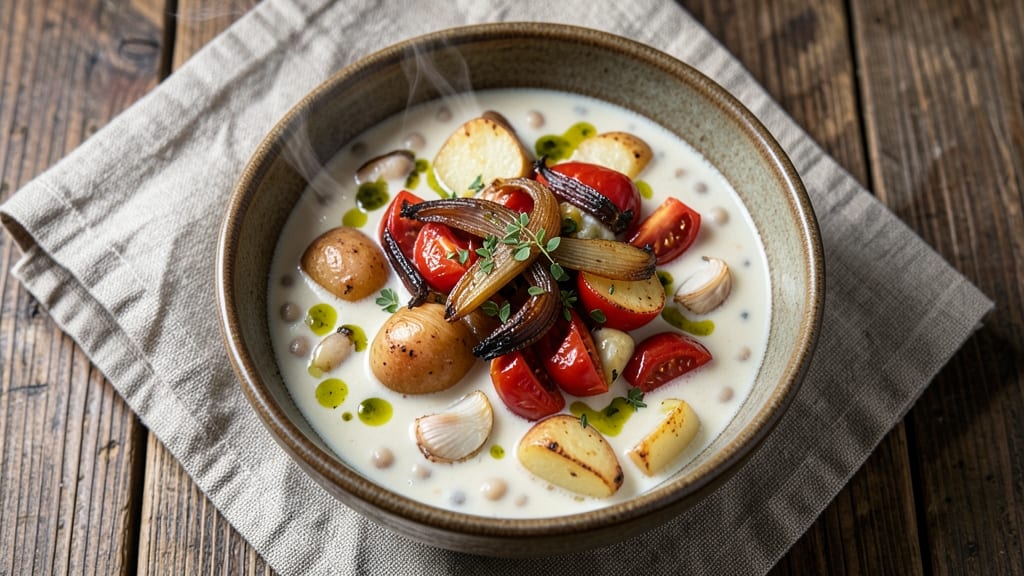
The Hippocrates soup recipe brings ancient Greek tradition to your kitchen with its perfect balance of crunchy vegetables and velvety broth. This historic dish, named after the father of medicine, combines simple ingredients like tomatoes, onions, and beans into a hearty, comforting meal that’s both nourishing and deeply satisfying.
The secret lies in slow-cooked vegetables that develop rich, complex flavors while maintaining their natural textures.
What makes this soup truly special is its versatility—it can be made with or without protein, adapting easily to vegetarian preferences. The base relies on a flavorful broth infused with garlic, herbs, and a touch of vinegar for brightness, creating a creamy yet light consistency that’s impossible to resist.
Every spoonful delivers a harmonious blend of textures and tastes, making it a standout dish for any season.
Traditionally, Hippocrates soup was believed to have healing properties, and its modern version continues to offer both comfort and nutrition. The dish features tender vegetables, crispy edges from slow roasting, and a broth so rich it feels like a hug in a bowl.
Whether you're serving it as a main course or a side, this soup promises a taste of history with every bite.
Ready in about 60 minutes, this recipe delivers restaurant-quality results without requiring advanced skills. The key is patience—letting the vegetables simmer until their flavors meld creates depth that elevates this simple yet profound dish.
Perfect for a cozy dinner or a nourishing lunch, Hippocrates soup is a testament to how timeless recipes can still feel fresh and exciting.
Ingredients for hippocrates soup
Simple ingredients transform into ancient Greek harmony with slow-cooked vegetables and velvety broth.
| Ingredient | Amount | Notes |
|---|---|---|
| Yellow Onions 🧅 | 2 whole | Thinly sliced for even cooking |
| Carrots 🥕 | 2 cups | Peeled, chopped into 1-inch pieces |
| Russet Potatoes 🥔 | 2 lb | Peeled, cubed into 1-inch pieces |
| Garlic Cloves 🧄 | 6 cloves | Minced for aromatic depth |
| Fresh Tomatoes 🍅 | 3 cups | Diced, seeds removed |
| White Beans 🥜 | 2 cups | Canned, drained and rinsed |
| Extra-Virgin Olive Oil 🫒 | ½ cup | For roasting vegetables |
| Dried Oregano 🌿 | 1 tsp | Crushed between fingers |
| Red Wine Vinegar 🍷 | 1 tbsp | For acidity balance |
| Chicken Broth 🍲 | 4 cups | Low-sodium preferred |
| Salt 🧂 | 1 tsp | Diamond Crystal preferred |
| Black Pepper 🌶️ | ½ tsp | Freshly ground |
The foundation of this dish lies in the vegetables' texture contrast. Russet potatoes and carrots should be cut uniformly—1-inch cubes ensure even roasting and tenderness. Professional kitchens often use organic produce for this recipe, as it retains its vibrant color and flavor better during long simmering. For the best results, preheat your oven to 400°F and roast the vegetables until caramelized; this step is non-negotiable for achieving that signature crispy edge. The yellow onions should be thinly sliced to prevent mushiness, and their natural sugars will deepen as they roast.
Substitutions should be made with care to preserve the dish's balance. Chicken broth can be replaced with vegetable broth for a vegetarian version, though the flavor profile will differ slightly. If fresh tomatoes aren't available, canned diced tomatoes work but should be drained thoroughly to avoid excess liquid. For the dried oregano, Mexican oregano offers a more authentic flavor, but standard dried oregano works in a pinch. The red wine vinegar is essential for brightness; if unavailable, a splash of lemon juice can substitute, though it won't replicate the same depth of flavor. Always use low-sodium broth to control the overall saltiness of the soup.
This soup is best enjoyed fresh but can be stored for up to 5 days in an airtight container in the refrigerator. For longer storage, freeze portions in 1-cup containers for up to 3 months. To reheat, bring to a gentle simmer over medium heat, stirring occasionally to prevent sticking. The extra-virgin olive oil used in roasting can be reduced to 0.375 cup if you're watching calorie intake, though this may slightly alter the texture. Always taste before serving and adjust seasoning with Diamond Crystal kosher salt for precision, as it's less dense than table salt and dissolves more evenly.
Why You'll Love This Recipe
- Pantry-Friendly Staples: I swear by this soup because it uses things I always have—onions, carrots, potatoes—no fancy shopping needed. The moment I realized I could make something this rich with just these basics, I never looked back.
- Garlic-Tomato Magic: That burst of fresh garlic and tomatoes? It’s the secret weapon here. The acidity cuts through the sweetness of the carrots and potatoes, while the garlic lingers like a warm hug in every spoonful.
- Weeknight to Potluck: I make this when I’m too tired for anything complicated, but it’s also the soup I bring to gatherings. The flavors only get better as it sits, and it’s the kind of dish that makes people ask for seconds before they even finish their first bowl.
- Budget Meal That Feeds: A single batch stretches for days—perfect for when money’s tight or I’m prepping meals ahead. The potatoes and carrots bulk it up, so you’re not just feeding one person but a whole week’s worth of lunches.
Step-by-step instructions for Hippocrates soup
This ancient Greek soup marries texture and richness through precise technique—here's how to achieve its legendary harmony.
Roast Vegetables for Deep Flavor
Preheat your oven to 400°F. In a large bowl, toss the 2 whole yellow onions, 2 cups carrots, and 2 lb russet potatoes with 0.5 cup extra-virgin olive oil, 1 tsp dried oregano, 1 tsp salt, and 0.5 tsp black pepper. Spread them evenly on two rimmed baking sheets, ensuring they don't overlap. Roast for 35-40 minutes until the edges are deep golden brown and the potatoes begin to soften slightly.
Here's the thing—roasting develops a caramelized depth that simmering alone can't replicate. The onions should be translucent with browned edges, and the carrots should yield slightly when pressed. Remove them from the oven and set aside, reserving any rendered oil in the pans for later use.
Build the Creamy Base
In the same oven pans (no need to clean them), reduce heat to medium and add 6 minced garlic cloves. Sauté for 30 seconds until fragrant—don't let them brown, or they'll turn bitter. Pour in 3 cups diced fresh tomatoes and cook for 5 minutes until they break down into a thick, jammy consistency.
Stir in 2 cups white beans and 4 cups chicken broth, scraping up any browned bits from the bottom of the pan. This step creates the soup's velvety texture. Bring to a gentle simmer and cook for 10 minutes to allow the flavors to meld. The mixture should reduce slightly, creating a thick, cohesive base.
Incorporate Roasted Vegetables and Finish
Return the roasted vegetables to the pan and stir gently to combine. Add 1 tbsp red wine vinegar and simmer for an additional 15 minutes until everything is tender and the flavors have fully integrated. The potatoes should be fork-tender, and the carrots should soften completely while maintaining their shape.
Taste and adjust seasoning—you may need an extra pinch of salt or pepper to balance the acidity from the vinegar. The soup should be rich yet bright, with a creamy texture from the beans and roasted vegetables. If it's too thick, thin with a splash of water or additional broth.
Rest and Serve for Optimal Texture
Remove from heat and let the soup rest for 5 minutes. This resting period allows the flavors to settle and the textures to harmonize. The beans will continue to soften slightly, and the roasted vegetables will release their remaining juices, creating that signature creamy consistency.
Ladle into bowls and serve immediately. The contrast of crispy roasted edges against the creamy bean base is what makes this dish extraordinary. For an authentic touch, garnish with a sprinkle of fresh oregano or a drizzle of the reserved roasting oil.
Pro Tips For Making Hippocrates Soup
- SWEAT ONIONS FIRST: I learned this the hard way—starting with raw onions in a cold pot makes the whole soup taste dull. Get that pot hot, add a splash of oil, and let the onions caramelize for 5-7 minutes until they’re golden and soft. That’s when the flavor starts building.
- PEEL POTATOES THIN: Russets break easily, and you don’t want chunks of undercooked potato in your soup. Use a sharp knife and peel them just until the skin’s off—no need to go deep. Cut them into even ½-inch cubes so they cook through without turning to mush.
- SAVE THE TOMATO JUICE: After chopping fresh tomatoes, don’t toss the juice—strain it through a fine-mesh sieve and reserve it. That liquid is packed with flavor, and adding it back later (about ¼ cup) keeps the soup from tasting dry or one-dimensional.
- LOW AND SLOW AFTER BOILING: Once everything’s simmering, resist the urge to crank the heat. Let it bubble gently for 20 minutes, then drop to a low simmer. This prevents the potatoes from turning gluey and lets the garlic and carrots meld instead of burning at the bottom.
Make-ahead tips for hippocrates soup
Prep Ahead for Roasting
Save time by prepping vegetables the night before. Chop 2 lb russet potatoes and 2 cups carrots into 1-inch cubes, then store in airtight containers with a sprinkle of salt to prevent browning.
Thinly slice 2 yellow onions and keep them in a separate container. This step alone cuts your cooking day by 20 minutes—I always do this when making large batches. 🧅
Broth Base Prep
Make your broth ahead of time and store it in 1-gallon freezer bags for up to 3 months. For this soup, use 4 cups low-sodium chicken broth—homemade or high-quality store-bought like Pacific Foods.
If using canned tomatoes, drain them completely and store in a separate container to avoid watering down your soup later. 🍲
Bean Prep Shortcut
Drain and rinse 2 cups white beans ahead of time and store them in a sealed container. For extra convenience, I keep a batch of cooked beans in the freezer—simply thaw them overnight in the fridge before adding to the soup.
This works especially well if you're making multiple servings. 🥜
Flavor Boost Freezing
Freeze the garlic and oregano mixture in ice cube trays with a little olive oil. Once frozen, transfer these flavor cubes to a freezer bag. When ready to cook, simply toss one cube directly into your soup—this preserves freshness and makes seasoning effortless.
Each cube contains 3 minced garlic cloves and 1 tsp oregano. 🧄
Complete Soup Assembly
Assemble the soup completely up to the final simmering step, then refrigerate for up to 24 hours. When ready to serve, simply reheat on the stovetop over medium-low heat for 15-20 minutes, stirring occasionally.
The flavors will deepen even more after resting overnight. This method works perfectly for meal prep and makes serving effortless. 💫
Garnish Prep Station
Set up a garnish station with fresh ingredients ready to go. Keep fresh oregano, extra-virgin olive oil, and red wine vinegar in small bowls at the table.
A squeeze of lemon or a sprinkle of flaky sea salt can also elevate the dish at the last minute. This keeps your presentation professional without extra effort. ✨
Nutrition facts
Frequently asked questions
What makes Hippocrates soup different from other Mediterranean vegetable soups?
The key lies in its dual-texture technique—roasted vegetables create crispy edges while simmering transforms them into creamy, velvety bites. The addition of red wine vinegar adds brightness, and the slow-cooked beans create a naturally thick, hearty base that sets it apart from lighter vegetable soups.
Can I make this soup vegetarian?
Simply replace the chicken broth with vegetable broth and omit any meat proteins. The dish maintains its rich, creamy texture from the beans and roasted vegetables alone. For extra protein, add 1 cup cooked lentils or 1 can chickpeas to the broth.
Why does the recipe call for roasting vegetables before simmering?
Roasting develops deep, caramelized flavors that simmering alone can't achieve. The 400°F heat breaks down natural sugars in onions and carrots, creating a sweet, crispy contrast to the creamy bean broth. This two-stage cooking method is what gives Hippocrates soup its signature harmony of textures.
How can I fix Hippocrates soup that's too thin?
If your soup is too watery, simmer it uncovered for 5-10 minutes to reduce the liquid. For an immediate fix, stir in 1 tablespoon cornstarch mixed with 2 tablespoons cold water, then simmer for 2 minutes until thickened. Avoid adding uncooked beans—they'll absorb liquid and make it worse.
What's the best way to reheat leftovers?
Gently reheat on the stovetop over medium-low heat for 10-15 minutes, stirring occasionally. Never microwave—it creates a rubbery texture. For best results, add 1-2 tablespoons water or broth and cover with a lid to restore the creamy consistency.