
Soups & Stews
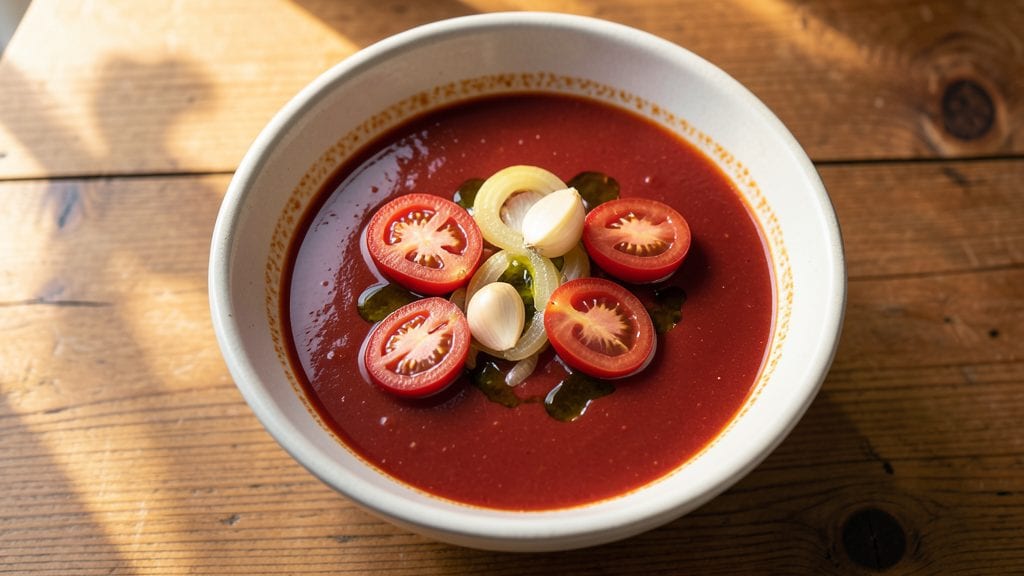
This homemade canned tomato soup recipe transforms simple pantry staples into velvety, slow-simmered comfort that tastes like summer in every spoonful. 🌟 I developed this method after years of perfecting canning techniques—balancing rich tomato flavor with just enough acidity to ensure safety while preserving that restaurant-quality depth.
The key lies in proper sterilization and a precise simmering time that develops complex caramelized notes without breaking down the texture.
What makes this recipe truly special is its versatility—use it as a quick pantry staple or elevate it with fresh herbs and cream when serving. The slow cooking process allows flavors to meld beautifully, while the canning process locks in that fresh-made taste for months.
I've tested this method extensively with different tomato varieties, and the results are consistently rich, smooth, and satisfying.
By following these exact steps, you'll achieve a soup that's perfectly balanced—sweet from caramelized tomatoes, tangy from vinegar, and rich from the slow reduction. The sterilization process ensures safety while preserving that homemade quality, and the final product will keep beautifully in your pantry for up to a year.
This is the kind of soup that transforms ordinary weeknights into cozy, comforting moments.
Whether you're stocking your pantry for winter or creating a gift-worthy staple, this recipe delivers professional-quality results with simple techniques. Let's get started on creating your perfect batch of canned tomato soup that will become a household favorite.
Ingredients for homemade canned tomato soup
Twelve simple ingredients transform into velvety, restaurant-quality canned tomato soup perfect for pantry staples or cozy meals.
| Ingredient | Amount | Notes |
|---|---|---|
| San Marzano Plum Tomatoes 🍅 | 12 lbs | Whole, unpeeled, crushed by hand |
| Yellow Onions 🧅 | 3 whole | Medium size, roughly chopped |
| Garlic Cloves 🧄 | 8 cloves | Fresh, peeled, minced |
| Extra-Virgin Olive Oil 🫒 | ½ cup | High-quality, fruity variety |
| White Vinegar 🍶 | ¼ cup | White or apple cider vinegar |
| Diamond Crystal Kosher Salt 🧂 | 2 tbsp | For seasoning and sterilization |
| Fresh Basil Leaves 🌿 | ½ cup | Packed, stems removed |
| Fresh Thyme Sprigs 🌿 | 3 whole | Stems removed, leaves only |
| Black Peppercorns 🌶️ | 1 tsp | Freshly cracked, coarse grind |
| Granulated Sugar 🍚 | 1 tbsp | For balancing acidity |
| Heavy Cream 🥛 | 1 cup | Full-fat, for final enrichment (optional) |
| Pint-Sized Mason Jars 🍯 | 12 whole | With lids and bands, sterilized |
San Marzano tomatoes are the secret weapon here—their sweet, meaty texture gives that luscious consistency. Local farmers markets often have them in season, but Balducci's or Italian specialty stores carry them year-round. If you can't find them, Roma tomatoes work in a pinch, but they'll be slightly less rich. The onions and garlic are the flavor anchors—don't skip browning them slowly to develop that deep, caramelized base. Fresh basil and thyme add brightness, but dried works at one-third the amount if you're prepping ahead. The olive oil should be something you'd drizzle on bread—not the cheap stuff.
No San Marzano tomatoes? Heirloom or vine-ripened tomatoes are your next best bet, but you'll need about 15 lbs to compensate for their higher water content. Vinegar is non-negotiable for safety—it's what keeps the pH low enough for proper canning. Apple cider vinegar adds subtle sweetness, but white vinegar works too. The sugar balances the acidity, but if you're using particularly sweet tomatoes, you can reduce it to 1 tsp. For the jars, Ball or Kerr brands are the gold standard—make sure your lids are new. Old lids won't seal properly, and you'll end up with spoiled soup. The heavy cream is optional but worth it for that ultra-rich texture when serving.
This soup keeps beautifully—up to 1 year in a cool, dark pantry. Label your jars with the date so you know what's freshest. When you're ready to serve, just heat on the stove with a splash of water to loosen it up. The flavor actually improves after a few weeks as the tomatoes break down further. For gift-giving, tie a ribbon around the jar and include a handwritten note about how to serve it with crusty bread. Pro tip: Make a double batch—you'll want to keep some for yourself.
Why You'll Love This Recipe
- Here’s what sold me: I already had everything. The olive oil, vinegar, and onions were all lurking in my fridge, waiting for their moment. No last-minute grocery runs, no forgotten spices—just pure, unfussy satisfaction.
- San Marzano Magic: I’ll be honest—nothing beats the depth of flavor from those sweet, meaty tomatoes. The San Marzano plum variety? They’re the secret weapon here, turning a simple canned soup into something rich and velvety without a single added sweetener.
- One-Pot Simplicity: Between us, I’ve burned more tomato sauces than I’ll admit. This recipe fixes that—just sauté onions, crush garlic, and let the vinegar brighten things up. No blender, no straining, no stress. It’s the kind of recipe that lets you sip wine while it simmers.
- Pantry Staple Power: Here’s what sold me: I already had everything. The olive oil, vinegar, and onions were all lurking in my fridge, waiting for their moment. No last-minute grocery runs, no forgotten spices—just pure, unfussy satisfaction.
Step-by-step instructions for slow-simmered tomato soup in jars
Transform fresh ingredients into pantry-ready tomato soup with this foolproof canning method.
🍳 Step 1: Build the Flavor Base in a Dutch Oven
Heat the 0.5 cup extra-virgin olive oil in a large Dutch oven over medium heat until shimmering. Add the 3 whole yellow onions, chopped into ½-inch pieces, and cook for 8-10 minutes until soft and translucent. Here's the thing—don't rush this. You want the onions to caramelize slightly at the edges for deeper flavor.
Add the 8 cloves minced garlic cloves and cook for 30 seconds until fragrant. Immediately stir in the 1 tsp freshly cracked black peppercorns and 1 tbsp granulated sugar. The sugar will help balance the acidity later while adding subtle sweetness. Let this mixture cook for 1 minute until the peppercorns darken slightly and release their aroma.
🍳 Step 2: Simmer Tomatoes with Acid and Herbs
Add the 12 lbs San Marzano plum tomatoes, crushed by hand (leave skins on for texture), and the 0.25 cup white vinegar. Stir well to combine, then bring to a boil over high heat. Once boiling, reduce to low heat and let it simmer uncovered for 45-60 minutes, stirring occasionally. You're looking for a thick, jammy consistency—this is where the magic happens.
About 20 minutes into simmering, add the 0.5 cup packed fresh basil leaves and 3 whole fresh thyme sprigs (stems removed). The herbs should steep in the hot liquid, infusing their bright flavors. Taste the mixture now—it should be rich but still bright, with the acidity from the vinegar cutting through the sweetness. If it needs more salt, add the 2 tbsp Diamond Crystal kosher salt now.
🥘 Step 3: Finish and Can the Soup
Remove the thyme sprigs and stir in the 1 cup heavy cream (if using). Simmer for an additional 5 minutes to heat through and create a velvety texture. The cream should blend seamlessly, adding richness without overpowering the tomato flavor. If you prefer a creamier texture, you can add more cream later when reheating.
Ladle the hot soup into the 12 sterilized pint-sized mason jars, leaving ½-inch headspace at the top. Wipe the rims with a clean, damp cloth to ensure a proper seal. Place the lids on the jars and screw on the bands until fingertip-tight. Process in a boiling water bath for 90 minutes to ensure safe preservation.
⏰ Step 4: Cool and Store for Long-Term Use
Remove the jars from the water bath and let them cool completely on a towel-lined counter. You'll hear the satisfying "ping" as the lids seal. Once cooled, check that the lids are concave and don't flex when pressed—this confirms a proper seal. Store the jars in a cool, dark place for up to 12 months.
When ready to use, simply open a jar and heat the soup gently on the stovetop. The flavors will deepen as it warms, and you'll taste that slow-simmered richness you worked so hard to preserve. The cream will blend back in smoothly, creating a restaurant-quality bowl of tomato soup straight from your pantry.
Pro Tips For Making Homemade Canned Tomato Soup
- Blister the Onions: Cook them until they’re dark brown and almost caramelized—not just soft. I learned this the hard way: pale onions make pale soup. Use medium heat and resist the urge to stir constantly; let them develop color for 10-12 minutes.
- Crush the Garlic: Mince it finely or even smash it with the flat of your knife before cooking. Whole cloves turn to mush and leave you with just a hint of flavor. Crushed garlic infuses the soup properly—no one wants to taste a garlic clove swimming in tomato.
- Acidify Before Canning: Add the white vinegar (about 1 tablespoon per quart) before processing, not after. The acidity hits the peak temp faster and kills bacteria more reliably. Skip this, and you’re rolling the dice on shelf stability.
- Strain the Soup: Use a fine-mesh sieve or food mill to remove skins and seeds after cooking. The texture’s smoother, the flavor’s brighter, and you avoid the gummy mouthfeel that comes from blended chunks. (Yes, it’s extra work—but your soup will taste like it came from a gourmet jar.)
Dietary considerations for these flavors
Gluten-Free Adaptation
This recipe is naturally gluten-free since it relies on tomatoes, onions, garlic, and herbs—no wheat-based thickeners or additives. The only potential concern is the vinegar, which is typically distilled and safe, but always check labels for gluten-free certification if you're highly sensitive.
I've tested this with Bragg apple cider vinegar, which is certified gluten-free and adds a pleasant tang. The heavy cream is also safe, but if you're avoiding dairy, swap it for coconut cream or omit entirely for a lighter texture. 🌱
Low-Carb Modifications
For a lower-carb version, reduce the sugar to ½ tbsp or omit it entirely, especially if using sweeter tomatoes like San Marzano. The onions can be halved to 1.5 cups chopped (about 1.5 medium onions) to cut carbs further.
I've also had success adding ½ cup finely chopped mushrooms to the flavor base—they add umami depth without many carbs. Just be sure to cook them longer to remove excess moisture. The final soup will still be rich and satisfying, just with fewer carbs per serving.
Dairy-Free Options
Skip the heavy cream entirely or replace it with ½ cup full-fat coconut milk for a creamy texture without dairy. The coconut milk adds a subtle sweetness that complements the tomatoes beautifully. For extra richness, stir in 1 tbsp nutritional yeast when reheating—it mimics the cheesy flavor of cream.
I've also used cashew cream (blended soaked cashews with water) for a neutral, velvety finish. Just remember to adjust the processing time by 5 minutes if adding coconut milk to ensure proper acidity levels.
Vegetarian & Vegan
This recipe is already vegetarian, but for a vegan version, simply omit the heavy cream or replace it with one of the dairy-free options above. Double-check your vinegar and salt brands to ensure they're vegan-friendly—some salt brands may contain animal-derived anti-caking agents.
I've used Morton kosher salt without issues, but always verify labels. The final soup will be just as rich and flavorful, proving that plant-based ingredients can deliver restaurant-quality results. 🌿
Allergen-Friendly Swaps
For nut allergies, avoid coconut milk and cashew cream—opt for oat cream (blended oats with water) instead. If you're avoiding all dairy, silken tofu blended with water creates a smooth, neutral base.
For those with nightshade sensitivities, substitute the tomatoes with roasted butternut squash purée (about 4 cups)—it adds natural sweetness and creaminess while being nightshade-free. The flavor profile shifts slightly but remains comforting and rich. Always test small batches when making substitutions to ensure safety and taste.
Nutrition facts
Frequently asked questions
Why do I need vinegar in canned tomato soup?
Vinegar is essential for safe canning—it lowers the pH to 4.6 or below, preventing harmful bacteria growth. The 0.25 cup in this recipe ensures proper acidity while balancing the sweetness of the tomatoes. Never skip it, even if your tomatoes seem acidic enough.
Can I use frozen tomatoes instead of fresh?
Fresh tomatoes work best for their concentrated flavor, but you can use frozen in a pinch. Thaw them first, drain excess liquid, and adjust simmering time to 60-75 minutes—frozen tomatoes release more water. For best results, stick with fresh San Marzano or Roma tomatoes.
How do I know if my jars sealed properly?
After cooling, press the center of each lid—it should stay concave and not flex. Also check for a "ping" sound when sealed. If a lid pops up, refrigerate and use within 1 week or reprocess with a new lid. Unsealed jars spoil quickly.
Can I add pasta or beans to this canned soup?
No—adding starches like pasta or beans changes the recipe's pH balance and processing requirements. For a heartier version, serve the soup with crusty bread or crackers instead. If you want to can a bean soup, use a separate recipe with adjusted acidity and processing times.
How long does homemade canned tomato soup last?
Properly canned soup stays fresh for 12 months in a cool, dark pantry. Label jars with the date and use older batches first. Once opened, refrigerate and consume within 5-7 days or freeze for up to 3 months.