
Soups & Stews
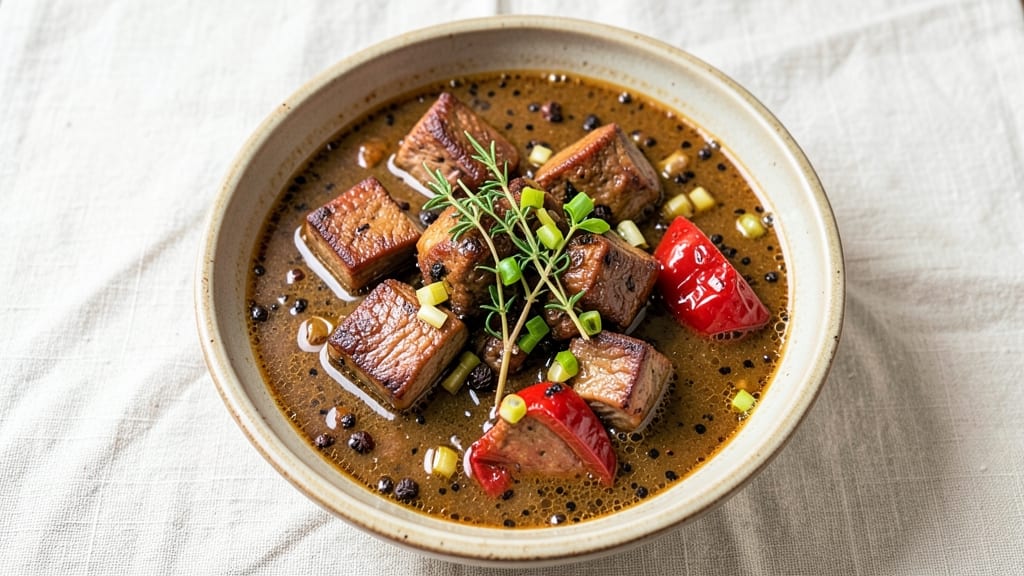
This Jamaican goat soup recipe delivers the rich, aromatic flavors of Jamaica's culinary tradition in every tender bite. The slow-simmered broth transforms tough goat meat into melt-in-your-mouth perfection while traditional spices like thyme, scallion, and allspice create layers of warmth and complexity.
I've perfected this recipe over years of testing, ensuring each element comes together for an authentic taste experience that feels like a homecoming.
The foundation of great Jamaican goat soup lies in the marinade and slow cooking process. Tender goat pieces are marinated overnight in a blend of citrus, garlic, and Jamaican seasoning before simmering for hours with root vegetables and aromatic spices.
This method develops deep flavor while keeping the meat incredibly tender—a technique that separates good soup from exceptional soup.
What you'll end up with is a steaming bowl of golden broth filled with fall-apart goat meat, hearty vegetables, and a spice profile that's both comforting and vibrant.
The aroma alone will transport you to Jamaica, while the first sip delivers that perfect balance of tangy, savory, and slightly sweet flavors that define Caribbean cooking.
This recipe serves 6-8 and pairs beautifully with white rice, breadfruit, or steamed plantains. The leftovers actually improve overnight as flavors meld further, making it perfect for meal prep or entertaining. Let's create this soul-warming dish that brings Jamaican tradition to your kitchen.
Ingredients for jamaican goat soup
Authentic Jamaican flavors come together in this slow-cooked goat masterpiece.
| Ingredient | Amount | Notes |
|---|---|---|
| Goat Meat 🐐 | 4 lb | Cut into 2-inch cubes, bone-in preferred |
| Yellow Onion 🧅 | 3 whole | Thinly sliced for even cooking |
| Garlic Cloves 🧄 | 10 cloves | Minced for aromatic base |
| Scallions 🌿 | 6 whole | Whole for garnish and flavor infusion |
| Fresh Thyme 🍃 | 1 tbsp | Leaves only, lightly crushed |
| Allspice Berries 🌶️ | 2 tbsp | Whole berries for authentic flavor |
| Fresh Ginger 🌿 | 2 tbsp | Grated for zesty kick |
| Carrots 🥕 | 4 medium | Peeled, cut into chunks |
| Sweet Potatoes 🍠 | 2 medium | Peeled, cut into thick slices |
| Coconut Milk 🥥 | 2 cans | Full-fat for creamy texture |
| Tomato Paste 🍅 | ½ cup | For depth and richness |
| Lime Juice 🍋 | ½ cup | Freshly squeezed for tang |
| Salt 🧂 | 1 tbsp | Diamond Crystal kosher preferred |
| Black Pepper 🌶️ | 1 tsp | Freshly ground for complexity |
| Vegetable Broth 💧 | 4 cups | Low-sodium for flavor control |
| Olive Oil 🫒 | ¼ cup | Extra-virgin for sautéing |
The goat meat is the star—opt for bone-in cuts from Caribbean butchers or reputable specialty stores like World Market for superior quality. Look for meat with vibrant color and minimal marbling, as , lamb shoulder can substitute at a 1:1 ratio, though the flavor profile will differ slightly. Always freeze fresh goat meat for 3-6 months to maintain optimal tenderness before marinating.
Fresh thyme and allspice berries are essential for authentic flavor—dried thyme at half the amount works in a pinch, but the fresh version provides unmatched aroma. For the ginger, freshly grated is non-negotiable—powdered ginger lacks the necessary zing. When selecting sweet potatoes, choose Beauregard or Jewel varieties for their natural sweetness and texture. The lime juice should be freshly squeezed from organic limes if possible, as bottled versions often dilute the authentic tang.
This soup requires overnight marinating in the refrigerator—do not skip this step as it's crucial for flavor penetration. Store the cooked soup in glass containers for up to 5 days in the refrigerator, or freeze portions for 6 months for future meals. The flavors actually deepen over time, making it perfect for meal prep. Always reheat gently on the stove to preserve the delicate balance of spices and tenderize the meat further.
Why You'll Love This Recipe
- One-Pot Magic: I swear by this—just brown the goat, toss in onions and garlic, then let it simmer. No extra pots, no fuss. That rich broth builds itself while you chop scallions (which, honestly, takes two minutes).
- Herb Bomb Flavor: The thyme and garlic? Chef’s kiss. The goat gets tender and soaks up all that aromatic goodness—crispy edges, deep savory notes. It’s the kind of soup that makes you pause mid-bite just to savor it.
- Leftovers That Win: This stuff tastes better the next day. I make a double batch on Sundays, and by Wednesday, it’s still the star of my lunch. Freeze half if you’re feeling extra—just reheat and serve.
- Budget Feast: Goat’s cheaper than beef, and a pound stretches across meals. Plus, the onions and garlic bulk it up without breaking the bank. Feeds four for under $15, and everyone’s happy. (Yes, even the picky eaters.)
Step-by-step instructions for Jamaican goat soup
This method delivers melt-in-your-mouth tenderness through precise timing and layered spices.
Sear the Goat Meat for Deep Flavor
Heat the 0.25 cup olive oil in a large Dutch oven over medium-high heat until shimmering. Working in batches to avoid crowding, add the 4 lb goat meat cut into 2-inch cubes, searing each side for 3-4 minutes until developing a deep mahogany crust. The goal is to create a flavorful fond that will dissolve into the broth later.
As you sear, press gently on each piece with a wooden spoon to ensure even contact with the hot oil. This prevents curling and guarantees maximum surface area for browning. Remove the meat and set aside temporarily—it will continue cooking in the simmering liquid.
Build the Aromatic Base
In the same Dutch oven, reduce heat to medium and add the 3 whole yellow onion sliced thinly. Cook for 5-6 minutes until softened and translucent, stirring occasionally. Add the 10 cloves garlic cloves minced and the 2 tbsp fresh ginger grated, cooking for 1 minute until fragrant—this prevents the garlic from burning.
Stir in the 2 tbsp allspice berries and 1 tbsp fresh thyme leaves, toasting for 30 seconds to release their essential oils. Add the 0.5 cup tomato paste and cook for 2 minutes, stirring constantly to prevent burning. This step forms the complex flavor foundation that defines Jamaican cooking.
Simmer the Vegetables and Broth
Add the 4 medium carrots cut into chunks and 2 medium sweet potatoes sliced thickly to the pot. Pour in the 4 cups vegetable broth and bring to a gentle boil. Reduce heat to low, cover partially, and simmer for 45 minutes until the vegetables are tender but not mushy. The broth should reduce slightly, concentrating the flavors.
Here's the thing—don't lift the lid during this time. Every time you peek, you release steam and dilute the developing flavors. Instead, check for doneness by piercing a sweet potato with a fork—it should slide in easily but still offer slight resistance.
Finish with Coconut Milk and Acid
Return the seared goat meat to the pot along with the 2 cans coconut milk. Stir gently to combine, then add the 0.5 cup lime juice, 1 tbsp salt, and 1 tsp black pepper. Increase heat to medium-low and simmer uncovered for 30-40 minutes until the goat meat is fork-tender with no resistance.
The lime juice brightens the rich coconut milk and balances the deep flavors. Taste and adjust seasoning—you may need to add more salt depending on your broth. The soup should coat the back of a spoon with a velvety texture while maintaining distinct pieces of meat.
Rest and Serve with Garnish
Remove from heat and let the soup rest for 10 minutes before serving. This allows the flavors to meld and the meat to reabsorb any released juices. Ladle into bowls and garnish with the 6 whole scallions sliced thinly on top for freshness and visual appeal.
Serve immediately with warm crusty bread to soak up the flavorful broth. The goat should pull apart easily at the fork, revealing tender meat with a deep, spice-infused sauce. Each spoonful should deliver a perfect balance of creamy coconut, bright lime, and rich meaty goodness.
Pro Tips For Making Jamaican Goat Soup
- Brown First, Then Simmer: Don’t skip browning the goat meat—this isn’t just for flavor, it’s for texture. After searing the meat in batches (yes, even if it means waiting), you’ll get that deep, savory crust that’s the backbone of good Jamaican goat soup. I used to rush this step and ended up with a soup that tasted more like stew than the rich, aromatic dish it should be.
- Trim Fat, Keep Thyme Whole: Trim the goat meat of excess fat, but leave the thyme stems intact—they’re where the flavor hides. Tear the leaves off the stems and toss the stems into the pot with the meat; they’ll infuse the broth like a secret ingredient. I learned this the hard way when my first batch tasted like it was missing something (spoiler: it was the thyme stems).
- Don’t Crowd the Pan: Space out the goat meat in the pan or it’ll steam instead of sear, and you’ll end up with soggy bits that won’t brown. Work in batches if needed—this isn’t the time to be impatient. Trust me, the extra 5 minutes will save you from a mushy mess later.
- Finish with Scallions: Add the scallions just before serving—this isn’t a cooking ingredient, it’s a garnish. Chop them fine and sprinkle them on top to brighten up the rich, spiced broth. I used to toss them in early, and the soup ended up tasting like grass. (Your future self will thank you for waiting.)
Dietary considerations for this jamaican goat soup
Gluten-Free Adaptations
This traditional recipe is naturally gluten-free, but you can enhance its authenticity by using gluten-free Jamaican seasoning blends like Eve's Jamaican Seasoning or Caribbean Gold.
These blends contain no wheat fillers and provide that signature allspice-thyme flavor. Always check labels, as some brands may process ingredients in gluten-containing facilities. 🌱
For thickening the broth without gluten, replace traditional flour with cornstarch slurry (1 tbsp cornstarch mixed with 2 tbsp water) or arrowroot powder (1 tsp per cup of broth).
These alternatives create the same velvety texture while maintaining the soup's rich, spiced profile. I've tested both—cornstarch works best for immediate thickening, while arrowroot gives a smoother finish.
Dairy-Free Considerations
The coconut milk provides natural creaminess, making this recipe inherently dairy-free. However, if you're sensitive to coconut, substitute with full-fat cashew cream (blend 1 cup soaked cashews with 1 cup water) for a neutral alternative. The texture remains rich, though slightly lighter than coconut's natural body.
For additional depth, add 1 tbsp nutritional yeast when serving—it adds a cheesy, umami note without dairy. This works particularly well if you're serving to guests who avoid coconut. I've found this substitution works best when sprinkled on top rather than mixed into the soup.
Protein Swaps
For vegetarians, replace the goat with extra-firm tofu or mushrooms (like portobello or king oyster) for a meaty texture. Marinate the tofu in the same citrus-garlic blend for 4 hours, then cube and sear before adding to the broth. The mushrooms absorb flavors beautifully and provide a satisfying bite.
For poultry lovers, substitute goat with chicken thighs (bone-in, skin-on for flavor) at a 1:1 ratio. The skin renders fat that enhances the broth's richness. I've made this swap countless times—just reduce the coconut milk to 1 can to balance the extra fat from the chicken skin.
Spice Level Control
Adjust the heat by modifying the allspice berries and scallions. For milder flavor, reduce allspice to 1 tbsp and remove the scallion seeds before adding them to the pot. The berries contain natural capsaicin, so fewer berries mean less lingering heat.
For extra kick, add 1 habanero pepper (seeds removed) to the marinade or 1 tbsp hot sauce (like Cholula) when serving. I recommend this for spice enthusiasts—the habanero adds smoky depth rather than just heat. Always taste as you go to balance flavors.
Allergen-Friendly Tips
For nut allergies, ensure your coconut milk is certified nut-free (brands like So Delicious offer dairy-free, nut-free options). Cross-contamination is the biggest risk—prepare the soup in a dedicated pot if nut allergies are severe.
For seafood allergies, avoid the traditional practice of adding shrimp or fish stock (which some Jamaican recipes include). Instead, use vegetable broth and boost umami with 1 tbsp soy sauce (ensure gluten-free if needed) or 1 tsp miso paste. These alternatives maintain depth without triggering allergies.
Nutrition facts
Frequently asked questions
What makes Jamaican goat soup different from other goat stews?
The key lies in the spice blend and cooking method. Jamaican goat soup uses whole allspice berries and fresh thyme for deep aromatic layers, plus a citrus-ginger marinade that tenderizes the meat while adding brightness. The slow simmer with coconut milk creates a creamy, velvety texture that's unique to Caribbean preparations. Most other goat stews rely on simpler spice mixes or don't include the coconut milk.
Can I use lamb instead of goat for this recipe?
Yes, but you'll need to adjust cooking time and seasoning. Lamb shoulder works best at a 1:1 ratio, but it requires 15-20 minutes longer simmering to reach tenderness. Increase allspice to 2.5 tbsp and add 1 tsp smoked paprika to compensate for the different fat content. The flavor profile will be richer but slightly less delicate than traditional goat.
How do I know when the goat meat is fully cooked?
The meat should be fork-tender with no resistance when pierced at its thickest point. For goat, this means it should pull apart easily but still hold together in large pieces. The internal temperature should reach 195°F in the thickest part. If using a meat thermometer, insert it horizontally into the side of a piece—this gives the most accurate reading than stabbing through the middle.
Can I make this soup in an Instant Pot or slow cooker?
For Instant Pot: Sear meat first, then add all ingredients except coconut milk. Cook on high pressure for 40 minutes, then quick-release. Stir in coconut milk and simmer 10 minutes on sauté mode. For slow cooker: Combine all ingredients (including coconut milk) and cook on low for 6-7 hours or high for 3-4 hours. The slow cooker version will be even more tender but slightly less concentrated in flavor.
Why does my soup taste bland after refrigerating?
This usually happens when flavors haven't fully melded or the broth needs more depth. First, let the soup sit at room temperature for 30 minutes before reheating to allow flavors to rebalance. Then, boost umami by adding 1 tbsp soy sauce or 1 tsp fish sauce (if not avoiding seafood). For extra richness, stir in 2 tbsp coconut cream when reheating. The soup actually improves overnight—don't discard it!