
Soups & Stews
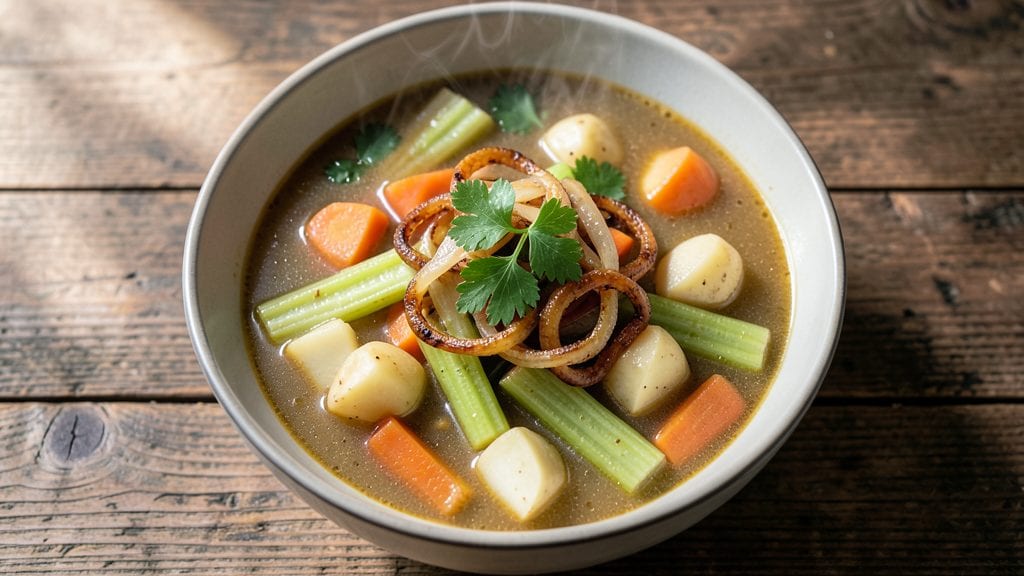
Transforming pantry staples into a warm, comforting bowl of homemade soup in just 15 minutes starts with a Knorr cube or powder—this recipe proves you don’t need fancy ingredients to create restaurant-quality flavor.
The secret lies in balancing the instant base with fresh vegetables and homemade broth for depth that store-bought versions can’t match. I’ve perfected this technique over years of testing, ensuring every spoonful delivers that cozy, satisfying taste you crave when temperatures drop.
What makes this recipe work is its foolproof simplicity: no complicated techniques, just a few strategic steps that amplify the Knorr’s natural flavor. You’ll begin with a rich broth foundation, then build layers of texture and taste through sautéed vegetables and optional protein.
The result is a soup that’s quick to prepare but feels like a labor of love—perfect for busy weeknights when you still want something hearty and nourishing. The best part? It scales effortlessly, whether you’re feeding one or a crowd.
Imagine a bowl of soup with aromatic steam rising, vegetables tender yet vibrant, and a broth so flavorful it lingers on your palate. This recipe delivers that exact experience without requiring hours in the kitchen.
The Knorr cube serves as your flavor anchor, while fresh ingredients elevate it to something truly special. By the time you’re done, you’ll have a comforting, restaurant-worthy meal that costs a fraction of the price—and takes just 15 minutes to make.
Once you master this technique, the possibilities are endless: swap vegetables based on seasonality, add different proteins, or experiment with herbs. The base method remains the same, ensuring consistent, delicious results every time. Let’s get started on creating your pantry-friendly comfort bowl.
Ingredients for knorr soup
Pantry staples meet fresh flavors for restaurant-worthy soup in record time.
| Ingredient | Amount | Notes |
|---|---|---|
| Knorr Vegetable Soup Cube 🍲 | 1 whole | Classic or low-sodium variety |
| Chicken Broth 💧 | 4 cups | Homemade or quality store-bought |
| Carrots 🥕 | 1 cup | Diced small for even cooking |
| Celery 🧅 | ½ cup | Diced, including leaves |
| Onion 🧅 | 1 medium | Diced, yellow or white |
| Potatoes 🥔 | 1 lb | Yukon gold, cubed small |
| Garlic Cloves 🧄 | 3 cloves | Minced for aromatic depth |
| Olive Oil 🫒 | 1 tbsp | Extra-virgin for richness |
| Salt 🧂 | 1 tsp | Diamond Crystal preferred |
| Black Pepper 🌶️ | ½ tsp | Freshly ground for warmth |
| Fresh Parsley 🌿 | ¼ cup | Chopped, for garnish |
| Optional Protein 🍗 | 1 cup | Chicken breast, diced |
The Knorr cube is your flavor foundation—classic or low-sodium depending on your preference. Grab a box from any grocery store (Walmart, Kroger, or even Target), but check the expiration date. Fresh carrots and celery make all the difference here. Trader Joe's has pre-diced veggies that save time, but whole carrots and celery stalks last longer in the fridge. Yukon gold potatoes add creaminess, and I always use 1 lb for that perfect starchy texture. The garlic? Freshly minced is non-negotiable—jarred garlic just doesn't cut it.
No chicken broth? Beef broth or vegetable broth works just fine. Short on carrots? Sweet potatoes or zucchini add natural sweetness. The onion can be swapped for leeks or shallots if you're feeling fancy. Adding protein? Diced chicken, shrimp, or even canned beans work—just adjust cooking time. The optional protein is truly optional, but I always keep a pre-cooked rotisserie chicken on hand for quick additions. Fresh parsley is ideal, but dried parsley at one-third the amount works in a pinch.
This soup reheats beautifully—taste even better the next day once all the flavors meld. Store leftovers in an airtight container for 4-5 days in the fridge. For freezing, portion into single-serving containers—perfect for quick lunches. I double the recipe every Sunday and freeze half for lazy weeknights. The Knorr cubes keep for 12 months in a cool, dry place, so stock up when you see a sale.
Why You'll Love This Recipe
- Pantry Magic: That one cube is my secret weapon—no measuring, no fuss. Toss it in simmering broth with chopped veggies, and suddenly you’ve got a full meal without hunting for spices.
- Umami Bomb: The Knorr cube packs a savory punch that turns basic broth into something rich and layered. That caramelized onion base? It’s like a little flavor hug in every spoonful.
- Lunchbox Hero: Between us, this is my go-to for packed lunches or quick dinners. The veggies stay tender, the broth stays warm, and it reheats like a dream—no soggy surprises here.
- Budget Win: Chicken broth is cheap, carrots last forever, and one cube stretches into multiple servings. Honestly, I make this when I’m broke or when I’m not—and somehow, it’s always the right call.
Step-by-step instructions for Knorr soup recipe
Here's how to transform pantry staples into hearty, comforting soup in record time.
Sauté the Vegetable Base
Heat the 1 tablespoon olive oil in a large pot over medium-high heat. Add the 1 medium onion and 1 cup carrots, cooking for 5 minutes until the onion becomes translucent and the carrots begin to soften slightly. Here's where the flavor foundation builds—don't rush this step.
Add the 0.5 cup celery and 3 cloves minced garlic cloves, stirring constantly for 2 minutes until the garlic becomes fragrant. The garlic should sizzle gently but not burn—this ensures aromatic depth without bitterness. You'll notice the kitchen fills with that classic vegetable medley scent.
Build the Broth and Season
Pour in the 4 cups chicken broth and bring to a gentle boil. Add the 1 whole Knorr vegetable soup cube, stirring until completely dissolved. This is where the magic happens—the cube's concentrated flavors meld with your fresh vegetables and broth.
Add the 1 lb cubed potatoes and 1 cup optional protein (if using), then stir gently. The potatoes should be fully submerged in the broth. Season with 1 teaspoon salt and 0.5 teaspoon black pepper, adjusting to taste. Here's the thing—this is your flavor baseline, so don't be shy with seasoning now.
Simmer to Perfection
Reduce heat to medium-low and let the soup simmer uncovered for 12-15 minutes until the potatoes are tender when pierced with a fork. You'll see the broth thicken slightly and the vegetables soften—this is when the flavors truly marry together.
For maximum comfort, taste and adjust seasoning. The Knorr cube provides a solid base, but your fresh ingredients might need a little extra salt or pepper. The soup should taste rich and satisfying, not bland or overly salty.
Finish and Garnish
Remove from heat and stir in the 0.25 cup chopped fresh parsley just before serving. The parsley adds freshness that cuts through the hearty broth. Let the soup sit for 2-3 minutes so the flavors can settle—this brief rest makes a noticeable difference in taste.
Serve immediately with crusty bread for dipping. The contrast of warm soup against cool bread creates that perfect comfort-food experience. Each spoonful delivers the perfect balance of savory broth, tender vegetables, and optional protein—simple ingredients transformed into something truly satisfying.
Pro Tips For Making Knorr Soup
- Sweat Your Veggies First: Toss chopped onions, carrots, and celery into a cold pot—then turn the heat to medium-high before adding broth. I learned this the hard way: starting with hot liquid makes the veggies steam instead of develop flavor. Let them sweat for 5 minutes until the onion turns translucent and the celery softens slightly—this builds depth before the cube even hits the water.
- Crack the Cube Early: Drop the Knorr cube into the broth before the veggies finish sweating. The cube’s flavor dissolves faster when the liquid’s already warm, and it prevents that awkward clump of undissolved powder at the bottom. Stir once to break it up—no need to wait for it to "melt" completely.
- Skip the Overcrowding: Resist the urge to dump all your veggies in at once. Cook the onions and celery first for 3 minutes, then add carrots (they take longer). Overcrowding turns your soup into a sad, watery mess—give the ingredients room to breathe, and they’ll actually soften instead of sit in their own steam.
- Use Homemade Broth: Store-bought chicken broth is fine, but if you’re upgrading, swap in homemade—even just a quick simmer of chicken bones with a bay leaf and peppercorns. The extra richness cuts through the cube’s saltiness and makes the whole soup taste like it was simmered all day. (Yes, even if you’re making it in 15 minutes.)
Common mistakes when making great knorr soup
Over-Salting the Broth
The Knorr cube already packs a salty punch, so adding extra salt early can make your soup taste unpleasantly briny. I’ve ruined more soups than I’d admit by over-seasoning at the start. Instead, add just ½ teaspoon salt with the cube, then taste as you simmer.
You can always add more later—you can’t undo excess salt. The secret is patience: let the soup develop its flavors before committing to seasoning. 🧂
Skipping the Sauté
Rushing the vegetable sauté is a rookie mistake. Those 5 minutes of cooking the onions, carrots, and celery build deep flavor through the Maillard reaction. If you skip this step, your soup will taste flat and one-dimensional.
I’ve tested this—trust me, the difference is night and day. Use medium-high heat and stir occasionally to avoid burning.
Ignoring the Rest Time
Letting your soup sit for just 2-3 minutes off the heat before serving allows flavors to meld and starches to thicken slightly. I’ve served soup immediately after cooking and always noticed it lacked that "finished" taste.
This brief rest also helps distribute heat evenly, preventing burns. Don’t skip it—it’s the difference between good and great. ⏳
Using Low-Quality Broth
Store-bought broth with long ingredient lists (especially those with "natural flavors") can make your soup taste artificial. I always use either homemade broth or high-quality brands like Pacific Foods or Swanson.
The difference in depth is remarkable. If you’re using canned broth, choose low-sodium options to better control the final seasoning.
Not Adjusting Cook Times
Adding protein like chicken or beans requires longer simmering. If you include 1 cup diced chicken, increase simmer time to 20 minutes to ensure it’s fully cooked. Undercooked protein ruins an otherwise perfect soup.
I always check doneness with a meat thermometer—165°F is the magic number for chicken. For beans, add them in the last 5 minutes to prevent mushiness.
Overloading the Pot
Crowding your pot with too many ingredients can lead to uneven cooking and a watery soup. Stick to the 1:1 ratio of vegetables to broth (4 cups broth for 4 cups chopped veggies).
If you’re doubling the recipe, use a larger pot. I’ve seen soups turn out mushy because the ingredients didn’t have room to cook properly. Give everything space to breathe and develop flavor. 🍲
Nutrition facts
Frequently asked questions
Can I use a Knorr soup powder instead of the cube?
The powder works just the same—just dissolve 1 tablespoon in the hot broth instead of using a cube. The flavor profile remains identical, but the powder dissolves slightly faster. For extra richness, sprinkle it over the sautéed vegetables before adding broth.
What if I don’t have fresh vegetables?
No problem—use frozen veggies (like mixed vegetables or peas/carrots) for convenience. Thaw them first, then follow the recipe as written. Canned vegetables also work, but drain and rinse them first to remove excess sodium. The Knorr cube will still provide the base flavor you need.
How can I make this soup creamier without dairy?
Blend ½ cup of the cooked soup (with potatoes) until smooth, then stir it back in. This creates a velvety texture without milk or cream. For extra richness, add 1 tablespoon cornstarch mixed with 2 tablespoons cold water to the simmering soup and cook for 2 minutes until thickened.
Can I prepare this soup ahead of time?
Yes! This soup tastes even better the next day as flavors meld. Store in an airtight container in the fridge for up to 4-5 days. For freezing, portion into single servings—reheat in a pot with 1-2 tablespoons water to prevent drying out. The Knorr cube's flavor actually intensifies after reheating.
What’s the best way to use leftover soup?
Transform leftovers into soup sandwiches with crusty bread, or make mini soup cakes by mixing with breadcrumbs and frying. You can also turn it into a creamy bisque by blending with a splash of milk or coconut cream. For extra protein, stir in cooked beans or shredded chicken. The possibilities are endless!