
Soups & Stews
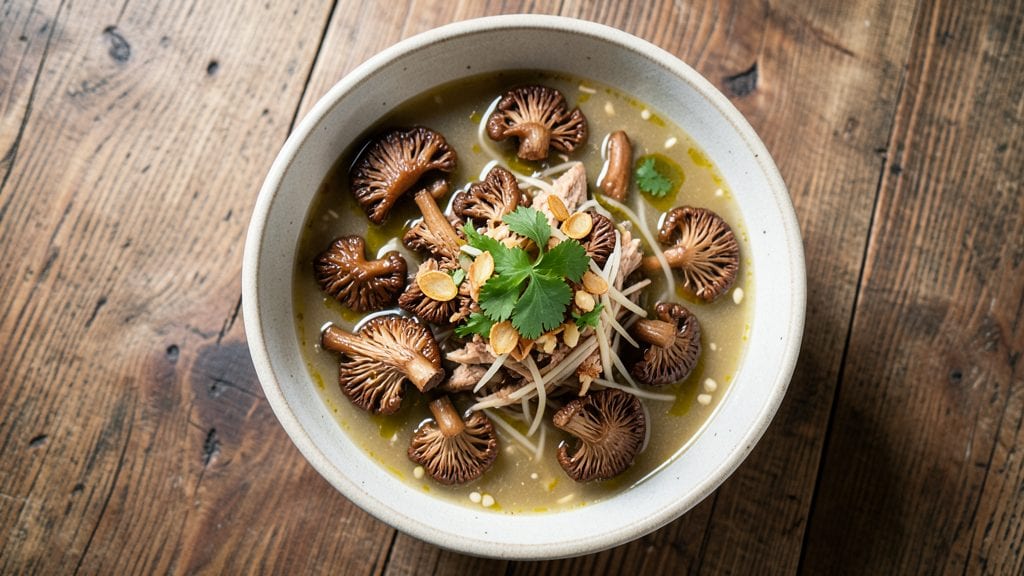
This maitake mushroom soup delivers deep, earthy umami in just 40 minutes—a flavor so rich it transforms simple ingredients into a restaurant-worthy bowl. The secret lies in properly cleaning and sautéing the mushrooms until their natural sweetness intensifies, then simmering them in a fragrant broth until tender.
I developed this recipe after discovering how maitake’s meaty texture and concentrated umami could elevate a humble soup into something extraordinary, especially when paired with aromatic ginger and garlic.
The process is straightforward but precise: first, we clean the mushrooms thoroughly (a critical step for earthy flavor), then sauté them until golden before building the broth. A blend of vegetable or chicken stock creates the base, while fresh ginger and garlic add warmth.
For extra depth, a splash of soy sauce or miso paste amplifies the umami, though the mushrooms alone deliver impressive flavor. The result is a velvety, hearty soup with a satisfying texture—creamy from blended mushrooms, yet still rustic from their natural structure.
What makes this soup truly special is its versatility. It works as a standalone vegetarian dish or pairs beautifully with protein like tofu or shredded chicken. Garnish with green onions, sesame seeds, or a drizzle of chili oil for added complexity.
The aroma alone will draw everyone to the table, and the first spoonful delivers that perfect balance of savory, earthy, and slightly sweet notes. Ready in under an hour, this soup is ideal for chilly evenings or as a comforting starter.
For dietary flexibility, simply swap the chicken stock for vegetable broth and add a splash of miso to maintain umami richness. The recipe scales easily, making it perfect for meal prep or feeding a crowd.
Whether you're a seasoned cook or new to maitake mushrooms, this method ensures foolproof results every time. Let’s get cooking—your taste buds will thank you.
Ingredients for maitake soup
Earthy maitake mushrooms and aromatic ginger form the heart of this umami-rich soup—simple yet restaurant-worthy ingredients.
| Ingredient | Amount | Notes |
|---|---|---|
| Maitake Mushrooms 🍄 | 1 ½ lb | Fresh, stems removed, cleaned thoroughly |
| Chicken Stock 🍲 | 4 cups | Homemade or high-quality low-sodium |
| Vegetable Stock 🥬 | 2 cups | For vegetarian version |
| Fresh Ginger 🌿 | 2 tbsp | Finely grated, aromatic |
| Garlic Cloves 🧄 | 4 cloves | Minced, for depth of flavor |
| Extra-Virgin Olive Oil 🫒 | 2 tbsp | For sautéing mushrooms |
| Light Soy Sauce 🥢 | 1 tbsp | For umami depth |
| White Miso Paste 🧈 | 1 tbsp | Optional, for extra umami |
| Green Onions 🧅 | 4 whole | Sliced, for garnish |
| Sesame Seeds 🌾 | 1 tsp | Toasted, for crunch |
| Chili Oil 🌶️ | 1 tbsp | Optional, for heat |
| Sea Salt 🧂 | 1 tsp | Adjust to taste |
| Black Pepper 🌶️ | ½ tsp | Freshly ground |
| Tofu or Shredded Chicken 🍗 | ½ lb | Optional protein addition |
Maitake mushrooms are the star here, so prioritize freshness and quality. Look for mushrooms with dense, meaty clusters—avoid any with slimy stems or bruised caps. Local farmers markets or specialty grocers like Whole Foods or Trader Joe's often carry the best selection. If using dried maitake, rehydrate in warm broth for 20 minutes before cooking. The ginger should be fresh and vibrant, not fibrous or shriveled. For extra depth, consider adding a splash of mirin or rice vinegar to brighten the flavors.
No chicken stock? Vegetable or mushroom stock works beautifully—just add a splash of white miso to maintain umami richness. Short on fresh ginger? Powdered ginger at half the amount is a decent substitute, though fresh is ideal. The soy sauce can be swapped for coconut aminos if preferred. For a vegetarian version, omit the chicken stock entirely and rely on miso and mushrooms for umami. The tofu or chicken addition is optional but adds satisfying texture—ensure it’s cooked through before adding to the soup.
This soup reheats beautifully—simmer gently to preserve its velvety texture. Store in an airtight container for up to 5 days in the fridge, or freeze for 3 months for later enjoyment. For meal prep, double the batch and portion into containers. The flavors deepen overnight, making it even more comforting the next day. Garnish with green onions and sesame seeds just before serving to keep them crisp.
Why You'll Love This Recipe
- No-Chop Needed: I swear, the maitake mushrooms are the star here—they’re already in clusters, so I just rinse and toss them in. No knife skills required, just a quick simmer.
- Umami Bomb: That first sip? The ginger and garlic caramelize into the stock, but it’s the maitake that steals the show—earthy, meaty, and deeply satisfying without needing heavy cream or cheese.
- Leftover Goldmine: This soup only gets better the next day. I’ll make a big batch on Sunday, and by Wednesday, it’s still rich and flavorful—perfect for reheating or turning into a quick pasta sauce.
- Budget Immunity: Fresh ginger and garlic bulk up the flavor without breaking the bank, and maitake mushrooms (when in season) are cheaper than most proteins. A full pot feeds four for under $15—no guilt, all comfort.
Step-by-step instructions for maitake mushroom soup
Here's the method for a rich, umami-forward maitake soup that balances earthy mushrooms with savory depth.
Prepare the Maitake Mushrooms and Aromatics
Begin by separating the 1.5 lb maitake mushrooms into clusters and cleaning them thoroughly with a damp paper towel. Remove any tough stems but keep the tender caps. Finely grate the 2 tbsp fresh ginger using a microplane or fine grater, and mince the 4 cloves garlic into a paste using the flat side of your knife.
Heat 2 tbsp extra-virgin olive oil in a large pot over medium heat. Add the mushrooms in batches, allowing each addition to cook for 3-4 minutes until the edges begin to soften and release their natural juices. This gradual cooking prevents steaming, which preserves their texture. Once all mushrooms are added, stir in the grated ginger and garlic, cooking for 1 minute until fragrant. Avoid overcrowding the pot—this ensures even cooking and prevents soggy mushrooms.
Build the Umami Base
Pour in the 4 cups chicken stock (or 2 cups vegetable stock for a vegetarian version) and bring the mixture to a gentle simmer. Once simmering, add the 1 tbsp light soy sauce and 1 tbsp white miso paste, stirring until fully dissolved. The miso paste will deepen the umami flavor, so let it simmer for 5 minutes to meld with the mushrooms and stock. This step is where the soup's complexity develops—don't rush it.
Season with 1 tsp sea salt and 0.5 tsp black pepper, adjusting to taste. If using 0.5 lb tofu or shredded chicken, add it now and simmer for 5 minutes to heat through and absorb the flavors. The tofu should be firm but not dry, while the shredded chicken will cook quickly in the hot broth. Keep the heat at a gentle simmer to avoid breaking down the protein.
Finish and Garnish
Reduce the heat to low and let the soup simmer for 10-15 minutes to allow the flavors to fully develop. The mushrooms should be tender but still hold their shape, and the broth should be rich and aromatic. If the soup is too thick, add a splash of water to reach your desired consistency—it should coat the back of a spoon but remain light enough to sip easily.
Remove the pot from heat and stir in the 1 tbsp chili oil for a subtle kick. Garnish each serving with sliced green onions and a sprinkle of 1 tsp toasted sesame seeds just before serving. The sesame seeds add a nutty crunch, while the green onions provide a fresh contrast to the deep umami flavors. Serve immediately while the mushrooms are still tender and the broth is steaming.
Pro Tips For Making Maitake Soup
- Sear the Maitake First: Hit the mushrooms with a dry pan over medium-high heat for 3-4 minutes before adding liquid—this develops their nutty depth and prevents them from turning mushy. I used to skip this, and the soup always tasted underwhelming until I realized texture and flavor start here.
- Grate Ginger Fine: Use a microplane or the smallest holes on a box grater for the ginger—no peeling needed. Lumpy ginger just sits there; finely grated, it melts into the stock and adds warmth without chunks. (Yes, even if you’re impatient like me.)
- Simmer Low and Long: Keep the soup at a gentle simmer (tiny bubbles, not rolling) for at least 20 minutes after adding the mushrooms. Rushing this step leaves them tough; patience lets them soften and soak up the stock’s flavor. —I know, I know, but trust the process.
- Toast the Garlic: Mince the garlic after toasting it in the same pan you seared the mushrooms—just until fragrant (about 30 seconds). This adds a deep, almost caramelized note that raw garlic can’t match. (Your future self will thank you.)
Wine and beer pairings for these flavors
Earthy White Wine
For this deep, umami-rich maitake soup, I always reach for a dry Riesling from Germany or Austria—its crisp acidity and subtle mineral notes cut through the mushrooms' earthiness beautifully. Look for a Kabinett or Spätlese with 8-10% ABV to complement without overpowering.
The slight sweetness in Kabinett Rieslings enhances the soup's natural sweetness, while Spätlese offers more complexity for adventurous palates. Serve slightly chilled (50-55°F) to let the wine's brightness shine alongside the ginger and garlic aromatics. 🍷
Mushroom-Inspired Beer
A Belgian witbier like Stella Artois Wit or Hoegaarden brings a refreshing citrus and peppery coriander note that pairs surprisingly well with maitake's earthy depth. The effervescence also cleanses your palate between sips, making it ideal for hearty mushroom soups.
For a bolder option, try a German Hefeweizen—its banana and clove undertones mirror the soup's ginger and garlic. Avoid heavy stouts or dark ales, which would clash with the soup's delicate umami. 🍺
Fermented Depth Pairings
If you love umami, a Japanese sake like Junmai Ginjo (unfiltered) adds another layer of complexity. The clean, slightly nutty profile of a dry Daiginjo enhances the miso and soy sauce notes in the soup.
For a non-alcoholic option, try yuzu-infused sparkling water—the citrus brightness contrasts the mushrooms' earthiness. The key is balancing the soup's richness with something acidic or effervescent to keep your palate fresh. 💡
Spiced Red Wine
For those who prefer red, a light Pinot Noir from Oregon or Burgundy works beautifully—its red fruit and earthy undertones harmonize with the maitake's natural flavors. Avoid bold Cabernets or Syrahs, which would overpower the dish.
If you're feeling adventurous, try a Gewürztraminer—its lychee and spice notes add an unexpected but delightful twist to the soup's umami profile. Serve at 60-65°F to let the wine's structure complement the dish. 🍇
Garnish-Inspired Pairings
The soup's garnishes—green onions, sesame seeds, and chili oil—offer pairing opportunities too. A sweet Riesling with its floral notes balances the chili oil's heat, while a crisp Sauvignon Blanc enhances the green onions' freshness.
For beer lovers, a Belgian Dubbel with its caramel and spice notes mirrors the toasted sesame seeds' flavor. The key is matching the garnish's dominant note with your beverage choice. ✨
Nutrition facts
Frequently asked questions
Why do maitake mushrooms taste so earthy?
Maitake mushrooms develop their signature earthy, slightly sweet flavor from natural compounds like glutamates and polysaccharides. When sautéed properly, these compounds intensify, creating that deep umami taste. The key is cooking them at medium heat until golden—they shouldn't be steamed, or they'll lose their concentrated flavor.
Can I substitute dried maitake mushrooms in this recipe?
Yes! Rehydrate 1/4 cup dried maitake in 2 cups warm broth for 20 minutes before using. Dried mushrooms are even more potent, so reduce the amount by 3:1 compared to fresh. They'll add extra richness, but be mindful—they can make the soup thicker. Strain out any large pieces if you prefer a smoother texture.
How do I prevent soggy mushrooms in the soup?
Cook the mushrooms in batches over medium heat until golden before adding liquid. Overcrowding the pan causes steaming, which makes them mushy. Also, avoid boiling the soup—simmer gently to maintain their texture. If the broth becomes too thick, add water gradually rather than dumping it all in at once.
Is this soup gluten-free?
Mostly! Use tamari or coconut aminos instead of soy sauce, and ensure your miso paste is gluten-free. The recipe is naturally gluten-free except for these two ingredients. Always check labels—some miso contains wheat. For extra safety, opt for a dedicated gluten-free kitchen if you're highly sensitive.
Can I make this ahead of time?
The flavors actually improve overnight. Store in an airtight container in the fridge for up to 5 days. Reheat gently on the stove—never microwave directly, or the mushrooms will turn rubbery. For longer storage, freeze for 3 months. The broth may thicken when reheated, so add a splash of water if needed.