
Soups & Stews
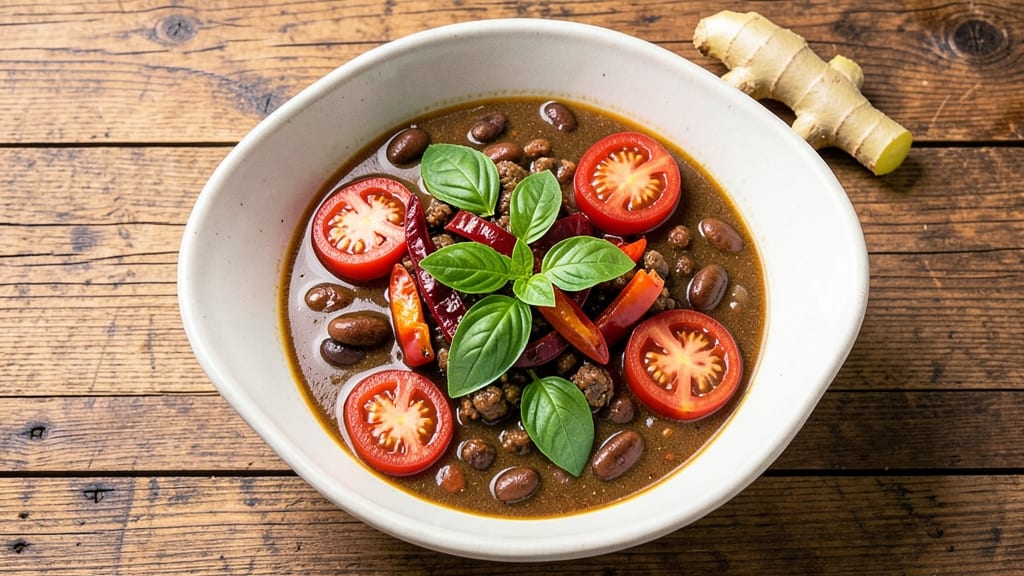
The Oha Soup recipe brings the rich, comforting flavors of West Africa to your kitchen—where smoky tomato-basil broth and hearty ingredients create a dish that feels like a warm embrace. 💛 This traditional Nigerian stew transforms simple ingredients into something deeply satisfying, perfect for cozy nights or family gatherings.
What makes this recipe special is its balance of bold and bright flavors, achieved through a carefully blended pepper and locust bean base that forms the soul of the soup.
Whether you use tender beef, fresh fish, or a vegetarian alternative, the result is always rich, aromatic, and deeply comforting—just like the meals that bring people together.
You’ll end up with a velvety tomato-basil broth infused with smoky depth, tender protein, and a texture that’s both hearty and silky. This soup pairs beautifully with traditional sides like pounded yam or fufu, making it a complete meal that feels like a celebration.
The best part? It all comes together in one pot, minimizing cleanup while maximizing flavor. Whether you’re exploring Nigerian cuisine or simply craving a comforting stew, this recipe delivers authentic warmth with minimal effort.
Ingredients for oha soup
Authentic West African flavors start with these carefully chosen ingredients—locust beans, fresh tomatoes, and aromatic peppers.
| Ingredient | Amount | Notes |
|---|---|---|
| Dried Locust Beans (Iru) 🌿 | ½ cup | Soaked overnight, blended smooth |
| Fresh Tomatoes 🍅 | 4 medium | Ripe, blended for smooth broth |
| Fresh Basil Leaves 🌿 | ½ cup | Packed, stems removed |
| Red Bell Pepper 🌶️ | 1 whole | Seeded, chopped for depth |
| Scotch Bonnet Peppers 🔥 | 2 whole | Seeds removed for mild heat |
| Fresh Ginger Root 🧅 | 1 inch | Peeled, grated for aromatic kick |
| Garlic Cloves 🧄 | 6 cloves | Peeled, minced for depth |
| Beef Chuck Roast 🥩 | 1 ½ lb | Cut into bite-sized pieces |
| Vegetable Oil 🫒 | ½ cup | For sautéing base |
| Dried Shrimp (Optional) 🦐 | ¼ cup | For umami depth |
| Salt 🧂 | 1 ½ tsp | Diamond Crystal preferred |
| Black Pepper 🌶️ | ½ tsp | Freshly ground for finish |
| Fish Stock 🐟 | 2 cups | Homemade or quality store-bought |
| Fresh Cilantro 🌿 | ¼ cup | Chopped for garnish |
| Red Palm Oil 🫒 | 2 tbsp | For authentic smoky flavor |
The locust beans (iru) are the heart of this soup—African markets or specialty stores carry them, but they’re also available online. Soak them overnight to soften completely before blending. Fresh tomatoes should be ripe and vibrant—the deeper the red, the better. For basil, West African markets often carry larger, more flavorful leaves, but regular grocery store basil works too. The red bell pepper adds sweetness, while Scotch bonnet peppers bring the signature heat. African grocery stores usually stock these, but any hot pepper will work in a pinch.
No locust beans? Substitute 1 tbsp tomato paste plus 1 tsp smoked paprika for a similar earthy depth. Fresh tomatoes can be swapped for 2 cups canned crushed tomatoes if needed. For ginger, powdered ginger at half the amount works in a bind. The beef can be replaced with chicken thighs or smoked fish for a lighter version. Dried shrimp adds umami—skip it if you prefer a vegetarian option, but add a bouillon cube instead. The fish stock should be homemade if possible, but quality brands like Knorr work too.
Store the cooked soup in an airtight container for up to 4 days in the fridge. The locust bean base thickens when chilled, so reheat gently with a splash of water. Freezes beautifully for 3 months. For extra richness, stir in 1 tbsp red palm oil when reheating. Garnish with fresh cilantro just before serving—it brightens up the dish instantly.
Why You'll Love This Recipe
- Minimal Chopping Required: I swear by this—just soak the dried locust beans overnight, then toss them into boiling water with the tomatoes and peppers. No dice, no fuss, just a big pot of flavor waiting for you.
- Heat That Stays Memorable: That Scotch bonnet and dried iru combo? It’s a slow-building warmth that lingers. The basil leaves add a fresh finish, but honestly, the smoky depth from the locust beans is what keeps me coming back.
- Lunch or Dinner Fix: Between us, this soup is my lazy Sunday lunch and my post-work dinner. Serve it with pounded yam for a hearty meal, or just crackers if you’re keeping it light—it works both ways.
- Budget-Friendly Pantry Gold: Dried locust beans last for months, and a single bag stretches across multiple soups. Fresh tomatoes and peppers bulk up the flavor without breaking the bank—this is comfort food that doesn’t drain your wallet.
Step-by-step instructions for oha soup
This one-pot masterpiece delivers rich, comforting flavors with minimal effort.
🍳 Step 1: Prepare the Base with Locust Beans and Meat
In a large pot, heat the 0.5 cup vegetable oil over medium-high heat until shimmering. Add the 1.5 lb beef chuck roast cut into bite-sized pieces and sear until browned on all sides—about 5-7 minutes. This develops deep meaty flavor that forms the soup's foundation.
Remove the beef and set aside. In the same pot, add the 0.5 cup dried locust beans (iru) (previously soaked overnight and blended smooth). Toast them for 2-3 minutes until fragrant—this removes any raw taste and enhances their earthy depth. Immediately pour in the 2 cups fish stock and bring to a gentle boil. Here's the thing—adding stock right after toasting prevents the beans from burning while extracting their full flavor.
🍳 Step 2: Build Layers of Flavor with Aromatics and Vegetables
Add the 1 whole red bell pepper (seeded and chopped), 2 whole scotch bonnet peppers (seeds removed), 1 inch fresh ginger root (peeled and grated), and 6 cloves garlic cloves (peeled and minced) to the simmering liquid. Cook for 5 minutes until the vegetables soften and release their aromatic oils—you'll notice the kitchen fill with a warm, spicy scent.
Stir in the 4 medium fresh tomatoes (blended smooth) and 0.5 cup fresh basil leaves (packed, stems removed). Simmer uncovered for 10-12 minutes until the tomatoes break down completely and the mixture reduces slightly. This creates a velvety tomato-basil base that's the heart of oha soup. If it looks too thick, add ½ cup water to maintain the right consistency.
🥘 Step 3: Finish with Protein and Seasoning
Return the browned beef to the pot along with the 0.25 cup dried shrimp (optional) if using. Add the 1.5 tsp salt and 0.5 tsp black pepper, then stir gently to combine. Simmer for 30-40 minutes until the beef is fork-tender and the flavors meld together—this is where the magic happens. The soup should develop a rich, slightly thickened texture with visible pieces of meat and shrimp.
In the final 5 minutes of cooking, stir in the 2 tbsp red palm oil for its distinctive smoky aroma. This step is crucial for achieving that authentic West African flavor profile. Taste and adjust seasoning—you might need a pinch more salt to balance the acidity from the tomatoes and heat from the scotch bonnet peppers.
🍽️ Step 4: Serve with Fresh Garnish and Comforting Sides
Remove from heat and let the soup rest for 5 minutes to allow flavors to settle. Ladle into bowls and garnish with the 0.25 cup fresh cilantro (chopped) for brightness and freshness. The contrast between the warm, spicy soup and cool cilantro elevates each spoonful.
Serve immediately with garri (semovita) or pounded yam for that complete West African comfort experience. The rich tomato-basil broth pairs perfectly with these starchy sides, creating a satisfying, hearty meal that delivers on its comforting promise.
Pro Tips For Making Oha Soup
- Soak Iru Twice: First soak your dried locust beans overnight in cold water—this breaks them down. The next morning, drain and re-soak for 30 minutes with a pinch of salt. I learned this the hard way: skipping the second soak leaves them tough and chalky, no matter how long you cook them later.
- Blister Peppers First: Char your Scotch bonnet and red bell pepper directly over an open flame or under a broiler until the skin blackens in spots. Peeling them afterward removes bitterness and deepens the smoky flavor—something my grandmother swore by, and she was right.
- Crush Tomatoes Roughly: Don’t blend your tomatoes—use your hands or a potato masher to crush them into a chunky paste. This keeps the soup’s texture rich and prevents it from turning into a watery mess. (Yes, even if you’re impatient like me.)
- Simmer Low and Slow: After adding the iru and tomatoes, reduce heat to the lowest setting and let it bubble gently for at least 45 minutes. Rushing this step makes the soup taste flat and underdeveloped—your future self will thank you for the patience.
Wine and beer pairings for oha soup
Light Beer Pairings
A crisp, light lager like Peroni or Heineken cuts through the richness of oha soup beautifully. The subtle malt sweetness and effervescence balance the smoky depth of red palm oil while refreshing your palate between each spicy bite.
I’ve found that African lager brands like Star or Guinness also work wonderfully—their light body doesn’t overpower the tomato-basil broth. 🍺
Hoppy IPAs for Heat
If you prefer a hoppier option, a West African-style IPA (or even a Sierra Nevada Pale Ale) stands up to the scotch bonnet peppers and locust beans. The citrusy hop notes complement the basil’s brightness, while the alcohol helps cleanse your palate from the spice.
For a local twist, try pairing with Nigerian craft beers like Stout or Guinness, which add a malty contrast.
Red Wine for Bold Flavors
For those who prefer wine, a medium-bodied red like Pinot Noir or Merlot pairs elegantly with oha soup. The fruitiness of the wine mirrors the tomatoes and basil, while its acidity balances the richness of the beef and locust beans.
I’ve also enjoyed Malbec—its bold tannins hold up to the soup’s depth without overpowering it. 🍷
Non-Alcoholic Options
Don’t overlook hibiscus tea (sourced from African markets) for a refreshing, tangy alternative. Its bright acidity mirrors the tomatoes while complementing the ginger and garlic in the broth. For something more substantial, a ginger beer (like Feather Ginger Beer) enhances the soup’s spicy notes without alcohol.
Sparkling water with a squeeze of lime also works beautifully for a light finish.
Regional Nigerian Pairings
In Nigeria, oha soup is often enjoyed with palm wine—a slightly sweet, fermented drink made from palm sap. For a modern twist, try Nigerian gin (like Dundee Gin) mixed with tonic and a twist of lime.
The botanicals in the gin echo the ginger and basil in the soup, creating a harmonious pairing. If you can’t find these, a dry white wine like Sauvignon Blanc is a solid substitute.
Nutrition facts
Frequently asked questions
What makes oha soup different from other West African stews?
The signature blend of locust beans (iru) and tomato-basil broth sets oha soup apart. Unlike pepper soups that rely on ground pepper, oha uses whole peppers and locust beans for a deeper, earthier flavor. The addition of red palm oil gives it that distinctive smoky aroma too. It's also traditionally served with lighter sides like garri or pounded yam rather than heavy starches.
Can I make oha soup without locust beans?
Yes! For a substitute, blend 1 tbsp tomato paste with 1 tsp smoked paprika and ½ tsp garlic powder to mimic the earthy depth. You'll lose some of the traditional texture but maintain the rich flavor profile. The key is balancing the acidity from tomatoes with enough umami from your substitute.
How do I adjust the heat level in this recipe?
Remove the seeds from scotch bonnet peppers for milder heat, or use ½ a pepper instead of two. For extra spice, add 1-2 extra peppers or a pinch of cayenne. Remember to taste as you go—you can always add more heat but can't remove it once it's in! The tomato-basil base helps balance the spiciness naturally.
What's the best way to store and reheat oha soup?
Store in an airtight container for up to 4 days in the fridge. When reheating, add 2-3 tbsp water to prevent thickening from the locust beans. Warm gently on low heat—never microwave directly from cold. The soup tastes best fresh, but reheating preserves most of its rich flavors. For leftovers, stir in 1 tsp red palm oil when reheating for extra authenticity.
Can I make oha soup vegetarian?
Replace the beef with chickpeas or smoked tofu for protein. Add 1 tbsp soy sauce or 1 bouillon cube to compensate for the lack of meaty umami. The locust bean base and tomatoes will still provide plenty of depth. For extra richness, stir in 2 tbsp coconut milk at the end. This version works beautifully with garri or plantain chips.