
Soups & Stews
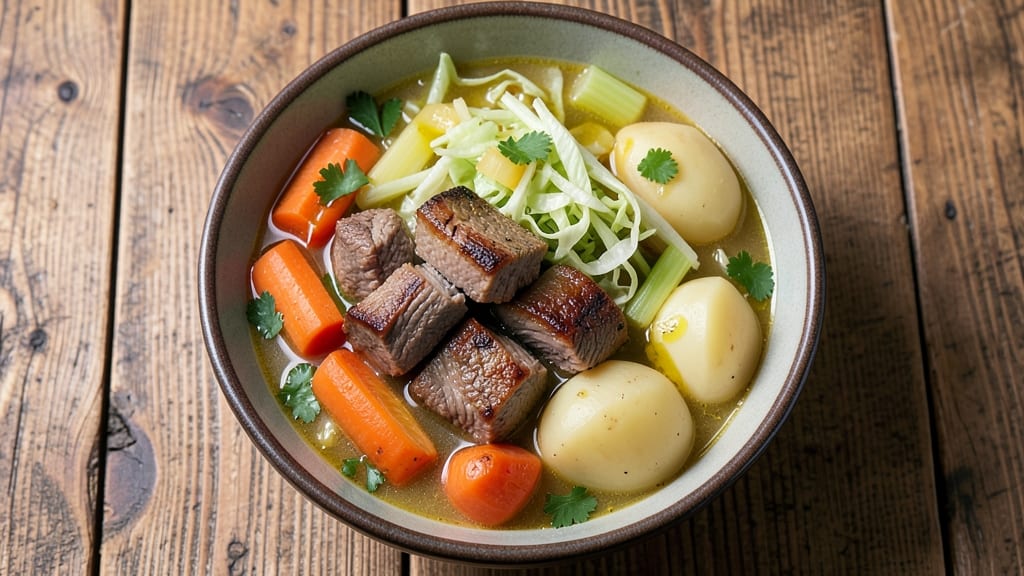
This old-fashioned vegetable beef soup with cabbage brings back the comforting flavors of home-cooked meals your grandparents might have made—rich, hearty, and packed with slow-simmered goodness. The secret lies in layering flavors through proper sautéing and a long, gentle simmer that transforms tough vegetables into tender perfection.
I developed this recipe after years of testing what truly makes a soup feel like a hug in a bowl, and it never fails to deliver that deep, savory satisfaction.
The beauty of this one-pot method is its simplicity: just a few core ingredients—beef, cabbage, root vegetables, and broth—work together to create a dish that’s both nourishing and deeply flavorful.
Unlike quick soups that rely on shortcuts, this version builds complexity through time, with each vegetable contributing its own texture and taste. The cabbage softens just enough to absorb the broth while maintaining a subtle crunch, while the beef becomes fork-tender and infused with the surrounding flavors.
By the time you’re done, you’ll have a steaming bowl of soup with a golden, aromatic broth, tender beef chunks, and vegetables that melt in your mouth. The aroma alone will fill your kitchen with warmth, and every spoonful delivers that perfect balance of hearty and comforting.
This is the kind of soup that tastes even better the next day, making it ideal for meal prep or feeding a crowd.
Serve it with crusty bread to soak up every last drop of that flavorful broth, or pair it with a simple green salad for a complete meal.
The one-pot approach means minimal cleanup, leaving you more time to enjoy the results. Let’s get cooking—this soup is worth every minute of simmering time.
Ingredients for old-fashioned vegetable beef soup recipe with cabbage
Hearty beef and cabbage soup with just 14 simple ingredients for cozy one-pot comfort.
| Ingredient | Amount | Notes |
|---|---|---|
| Chuck Roast Beef 🥩 | 2 lb | Cut into 1-inch cubes |
| Yellow Onion 🧅 | 1 whole | Chopped, medium size |
| Carrots 🥕 | 4 medium | Peeled, cut into chunks |
| Celery Stalks 🌿 | 3 whole | Chopped, medium size |
| Green Cabbage 🥬 | 1 small | Cored, chopped |
| Russet Potatoes 🥔 | 3 medium | Peeled, cut into chunks |
| Beef Broth 💧 | 6 cups | Low-sodium preferred |
| Tomato Paste 🍅 | 2 tbsp | Squeeze tube works |
| Garlic Cloves 🧄 | 4 cloves | Minced, fresh preferred |
| Fresh Thyme Leaves 🌿 | ½ tbsp | Or 1 tsp dried thyme |
| Bay Leaves 🍃 | 2 whole | Remove before serving |
| Salt 🧂 | 1 ½ tsp | Kosher or sea salt |
| Black Pepper 🌶️ | ½ tsp | Freshly ground preferred |
| Extra-Virgin Olive Oil 🫒 | 2 tbsp | For sautéing vegetables |
The beef is the star here—chuck roast gives you that melt-in-your-mouth texture after simmering. Grab it from the butcher counter if you can (they'll cube it for you), or pick up pre-cubed from the grocery store's meat section. For the veggies, organic carrots and potatoes keep their color better, but regular works fine. The cabbage? Green or purple both work—just make sure it's crisp and heavy for its size. I always grab extra cabbage because it's so versatile and keeps for ages in the fridge.
No beef broth? Chicken broth plus 1 tbsp soy sauce gets you close. Fresh thyme is ideal, but dried works at one-third the amount. If you're short on time, baby carrots and pre-chopped celery save prep work. The tomato paste can be skipped if you don't have it—just add an extra 1/2 cup water to the broth. For the potatoes, Yukon Golds hold up better than Russets, but both work. The olive oil matters here—use something with good flavor, not the cheap stuff.
This soup tastes even better the next day once all the flavors meld. Keeps 5-6 days in the fridge, freezes for 3 months. I always make a double batch—one for dinner, one for lunches. Store in airtight containers with a splash of broth on top to keep everything moist. The cabbage will soften more overnight, which is perfect for leftovers.
Why You'll Love This Recipe
- One-Pot Magic: That cabbage and beef combo? It’s like the soup version of "set it and forget it." I toss everything—chuck roast, onions, carrots, celery, and cabbage—into the pot, let it simmer, and boom. No extra pans, no stress. The cabbage gets tender-crisp, not mushy, and the beef falls apart so easily, it’s practically begging to be eaten with crusty bread.
- Crave-Worthy Depth: The beefy richness of the chuck roast paired with the earthy cabbage? It’s a match made in heaven. I swear, the slow-cooked flavors meld together until you get this deep, savory pull that’s impossible to resist. Even my picky husband—who usually side-eyes cabbage—asks for seconds.
- Feeds Everyone: This isn’t just a meal; it’s a feeding frenzy. I make it for game days, lazy Sundays, or when my kids bring home friends. The cabbage adds texture, the carrots and celery keep it bright, and the beef? It’s the star. Leftovers? Even better the next day—just reheat and dive in.
- Budget’s Best Kept Secret: Chuck roast isn’t cheap, but this soup stretches it into three hearty meals. Cabbage is dirt-cheap, carrots and celery are pantry staples, and suddenly you’ve got a meal that costs less than takeout. Plus, it’s the kind of dish that makes you feel fancy without breaking the bank.
Step-by-step instructions for hearty vegetable beef soup
This old-fashioned beef soup comes together in one pot with rich flavors and tender vegetables.
Sear the Chuck Roast Beef for Deep Flavor
Heat a large Dutch oven over medium-high heat. Add the 2 lb chuck roast beef cut into 1-inch cubes, working in batches if needed, and sear until browned on all sides—about 3-4 minutes per batch. This step develops that classic beefy flavor that forms the soup's foundation.
As you sear, resist the urge to overcrowd the pot. You want those beef pieces to develop a rich crust. Once all the beef is browned, transfer it to a plate and set aside. The browned bits left in the pot will become the flavor base for your soup—don't miss this crucial step.
Sauté the Vegetable Base
With the beef removed, add the 2 tbsp extra-virgin olive oil to the same Dutch oven over medium heat. Add the chopped 1 whole yellow onion, 4 medium carrots, and 3 whole celery stalks. Sauté for 5-6 minutes, stirring occasionally, until the vegetables begin to soften and the onion becomes translucent.
Here's where the aromatics build—you'll smell that sweet, earthy onion and carrot aroma filling your kitchen. After about 3 minutes, add the 4 cloves minced garlic and cook for another 30 seconds until fragrant. This quick cooking prevents the garlic from burning, which would make the soup bitter. Stir in the 2 tbsp tomato paste and cook for 1 minute to deepen the flavor.
Build the Soup Foundation
Return the browned beef to the pot. Add the chopped 1 small green cabbage and 3 medium russet potatoes cut into chunks. Pour in the 6 cups beef broth, then add the 0.5 tbsp fresh thyme leaves, 2 whole bay leaves, 1.5 tsp salt, and 0.5 tsp black pepper. Stir everything together to combine.
Bring the soup to a boil over high heat, then immediately reduce the heat to medium-low. The soup should simmer gently—you'll see small bubbles breaking the surface, but not a vigorous rolling boil. This controlled simmer prevents the vegetables from breaking apart and ensures the beef stays tender rather than tough.
Simmer Until Everything is Tender
Cover the pot and let the soup simmer for 1 hour to 1 hour 15 minutes. The potatoes and carrots should be fork-tender, and the beef should easily pull apart with a fork. You'll know it's ready when the flavors have melded together beautifully—each spoonful should be rich with beefy depth and vegetable sweetness.
About 15 minutes before the soup is done, taste and adjust the seasoning if needed. The broth should be well-seasoned, but not overly salty. If the soup seems too thick, you can add a little water or more broth to reach your preferred consistency. The cabbage should be tender but still hold its shape—overcooking will make it mushy.
Finish and Serve
Once everything is tender, remove the 2 whole bay leaves with a slotted spoon. Taste the soup again and adjust the seasoning one final time. The soup should be rich, hearty, and full of flavor—each bite should deliver tender beef, sweet vegetables, and a deep, savory broth.
Serve the soup immediately in bowls, garnished with extra chopped fresh thyme if you like. This old-fashioned vegetable beef soup is perfect for cold days, family gatherings, or whenever you need a comforting, nourishing meal. The leftovers actually taste even better the next day as the flavors continue to develop.
Pro Tips For Making Old-Fashioned Vegetable Beef Soup Recipe With Cabbage
- Brown the Beef First: Don’t skip browning that chuck roast—it’s where the flavor hides. After searing the beef in batches (yes, even if it means waiting), you’ll get that deep, meaty richness that turns this soup from "okay" to "comforting." I learned this the hard way after making a batch where I just tossed the beef in with the broth—my family barely noticed the difference, but I did.
- Chop Cabbage Like a Pro: Skip the thick wedges and go for thin, even strips—this isn’t a salad. The cabbage should cook down quickly, not turn to mush or stay stubbornly crunchy. I used to cut it too thick and end up with sad, undercooked pieces hiding in the bottom of the pot. Now I shave it like a carrot, and it softens perfectly in 15 minutes.
- Don’t Crowd the Pot: Let that beef breathe. If you’re packing the pot with chopped veggies and meat right away, the onions and carrots will steam instead of caramelizing. After browning the beef, remove it and let the onions and carrots cook undisturbed for 5 minutes—just enough to soften and start releasing their sweetness. (Yes, even if it looks weirdly empty.)
- Add Cabbage Late: Green cabbage is a diva—it needs to finish cooking in the last 10 minutes, or it’ll turn bitter and soggy. I used to toss it in early, thinking it’d blend in nicely, but it always ended up mushy and flavorless. Now I add it with the celery stalks in the final stretch, and it stays bright green and tender. Trust me, it’s worth the wait.
Flavor customization for these flavors
Classic Spice Profile
Start with the traditional flavor foundation: 1 tsp smoked paprika and ½ tsp ground coriander when sautéing the onions, carrots, and celery. These warm spices add depth without overpowering the beef and cabbage. For extra richness, stir in 1 tsp Worcestershire sauce with the tomato paste—it enhances the umami.
I always keep a small jar of Penzeys Old Bay Seasoning on hand for this purpose; just ½ tsp adds a touch of complexity. 🌶️
Herb Variations
Swap out the thyme for 1 tbsp fresh parsley and 1 sprig rosemary for a brighter, more Mediterranean-inspired flavor. Or try 1 tsp dried marjoram (about ½ tsp fresh) for a sweeter, slightly citrusy note that pairs beautifully with the cabbage.
For a rustic touch, add 2 sprigs fresh sage during the final 10 minutes of simmering—they’ll infuse the broth with their earthy aroma.
Umami Boosters
Deepening the umami flavor is key to old-fashioned soups. Add 1 tbsp soy sauce or 1 tsp fish sauce when combining the broth—just enough to enhance without dominating. For a vegetarian-friendly twist, stir in 1 tbsp miso paste during the last 15 minutes of simmering.
I also love adding 2 slices of pancetta (about ¼ cup) when searing the beef—they crisp up beautifully and add a salty, smoky dimension. 💡
Sweet-Savory Balance
Caramelizing the onions takes this soup to the next level. Cook them for an extra 5-7 minutes until deep golden brown, then deglaze the pot with 2 tbsp apple cider vinegar before adding the garlic.
For a touch of sweetness, stir in 1 tbsp honey or 1 diced apple (peeled, cored, and chopped) during the final 10 minutes of simmering. The natural sweetness of the apple complements the cabbage beautifully.
Heat Level Control
For a mild soup, stick to the original recipe. For medium heat, add ½ tsp red pepper flakes with the tomato paste. If you want it spicy, stir in 1 tbsp hot sauce (like Cholula) or 1 tsp cayenne pepper during the final 5 minutes of simmering.
For a smoky kick, add ½ tsp chipotle powder or a pinch of smoked salt—just enough to elevate the flavor without overpowering the beef and cabbage. 🔥
Regional Twists
For a German-inspired version, add 2 slices of bacon (cooked crispy) and 1 tbsp caraway seeds during the final 10 minutes of simmering. The caraway adds a unique, slightly anise-like flavor that pairs wonderfully with cabbage.
In a French-style adaptation, replace the thyme with 1 sprig fresh tarragon and add 1 shallot (minced) with the onions. The tarragon brings a delicate licorice note that brightens the broth beautifully.
Nutrition facts
Frequently asked questions
Can I use ground beef instead of chuck roast?
While you can substitute 1 lb ground beef for the chuck roast, the texture and flavor will differ. Ground beef will make the soup thicker and less tender. If you do use it, brown it thoroughly first to develop flavor, then proceed with the recipe. For best results, stick with chuck roast for that classic old-fashioned tenderness.
How do I prevent the cabbage from turning mushy?
Add the cabbage only after the soup has simmered for 45-60 minutes—this ensures it stays slightly crisp. If you add it too early, it will overcook. For extra texture, stir in chopped cabbage during the final 10 minutes of simmering. Also, avoid overcrowding the pot, which can make vegetables cook unevenly.
Can I make this soup in an Instant Pot?
Yes! Sauté the beef and vegetables as directed, then add all remaining ingredients (including broth) and cook on high pressure for 25 minutes. Let the pressure release naturally for 10 minutes, then finish with a quick stir. The Instant Pot cuts cooking time significantly while keeping flavors rich. Adjust salt at the end since pressure cooking intensifies seasoning.
What's the best way to reheat leftovers?
Gently reheat on the stovetop over medium-low heat until steaming (about 5-7 minutes). Avoid microwaving as it can make the broth watery. If the soup seems too thick, add a splash of broth or water. Leftovers actually taste better the next day as flavors meld! Store in airtight containers for up to 5-6 days.
What vegetables can I swap for carrots and celery?
Try turnips or parsnips for carrots (they add a slightly sweeter, earthier taste), and leeks or fennel for celery (both offer a milder, more delicate flavor). For a heartier soup, add kale or spinach during the final 10 minutes—they wilt quickly without losing texture. Just adjust cooking times accordingly.